
Key Takeaways
-
Browser-based 3D game engines like Nilo remove downloads and setup, so you can start prototyping right away.
-
AI tools and natural language prompts help you create assets and gameplay logic without deep coding knowledge.
-
Real-time multiplayer collaboration turns game building into a social hangout with friends through simple shared links.
-
Nilo excels with Roblox-ready exports, automatic mesh cleanup, and free monthly credits in its open beta.
-
If you want to create console-style 3D games quickly, join Nilo’s open beta today for free building and playing.
How To Rank the Easiest 3D Game Makers for Beginners
Aspiring builders or already builders like you who move from playing games to building your own worlds should look at a few core factors. Learning curve comes first, so focus on tools that offer no-code options or natural language instead of heavy scripting. Setup accessibility matters too, because browser-based engines remove download pain and hardware limits that often stop projects before they even begin.
Fun factor separates playful creation tools from pro software that feels like homework. Social collaboration features let you build with friends, which matches the multiplayer games that probably inspired you to create. AI support speeds up asset creation through text-to-3D and smart cleanup. Export options decide where your games can live, whether that is Roblox, Unity, or other engines. Free tiers give you a way to start creating without spending a bunch of money.
Community size and activity show how many tutorials, examples, and helpers you can find when you get stuck. The 3D game engine segment holds the largest market share, and more platforms now focus on making creation easier for younger creators like you. With these criteria in mind, you can compare engines based on what you actually need instead of just big feature lists.
Top 5 Beginner-Friendly 3D Game Engines for Teen Creators
These engines balance ease of use with creative power, and each one fits a different style of learning. You can pick the one that matches your goals, your hardware, and how deep you want to go into coding.
1. Nilo (AI-Native Browser Engine for Roblox Builders)
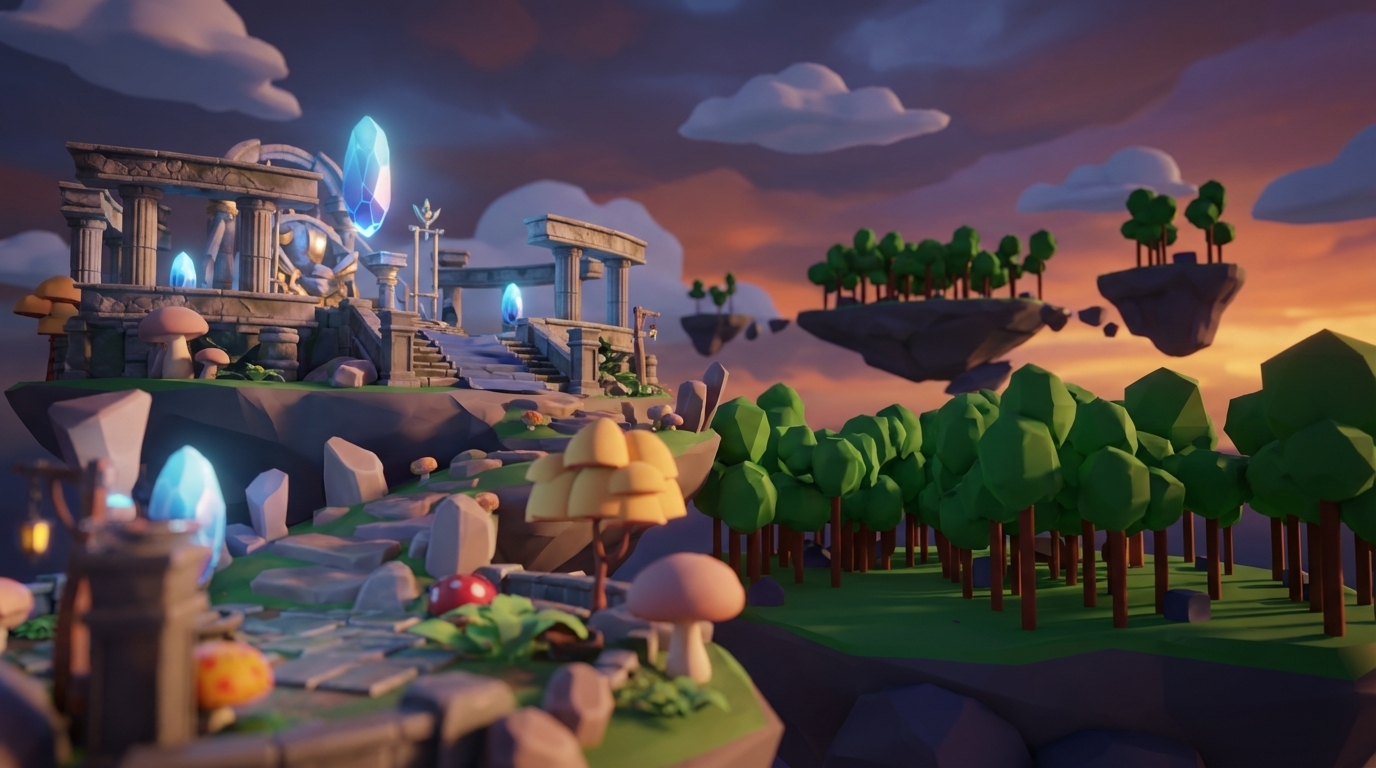
Nilo turns 3D creation into a playful experience that runs fully in your browser. You can generate characters, props, and environments from sketches, text prompts, or reference images. The platform quietly handles technical work like mesh optimization and rigging, so you spend more time on ideas and less time worrying about polygon counts.

The natural language code editor lets you describe gameplay in plain language, such as “make the player jump higher when collecting stars” or “add enemies that patrol the platform.” Real-time multiplayer collaboration means you can build with friends just by sharing a link, with no installs for anyone. Nilo’s open beta launched on April 2, 2026, allowing free sign-up and access.
Nilo’s browser access and AI-powered asset creation make it great for quick experiments and fast learning. Real-time collaboration turns every project into a group build session. Direct Roblox Studio export with automatic polygon optimization means your worlds move into Roblox smoothly.
2. Godot (Free Open-Source Lightweight Pick)
Godot is a free and open-source game engine popular among beginners, featuring an intuitive interface and editor, visual scripting, lightweight design, support for both 2D and 3D games, and multi-platform export options including Windows, Linux, macOS, HTML5, Android, and iOS. Its node and scene system organizes your game into clear pieces, which helps you understand how everything fits together.
Visual scripting reduces how much code you must write, so you can start even if you have never programmed before. The lightweight design runs well on older hardware, which means you do not need a high-end PC to learn. The large documentation set and active community give you tutorials and answers when you get stuck, though Godot lacks external tool support like Unity’s Asset Store, ads, and user metrics, so you have fewer plug-and-play add-ons.
Godot’s main strengths include completely free use, a beginner-friendly interface, visual scripting, and strong support for both 2D and 3D. On the other hand, you deal with a smaller asset marketplace, a learning curve for the GDScript language, a download requirement, and fewer third-party integrations than commercial engines provide.
3. Unity (Visual Scripting Industry Standard)
Unity’s strengths include industry-standard workflows, tons of learning resources, a large asset marketplace, and strong mobile and VR support. Still, you should also plan around costly professional licensing, a download requirement, and frequent UI changes that make tools harder to find.
Skip the download hassle and start building in your browser with Nilo’s open beta.
4. Unreal Engine (Blueprints for Stunning Graphics)
Unreal’s strengths include leading graphics, powerful Blueprint visual scripting, free use with a 5% royalty on earnings over $1 million, and a big marketplace. Its tradeoffs include being tough for solo developers, needing very powerful hardware.
5. Roblox Studio (Familiar but Desktop-Heavy)
Roblox Studio gives you the most direct path to the platform. Built-in physics, lighting, and scripting tools connect straight to Roblox’s huge player base. Roblox distributed $1.5 billion in developer payouts (DevEx) in 2025, a 70% year-over-year increase, which shows real earning potential.
Roblox Studio’s strengths include direct Roblox integration, built-in monetization, access to a massive audience, and familiar building tools. Still, Lua scripting creates a big barrier if you want interactive gameplay and you are just starting. Its limits also include desktop-only access, scripting requirements for deeper interactivity, and a steep learning curve for advanced systems.
Why Nilo Stands Out for Teens: Deep Dive
Nilo connects your experience playing Roblox with creating your own games. You can generate rigged avatars and 3D models from text descriptions, sketches, or reference images. The natural language code editor accepts prompts in any language, such as English or Spanish, and turns them into working game logic.
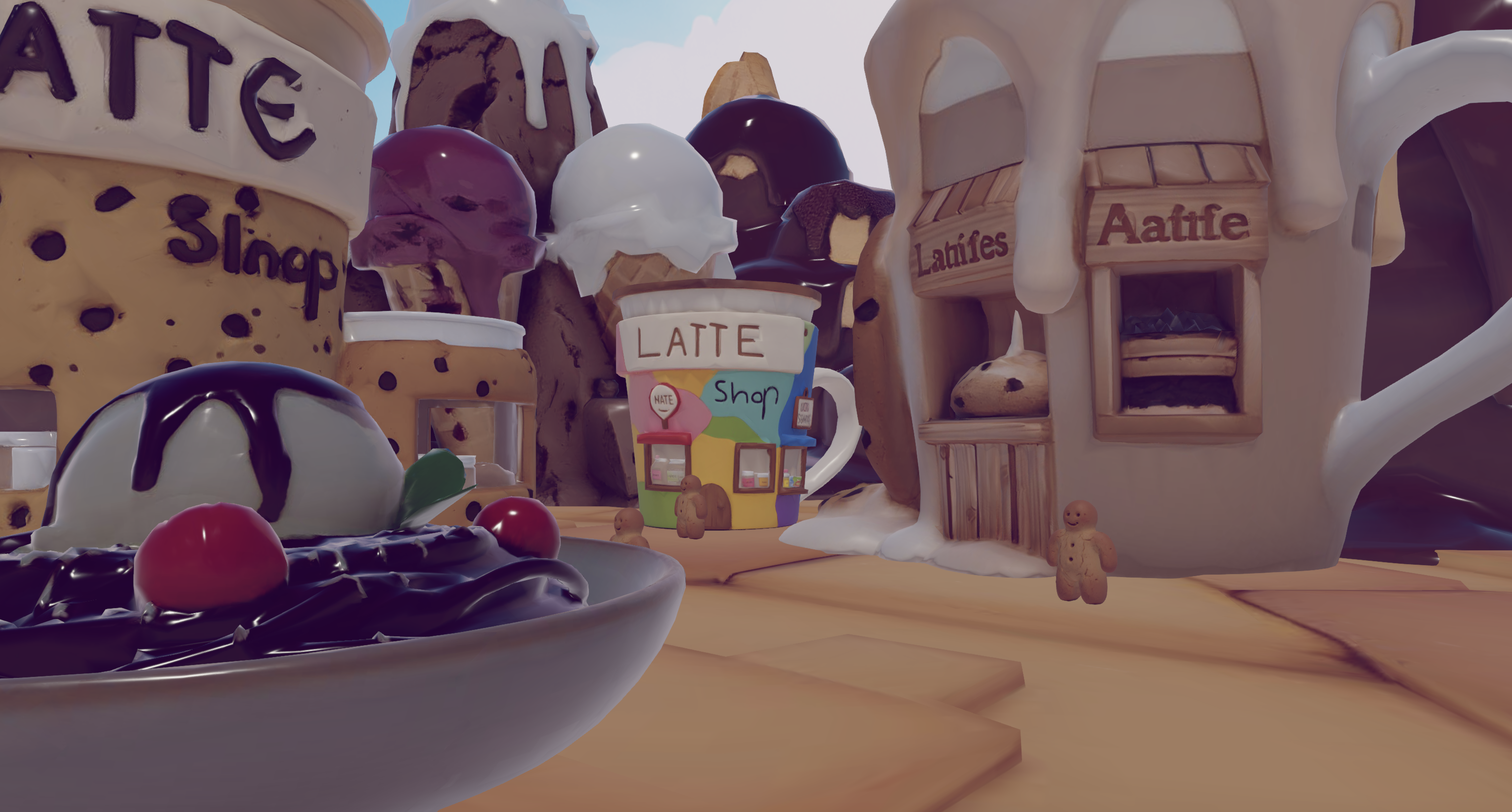
Real-time multiplayer creation lets you and your friends build together from desktop or mobile browsers and share projects through Discord or Telegram links. The level of detail system automatically optimizes polygon counts for Roblox’s performance rules, so you skip manual mesh cleanup. Nilo optimizes polycount so models work directly in Roblox Studio and other platforms without extra steps.
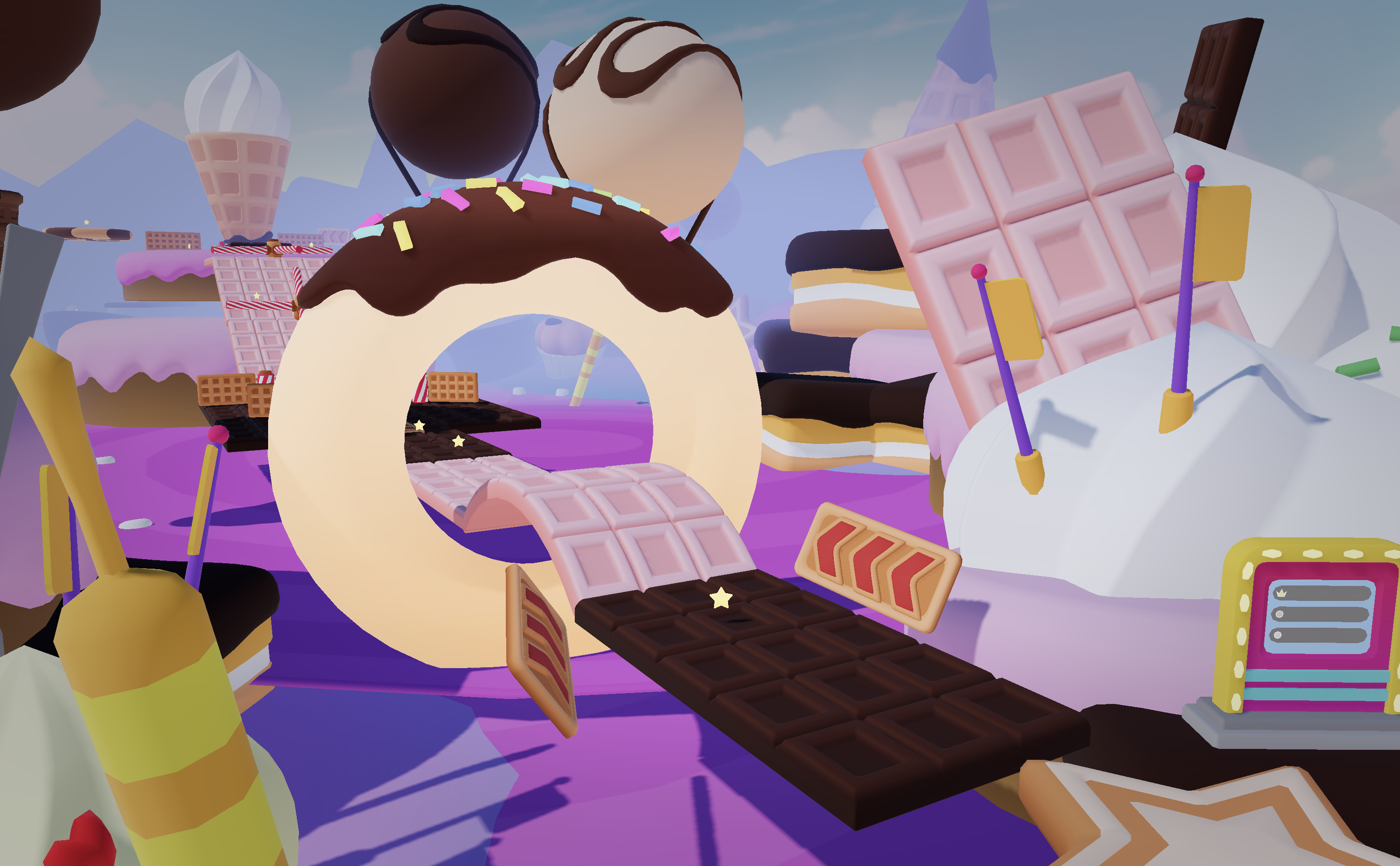
Getting started feels fast because everything runs in your browser with no installs. You open Nilo, sketch or prompt your idea, and generate assets. Then you drag those elements into your 3D world, invite friends with a link to build together, and finally export to Roblox Studio when you are ready to publish. The 9,000+ Discord community shares tips, feedback, and showcases. In a February 2026 survey, 93% of builders said they would recommend Nilo to a friend, and 82% rated their experience as “Awesome” or “Good.”
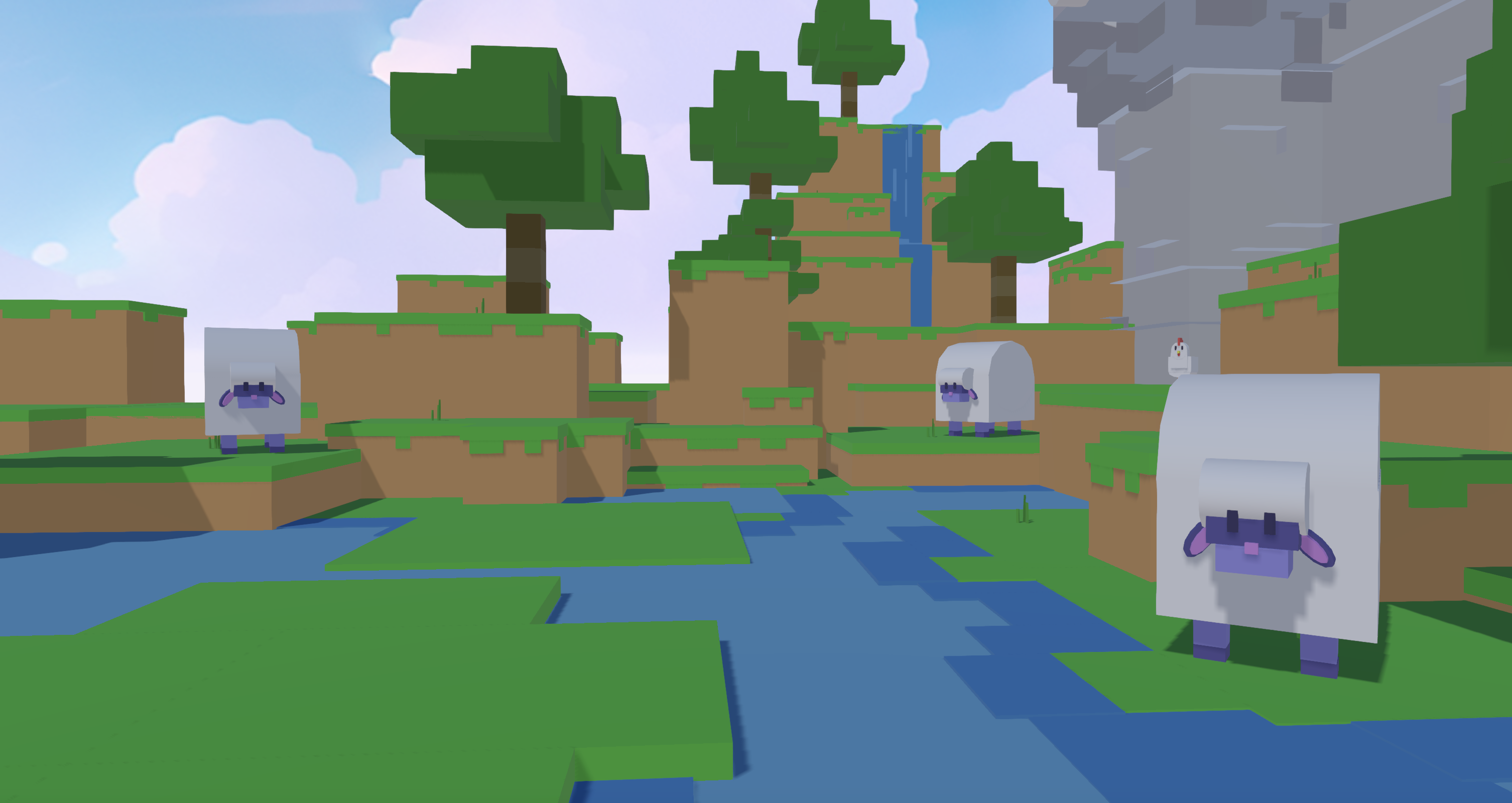
Experience AI-powered creation yourself by joining Nilo’s free open beta.
Side-by-Side Comparison Table + Key Tradeoffs
You have now seen what each engine offers on its own. This table highlights the main tradeoffs you will face, such as browser access versus downloads, social collaboration versus pro depth, and instant prototyping versus long-term industry workflows.
|
Engine |
Browser/No-Download |
No-Code Ease/AI |
Collab/Export/Free Tier |
Teen Rating |
|---|---|---|---|---|
|
Nilo |
Yes, full browser |
Natural language coding and AI generation |
Real-time multiplayer, Roblox export, free with 1,000 Bits monthly |
Excellent for social building |
|
Godot |
No, download required |
Node-based scripting (GDScript, C#), VisualScript deprecated in v4 |
Limited collaboration, multi-platform, completely free |
Good for solo learning |
|
Unity |
No, download required |
Unity Visual Scripting |
Collaboration tools available, multi-platform, free under $200k |
Industry standard but complex |
|
Unreal Engine |
No, download required |
Blueprint visual scripting |
Advanced collaboration tools available (but setup-heavy), multi-platform, free with 5% royalty |
Powerful but demanding |
|
Roblox Studio |
No, download required |
Lua scripting required |
Team Create collaboration, Roblox only, free |
Familiar but scripting barrier |
The main tradeoff sits between accessibility and advanced features. Nilo focuses on instant browser access and social collaboration instead of deep pro tools. Unity and Unreal give you advanced graphics and complex systems, but they need downloads and longer learning curves.
For quick prototypes and group building sessions, Nilo’s browser-native style removes setup friction that often stops teenage creators before they even begin.
Frequently Asked Questions
What is the most beginner-friendly 3D engine?
Nilo stands out for complete beginners because of its browser access and natural language coding. You describe what you want and see it happen without learning a full scripting language first. Godot also works well for beginners with its visual scripting and clear interface, though you still need to install software.
Should I use Unity or Unreal as a beginner?
Unity and Unreal both include visual scripting, but they shine in different ways. Unity’s Visual Scripting system connects nicely with the Asset Store and has many tutorials, while Unreal’s Blueprint system handles complex logic with a visual layout. Both engines still require downloads, strong hardware, and a big time investment. Browser-based options like Nilo give you a faster way in if you want to start building right now.
What are the best free 3D engines?
Nilo offers free browser access, with 1,000 monthly Nilo Bits for AI generation. Godot is free and open-source, with no royalties. Unity is free if your Total Finances stay under $200,000 USD each year. Unreal Engine is free with a 5% royalty on earnings over $1 million. Roblox Studio is free but only publishes to the Roblox platform.
Are there browser-based 3D game engines?
Browser-based engines now give you real alternatives to desktop tools. Nilo runs fully in your browser with full 3D creation features. PlayCanvas offers cloud-based development with real-time collaboration. Traditional engines like Unity can export to browsers through WebGL, but you still install the main editor on your computer.
Can I export to Roblox from other engines?
Nilo focuses on Roblox-ready exports with automatic polygon management and correct formatting. Blender can export to Roblox, but you handle optimization and technical steps yourself. Unity and Unreal can export 3D models too, although they often need extra work to meet Roblox’s performance rules.
Do I need a powerful PC for 3D game development?
Traditional engines like Unity and Unreal run best on powerful hardware. Browser-based engines like Nilo lower hardware demands by using optimized web environments. Godot stays lightweight and works on older computers. Your hardware needs depend on your project and engine, but browser tools open 3D creation to more devices.
Conclusion
Professional engines like Unity and Unreal deliver deep features and industry workflows, yet they can overwhelm teenage creators with installs, menus, and complex systems. Nilo takes a different path by focusing on instant access, social collaboration, and AI help that makes creation feel closer to playing than working.
You should match your engine choice to your goals. If you want industry skills and accept a tough learning curve, Unity or Unreal give you that path. If you want a lightweight and free setup, Godot offers strong value. If you want to build and play with friends almost immediately, Nilo’s browser-native approach removes most barriers between your ideas and interactive 3D worlds.
Your first 3D world is closer than you think. Join Nilo’s open beta and try building and playing for free.
