
Key Takeaways: Natural Language Game Coding
-
Natural language game coding lets you build 3D games using everyday language prompts, so you skip traditional scripting like Lua.
-
Platforms like Nilo offer browser-based 3D creation with WebGPU, real-time feedback, and automatic optimizations for Roblox export.
-
You can build complete games in minutes: generate assets, add mechanics like jumping or zombie chases, animate, and test multiplayer, all through chat.
-
You avoid common pitfalls by using concise prompts, choosing the right AI models, and leaning on community support when AI-generated errors appear.
-
Join Nilo’s open beta today to create your first 3D game for free and export it to Roblox.
Natural Language Game Coding (Vibe Coding) Explained
Natural language game coding, also called vibe coding, lets you build games by chatting with AI in everyday language, like saying “make zombies chase the player” instead of writing lines of code.
You skip learning Lua scripting for Roblox Studio or mastering complex syntax and simply describe what you want your game to do in normal conversation. The AI turns your ideas into working game mechanics, 3D assets, and interactive features in real time.
This approach removes the scripting barrier that stops many aspiring builders from turning game ideas into playable worlds. You keep creative control while the AI handles the technical work, so game development feels open to anyone who can describe a vision.
Why Natural Language Game Coding Feels Easier Than Traditional Tools
Traditional game development creates multiple frustrating barriers for you as an aspiring builder. Scripting often becomes the biggest obstacle, and 60% of Generation Z users have tried creating games in Roblox, but most hit a wall when they need interactive features.
You might end up daisy-chaining tools like Meshy for 3D generation, Blender for cleanup, and Roblox Studio for assembly, which breaks your creative flow every time you switch tools. Polycount anxiety appears when you worry about performance limits, and optimization turns into a technical headache instead of a creative step.
Professional tools like Roblox Studio, Unity, and Unreal Engine were built for experienced developers, not for aspiring builders like you who are moving from playing to creating. Even browser-based options like PlayCanvas can bring a learning curve once you want full features. Platforms like Rosebud AI and Spawn add 3D capabilities, yet they may not include the specific Roblox export optimizations you need for smooth, immersive worlds.
Natural language game coding platforms bring these pieces together into one pipeline. You get browser-based access, real-time 3D feedback, collaborative building, and direct export to platforms like Roblox, all controlled through conversational interfaces that feel intuitive instead of intimidating.
Top Tools for Natural Language Game Coding in 2026
Now that you see how natural language coding removes many traditional barriers, you can look at which platforms actually deliver on these promises. When you compare natural language game coding tools, focus on four key factors: 3D engine depth, browser accessibility, export compatibility, and community support.
The table below shows how several well-known platforms line up on these points, and you can see that specialized tools usually offer tighter game-building support than general-purpose coding assistants.
|
Tool |
3D/Browser Support |
Roblox Export |
Community |
|---|---|---|---|
|
Nilo |
Full 3D/WebGPU |
Optimized FBX |
9,000+ Discord |
|
Rosebud AI |
2D & 3D |
No |
17,000+ Discord |
|
Replit |
General coding |
Manual |
Large but general |
Rosebud AI helps you turn natural language prompts into code with both 2D and 3D support, but it does not offer direct Roblox export. Replit supports general programming with AI help, yet you still need manual setup for game development and Roblox integration. Unity recently launched a browser-based editor, but it carries years of professional-grade complexity that you must learn before you feel fast and confident.
Nilo stands out by offering end-to-end vibe coding focused on 3D world creation. The platform combines browser-based 3D creation with automatic polycount optimization for direct Roblox compatibility. With 93% of builders recommending it to friends based on a Nilo February 2026 Survey and a growing community of 9,000+ Discord members, you get both strong technical features and an active group of creators to learn from.
Step-by-Step: Build Your First 3D Game with Nilo Vibe Coding
You can create your first 3D game with natural language prompts in five clear steps. This walkthrough shows you how to build a simple obstacle course game that you can share with friends and export to Roblox.
Step 1: Set Up Your World
Go to play.nilo.io and create a free account. You receive 1,000 Nilo Bits each month for AI generation. Click “Create New World” to start with a blank 3D environment. The interface feels like a game instead of heavy software, with a radial menu for quick object creation and an inspector panel for detailed tweaks.
Step 2: Generate Your First 3D Asset
Use the “Craft Your Model” feature to create objects from text prompts, sketches, or image uploads. Try typing: “Create a medieval castle tower with stone texture.” The AI generates a 3D model in seconds using providers like Meshy or Tripo. You can switch between different AI models until you find the style and quality that match your world.
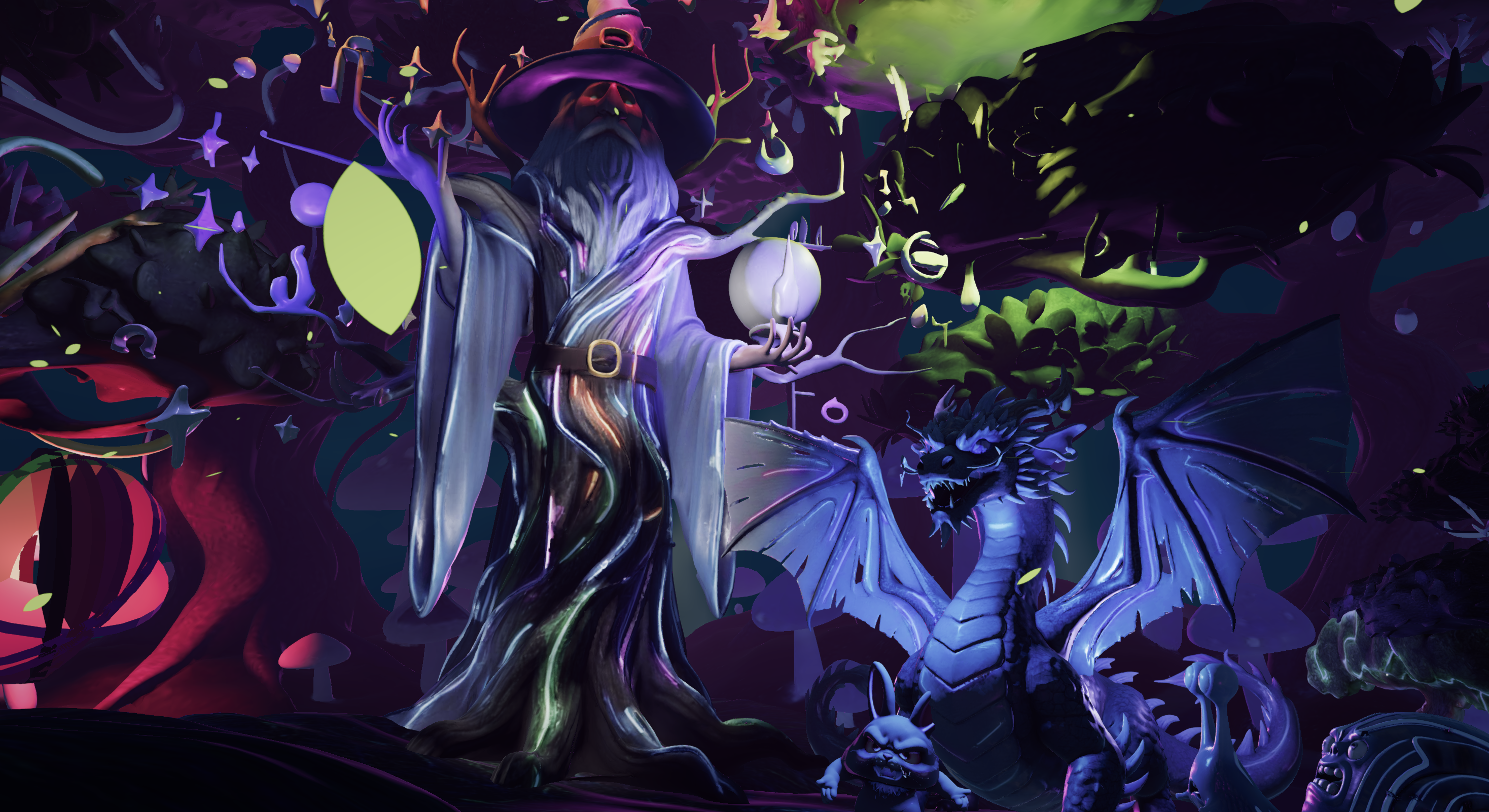
Step 3: Add Game Mechanics with Vibe Coding
Open the natural language code editor and describe your game mechanics. For example, say: “Make the player jump when spacebar is pressed, add coins that disappear when collected, create a win condition when all coins are gathered.” The AI turns these descriptions into working code with real-time 3D feedback. You see variables like “speed = 20” and can adjust them directly to tune how your game feels.
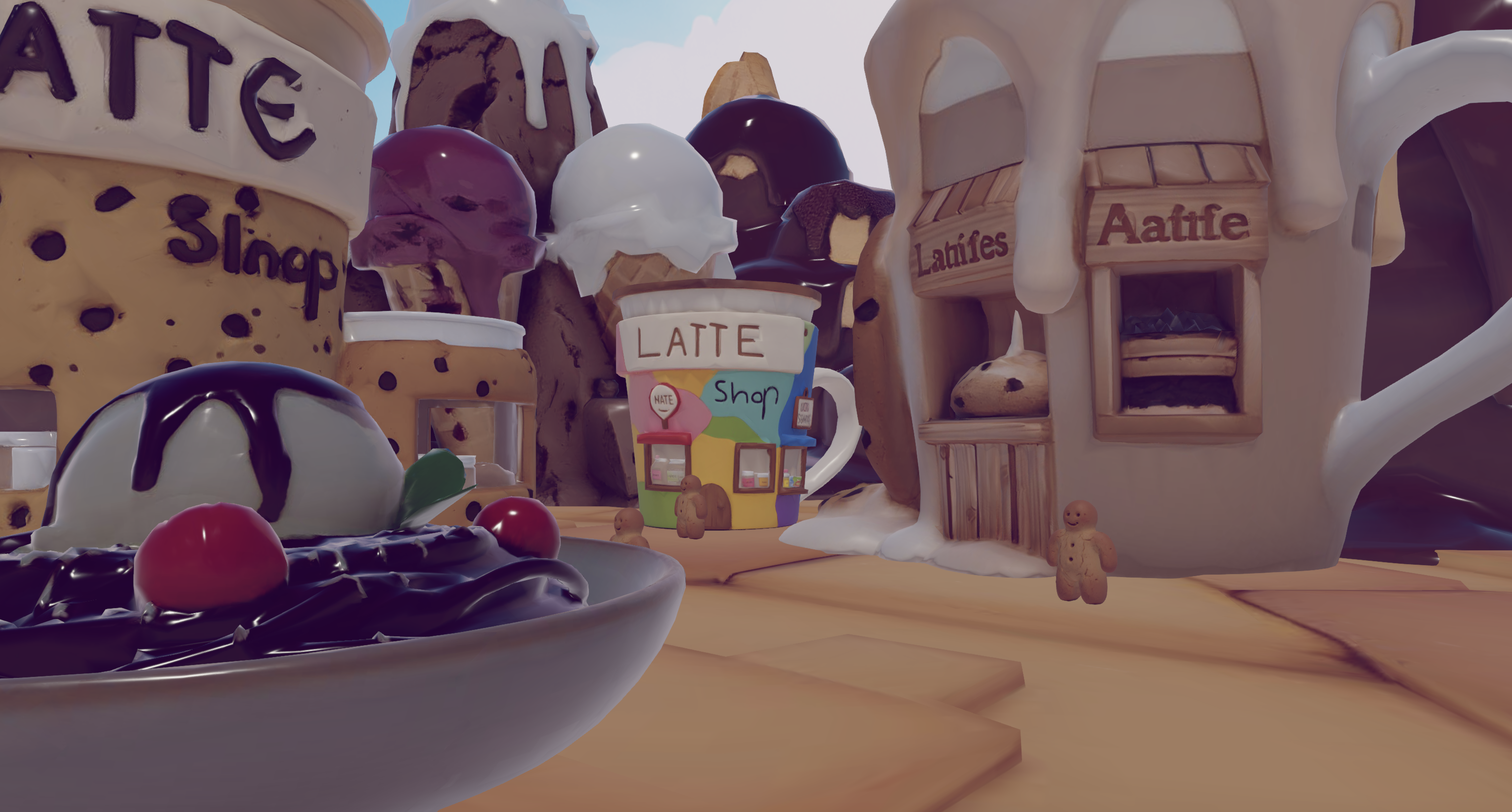
Step 4: Prepare, Optimize, and Animate
Use the “Optimize, Rig, & Animate” tools to get your assets ready for play. The level of detail slider automatically reduces polygon counts so you stay within Roblox’s 20k triangle limits. You can add character animations by typing prompts like “Make the character wave when the player wins.” One-click rigging handles the technical skeleton setup for you.
Step 5: Test with Friends and Export to Roblox
Share your world link with friends so they can join for real-time multiplayer testing. When your game feels ready, export directly to Roblox Studio using optimized FBX format. The automatic LOD system helps your game run smoothly on different devices.
Join Nilo’s open beta and try building and playing for free to start creating your own worlds.
This whole process takes minutes instead of hours, so you can focus on creative ideas instead of wrestling with technical steps. As mentioned earlier, the browser-based setup removes installation friction, so you just open a link and start building.
Common Natural Language Game Coding Pitfalls and How You Can Fix Them
AI-assisted game creation brings specific challenges that you should recognize as an aspiring builder. AI-generated 3D models often have poor topology with fragmented, non-manifold structures, which creates problems during rigging and animation. Many tools create an “AI lottery” feeling where you keep regenerating assets and hope the next one finally works.
Overly long or vague prompts can drop AI accuracy from 87% to 54%, and AI-generated code often hides logic errors in complex situations. You might see scripts that look correct at first glance but fail during real-time testing, which quickly becomes frustrating.
You can reduce these issues by starting with simple projects like obstacle courses or roleplay environments, which help you learn how the AI behaves without overwhelming complexity. Once you feel comfortable with basic mechanics, focus on prompt quality and use specific, concise instructions instead of long paragraphs.
This precision matters most when you work with variables, so make small changes, like switching “speed = 2” to “speed = 20”, and test right away to see how each tweak affects your 3D world.
Choose platforms that support model selection instead of locking you into a single AI provider. Nilo’s model-agnostic approach lets you switch between different AI providers to get better results for each asset. The 9,000+ Discord community can help when you hit specific problems, and real-time collaboration features let you build alongside more experienced creators who can share tips while you work.
Exporting Your Creations to Roblox and Other Platforms
Modern natural language game coding platforms usually support standard 3D export formats such as FBX, OBJ, STL, and glTF. This broad compatibility means your creations can move into Roblox Studio, Unity, Blender, VRChat, Rec Room, and Unreal Engine without extra conversion steps.
Automatic optimization creates the biggest advantage here. Platforms like Nilo handle polygon reduction, UV mapping, and performance tuning for you, so your exports meet platform-specific rules like Roblox’s 20k triangle limits. You skip manual retopology work in Blender, and your assets arrive in those tools already game-ready.
Frequently Asked Questions About Natural Language Game Coding
Is natural language game coding free?
Yes, most platforms include free tiers with monthly credits for AI generation. Nilo gives you 1,000 Bits each month in its open beta, which covers asset creation, world building, and export features. You can create, collaborate, and publish without upfront costs, which helps if you want to experiment before you think about paid plans.
Do I need to know coding or Blender?
You do not need coding knowledge, and that is the main benefit of vibe coding. You describe what you want in everyday language, and the AI writes the code. 3D modeling also happens through text prompts, sketches, or image uploads instead of complex software like Blender. These platforms teach game development concepts through intuitive interfaces instead of expecting prior technical training.
Does Roblox export actually work?
Yes, modern platforms can generate Roblox-optimized FBX files with automatic level of detail adjustment. The exports include rigging, materials, and collision settings that work directly in Roblox Studio. You avoid manual cleanup or retopology, and your assets keep their visual quality while still meeting performance requirements.
Can I use this on mobile devices?
Browser-based platforms run on both desktop and mobile devices because everything happens inside the web browser. You can create, edit, and collaborate from any device with an internet connection. Mobile layouts adapt the tools for touch controls while keeping the main features available.
How does multiplayer collaboration work?
Real-time multiplayer collaboration lets you share world links with friends who can join instantly without downloads or accounts. Several people can build at the same time, chat through Discord or Telegram integration, and watch changes appear live. This social style of creation makes building games feel like playing together instead of working alone on a technical project.
Natural language game coding marks a major shift in how aspiring builders like you can create 3D worlds. These tools remove scripting barriers and heavy technical steps so you can focus on imagination and creativity instead of wrestling with professional software.
The mix of AI assistance, browser access, and social collaboration creates a space where building games genuinely feels like play. Start creating today to experience this new style of game development firsthand.
