
Key Takeaways
-
AI-native 3D game creators in 2026 keep you in one browser tab by combining asset generation, optimization, and game building.
-
Nilo stands out for Roblox builders with an end-to-end workflow that removes tool-switching and manual optimization.
-
Tools like Tripo AI and Meshy AI generate assets quickly but usually need cleanup and do not cover full game workflows.
-
Key evaluation criteria include Roblox-ready optimization, creative control, real-time collaboration, and complete pipelines instead of raw generation speed alone.
-
Join Nilo’s open beta today to build, playtest, and export Roblox-ready games for free without technical hurdles.
How To Evaluate AI 3D Model Generators for Your Games
You should pick an AI 3D game creator based on how it actually feels to build in it every day. Speed matters, but only when the models drop into your game without hours of cleanup. Look for tools that give you usable assets in minutes and keep you creating instead of fixing geometry.
Roblox-ready optimization matters a lot if you build for that platform. Many AI generators produce models with polygon counts that exceed Roblox’s 10K-20K triangle limits, which pushes you into boring manual decimation workflows. The strongest platforms handle level-of-detail (LOD) optimization automatically, so you avoid wrestling with polycounts in external tools.
Creative control separates serious tools from AI lottery systems. You want platforms that let you iterate, tweak, and refine instead of re-rolling prompts and hoping for luck. This control becomes even more powerful when it lives inside an end-to-end workflow, where you can generate, rig, animate, code, and export without bouncing between different apps.
Real-time collaboration lets you build with friends by just sharing a link, which keeps the process social and fun. Export compatibility then makes sure your creations work smoothly in Roblox Studio, Unity, Blender, and other engines. Many platforms also offer generous free tiers, so you can test all of this before you spend money.
Top 5 AI 3D Game Asset Generators for Roblox Builders
To compare AI 3D game creators with built-in asset generators, focus on workflow integration, Roblox optimization, creative control, and community features. With those criteria in mind, here are five leading options you can explore.
|
Platform |
Strength |
Best For |
|---|---|---|
|
Nilo |
All-in-one Roblox powerhouse |
End-to-end game creation |
|
Tripo AI |
Fast generation, but it needs other tools to create a full game |
Quick asset prototyping |
|
Meshy AI |
Style variety, but it needs other tools to create a full game |
Textured asset creation |
|
Rosebud AI |
Vibe coding, but limited engine depth (hard to tweak) |
No-code game prototypes |
|
Sloyd |
Restricted to asset-only generation |
Parametric model creation |
Each platform fits a different part of the AI 3D game creation space, from full game engines to focused asset tools. Your goal is to match what you want to build with what each tool actually does well.
Start building in Nilo’s open beta to see how an all-in-one platform compares to switching between multiple tools.
Nilo – AI 3D Game Creator Focused on Roblox Workflows
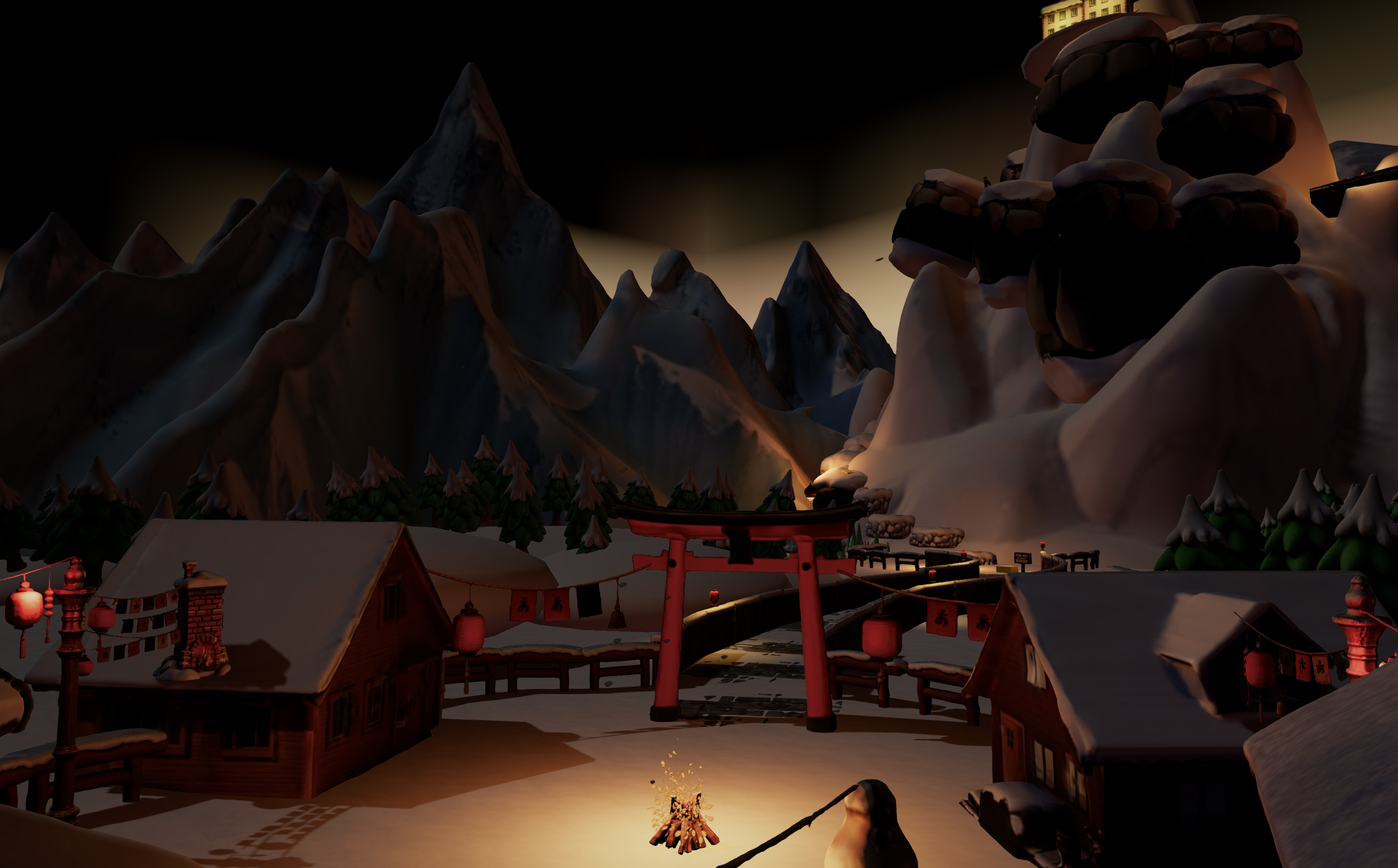
Nilo stands out as a comprehensive AI-powered 3D asset creation platform for Roblox builders who are tired of polycount battles and tool-switching friction. Nilo gives you AI-powered tools for 3D asset generation, real-time optimization, one-click rigging, AI animation, and direct Roblox export.
The Craft Model feature lets you create 3D objects from sketches, images, or text prompts by simply describing what you want. You can then adjust polygon counts with a level-of-detail slider that keeps models Roblox-friendly. One-click rigging and AI-generated animations from text descriptions remove the usual bottlenecks that slow down asset creation.
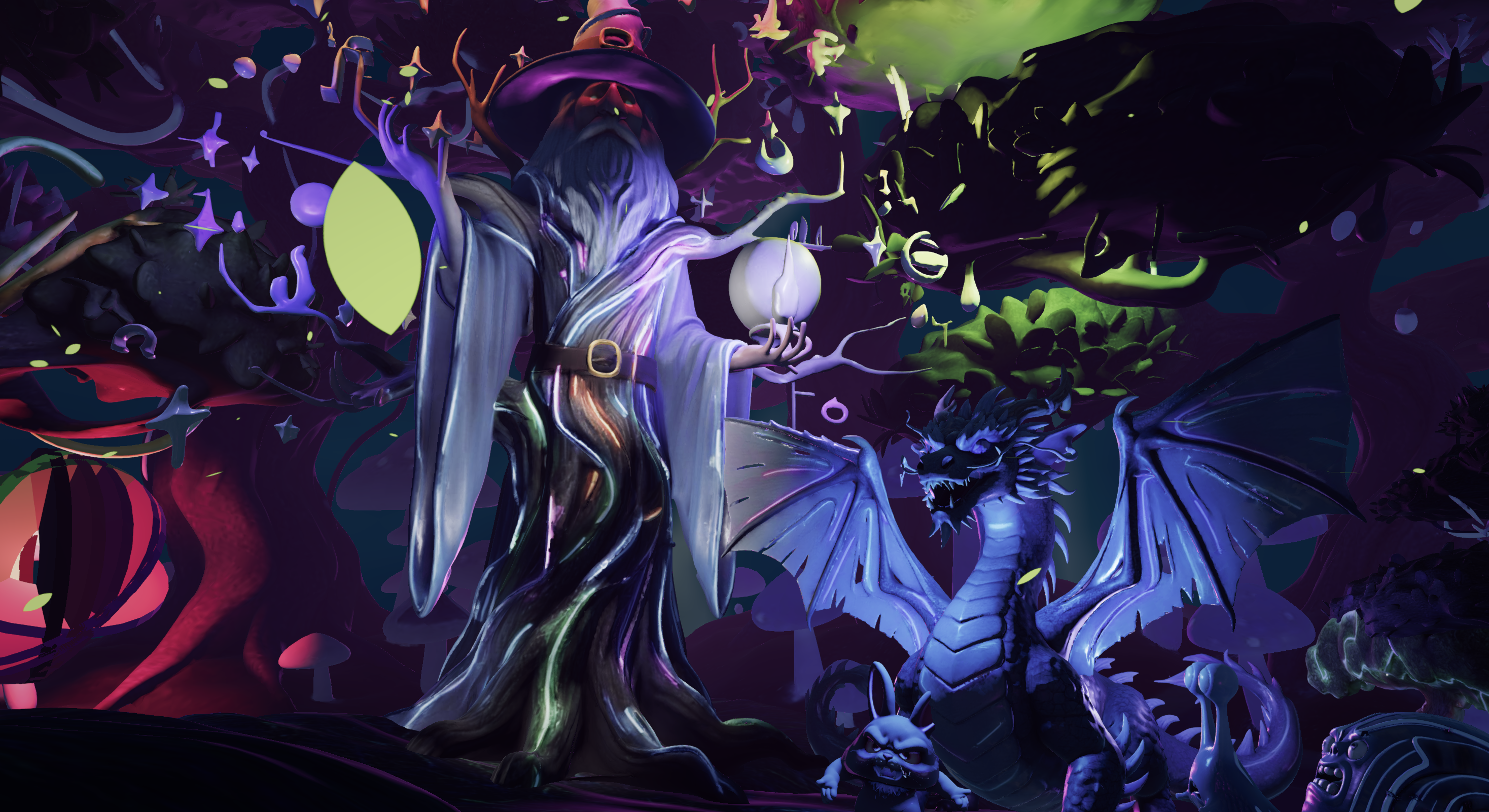
The natural language code editor, or vibe coding, lets you describe game logic in plain language instead of writing scripts. You tell the AI what you want to happen, and it sets up the behavior for you. This keeps you focused on ideas instead of syntax.
Nilo focuses on the complete asset workflow. You can playtest creations with friends in real time by sharing a link, then export directly to Roblox Studio with automatic LOD optimization that respects platform limits. Everything runs in your browser, so you do not need installs or expensive hardware.
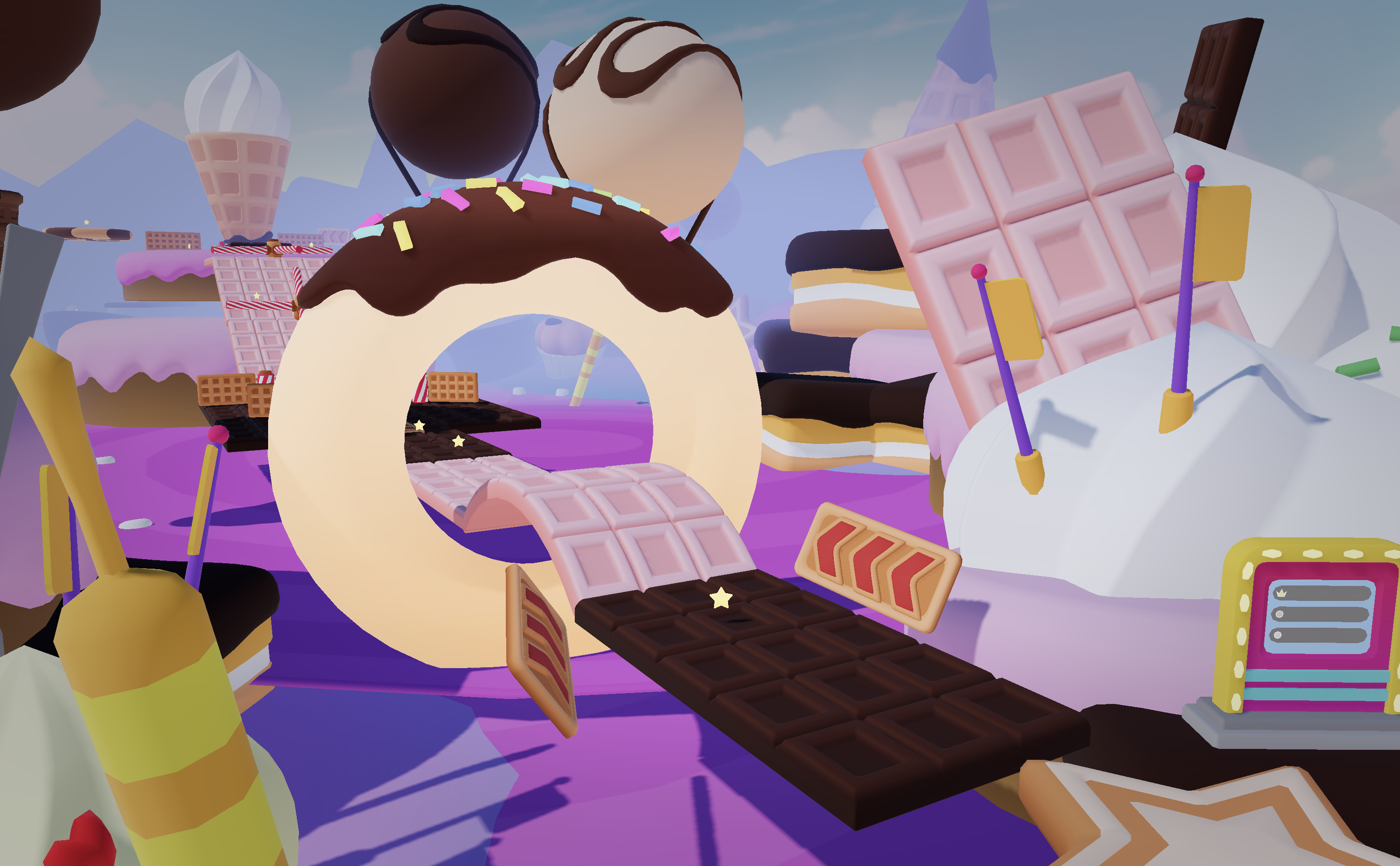
In a February 2026 survey, 93% of builders said they would recommend Nilo to a friend. Many mentioned big time savings, like “You can work 20 times faster than you usually work on models” and “I do not have to spend hours on 3D modeling the simplest things, now I can use Nilo and do it in 15 seconds.”
Nilo gives you 1,000 free Bits each month for AI generation, and core building features stay free. The platform currently focuses on asset creation and optimization, with full game publishing features on the roadmap.
Try Nilo’s automatic LOD and one-click rigging free in the open beta and skip manual retopology in your Roblox projects.
Tripo AI – AI 3D Model Generator Focused on Speed
Tripo AI focuses on rapid 3D model generation. The platform converts text prompts, images, or sketches into 3D assets and supports automatic rigging and animation.
Tripo’s strengths include intelligent object segmentation, AI-driven texturing, and clean topology with intelligent segmentation suitable for games, prototypes, and animation. You can export to STL, OBJ, GLB/glTF, and FBX, and use plugins for Blender, Unity, and Unreal Engine.
Tripo focuses on asset generation instead of full game creation. The outputs are fast, but you often still need cleanup in Blender before using them in production. The platform does not include a browser-based game engine or deep collaborative building features.
Compared to Nilo, Tripo works best as a specialized asset generator that you plug into a larger toolchain. You still need other tools for game logic, optimization, and multiplayer building.
Meshy AI – AI 3D Game Asset Generator for Visual Styles
Meshy AI gives you strong styling options and texture generation. You can use Image-to-3D, AI Texturing with prompts or reference images, and Text-to-3D generation with several export formats.
Meshy’s strengths include support for STL, OBJ, 3MF, FBX, GLB/glTF, USDZ, and BLEND export formats, plus plugins for Blender, Unity, and Unreal Engine. The platform generates models with clean geometry and balanced polygon counts, reaching a 97% slicer pass rate in testing across 75 models.
But like Tripo, Meshy focuses on asset generation instead of full game development. The quality is high, but you still rely on other tools for game logic and collaboration. You do not stay in one environment from idea to playable build.
Compared to Nilo’s end-to-end approach, Meshy works as one strong piece in a multi-tool workflow instead of a standalone game creation platform. Nilo is already integrated with both Tripo and Meshy, so you can use these models while building inside Nilo.
Rosebud AI – Vibe Coding for Prompt-to-Game Prototypes
Rosebud AI focuses on prompt-to-game creation using natural language commands, or vibe coding, to generate playable experiences. The platform enables no-code game creation from natural language prompts, automatically generating playable structures, mechanics, scripts, and built-in art.
Rosebud’s strength is rapid prototyping. You describe a game idea and quickly get a playable result. The platform handles code generation, basic mechanics, and simple asset creation through AI, which helps if you do not want to touch code.
Still, Rosebud does not provide the deep custom game engine features and 3D asset pipeline that serious Roblox-focused builders often need. It centers on generating games from prompts instead of giving you hands-on tools tuned for Roblox workflows.
Compared to Nilo’s game engine approach, Rosebud fits builders who want fast prompt-to-game results more than builders who want detailed creative control and Roblox-optimized collaboration.
Sloyd – Parametric AI 3D Asset Generator
Sloyd focuses on parametric 3D asset generation instead of full game creation. You pick or tweak templates, and the tool adjusts shapes and details based on sliders and simple controls. This makes it easy to create many variations of props or environment pieces.
The platform works well when you need consistent, modular assets such as crates, rocks, or buildings. You can quickly adjust size, style, and complexity without modeling from scratch. Exports then move into engines like Unity or Roblox Studio through standard formats.
Sloyd does not include vibe coding, real-time multiplayer building, or a built-in game engine. It fits best as an asset-only tool that you combine with other platforms for scripting, optimization, and publishing.
Nilo supports builders who want to focus on creativity instead of technical workflows. Other platforms shine in specific areas, while Nilo combines asset generation, optimization, collaboration, and export in one browser-based space.
Experience the integrated workflow yourself by joining Nilo’s open beta and building your first Roblox-ready game.
Key Tradeoffs and Roblox Building Tips
You should choose between AI 3D game creators based on your current skills and what you want to ship. If you are new to 3D, browser-based platforms like Nilo remove installation headaches and give you instant visual feedback. If you already use Blender or Unity every day, you might prefer specialized tools that plug into that setup.
Avoid the “AI lottery” feeling where you keep re-rolling prompts and hope for a better model. Look for platforms that support sketch-to-3D pipelines, real-time editing, and clear iteration tools, such as Nilo.
For Roblox builders, a smooth workflow usually includes prompt-based generation, automatic retopology, one-click rigging, vibe coding for interactivity, and direct export with LOD optimization. This setup replaces the older Meshy → Blender → Roblox Studio pipeline that often breaks your creative flow.
Frequently Asked Questions
What is the best free AI 3D game creator?
Nilo stands out with a generous free tier for AI 3D game creation. You get 1,000 Bits each month for asset generation plus unlimited access to core building, collaboration, and export features. Unlike asset-only generators, Nilo includes a complete game engine with real-time physics, multiplayer collaboration, and Roblox-focused export optimization.
Can AI generate 3D assets with animation?
Yes. Platforms like Nilo support one-click rigging and AI-generated animations from text descriptions. You describe how a character should move and get working animations in seconds, which replaces long manual rigging and keyframing sessions.
Which AI tools create Roblox-ready assets?
Nilo specializes in Roblox-ready asset creation with automatic level-of-detail optimization that respects platform polygon limits. Other tools like Meshy and Tripo can generate 3D models, but they usually need manual optimization in Blender before you bring them into Roblox Studio.
What is vibe coding for game creation?
Vibe coding means creating game logic with natural language instead of traditional programming. You describe behavior, such as “make the character jump when spacebar is pressed,” and the AI generates working code with real-time 3D feedback.
Can I export AI-generated assets to Unity and other engines?
Most AI 3D game creators support standard export formats like FBX, OBJ, and GLB that work in Unity, Unreal Engine, Blender, and other tools. Nilo supports these exports while keeping optimization tuned for each target platform.
Conclusion
AI 3D game creators now go far beyond simple asset generators and can support your whole journey from idea to playable game. Tools like Meshy and Tripo handle rapid asset generation well, but they still depend on extra software for optimization, scripting, and collaboration.
When you choose an AI 3D game creator with a built-in asset generator, decide whether you want a focused asset tool that fits into your current stack or a full platform that removes tool-switching. If you care most about creative flow, real-time collaboration, and Roblox optimization, integrated solutions usually feel smoother.
Nilo stands out by mixing professional-grade asset generation with a fun, social creation experience that feels closer to playing than to using heavy software. The focus on removing technical barriers while keeping strong creative control makes Nilo especially helpful for aspiring builders or already builders like you who want to spend more time imagining and less time wrestling with tools.
Join Nilo’s open beta and start building and playing for free to see what AI-native game creation feels like when you grew up in 3D worlds.
