
Key Takeaways
-
Browser-based 3D game makers with AI let you create playable worlds in minutes without coding or downloads.
-
Nilo stands out with AI-powered asset generation, vibe coding, and Roblox export for fast prototyping.
-
Evaluate tools by learning curve, browser access, AI features, collaboration, and export options, so you pick what fits you.
-
GDevelop, Roblox Studio, and others use visual scripting or drag-and-drop, but often need more time or installation.
-
Jump into Nilo’s open beta and start building and playing 3D games with friends for free.
How to Evaluate No-Coding 3D Game Makers for Beginners
You get the best results when you choose a 3D game maker that matches how you like to create. Learning curve comes first, because you should be able to build something playable in under 10 minutes. Browser access removes installation headaches, and AI support speeds up asset creation so you spend more time designing worlds.

Real-time collaboration lets you build with friends just by sharing a link. Export options decide where your creations can live, like Roblox, Unity, or VRChat. Automatic performance handling keeps polygon counts and level of detail under control, while a real free tier lets you experiment without spending a bunch of money.
|
Criteria |
Why It Matters |
What to Look For |
|---|---|---|
|
Learning Curve |
Quick wins keep you motivated |
Playable prototype in under 10 minutes |
|
Browser Access |
No installation barriers |
Runs on any device with internet |
|
AI Integration |
Faster asset creation |
Text-to-3D, natural language coding |
|
Collaboration |
Building with friends feels more fun |
Real-time multiplayer editing |
|
Export Options |
Works with your target platforms |
Roblox, Unity, standard 3D formats |
|
Performance |
Games that actually run smoothly |
Automatic optimization, LOD systems |
|
Free Tier |
Experiment without commitment |
Real creation limits, not short trials |
Think about your main goal before you choose a tool. You might want to prototype ideas quickly, build social hangouts with friends, or create assets for platforms you already use. Your priorities around speed, collaboration, and platform compatibility should guide which platform you try first.
Start testing these criteria inside Nilo’s free open beta.
Top No-Coding 3D Game Makers for Beginners in 2026
Nilo: AI-Native 3D Creation for Roblox Builders
Nilo stands out as an AI-powered 3D asset creation platform built for Roblox builders like you who want to move from playing to creating. You can generate 3D characters, weapons, and detailed props in seconds by sketching or writing prompts, which works well for obbies, roleplay maps, and social hangout spaces.
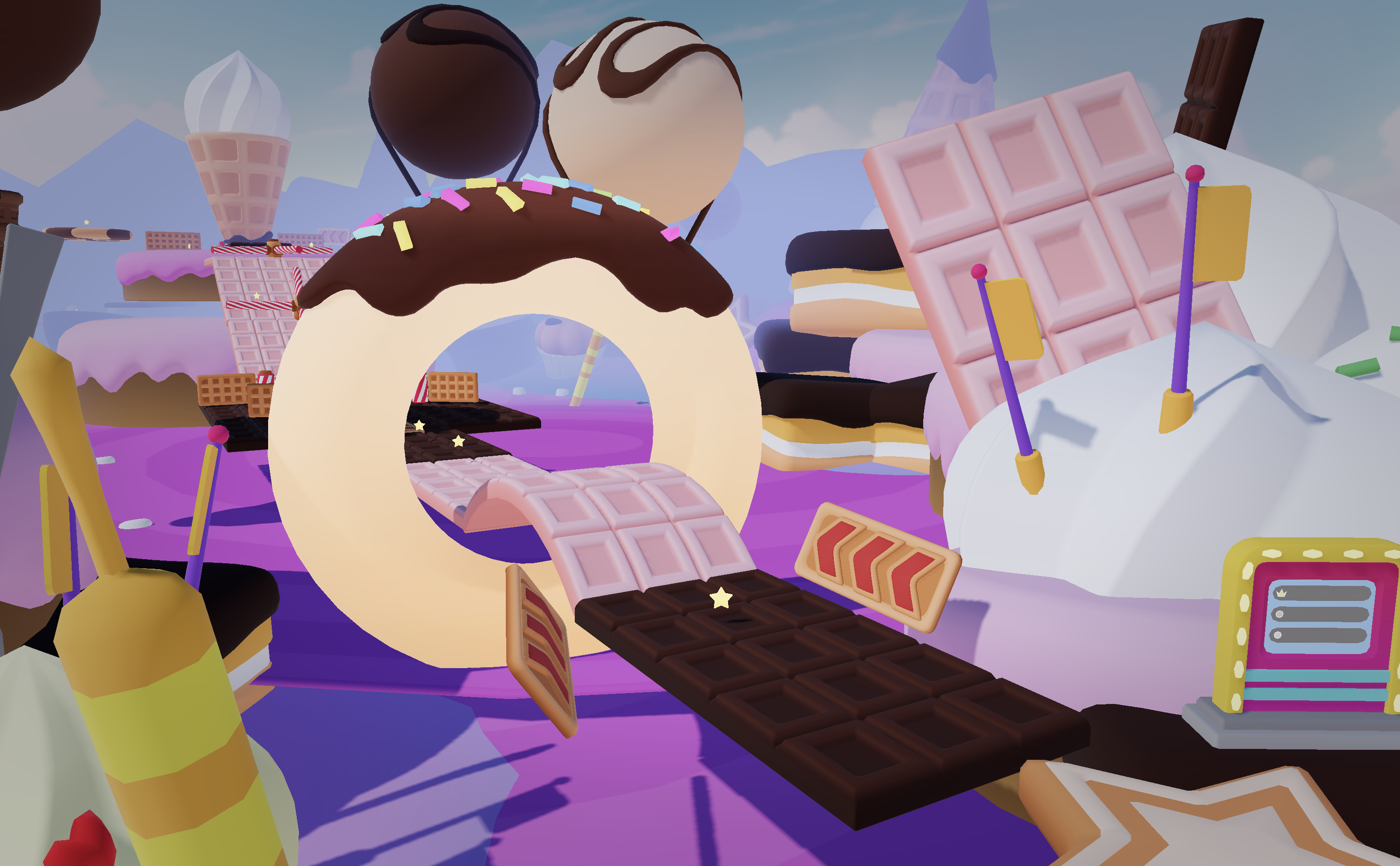
The Craft Model feature lets you create objects from sketches, images, or text prompts, then drag them straight into your world. Once your assets are in place, you can rig and animate them with one click so characters move and interact right away. To add behaviors and interactivity, you use the natural language code editor, called vibe coding, where you simply tell the AI what you want and see working code with real-time 3D feedback.
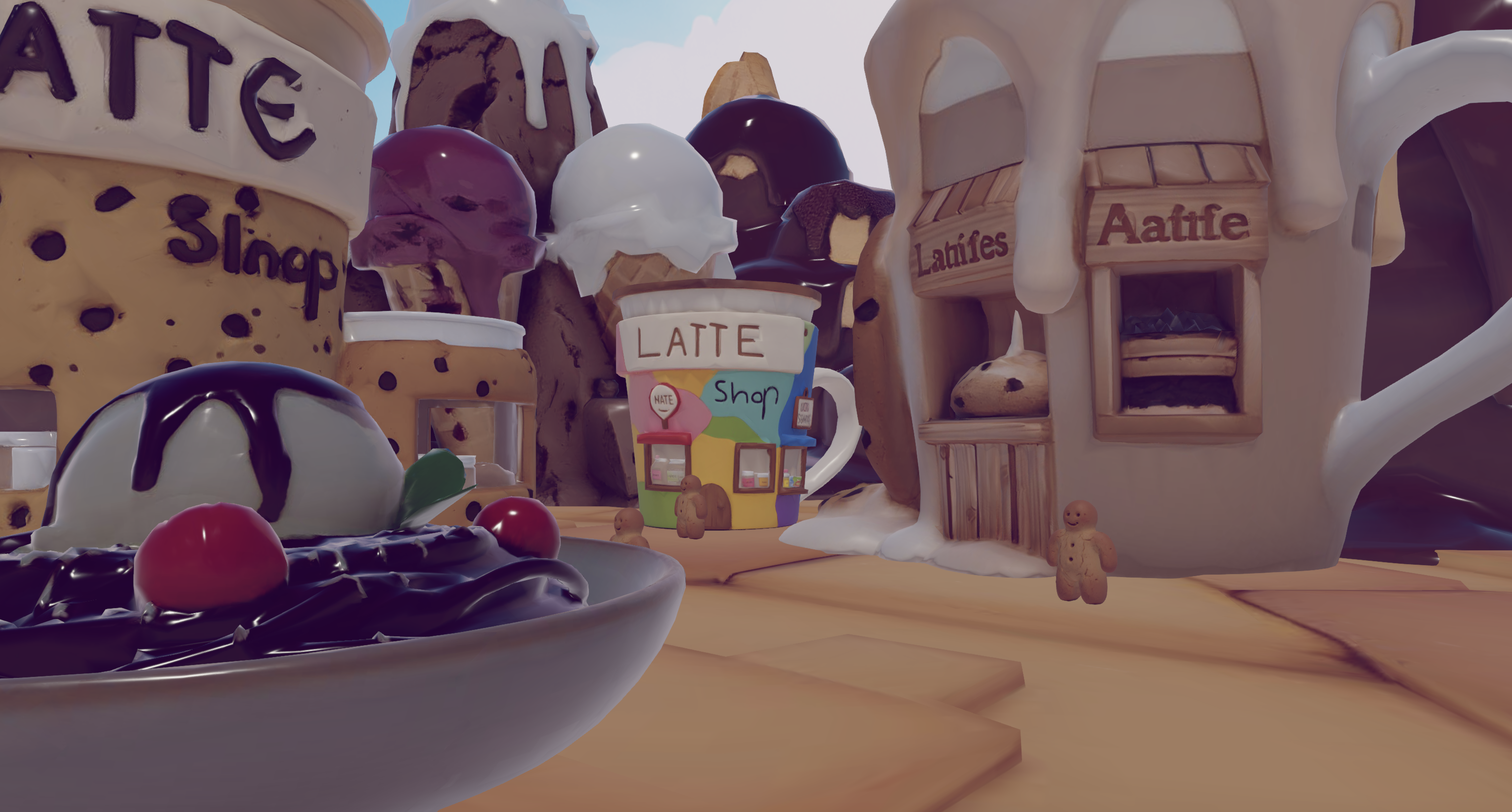
Nilo runs fully in your browser, so you skip downloads and installs. The engine keeps polycount under control so models drop into Roblox Studio and other tools smoothly. Real-time collaboration lets you build with friends just by sharing a link, and the level of detail system automatically reduces detail on far objects to keep performance stable.
You get 1,000 free Nilo Bits each month for AI generation and export. With 93% of builders recommending it to friends and a growing community of 9,000+ Discord members, Nilo focuses on making asset creation feel as fun as playing games. The platform is backed by Supercell and exports to FBX, OBJ, and glTF, so you can move assets into almost any game engine.
Builders report big time savings, like not spending hours on simple 3D models because Nilo can handle them in about 15 seconds. The platform fits especially well when you want rapid asset prototyping and social building sessions with friends.
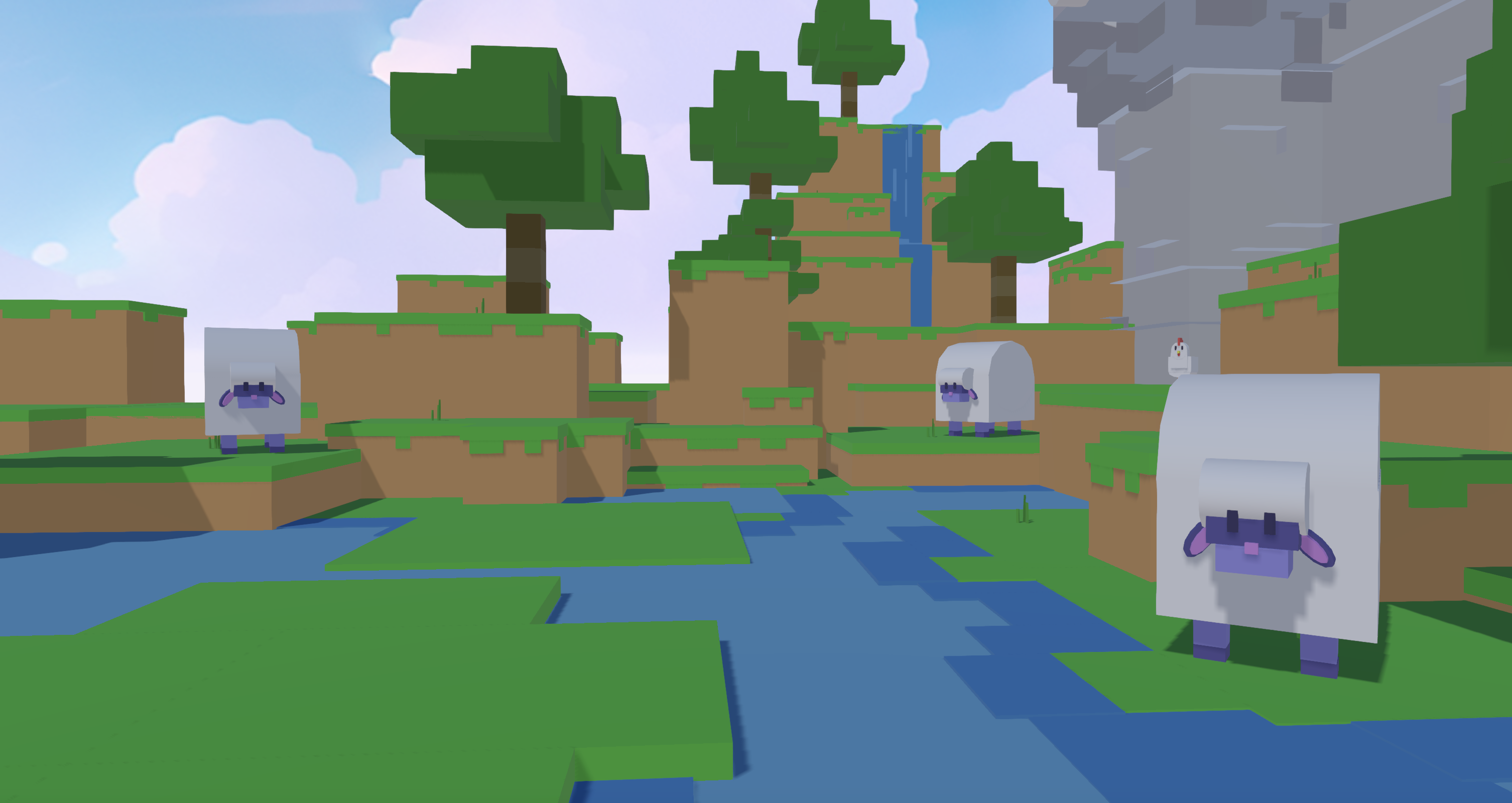
Try Nilo’s AI asset creation and vibe coding in the open beta.
GDevelop: Visual Events With Growing 3D Tools
GDevelop combines visual event-based scripting with newer 3D features that build on its 2D roots. You can run it in your browser or install the desktop version, which gives you flexibility for different setups. Instead of writing code, you connect conditions and actions through visual events to control your game logic.
The open-source platform includes large asset libraries and templates that help you prototype quickly. Its 3D tools support basic 3D worlds, although the system still feels stronger for 2D projects. GDevelop’s free tier includes the core features, and you can add paid services for advanced options and publishing support, plus AI tools like AI Chat and AI Agent that turn natural language into events.
Roblox Studio: Powerful but Script-Heavy Creation
Roblox Studio remains a standard choice for multiplayer worlds, with strong drag-and-drop building tools and a huge asset library. It shines for social experiences and has a massive community that shares tutorials, models, and scripts.
Roblox Studio runs as a desktop app and needs Lua scripting for movement, custom behaviors, and deeper gameplay. You can build basic structures with drag-and-drop, but more advanced gameplay often requires scripting, which can feel frustrating when you are just starting. Its biggest strength is the direct path to publishing on Roblox, where hundreds of millions of players can find your experiences.
GameGuru MAX: Drag-and-Drop Shooters and Adventures
GameGuru MAX focuses on first-person shooters and action adventures with large pre-built asset packs. The desktop app uses drag-and-drop level building, which works well for classic shooter-style maps and linear adventures.
You pay upfront for the platform, but that price includes a lot of content. Basic level design feels approachable, although making unique assets or complex systems usually means bringing in extra tools or learning scripting.
UEFN (Unreal Editor for Fortnite): High-End Fortnite Worlds
UEFN gives you professional-grade tools for Fortnite experiences, with advanced graphics, physics, and lighting. It introduces the Verse scripting language, which aims to be easier than traditional programming, but you still need to learn structured logic and write code.
You must install it on a desktop, and the learning curve is steeper than browser tools. In return, your creations can reach Fortnite’s huge player base, which appeals if you want to invest serious time into learning a deeper tool.
BuildBox: Drag-and-Drop Mobile Game Builder
BuildBox focuses on mobile games with drag-and-drop tools tuned for touch controls. The desktop platform makes it simple to build straightforward mobile titles without writing code, using node-based logic and AI helpers like AI World Generator for levels and assets.
BuildBox works best for simple mobile projects. Its mobile-first design makes it less suited for large 3D worlds or social hangouts that many aspiring builders like you want, even though it can export to web, PC, and consoles.
Flowlab: Browser-Based Visual Scripting for Simple Games
Flowlab runs fully in your browser and focuses mainly on 2D games, with some basic 3D support. You connect behaviors through node-based visual logic, which lets you avoid traditional coding while still controlling how your game works.
The free tier covers core features, and paid plans unlock more advanced tools and publishing to Windows, macOS, Android, and iOS. Flowlab fits classrooms and simple prototypes well, although complex 3D projects usually need much more time and effort.
Side-by-Side Comparison Table
|
Platform |
Browser/Desktop |
AI Integration |
No-Code Method |
Collaboration |
Export Formats |
Free Tier |
Beginner Speed |
|---|---|---|---|---|---|---|---|
|
Nilo |
Browser |
AI-native |
Vibe coding |
Real-time |
Roblox, FBX, glTF |
1K Bits/month |
Minutes |
|
GDevelop |
Both |
Built-in AI tools |
Visual events |
Basic |
Web, mobile, desktop |
Full features |
Hours |
|
Roblox Studio |
Desktop |
None |
Drag-drop + Lua scripting |
Built-in |
Roblox only |
Free |
Days |
|
GameGuru MAX |
Desktop |
None |
Asset placement |
None |
Executable |
Paid only |
Hours |
|
UEFN |
Desktop |
None |
Verse scripting |
Team tools |
Fortnite |
Free |
Weeks |
|
BuildBox |
Desktop |
AI features |
Node-based |
None |
Mobile, web, PC |
Trial only |
Days |
|
Flowlab |
Browser |
None |
Visual scripting |
Basic |
Web, desktop, mobile |
Limited |
Hours |
Nilo’s browser-first design with deep AI support gives you one of the fastest paths from idea to playable prototype. Traditional engines give you more manual control, but you trade that for extra complexity and longer learning time.
Key Considerations for Beginners
Browser-based platforms give you instant access and easy sharing, which helps when you want to test ideas quickly or build with friends. Desktop engines usually bring more advanced tools and stronger performance for very complex projects, but they also demand more setup and learning.
Vibe coding, which uses natural language instead of blocks, often feels more natural than classic visual scripting. Many beginners struggle with scripting, polygon limits, and bouncing between modeling apps and game engines.
Community support plays a huge role in how fast you improve. Platforms with active Discord servers or forums give you feedback, tutorials, and people to build with. The active Discord community mentioned earlier around Nilo shows how social learning can speed up your progress.
Join Nilo’s Discord and open beta to learn and build alongside other creators.
Frequently Asked Questions
What is the easiest 3D game engine to create without coding?
Nilo stands out for beginners because it mixes AI-powered asset generation with natural language programming through vibe coding. You describe the 3D characters, environments, and interactions you want in plain English, and the AI helps you build them. The browser-based setup needs no installation and supports real-time collaboration, which suits aspiring builders like you moving from playing games to creating assets. You can start making playable content in a very short time.
How to make a 3D game without coding?
You get the smoothest start by using AI-native platforms that accept natural language instructions. In Nilo, you sketch or describe objects to generate 3D models, then use the vibe coding feature to add interactivity by telling the AI what each element should do. You drag and drop generated assets into your scene, tweak physics and lighting with visual controls, and invite friends to co-build. When you are ready, you export to platforms like Roblox or share a browser link for instant playtesting.
What is the best free 3D game maker online?
Several tools offer free tiers that let you build real projects. Nilo gives you 1,000 free Bits each month for AI generation plus unlimited basic building. GDevelop provides full core functionality under an open-source license. Flowlab includes basic 3D features in its free plan. Your best pick depends on your goals, with Nilo fitting rapid prototyping and social creation, GDevelop supporting traditional game dev learning, and Flowlab working well for classroom-style projects.
What are the best Roblox Studio no-coding alternatives?
Nilo tackles Roblox Studio’s complexity by giving you browser-based asset creation with automatic Roblox-ready export. You build 3D assets using AI support and vibe coding, then export optimized content straight into Roblox Studio. GDevelop offers a visual scripting path, and UEFN supports high-end experiences, although both need more technical learning. Nilo’s main strength lies in keeping Roblox compatibility while removing most asset creation roadblocks.
Can browser 3D game makers work on low-end PCs?
Modern browser tools use technologies like WebGPU and WebAssembly to run efficiently on many devices. Nilo’s custom engine includes automatic level of detail systems that adjust polygon counts to match device power. This setup helps your games run smoothly even on older or school computers. In general, browser-based tools use fewer system resources than heavy desktop engines such as Unity or Unreal.
What is the difference between AI-powered and drag-and-drop game creation?
AI-powered creation uses natural language or sketches to generate models, animations, and logic for you. Drag-and-drop systems ask you to place pre-built pieces by hand. AI tools like Nilo can create custom 3D content and behaviors from your descriptions, which opens up more unique ideas. Drag-and-drop tools feel more predictable, but keep you limited to the assets they ship with. AI platforms fit rapid prototyping and fresh content, while drag-and-drop tools support structured learning and consistent results.
Conclusion: Picking Your First 3D Game Maker
Browser-based AI platforms like Nilo point toward a future where 3D game creation feels as immediate as playing. If you are ready to move from player to creator, these tools remove many old barriers while still teaching real game development through fun, social building sessions.
Build your first world in Nilo today and see how far AI can take your ideas.
