
Key Takeaways for Rec Room Builders
-
Rec Room shuts down on June 1, 2026, so you need to export your rooms and inventions through the Steam PC build before servers go offline.
-
Exports use standard 3D formats like glTF and FBX, which you can bring into platforms such as Nilo, Roblox, Unity, or VRChat, although server-based features will not transfer.
-
Browser-based AI platforms use text-to-3D, sketch-to-3D, and natural language coding so you can build worlds much faster. In Nilo, builders report 93% recommendation rates and around 20x faster modeling when using their AI tools, which support real-time collaboration and automatic performance tuning.
-
Try Nilo’s open beta to experiment with AI-native creation and start moving your Rec Room worlds into a browser workflow.
Rec Room Closed: What That Means for You
Rec Room’s closure shows how hard it is to run a VR-first social gaming platform at scale. Even after reaching 150 million players and a $3.5 billion peak valuation, the business struggled because creator content kept only a small share of each dollar after store fees and payouts. Layoffs in 2025 cut staff by more than half, and the company stepped back from its cross-platform vision.
At the same time, Meta shifted focus from VR to AI after over $80 billion in Reality Labs losses and around 700 job cuts. This pullback across the VR market opens space for browser-based platforms that avoid expensive headsets and complex setups.
Browser creation platforms now feel like the natural next step for builders like you. They use WebGPU and WebAssembly to deliver console-style 3D in the browser, while AI tools remove many of the technical hurdles that slowed Rec Room building. On a Nilo February 2026 Survey, for example, 93% of builders say they would recommend the tool, and many describe finishing work in seconds that used to take hours in traditional modeling software.
Other platforms offer different trade-offs. VRChat focuses on social VR hangouts with avatars and live presence via VR. Roblox centers on game creation but expects you to learn Lua for custom behavior. Browser-based AI platforms sit in the middle for aspiring builders or already builders like you, who want Rec Room-style building without VR hardware or deep programming.
A Practical Migration Guide for Rec Room Builders
Rec Room’s shutdown needs a clear migration path. Here are four stages: export your data, clean and prepare assets inside new platforms, rebuild your worlds with AI-native tools, then playtest and share your new versions.
To migrate successfully, you need to understand two core ideas. First, world import means you move your assets, room layouts, and creative concepts to new platforms using standard 3D formats like glTF and FBX. These formats keep your geometry and materials readable so other engines can use them, even though server-based logic will not come along.
Second, AI-native creation changes how you build. Instead of modeling everything by hand, you describe what you want with text, quick sketches, or natural language code instructions, and the AI generates 3D content and behaviors for you.
The migration timeline is tight. Export tools remain available only until June 1, 2026, when all online services shut down. Start planning your migration in Nilo’s open beta so you can test AI-native creation while your Rec Room data is still accessible.
-
Download your Rec Room data through the Steam PC build before June 1, 2026. This gives you room and invention data you can reuse elsewhere, although server-based logic and full room behavior will not come through.
-
Assess your exports and your goals. Decide which rooms, props, and mechanics matter most to you. Browser-based platforms shine at quick experiments, so you can try several approaches to rebuilding your favorite experiences without a long setup.
-
Choose platforms that match your comfort level and how you like to collaborate. AI-native tools such as Nilo run in the browser, so you can start building with text prompts and sketch-to-3D flows right away. Automatic LOD handling keeps your new worlds smooth across devices, and simple export buttons help you bring content into other engines when you are ready.
-
Finally, create a short checklist for yourself. Include asset formats such as FBX and glTF, collaboration tools like Discord for team sessions, and export tests into your target platforms. The strong recommendation rates mentioned earlier show that the right AI-native tools can remove many migration headaches.
Core Pieces of an AI-Native 3D Creation Workflow
AI-native platforms reshape the classic 3D pipeline with a set of connected components that solve many Rec Room pain points. Asset generation uses text-to-3D and sketch-to-3D tools so you can describe or draw an idea and receive a usable 3D model in seconds instead of wrestling with complex modeling software. World building then combines drag-and-drop imports with procedural tools so you can adjust environments, lighting, and physics live in the browser.

Once you have a basic world, you need it to react to players. Interactivity comes through vibe coding, which means you tell the AI what you want objects to do in plain language instead of writing scripts. This approach removes the scripting wall that stopped many Rec Room builders from adding real game mechanics. As you create richer scenes faster, performance matters more, so automatic level-of-detail systems adjust polygon counts for each device and keep your worlds running smoothly.
Export compatibility keeps your work portable. Modern AI-native tools export to formats like FBX and glTF, so you can bring your creations into Roblox, Unity, VRChat, and other engines where former Rec Room builders now gather. This multi-platform mindset helps you avoid the kind of lock-in that kept Rec Room content trapped.
Nilo builders report that tasks which took hours in older tools now finish in seconds, and 82% rate the overall experience as “Awesome” or “Good.” Real-time collaboration lets you invite friends by sharing a link, so you can rebuild that Rec Room-style social building flow without relying on a single company’s servers.
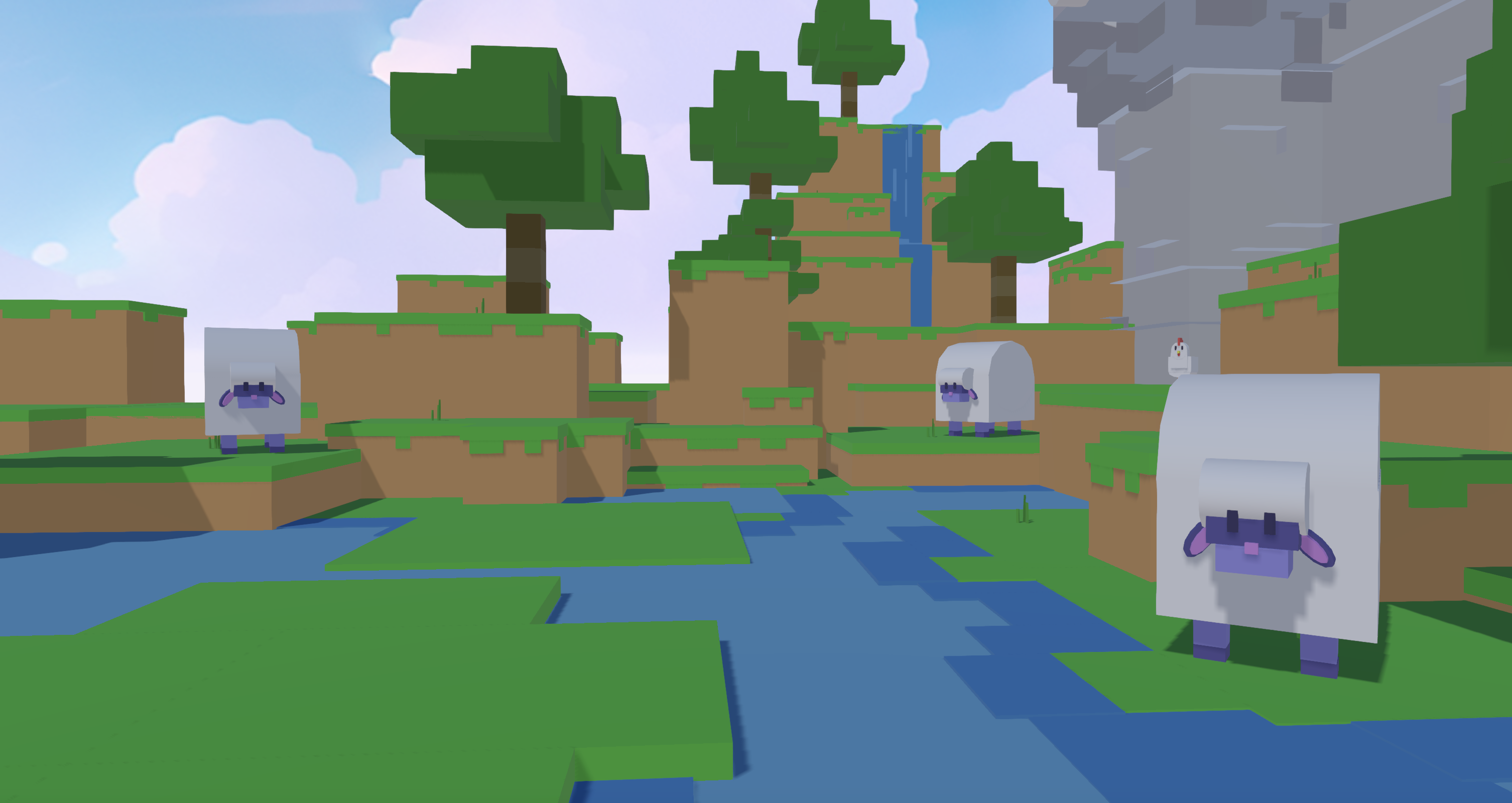
Test Nilo’s text-to-3D and vibe coding tools in the open beta to see how this AI-native workflow compares to your Rec Room building routine.
Smart Trade-offs When Leaving Rec Room for Browser Platforms
Moving away from Rec Room means choosing between clear trade-offs. You gain browser accessibility and lose some VR immersion, gain AI speed and give up some manual control, gain platform freedom and sometimes give up specialized features.
Browser platforms remove headset requirements and install friction, which opens creation to more people in the Rec Room community who only have laptops or desktops. At the same time, you give up hand-tracking and spatial gestures that made building feel physical.
Platform portability becomes a key priority after Rec Room. Browser tools that export to glTF and FBX, like Nilo, let you move your creations between Roblox, Unity, VRChat, and future platforms.
The social side of building also changes. Rec Room gave you voice chat and avatars in the same space by default. Browser platforms often pair in-editor collaboration with Discord or similar tools. Real-time multiplayer building through shared links can still feel collaborative, even when everyone joins from different devices without matching VR setups.
Common Pitfalls and How You Can Avoid Them
Many builders wait too long to export. Avoid that trap. Once servers shut down, you cannot recover full room behavior, so focus on saving assets and layouts now instead of expecting a perfect one-click recreation later. Use your remaining time in Rec Room to grab references and screenshots while you still can.
Another pitfall appears when you try to treat AI-native tools like classic modeling software. These platforms work best when you lean into natural language prompts and quick iterations instead of trying to control every detail from the start. Builders who embrace this style usually see the biggest productivity gains.
You can also protect yourself from future shutdowns by choosing tools that export to standard formats. Rec Room’s end shows how risky closed ecosystems can be. Prioritize platforms that let you move your work freely between engines and publishing sites.
Performance surprises cause problems too. Rec Room’s server-side optimization does not come with your exports, so you need tools with automatic LOD systems. These systems help your rebuilt worlds meet limits such as Roblox’s triangle caps while still looking good on a range of devices.
FAQ
How do I export my Rec Room worlds before the shutdown?
You export room and invention data through the Steam PC build using the instructions on Rec Room’s Zendesk support page. The export gives you data you can use to recreate rooms in other places, such as standalone Unity projects, but it does not include full server behavior. Export tools stay available until June 1, 2026, when Rec Room’s servers go offline permanently.
What file formats work best for importing Rec Room content to other platforms?
Use FBX and glTF for the widest compatibility with Roblox, Unity, VRChat, and browser-based tools. These formats keep your geometry and basic materials intact and work with most modern engines. Avoid formats that only one tool understands, since those can trap your work again.
Which browser alternatives can replace Rec Room’s building experience?
AI-native browser platforms come closest to Rec Room’s social building flow without needing VR gear. They mix real-time collaboration, natural language coding, and automatic optimization so you can build and share quickly. Look for platforms that support multiplayer building sessions and export to standard 3D formats.
Do I need VR equipment to continue building after Rec Room shuts down?
You do not need VR equipment. Browser-based creation platforms run on regular computers and use WebGPU and WebAssembly to power 3D scenes. That means you can keep building, collaborating, and sharing with just a laptop or desktop.
Can I recreate full Rec Room experiences in other platforms?
You can rebuild assets, layouts, and many core mechanics, but complex networking and some interactive systems will not transfer directly. Focus on your visual style and main gameplay ideas, then rebuild interactions with your new platform’s tools. AI-native platforms help here by letting you prototype new versions quickly.
How do I import Rec Room assets into Roblox or Unity?
First, run your exported assets through tools that handle automatic LOD so they meet platform limits. For example, Roblox caps meshes at 10,000 triangles per mesh, while Unity gives you more room. After optimization, import the FBX or glTF files into the editor for your target platform. Browser-based optimization tools can automate much of this work.
What is the fastest way to rebuild Rec Room worlds using AI tools?
Start with text-to-3D to recreate basic props and environments, then use sketch-to-3D for more specific shapes. Add behavior with natural language programming instead of traditional scripts. Builders often see around 20x faster modeling this way, finishing work in seconds that used to take hours.
Conclusion and Your Next Moves
The June 1, 2026 shutdown date means you need to act now to protect your Rec Room creations and move toward more stable platforms. Export your data through Steam, try browser-based AI tools that remove hardware barriers, and connect with other builders who are going through the same shift.
Browser-based creation points toward a future where you get Rec Room’s social feel plus AI speed and cross-platform freedom. The strong support from builder communities shows that post–Rec Room tools can deliver a better creation experience without the business pressures that hurt Rec Room.
Begin your migration in Nilo’s open beta and see what you can build when AI-native tools meet the creativity you already bring from Rec Room.
