
Key Takeaways
-
Vibe coding uses natural language prompts to generate editable code and instant 3D game worlds, so you skip traditional scripting.
-
Andrej Karpathy coined the term in 2025, and vibe coding lets you iterate quickly through chat refinements and real-time physics testing.
-
The process follows a clear loop: describe ideas, let AI generate, test, refine, then export to platforms like Roblox.
-
Tools like Nilo give you browser-based 3D prototyping, multiplayer collaboration, and smooth exports if you are an aspiring builder or already building games.
-
Experience vibe coding today by starting your first project in Nilo’s free beta and building 3D games directly in your browser.
Vibe Coding Explained for Game Creators
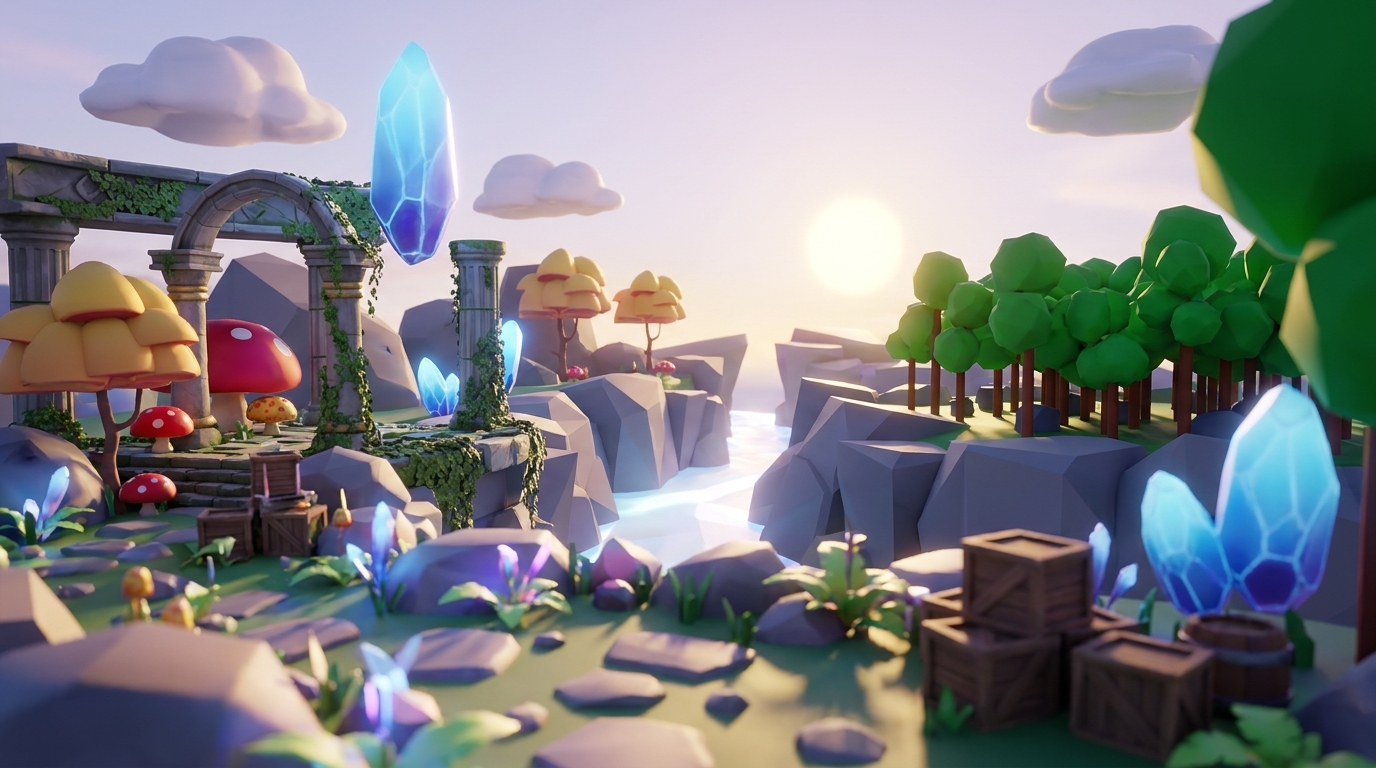
Vibe coding represents a fundamental shift in how you build games. You skip learning programming languages and instead talk to AI with natural language prompts, using voice, text, or images to create interactive 3D worlds.
This approach differs from traditional game development in four key ways:
-
Natural language prompts, where you describe casually what you want, like “jumping platformer” or “snake game eating apples.”
-
Iterative refinement, where you chat with AI to improve your game, saying things like “make jumps higher” or “add more obstacles.”
-
AI-generated code, where you receive editable, real-time code that you can read, tweak, and learn from.
-
Game-focused output, where you get instant 3D worlds with working physics instead of just text or static images.
Andrej Karpathy, former OpenAI research scientist, coined the term “vibe coding” in a February 2025 tweet. He described it as a way to “fully give in to the vibes, embrace exponentials, and forget that the code even exists.” The idea spread quickly in 2026 as browser-based game engines made this style of building accessible to millions of aspiring builders or already builders like you.
The word “vibe” captures the casual, intuitive feel of the process. Instead of worrying about strict code syntax, you focus on the feel and mechanics you want, and you let the AI handle the technical details.
How Vibe Coding Works: Step-by-Step Guide
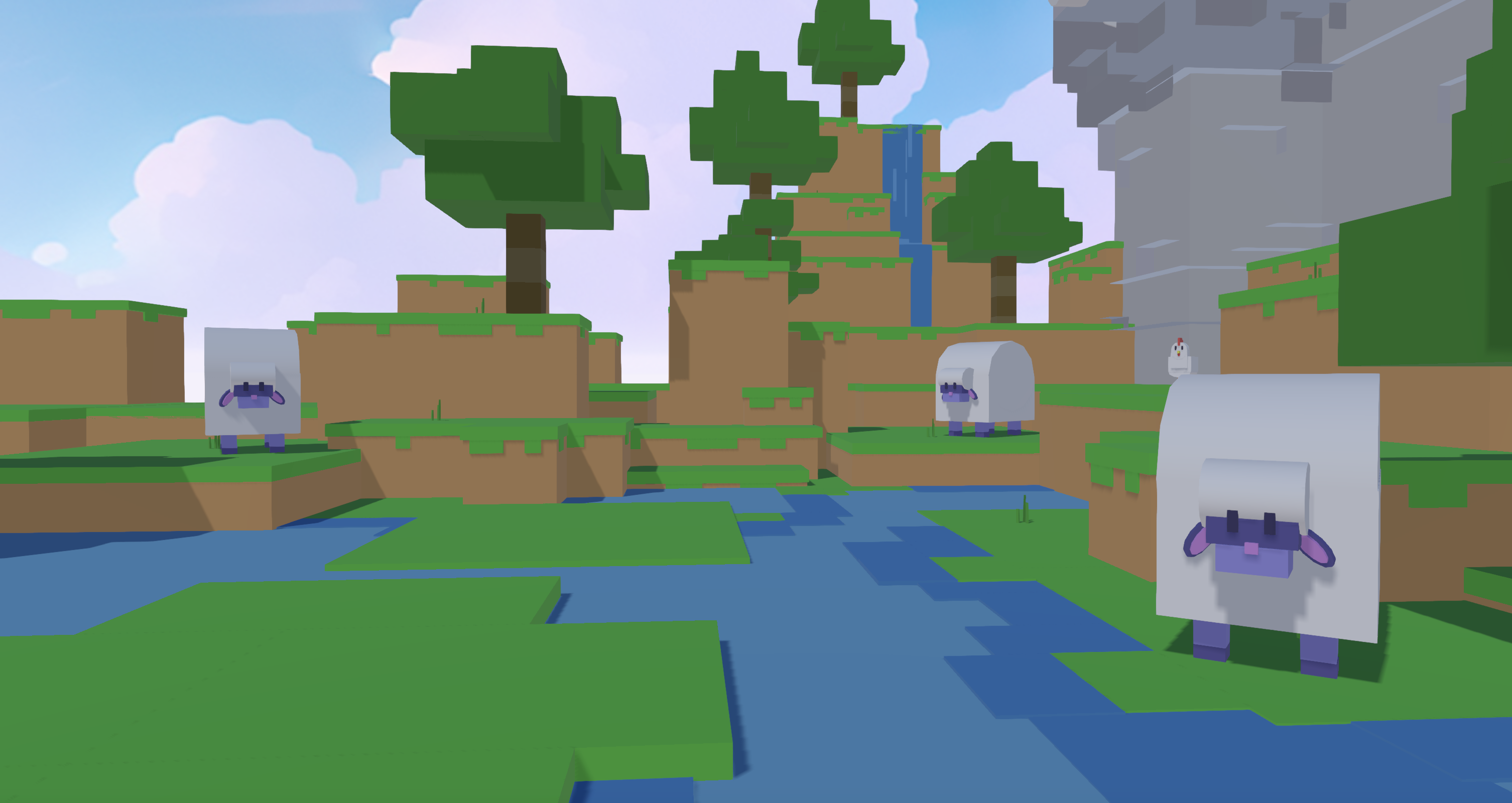
Vibe coding follows a simple loop that feels more like playing a game than writing code.
-
Describe your idea, for example, “Make a jumping platformer with moving obstacles.”
-
Let AI generate the code and world, then watch your 3D environment appear with working mechanics.
-
Test in real-time, jumping in to play with full physics simulation to see if the mechanics feel right.
-
Refine through chat, asking for changes like “make the jumps higher” or “add more platforms.”
-
Edit variables directly, changing values such as speed=20 or gravity=15 in the visible code.
-
Collaborate and share, inviting friends to build with you or exporting to other platforms.
You can think of this as “View Source on steroids, but for games.” You see the code behind your 3D world and can modify it directly. You learn programming concepts by experimenting with real projects instead of reading abstract tutorials.

Security still matters, and you stay in control. You can review and edit all generated code, so you always know what runs in your game. Platforms like Nilo keep variables transparent and editable, which lets you keep creative control while still getting help from AI.
The advantages for game creation feel huge. Work that once took weeks of learning scripting now happens in minutes of conversation. To see this speed advantage in action, you can look at concrete examples of what vibe coding lets you build.
Vibe Coding Examples and Game Walkthroughs
Vibe coding supports many kinds of projects, from simple tools to full 3D games. You might start with a utility like “create a chatbot that answers questions about space,” but games usually feel more exciting.
Here is a practical Roblox-style example. You start with a prompt like “jumping cube that chases the player around platforms.” The AI generates a 3D world with a cube character, player controls, and chase mechanics. You then refine it by saying “make the cube faster” or “add more platforms,” and finally you export the optimized FBX file directly to Roblox Studio.
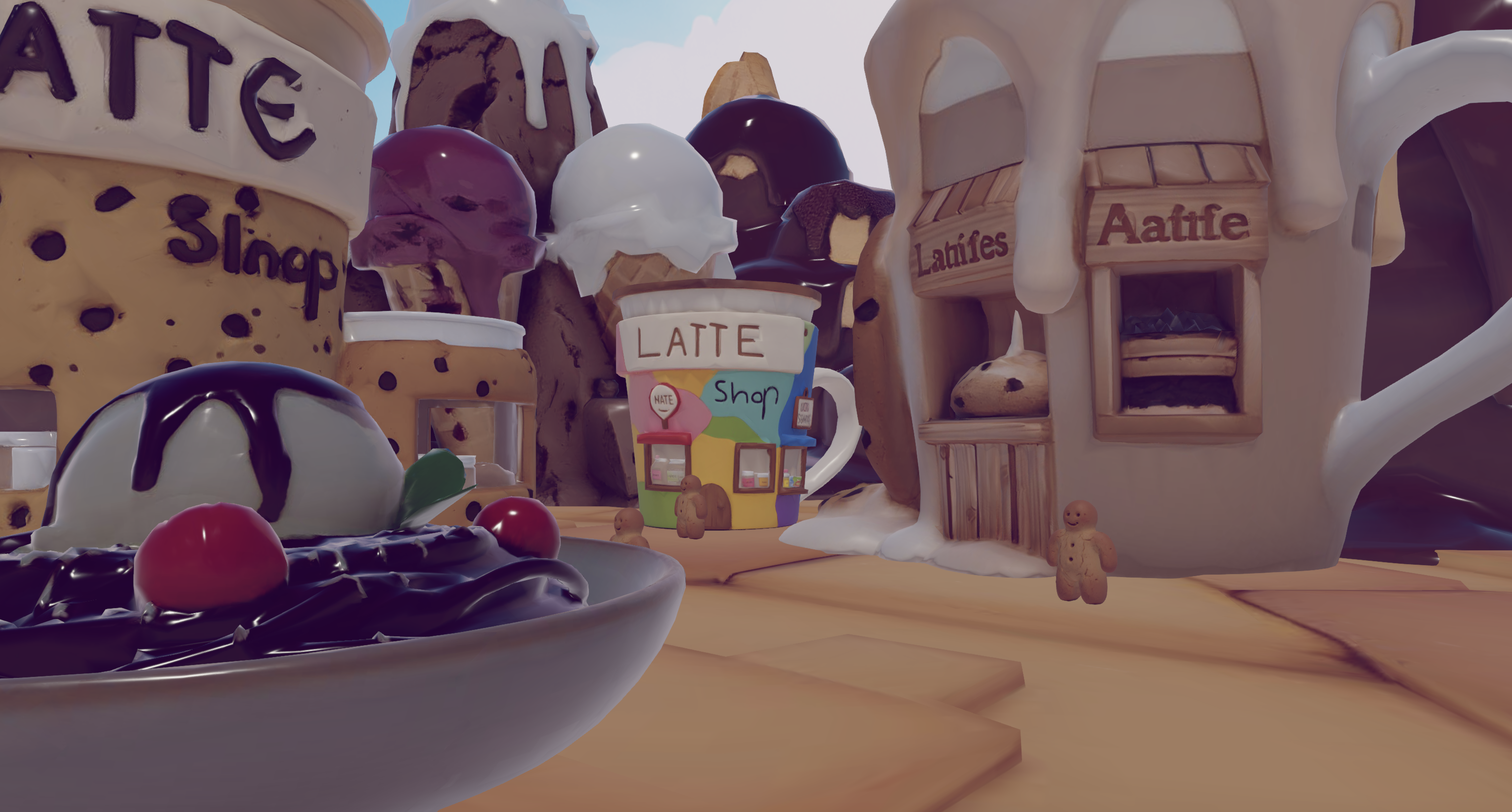
This workflow feels very different from other tools. Rosebud AI lets you generate games from prompts, but you lose the hands-on 3D iteration in the browser. Replit supports general coding with built-in hosting, but it does not give you a browser-based 3D engine for instant game playtesting.
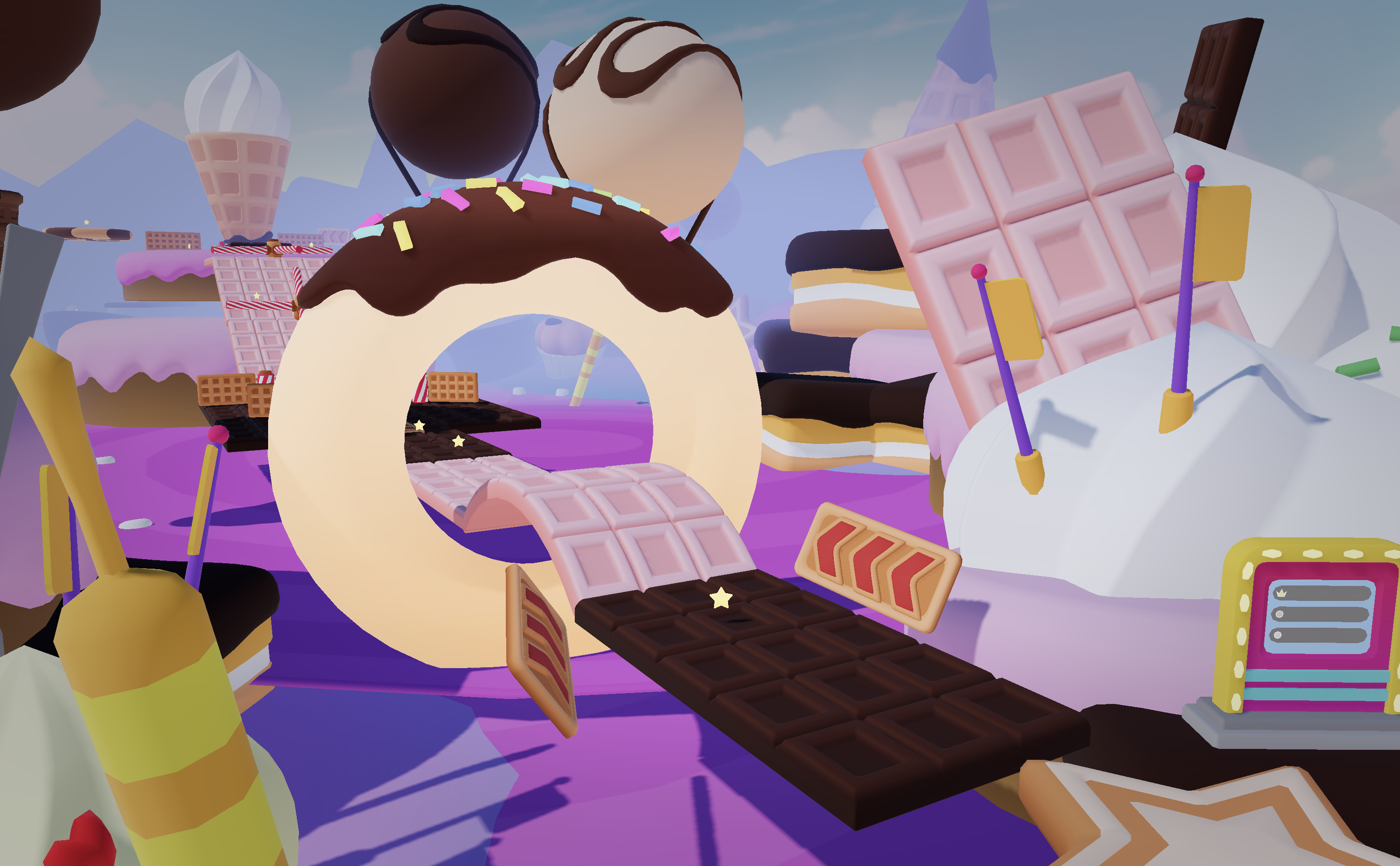
Nilo demonstrates this process with obby creation, showing how natural language prompts turn into playable 3D worlds in seconds. You can watch platforms spawn, add physics, and invite friends to test, all inside your browser.
How To Choose Vibe Coding Tools for Games in 2026
When you compare vibe coding tools for 3D game creation, focus on a few clear criteria. Check whether the tool gives you real-time 3D feedback, supports exports to other platforms, allows collaborative building with friends, and feels intuitive when you talk to it in natural language.
Nilo stands out for 3D builders because it runs in your browser and uses a natural language editor that generates instant logic and physics. Since the whole workflow lives online, you can invite friends to join your project and build together in real time. When you want to share your game more widely, you can export directly to Roblox, which helps explain why 93% of builders say they would recommend it in a Nilo February 2026 Survey. This smooth flow from idea to multiplayer testing to export relies on features like sketch-to-3D generation, one-click rigging and animation, and automatic level-of-detail adjustments that keep your creations working across different platforms.
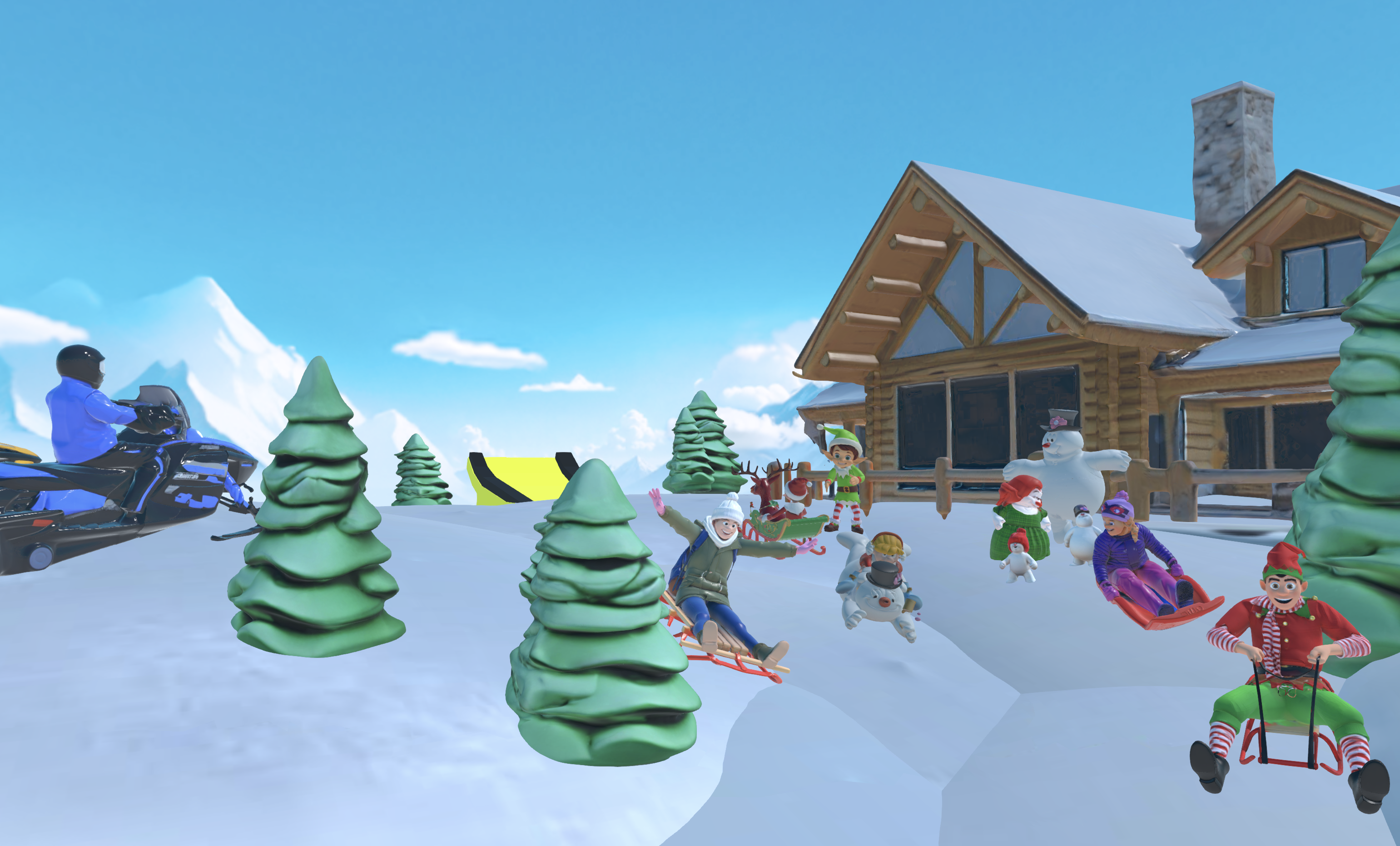
Nilo also feels like a game engine built for play. One builder said on the survey, “You made me enjoy vibe-coding. The code assistance works almost flawlessly, other experiences have just been frustrating at best.” The experience feels closer to building inside a game than using a heavy development tool.
Other tools fit different goals and workflows.
Replit gives you a full browser-based coding environment with hosting and deployment. It works well for general software projects, but it does not include a specialized 3D game engine for instant physics testing.
Rosebud AI focuses on generating games from prompts and returning a finished result. You describe a concept and receive a complete game, but you miss the step-by-step, collaborative building process that many creators enjoy.
Roblox Studio stays powerful for experienced developers and large projects. It runs on desktop, expects Lua scripting knowledge, and takes time to learn. The learning curve often frustrates aspiring builders or already builders like you who want to focus on creativity instead of syntax.
Your choice should match your goals. If you want rapid 3D prototyping with friends in a browser, a platform like Nilo fits well. If you prefer traditional workflows with deep scripting control, tools like Roblox Studio give you that power at the cost of speed and accessibility.
Is Vibe Coding Good for You? Pros and Tradeoffs
Vibe coding gives you several clear advantages when you build games.
Speed advantages feel dramatic, because projects that once took weeks now come together in minutes. Accessibility improves because you skip learning Lua scripting or mastering Blender’s interface before you can start. The process feels fun and social, more like playing games with friends than grinding through tutorials. You also learn while creating, since you see how code variables change game behavior in real time.
Platforms like Nilo try to reduce common worries by offering real-time error correction, clean topology generation, and an active community. The key is choosing tools that give you AI help while still letting you understand and change the generated code.
Try Nilo’s open beta to see how AI assistance and your own creative decisions can work together in practice.
Try Vibe Coding in Nilo: Quick Start Flow
You can experience vibe coding firsthand in just a few minutes.
Open play.nilo.io in your browser, with no downloads or installs. You receive 1000 free Nilo Bits each month for AI generation and exports. Start with a prompt like “snake game where the snake eats apples and grows longer,” then watch a playable 3D world appear with working mechanics.
After that, experiment with refinements such as “make the snake faster” or “add obstacles.” Share your project link with friends so they can join and build with you in real time. When you feel happy with the result, export your creation as FBX, OBJ, or other standard formats for Roblox Studio, Unity, or any 3D software.
This workflow highlights Nilo’s main strengths. You get speed, often around 20 times faster than traditional modeling. You keep creative control, because you see and adjust everything instead of relying on random AI outputs. You enjoy a seamless flow, since one tool carries you from first idea to final export.
82% of builders surveyed by Nilo rated their experience as “Awesome” or “Good,” with comments like “Best for builders, omfg, good work on this.” The 9,000+ person Discord community gives you support, inspiration, and collaboration partners as you grow your skills.
Vibe Coding Future and FAQ
The future of vibe coding looks more capable every year. Model-agnostic platforms like Nilo improve automatically as AI models advance, so you keep getting better results without switching tools or learning new interfaces.
Who coined the term “vibe coding”?
As mentioned earlier, Karpathy introduced the term in February 2025 to describe building software by focusing on intent instead of traditional programming syntax.
Can ChatGPT do vibe coding?
ChatGPT can generate code from natural language prompts, but it does not provide real-time 3D feedback or a built-in game engine. For immediate physics testing and collaborative building, you need specialized vibe coding platforms.
How does vibe coding compare to traditional programming?
Vibe coding focuses on intent and fast iteration instead of deep syntax mastery. It feels more social and visual, with instant feedback, while traditional programming still offers more detailed control for very complex systems. Many builders switch between both styles depending on the project.
Is vibe coding safe and secure?
Safety depends on you reviewing and understanding the generated code. Quality platforms show you exactly what runs and let you edit it. Always check AI output carefully, especially for projects that use user data or go public.
What is the future of vibe coding?
You can expect deeper integration into mainstream development tools, stronger AI models that produce more reliable code, and more specialized platforms for areas like games, web apps, and mobile experiences.
Vibe coding opens game development to anyone with imagination and curiosity. Platforms like Nilo show that building games can feel as joyful as playing them. Start building in Nilo’s beta to discover what you can create when technical barriers disappear, then connect with 9,000+ builders in the Discord community and turn your ideas into playable worlds.
