
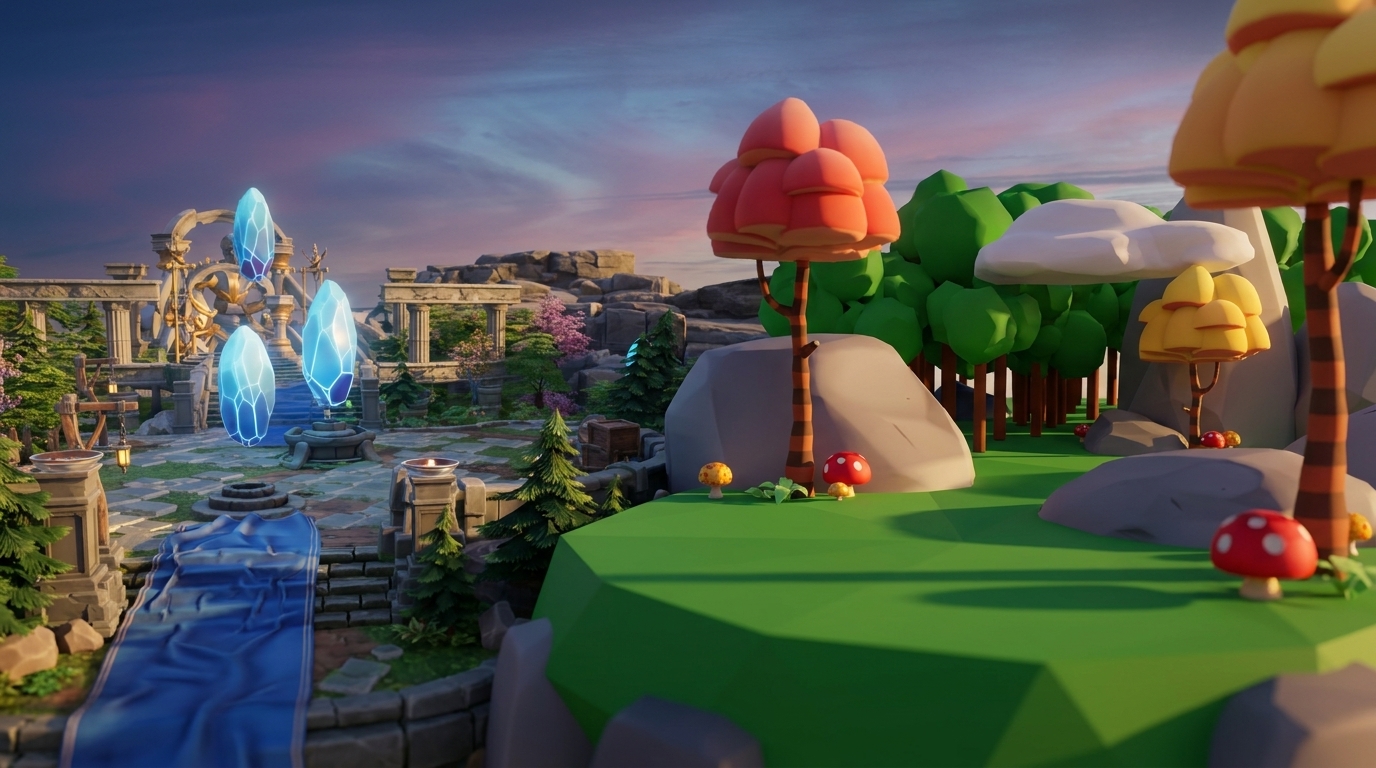
Key Takeaways for Vibe Coding Games
-
Vibegame Engine is an experimental GitHub project for vibe coding 3D games with natural language, but it lacks browser performance, collaboration, and export features you need for real projects.
-
Vibe coding lets you describe game mechanics in plain English, with AI generating code and real-time 3D feedback, which can transform how you build indie games.
-
Nilo stands out from Vibegame with browser-based access, custom C++ physics, real-time collaboration, and exports to Roblox and Unity.
-
You can build complete games in Nilo using AI asset generation, one-click rigging, vibe-coded interactions, multiplayer testing, and exports tuned for performance.
-
Start building production-ready games with vibe coding for free in Nilo’s open beta.
Vibegame Engine as an Experimental Starting Point
Vibegame engine is an experimental GitHub project for vibe coding 3D games via natural language. It still lacks browser performance, collaboration features, and export capabilities that real game development requires.
The original vibegame concept grew out of the broader vibe coding movement, where you describe game mechanics in natural language instead of using traditional programming syntax. The dylanebert/VibeGame repository showed that this idea works, but the project stays code-heavy and tough for beginners.
Experimental repositories usually fall short because they focus on proof-of-concept over polish. This gap opens space for platforms that keep the vibe coding idea but build it on top of a solid game engine.

How Vibe Coding Works for Game Builders Like You
Vibe coding changes game development through natural language interfaces. You skip complex programming syntax and instead say what you want, like “make the player jump when touching this object” or “add physics to this character,” and the AI generates working code with real-time 3D feedback.
This approach fits how many indie developers already use AI tools for game development. The technology supports rapid iteration, so you can tweak variables like “speed=20” directly in the code editor and see instant changes in your 3D world.
This hands-on control turns the process from passive prompting into active creation. As one builder said in a Nilo February 2026 Survey, “You made me enjoy vibe-coding”, which shows how the right setup makes programming feel creative instead of purely technical. The key is combining AI help with direct control, so you shape the experience instead of only asking for results.
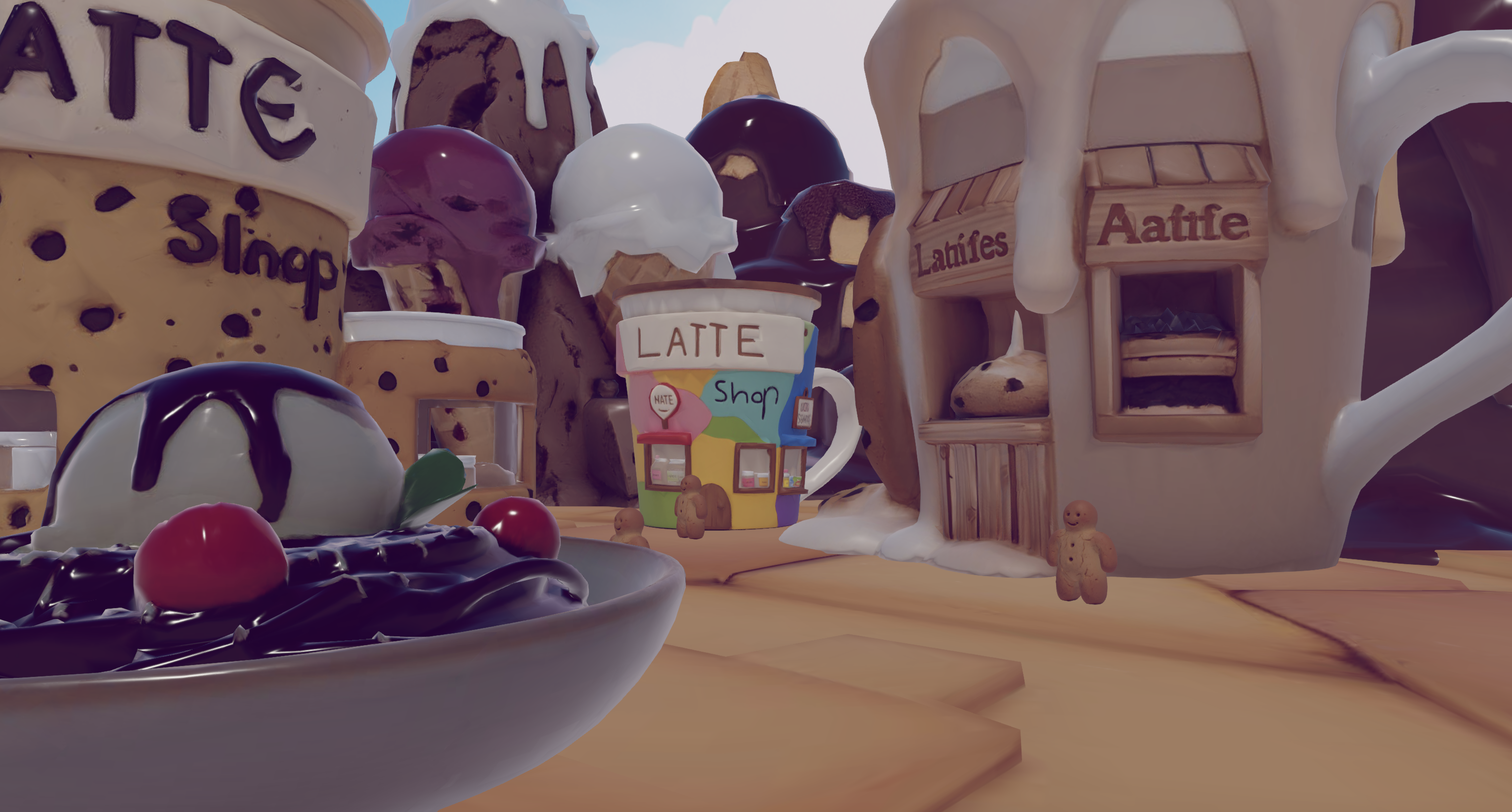
Vibegame Engine vs. Nilo for Vibe Coding
Looking at experimental Vibegame next to production-ready tools helps you see what you gain when you move to a full engine:
|
Feature |
Vibegame Engine |
Nilo |
|---|---|---|
|
Platform Access |
Browser-based, no installation |
|
|
Export Capabilities |
Limited |
FBX, OBJ, STL, glTF to Roblox/Unity |
|
Collaboration |
Single developer |
Real-time multiplayer building |
|
Community Support |
Limited GitHub issues |
9,000+ Discord members |
|
Performance |
Experimental prototype |
Custom C++ physics engine |
|
User Satisfaction |
Untracked |
93% would recommend (Feb 2026 survey) |
Other platforms like Rosebud AI let you generate games straight from prompts, and Roblox Studio gives you deep control but needs installs and scripting skills. Nilo stands out by combining the ease of vibe coding with the strength of a real game engine.
The platform focuses on the engine foundation first and then adds AI co-pilot features that support your hands-on creation instead of replacing it.
Step-by-Step: Build a Vibe-Coded 3D Game in Nilo
This simple workflow shows how Nilo turns vibe coding into a full production pipeline.
1. Access the Platform: open play.nilo.io in any browser. You skip downloads and installations, and the platform runs on custom WebAssembly tech that targets console-style performance.
2. Generate Your Assets: use text prompts, sketches, or images to create 3D models through integrated AI providers like Meshy and Tripo. The platform automatically adjusts polygon counts so your game runs smoothly.

3. Rig and Animate: once you have your models, bring them to life by rigging and animating characters with one click from text descriptions. Work that usually takes days in pro software happens in seconds.
4. Vibe Code Interactions: describe game mechanics in natural language, such as “make the player jump when touching this platform” or “add collision physics to this object.” The AI generates working code while you watch real-time feedback in the 3D scene.
5. Collaborate and Test: share your world link with friends so you can build together in real time. You test gameplay mechanics right away without dealing with complex deployment steps.
6. Export and Publish: download FBX files tuned for Roblox’s polygon limits, or export to Unity, Blender, and other platforms. Builders surveyed reported feeling “20x faster” than with traditional workflows.
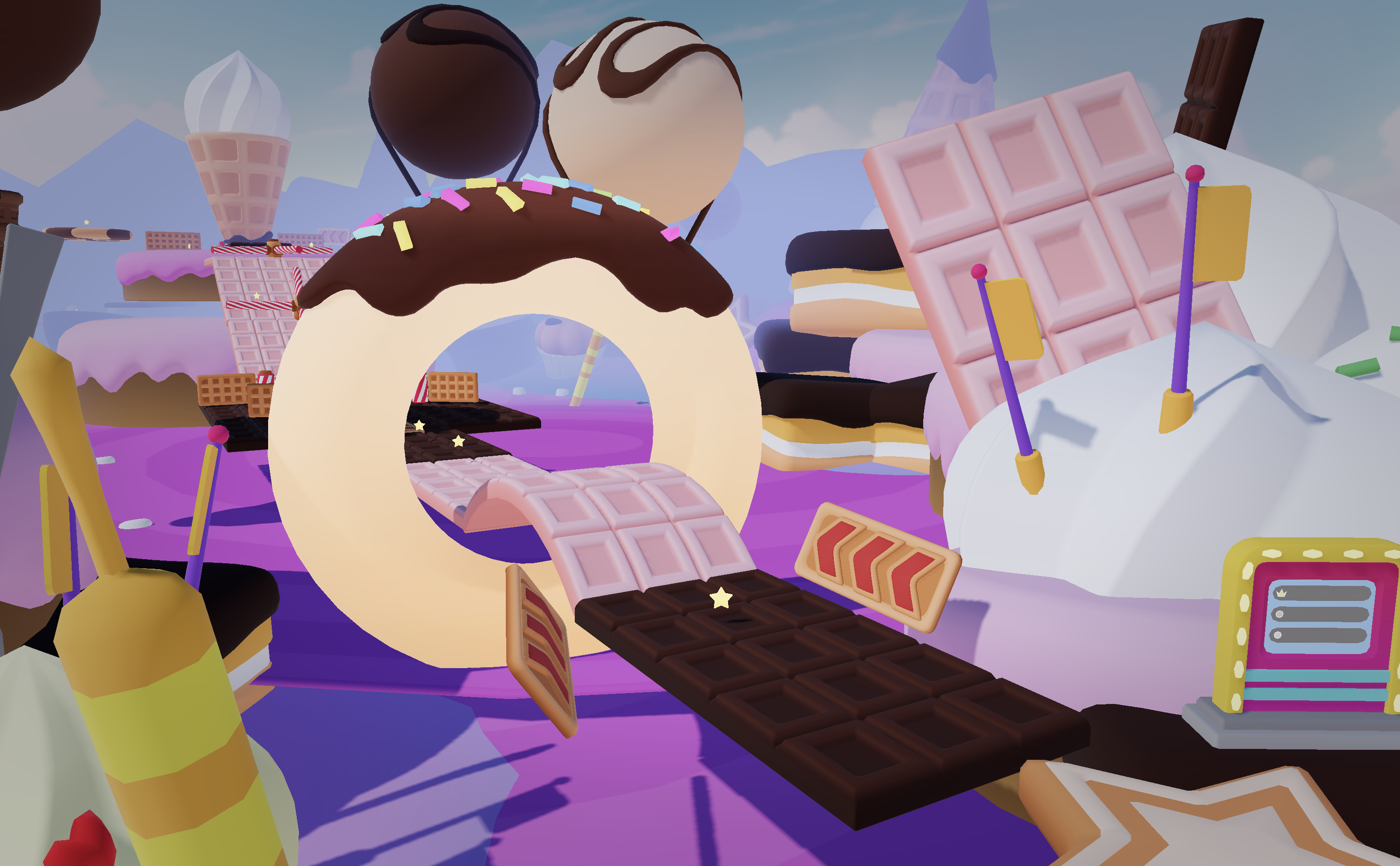
This Nilo UGC demonstration walks through the full journey from idea to playable game and shows how vibe coding becomes practical once you have a strong engine underneath.
Experience this streamlined workflow yourself and start building in Nilo’s open beta for free.
Why Nilo Fits Aspiring Builders Like You
Nilo stands out in vibe coding because it mixes flexible AI, a strong engine, and an active community. Its model-agnostic AI setup pulls from multiple providers such as Meshy, Tripo, and Cartwheel, so you get high-quality generations without jumping between different tools.
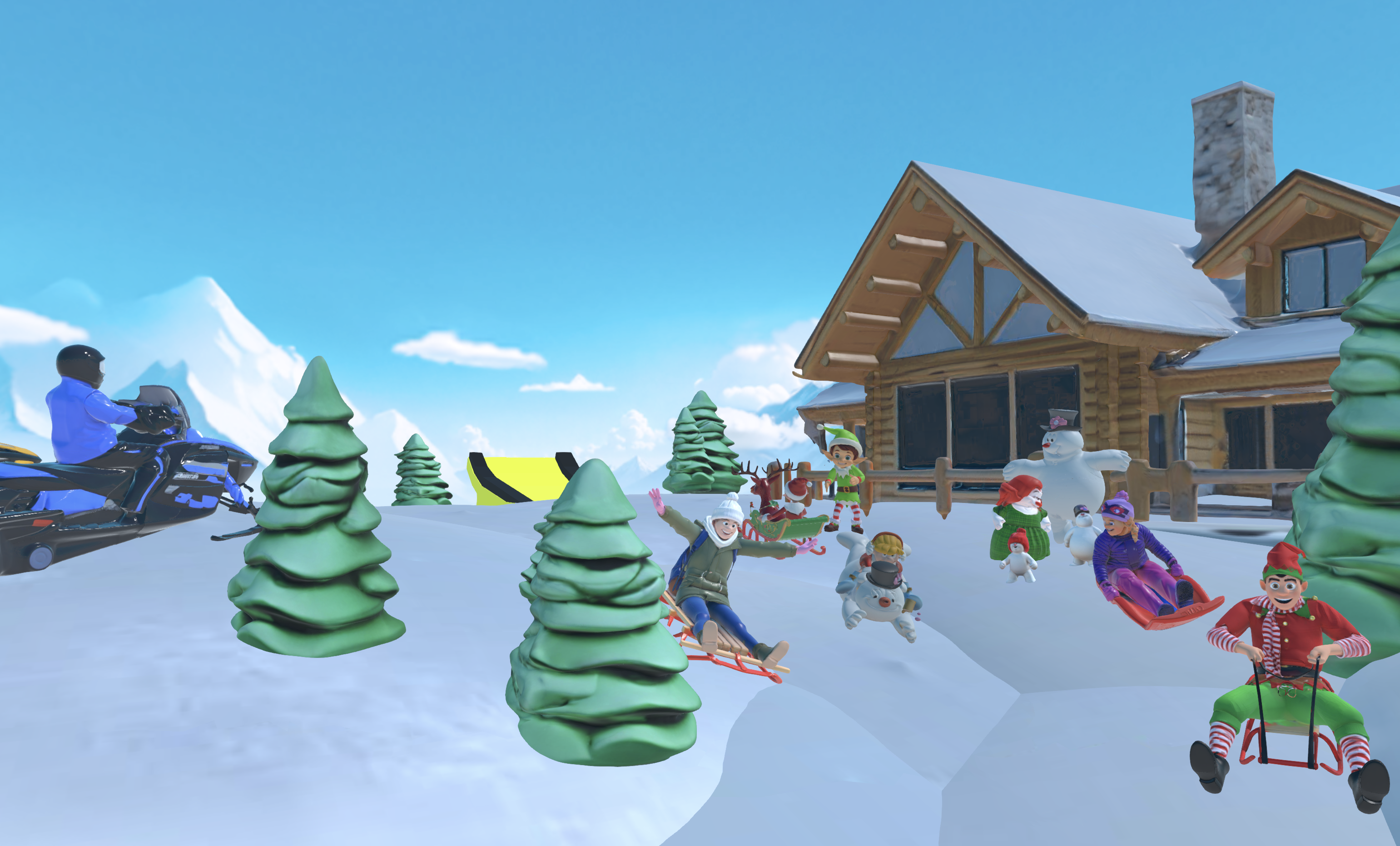
This technical flexibility grows stronger with community support, with an active Discord community sharing techniques and collaborating on projects, which creates a steady feedback loop for new features and fixes. Backing from Supercell supports both the tech and the community with long-term resources instead of short-lived hype.
User satisfaction metrics back up this approach, and the vast majority of builders rate their experience positively in recent surveys. One builder surveyed summed it up by saying it “feels like a good game engine” instead of just another AI toy.
The platform balances accessibility with depth and teaches real game development concepts through playful interfaces while still giving you professional export options. This mix works well if you are an aspiring builder or already building games and want to learn, improve, and actually ship worlds, not just spin up quick prototypes.
Conclusion: From Vibegamed Idea to Playable Worlds
Vibegame Engine helped kick off the vibe coding movement, but experimental GitHub projects do not cover full game development workflows. Production-ready platforms like Nilo turn the idea into a practical tool that supports real creativity, collaboration, and publishing.
FAQ
What is the Vibegame Engine exactly?
Vibegame Engine refers to the experimental repositories that pioneered natural language game development, with dylanebert/VibeGame as the most notable example. These projects explore the idea of vibe coding but do not yet include the performance, exports, or collaboration features you expect from a full engine.
How does the Vibegame Engine compare to Nilo?
The Vibegame Engine lives mainly as experimental code that needs technical setup and offers limited features. Nilo gives you a complete browser-based game engine with vibe coding, real-time collaboration, automatic optimization, and direct exports to platforms like Roblox and Unity. Vibegame inspired the concept, and Nilo focuses on delivering a production-ready version of that idea.
What makes Nilo a strong game engine for vibe coding games?
Nilo stands out with browser-based access that skips installation, a custom C++ physics engine for real performance, model-agnostic AI that works with several generation providers, real-time multiplayer collaboration, and direct exports to major platforms. The platform keeps high recommendation rates and supports a large, active community of builders.
Can I export my vibe-coded creations from Nilo?
Yes, Nilo exports to standard 3D formats, including FBX, OBJ, STL, and glTF. These files work directly in Roblox Studio, Unity, Blender, VRChat, Unreal Engine, and other platforms. The platform automatically adjusts polygon counts to match platform limits, so you avoid manual cleanup work.
Do I need coding experience to use vibe coding in Nilo?
You do not need coding experience. Vibe coding uses natural language prompts, so you describe what you want in plain English and the AI generates working code with real-time 3D feedback. You can also learn by tweaking variables directly in the code editor, which makes the process educational while still friendly for complete beginners.
