
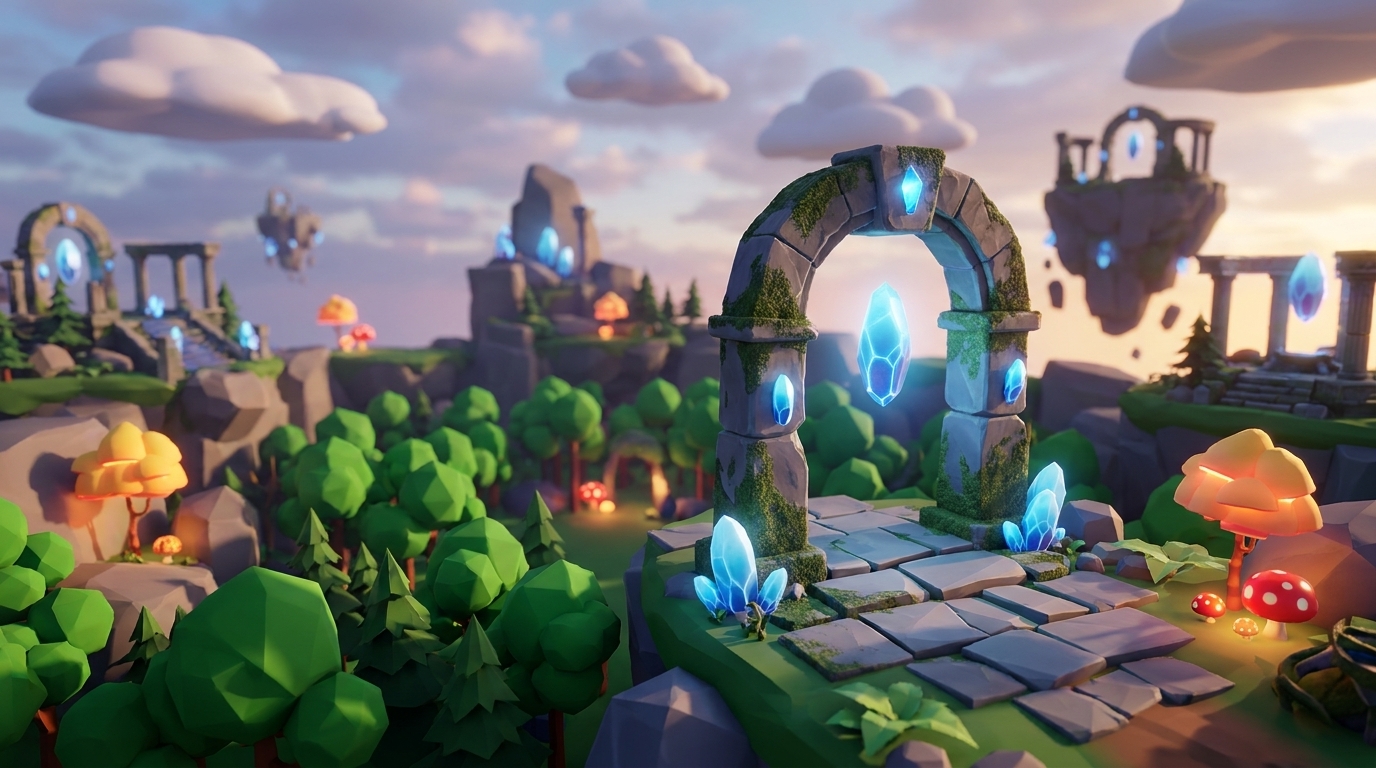
What You’ll Learn About Vibe Coding Roblox Meshes
-
Vibe coding Roblox meshes uses natural language prompts to generate, clean up, and export game-ready 3D assets in minutes, without manual Blender work.
-
Roblox’s Cube foundation model powers 4D generation, boosts player engagement by 64%, and already supports over 160,000 objects in early access.
-
Core workflow steps include prompting AI, auto-optimizing with LOD controls under platform limits, rigging with text, playtesting, and exporting to Roblox Studio.
-
Nilo offers a browser-based pipeline with real-time optimization, multiplayer testing, and a free 1,000 Bits monthly tier, while tools like Meshy often need extra cleanup.
-
Join Nilo’s open beta today to vibe code Roblox meshes for free and speed up your creator journey.
How Vibe Coding Roblox Meshes Actually Works
Vibe coding Roblox meshes means using AI agents to turn natural language into complete 3D workflows. You describe what you want, like “low-poly sword for obby” or “cartoon spaceship with glowing engines”, and the AI handles generation, optimization, and export. You skip scripting and manual modeling and stay focused on ideas.
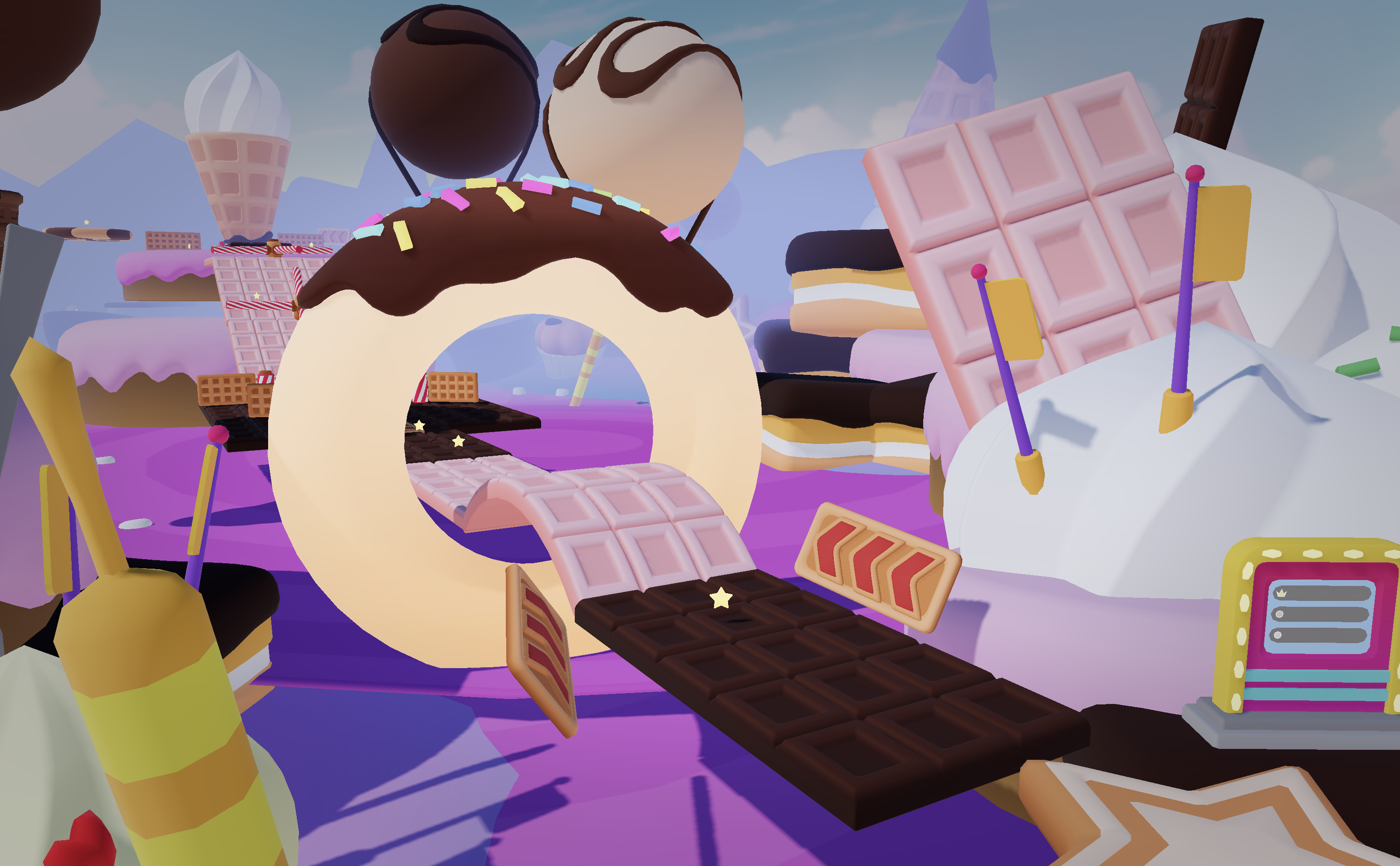
The framework breaks down into three core steps that build on each other. First, you generate meshes from prompts, sketches, or images. These raw outputs then need optimization and rigging with automatic retopology and LOD (level of detail) adjustments to meet Roblox’s strict limits of 20,000 triangles and 1024×1024 pixel textures. Finally, you export the optimized assets as Roblox-ready files that keep performance stable in live games.
This approach differs from traditional 3D modeling, where you manually sculpt vertices and faces in software like Blender. Vibe coding hides most of the technical grind while still giving you creative control over the final result.
The Roblox Builder Journey in 2026
Understanding vibe coding’s advantages matters because the Roblox ecosystem has exploded to 400M+ monthly players across major platforms, with $1B+ paid annually to creators and 30% year-over-year growth. This massive creator economy pulls in aspiring builders or already builders like you, who want to move from playing to building your own worlds.
As a Stage 2–3 builder, you probably feel some familiar pain points. You hit the “AI lottery” where generation tools give unpredictable results. You bounce between Meshy, Blender, and Roblox Studio in tool-chaining workflows. You lose creative momentum while you wait through long optimization and cleanup sessions. Many builders say they drop projects after sinking hours into fixing meshes instead of shipping games.
Browser-based AI platforms powered by WebGPU and WebAssembly now reduce these friction points. Roblox’s updated AI Assistant with agentic features includes Mesh Generation for creating fully textured 3D objects directly in game worlds. But you still need Roblox Studio installed and some scripting knowledge for interactive elements, so many builders look for tools that smooth out the full pipeline.
Choosing Tools for Vibe Coding Roblox Meshes
You should evaluate vibe coding tools for Roblox meshes using a few clear criteria. Look at Roblox-focused optimization features, browser access, automatic retopology, export formats, and how generous the free tier feels. Each platform trades off speed, quality, and how smoothly it fits into your daily workflow.
Nilo stands out for end-to-end workflow support. The platform combines sketch-to-3D generation, real-time LOD sliders for polygon control, and one-click FBX or glTF export with automatic rigging. You can generate assets, playtest with friends in multiplayer, and export directly to Roblox Studio without leaving your browser. Start your free trial with 1,000 Bits monthly to test this full workflow yourself.
Meshy and Sloyd focus on fast generation but usually need significant cleanup work. Their outputs often require 30+ minutes of manual retopology in Blender before they meet Roblox’s triangle limits. Leafy AI Copilot integrates directly with Roblox Studio and supports context-aware generation, although it depends on plugin installation and desktop access.
Roblox’s native Mesh Generation gives you seamless integration inside Studio, but less creative control and slower iteration than dedicated platforms. You choose between single-tool workflows like Nilo that keep everything in one place and tool-chaining setups that rely on several different apps.
7-Step Workflow for Vibe Coding Roblox Meshes
This seven-step workflow shows how to create Roblox-ready meshes with vibe coding in a clear order.
1. Prompt AI with specific descriptions. Use detailed prompts like “low-poly medieval sword for obby, 5000 triangles, cartoon style” instead of vague requests. Adding polycount targets and visual style up front helps the AI stay close to Roblox’s limits from the start.
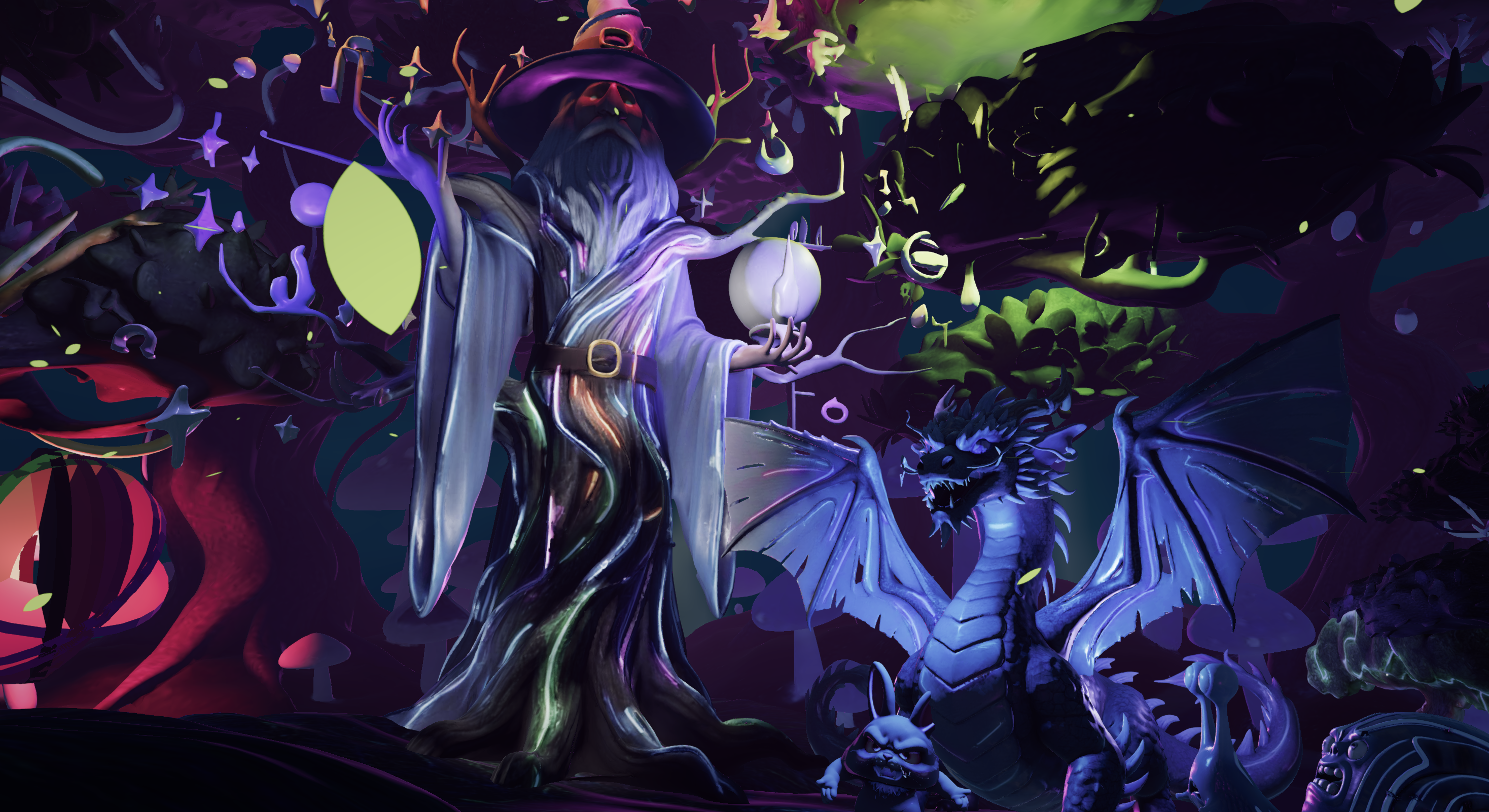
2. Generate in browser using multimodal inputs. After you write your prompt, combine it with sketches or reference images. Most platforms let you drag and drop images next to your text so the AI can match both your words and your visual ideas.
3. Auto-optimize with LOD controls. Once the mesh generates, use real-time level of detail sliders to lower the polygon count while keeping the look you like. Aim for 10,000–15,000 triangles so you stay safely within Roblox’s limits.
4. Rig and animate via natural language. Describe animations like “sword swing attack” or “idle floating motion” to create rigged, animated assets without setting up bones by hand. This step turns static models into usable gameplay pieces.
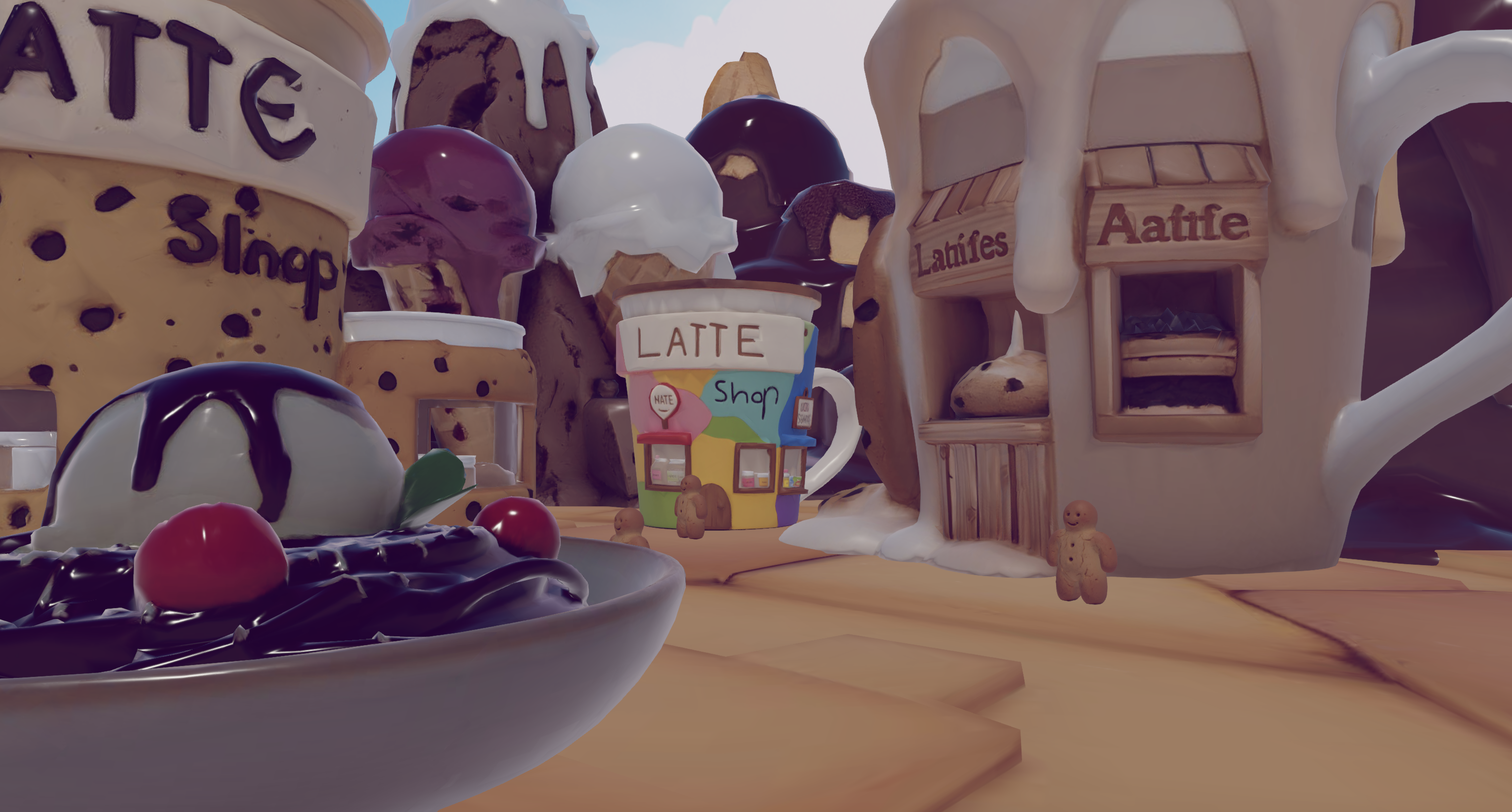
5. Playtest in a multiplayer environment. Test physics, collisions, and visuals in a real-time 3D scene before you export. Share links with friends so they can join, run around your world, and give quick feedback.
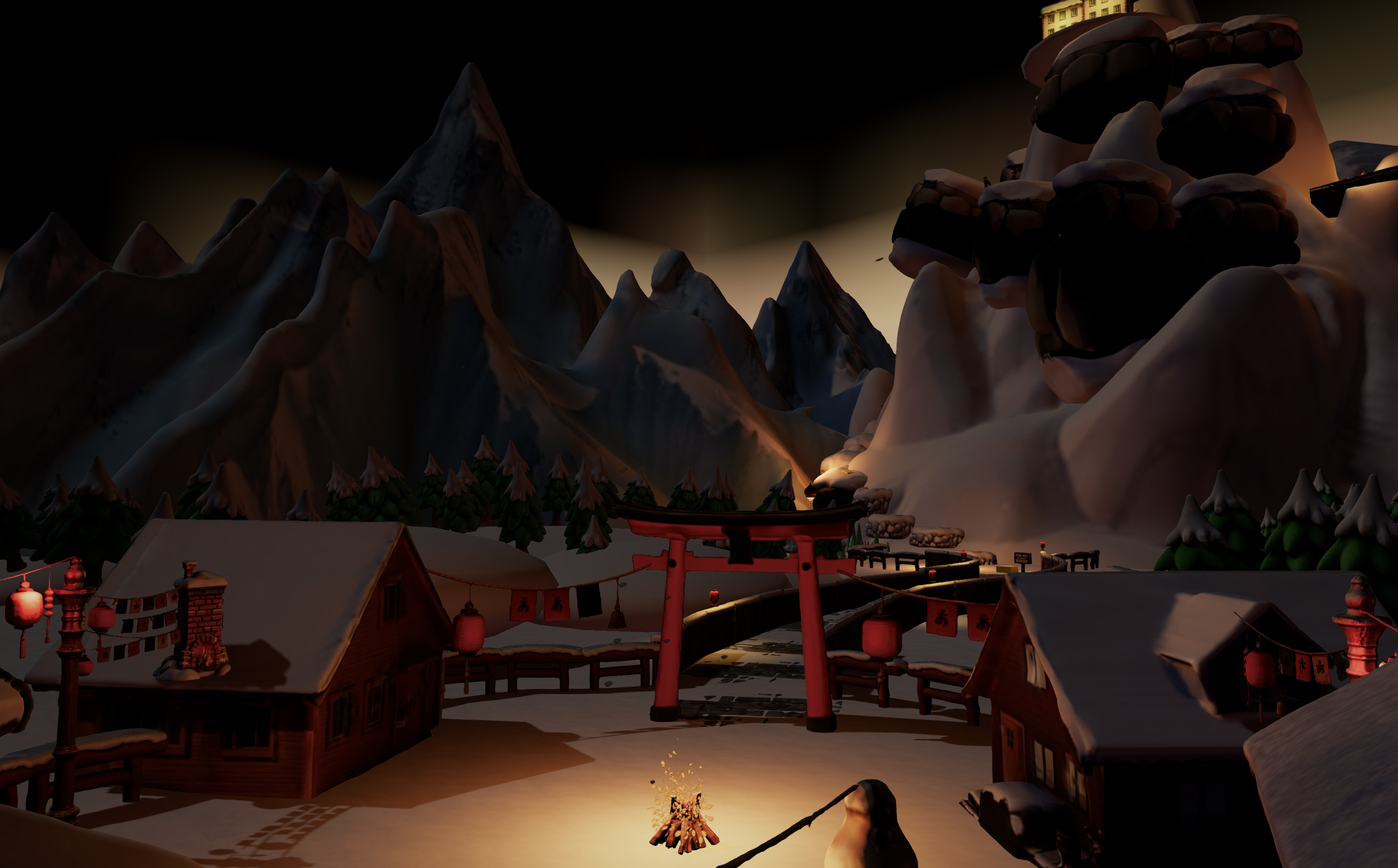
6. Export Roblox-ready files. Download FBX or glTF files that match Roblox Studio’s import requirements. Check UV mapping and texture compression so your assets look clean and load quickly.
7. Import to Studio and iterate. Bring your meshes into Roblox Studio, test performance, and note any issues. Jump back to your generation platform for fast tweaks instead of rebuilding from scratch.
Vibe Coding Roblox Meshes with Nilo: Hands-On Tutorial
Nilo’s workflow centers on three main features: Craft Model, Optimize/Rig/Animate, and Export. You start by sketching, uploading an image, or typing a text prompt in the Craft Model interface. The platform supports multimodal generation, so you can mix a rough sketch with descriptive text for more precise results.
You then use the built-in LOD slider to tune polygon counts in real time while you watch the model update. One-click rigging adds bone structures automatically, and text-to-animation turns simple descriptions into motion. As one builder shared in Nilo’s February 2026 survey, “I do not have to spend hours on 3D modeling the simplest things… now I can do it in 15 seconds.”
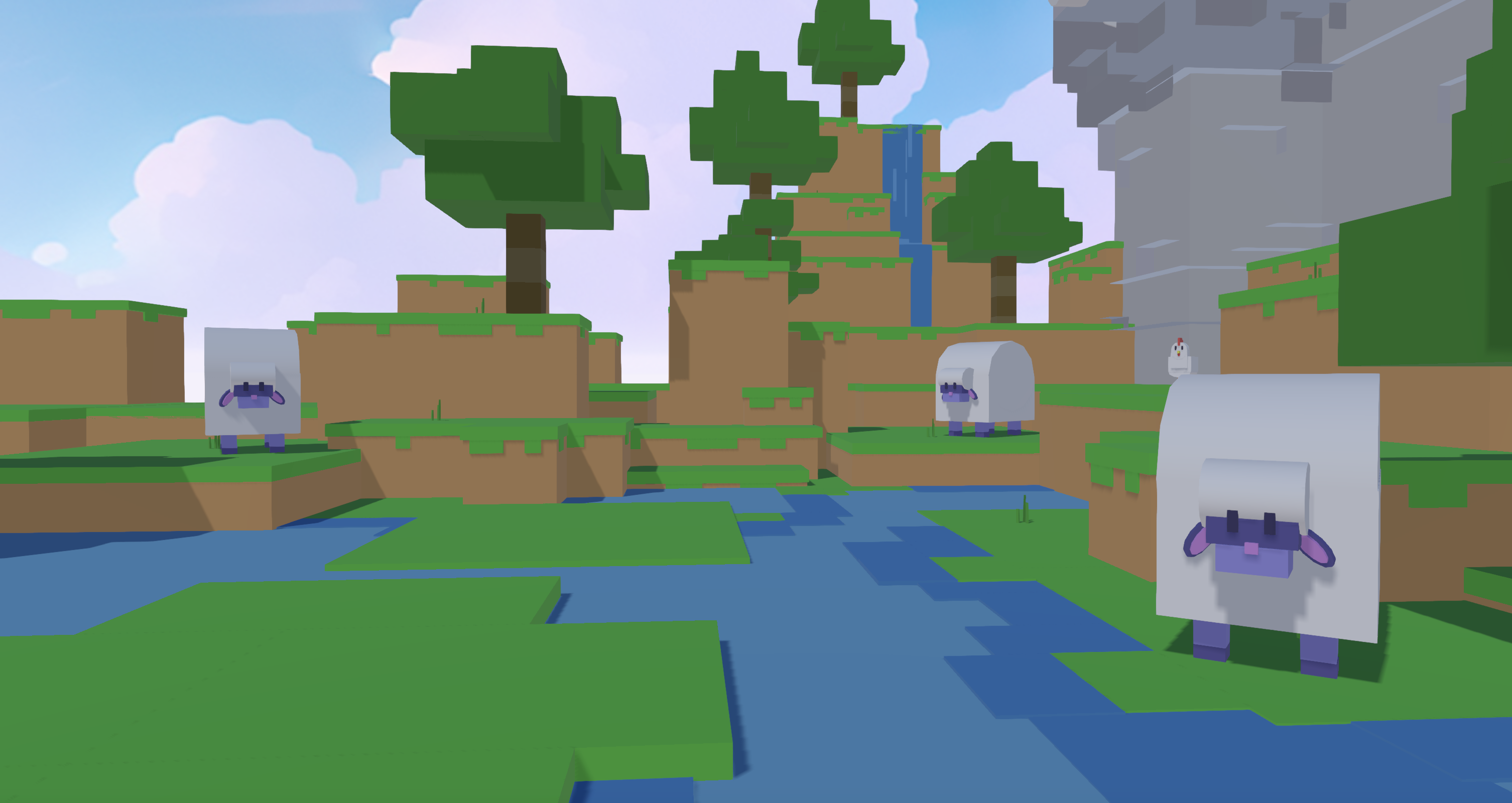
Nilo’s community of 9,000+ Discord members shares workflows and gives feedback on generated assets. The platform connects to several AI providers, including Meshy, Tripo, and Cartwheel, behind one interface and picks the model that fits your request best. This setup feels different from single-provider tools like Rosebud AI or fully manual Blender pipelines.
Common Vibe Coding Roblox Mesh Pitfalls and Fixes
Messy imports cause the biggest headaches when you vibe code Roblox meshes. AI-generated models often include non-manifold geometry, overlapping faces, or too many triangles, which can create lag in your experiences. You avoid most of this by using platforms with mesh healing and real-time optimization instead of exporting raw AI outputs.
Prompt literacy affects generation quality because vague descriptions give the AI too much room to guess. A prompt like “cool sword” often produces random or inconsistent results. A precise prompt such as “cartoon medieval longsword, 8000 triangles, blue metal texture, suitable for Roblox obby” narrows the options and tells the AI exactly what to build. You get the best results when you mix technical specs with your creative vision.
The idea that AI generation is always “risky” or unpredictable usually comes from early tools with very little control. Modern platforms add iteration buttons, real-time previews, and adjustment sliders that keep you in charge of the final mesh. Experience this level of control yourself with Nilo’s free beta access.
Vibe Coding Roblox Meshes FAQ
What is vibe coding Roblox meshes?
Vibe coding Roblox meshes means using natural language prompts, sketches, or images to generate 3D models that fit Roblox games. AI handles modeling, retopology, and rigging so you can focus on ideas, style, and quick iteration.
What’s the best free tool for vibe coding Roblox meshes?
When you compare free tools for vibe coding Roblox meshes, look at Nilo’s 1,000 free Bits monthly for AI generation, export options, and collaboration features. Roblox’s native Mesh Generation gives tight Studio integration but needs a desktop install. Choose based on how you like to work, whether that means browser convenience or deeper desktop tools.
How does Nilo compare to Meshy for Roblox assets?
Nilo supports end-to-end optimization with automatic retopology and Roblox-focused export settings. Meshy generates assets quickly but usually needs significant Blender cleanup to match the platform requirements discussed earlier.
What are the export steps for Roblox-ready meshes?
Generate your asset, optimize the polygon count with LOD controls, apply rigging if you need animation, and export as FBX or glTF. Then import the file into Roblox Studio and keep your meshes within Roblox’s platform limits mentioned earlier.
How do I fix Roblox triangle limit issues?
Use real-time LOD sliders during generation and aim for 10,000–15,000 triangles to leave a safety margin. Platforms with automatic retopology handle most of this work without Blender, so you keep visual quality while staying within performance targets.
Start Vibe Coding Your Roblox Worlds Today
Vibe coding turns Roblox mesh creation from a technical grind into a creative flow. You spend your time designing worlds and characters instead of debugging polycounts or learning complex software menus. Modern tools now bridge the gap between your imagination and a playable experience.
Join builders already using AI-native workflows to speed up their Roblox development. Start creating your first vibe-coded mesh today with free beta access.
