
Key Takeaways
-
Unity gives you easier C# scripting and tons of tutorials, while Unreal Engine offers powerful Blueprint visual scripting for fast, no-code prototyping.
-
Both engines expect serious hardware with 8 to 32 GB RAM and dedicated GPUs, so you often face expensive laptop upgrades.
-
Unreal Engine 5.6 improves Blueprints and Nanite tech, yet steep learning curves and long setup times still slow down first-time 3D creators in 2026.
-
Common beginner traps include tutorial overload, hardware barriers, and pro-level complexity that feels heavy when you just want to prototype quickly.
-
You can skip the Unity vs Unreal debate with Nilo’s open beta, a browser-based AI tool for instant 3D world creation, collaboration, and exports without installs or coding.
Quick Verdict: Unity vs Unreal for Your First 3D Worlds
For aspiring builders or already builders like you transitioning from Roblox or Minecraft to serious 3D development, Unity and Unreal Engine approach beginners very differently. The table below shows that Unity usually feels easier to pick up, while both engines still expect strong hardware that can block you before you even start.
|
Factor |
Unity |
Unreal Engine |
|---|---|---|
|
Learning Curve |
C# is easier for beginners |
Blueprints are visual, but complex |
|
Hardware Requirements |
Lower overall hardware demands |
Higher overall hardware demands |
|
Prototype Speed |
Faster iteration cycles |
Template-heavy setup |
|
Learning Resources |
Massive tutorial library |
Technical documentation |
Consider how these factors play out for you: Unity tends to feel more beginner-friendly with its C# scripting and intuitive interface, while Unreal Engine presents a steeper learning curve despite its Blueprint visual scripting. Both engines can still overwhelm you with professional-grade complexity when your goal is simply creating your first playable 3D world.
This complexity reveals that the real question is not Unity vs Unreal, it is whether you want to spend months learning professional tools or start building immediately.
Start building in your browser today with Nilo’s open beta and experience instant 3D creation without the usual learning curve.
The Problem Deepens: Where Unity and Unreal Struggle for Beginners
Unity vs Unreal Engine 5 for Your First Projects
Unity’s strength lies in its crossover appeal, because you can build both 2D mobile games and 3D worlds using the same engine. Unity is widely used by indie developers for Steam releases, which shows how approachable it feels for smaller teams and first-time creators.
Meanwhile, Unreal Engine 5.6 now lets you build a complete Pong game using only Blueprints, and features like Nanite virtualized geometry stay free for game developers under $1 million USD in gross product revenue. This sounds very accessible at first. The catch is that you still need serious hardware to run it smoothly.
Unreal Blueprints vs Unity C# When You Are Learning
Unreal’s Blueprint visual scripting supports rapid prototyping and game logic creation without traditional coding, which feels great if you learn visually. You see your logic as connected nodes instead of lines of text.
Unity’s C# approach gives you different advantages. C# is viewed as easier to learn and more consistent than Unreal’s C++, especially if you have already touched Java or Python. The syntax feels cleaner, and debugging usually feels more straightforward.
Unity vs Unreal Hardware Requirements for Your Laptop
Hardware expectations create the biggest barriers for laptop-based beginners like you. The table below highlights how quickly Unreal’s requirements can push you toward expensive upgrades before you even write your first script.
|
Component |
Unity Minimum |
Unreal Engine Minimum |
|---|---|---|
|
RAM |
8GB (32GB recommended) |
32 GB recommended |
|
GPU |
Dedicated graphics card |
DirectX 11 or 12 compatible graphics card with 8 GB or more graphics RAM (recommended) |
|
Storage |
Depends on project size |
2TB+ for serious projects |
AnimationTech.tv’s 2026 guide recommends an RTX 4070 Ti SUPER with 16GB VRAM as entry-level for Unreal Engine 5.4, while Unity runs acceptably on mid-range hardware. The cost difference can easily reach $2,000 or more for a capable Unreal development laptop.
You can time a basic shooter prototype on your current laptop using free trials of Unity or Unreal. If your machine struggles, you are already facing hardware upgrades before you even start learning game design.
Common Beginner Pitfalls and 2026 Realities
These hardware barriers are just one of several pitfalls that trip up beginners. Reddit forums overflow with frustrated beginners sharing similar stories about overwhelming interfaces, tutorial hell, and hardware myths. Many people believe Unreal Engine 5.4’s Nanite technology now works smoothly on mid-tier hardware, but the reality is more nuanced. Basic scenes run fine, while production-quality projects still demand high-end specs.
A bigger gap appears when you look at how you actually start building. Neither Unity nor Unreal offers browser-based creation or true no-code solutions for complete beginners. You must choose between two professional-grade tools when what you really need is a gentle on-ramp to 3D creation.
Skip the heavy setup and try Nilo’s free beta to experience 3D creation that starts simple and grows with your skills.
Why Nilo Stands Out for Beginner-Friendly 3D Creation
Nilo gives you a third path instead of forcing a choice between Unity’s accessibility and Unreal’s graphics power. You build 3D worlds directly in your browser, and the process feels closer to playing a game than configuring a professional tool.

Nilo runs on a custom game engine with C++ physics and WebGPU graphics, so you get real game performance without local installs. You avoid long downloads, strict hardware requirements, and engine selection stress. You just open a link and start creating.
The AI-native approach changes how you work from the first minute. You generate 3D models from text descriptions, sketches, or reference images using integrated providers like Meshy and Tripo. You can even create Roblox-ready assets in seconds, with automatic adjustments for platform requirements.
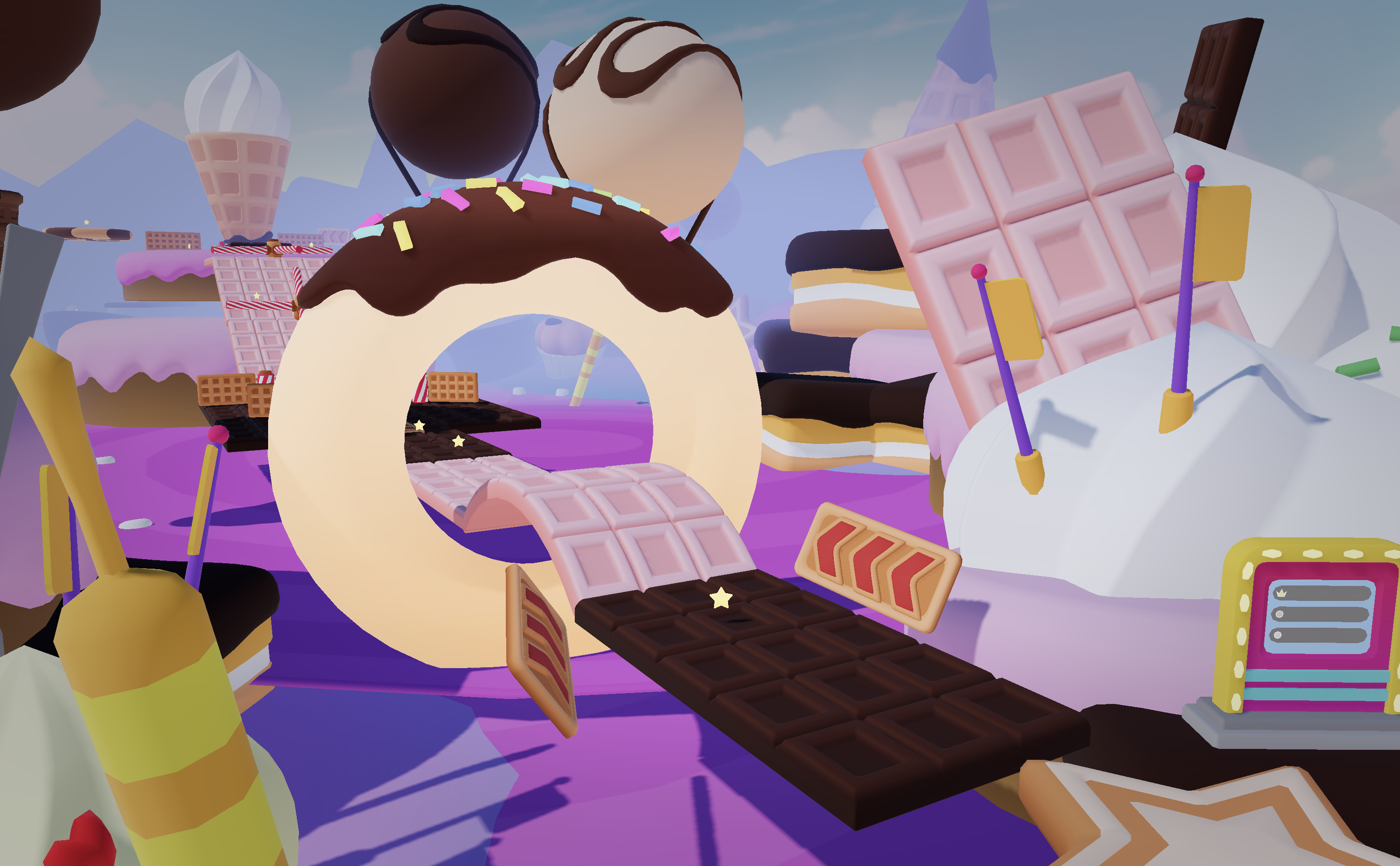
Here is the complete workflow in Nilo. You start by crafting your model with AI generation from text or sketches. After that, Nilo’s one-click tools handle optimization and rigging, which normally require deep Blender skills. With a rigged model ready, you animate it using natural language prompts, so you describe the motion you want instead of keyframing. Finally, you export your finished asset to Unity, Unreal, Roblox, or any 3D platform, while Nilo’s level-of-detail system manages polygon optimization so you do not hit performance caps.
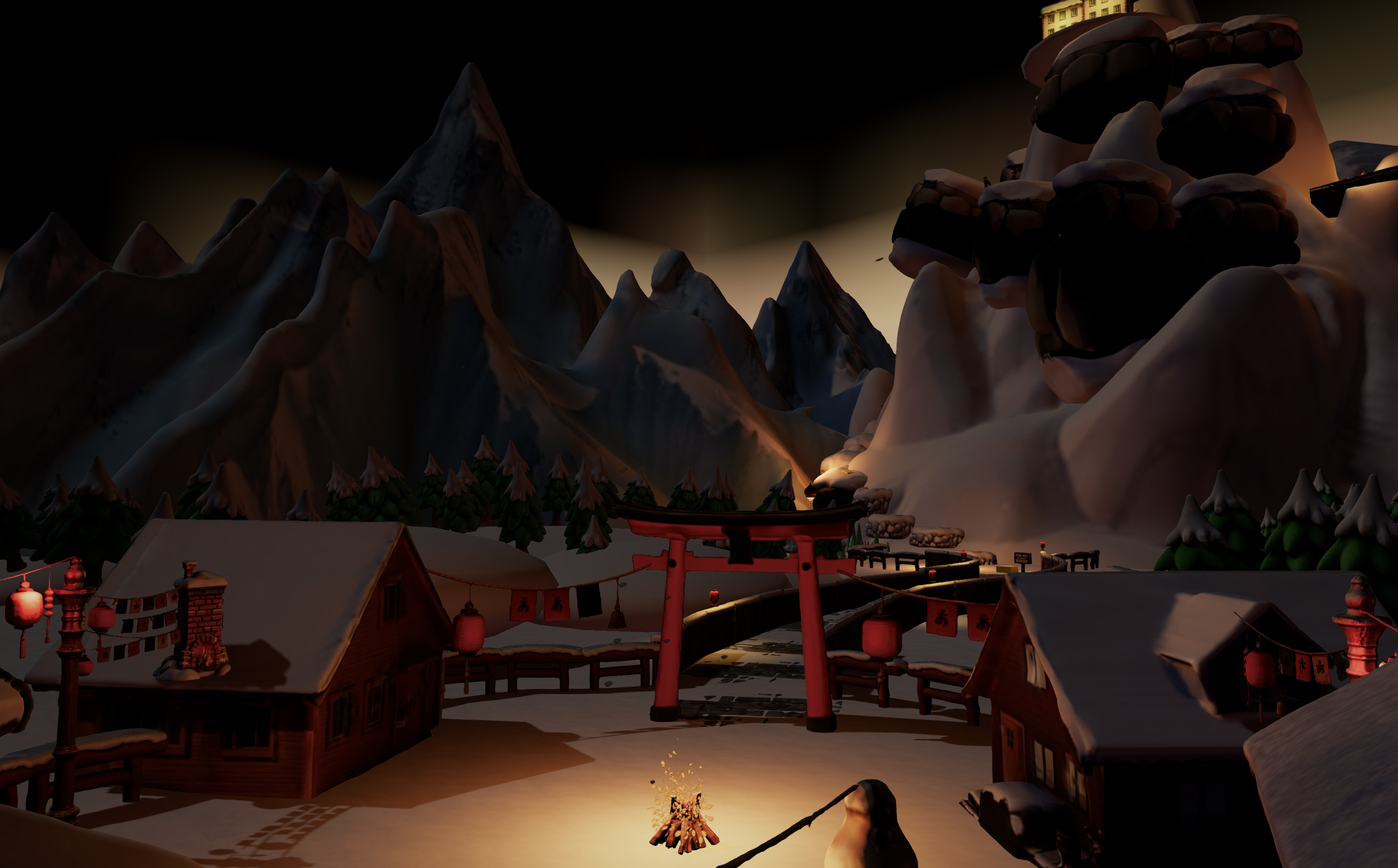
The social side of Nilo connects directly to how you like to build. You share a link, and friends join your world instantly, building together in real time across desktop and mobile browsers. Creation feels collaborative and fun instead of solitary and overly technical.
A growing community of more than 9,000 Discord members shows that this approach works. In Nilo’s February 2026 survey, 93% of builders said they would recommend Nilo to a friend, with comments like “15 seconds vs hours” for asset creation and “no limits on what you can create.”
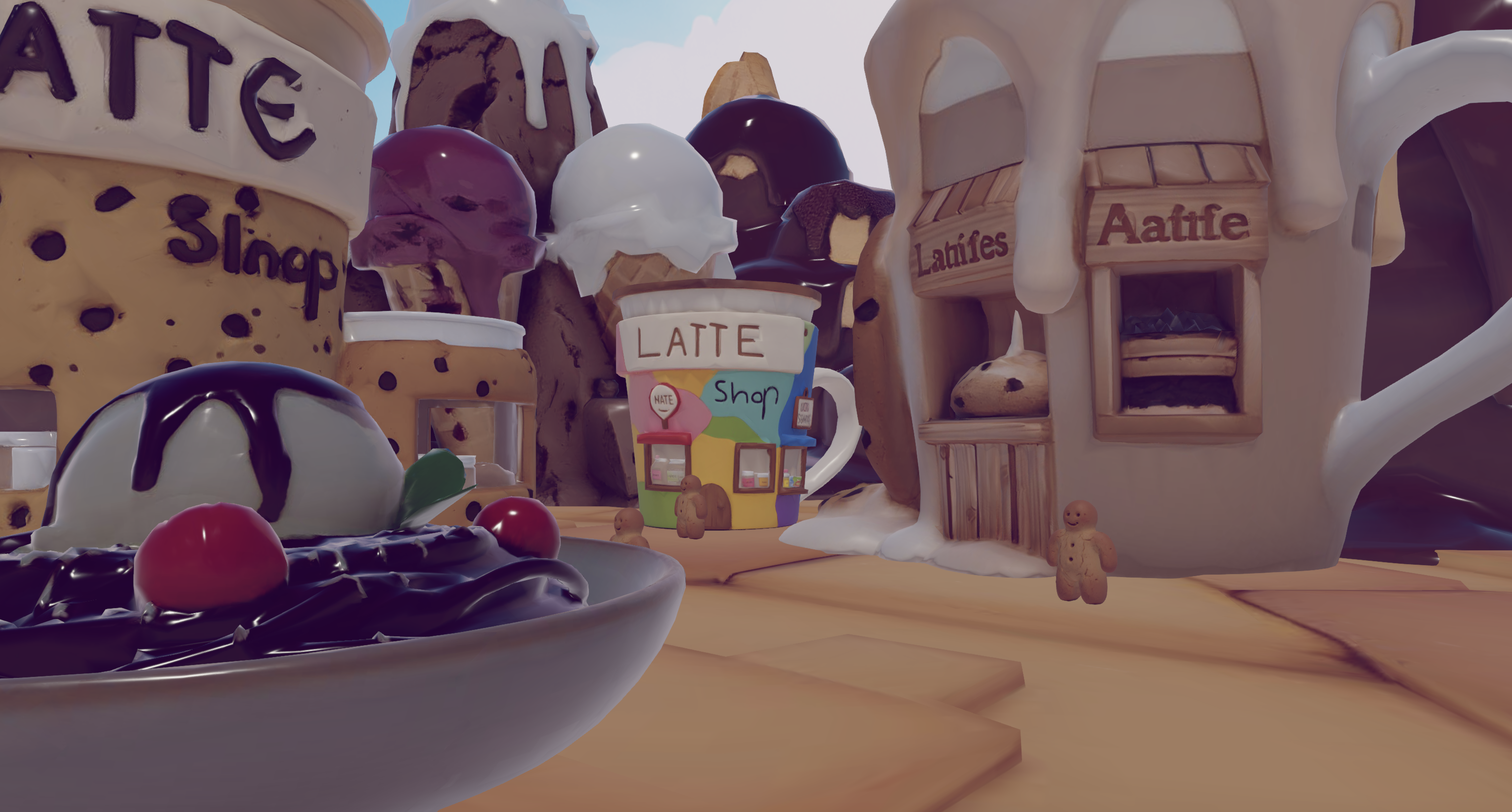
The table below highlights how Nilo changes your first steps compared with Unity and Unreal, especially around setup, assets, and collaboration.
|
Feature |
Unity |
Unreal Engine |
Nilo |
|---|---|---|---|
|
Setup Time |
Hours (download and install) |
Hours (download and install) |
Instant (browser-based) |
|
3D Asset Creation |
Requires Blender knowledge |
Requires modeling skills |
AI text or sketch to 3D |
|
Scripting |
C# programming required |
C++ or Blueprints |
Natural language prompts |
|
Collaboration |
Version control complexity |
Perforce or similar |
Real-time multiplayer |
Nilo does not force you to pick sides in the Unity vs Unreal debate, because it lets you skip that debate entirely. You build your prototype in minutes, export to any platform, and spend your time creating instead of wrestling with tools.
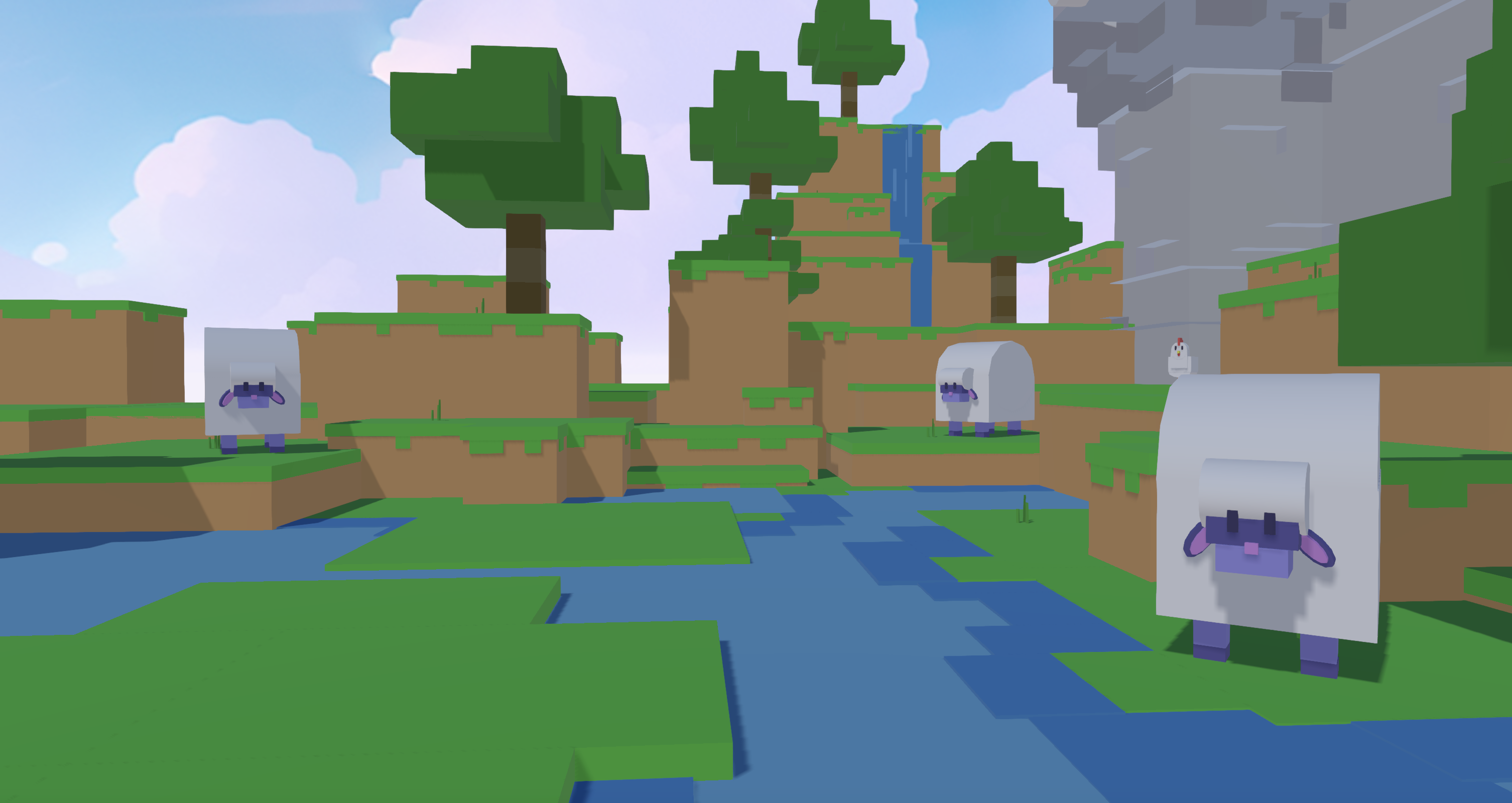
Experience AI-powered 3D creation in Nilo’s open beta and see how fast you can ship your first world.
How to Choose Your Tool and Get Started
You should match your goals to the tool that fits them. If you need photorealistic graphics and already own high-end hardware, Unreal Engine can make sense. For rapid prototyping with moderate graphics, Unity often gives you faster workflows. If you want to start building 3D worlds immediately without technical barriers, Nilo stands out by giving you the clearest path forward.
You can evaluate your options in a simple sequence. First, benchmark a small prototype on your current hardware using free trials. Next, check whether you can realistically afford any hardware upgrades those tests reveal. Then, try the free tiers of each platform to see how the workflows feel. Start with Nilo to learn 3D creation fundamentals in your browser, then export your work to Unity or Unreal later if you need their specific advanced features.
Begin your 3D journey with Nilo’s free beta and build your first scene today.
FAQ
Best game engine for beginner 3D?
For traditional engines, Unity usually provides a gentler learning curve with C# scripting and strong community support. Nilo stands out as a beginner-friendly option by removing coding requirements entirely. You build 3D worlds by describing what you want in plain English, then export to platforms like Unity or Unreal when you are ready.
Unity vs Unreal 2026?
Unity continues to attract many indie teams for commercial releases, while Unreal Engine 5.6 brings stronger Blueprint scripting for visual learners. Both tools remain professional-grade and demand a serious learning investment. Nilo stands out by bridging this gap, offering instant 3D creation in the browser with AI assistance, which fits aspiring builders or already established builders like you who want to start creating right away.
Unity vs Unreal hardware requirements?
Unity runs acceptably on 8GB RAM and mid-range GPUs, while Unreal Engine recommends 32 GB RAM and a DirectX 11 or 12 compatible graphics card with 8 GB or more graphics RAM for smooth development. These hardware barriers can cost thousands of dollars in upgrades. Nilo removes these hardware demands by running in any modern browser, so you can create on laptops, tablets, or almost any device with internet access.
Unreal Blueprints vs Unity C# beginners?
Unreal’s Blueprints give you visual scripting that feels intuitive if you think like an artist, while Unity’s C# offers cleaner syntax for traditional programmers. Both still require you to learn complex development concepts and workflows. Nilo’s natural language coding lets you create game logic by describing what you want, so you avoid both visual node graphs and strict syntax rules.
Conclusion
Unity and Unreal Engine are powerful, proven tools, yet they are built for professional developers rather than aspiring builders or already builders like you making your first 3D worlds. Their learning curves, hardware demands, and setup complexity can turn your early excitement into months of frustration.
Nilo helps you skip the traditional engine debate and start building right away. You create 3D worlds that feel like games, collaborate with friends in real time, and export your work anywhere. The future of 3D creation feels instant, social, and fun.
Join Nilo’s open beta and build your first world today without installs or complex setup.
