
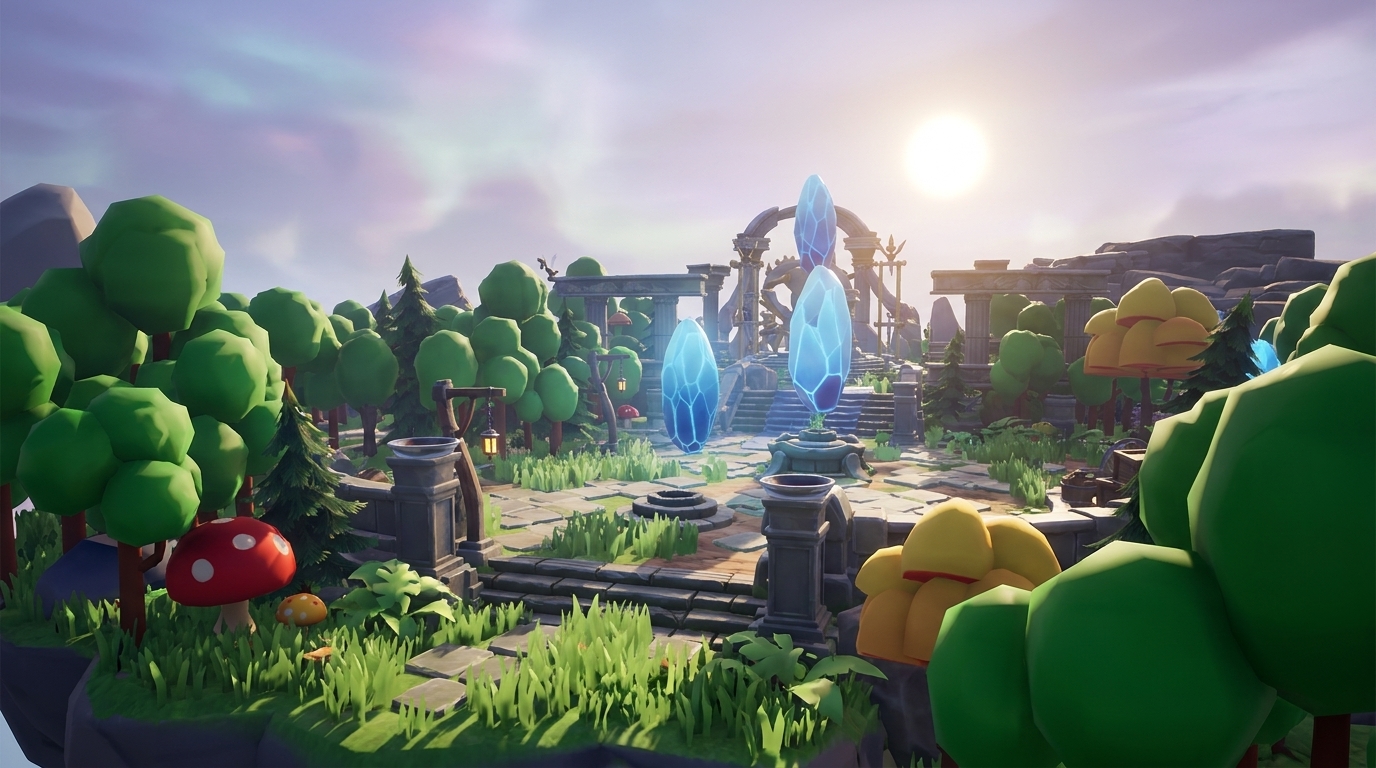
Key Takeaways
-
Vibe coding lets you create 3D games with natural language prompts, turning ideas into playable browser games in minutes.
-
Nilo stands out with real-time 3D feedback in your browser, AI text-to-3D generation, one-click rigging, and multiplayer collaboration.
-
You can follow Nilo’s step-by-step tutorial to describe mechanics, generate assets, animate characters, playtest with friends, and export to platforms like Roblox.
-
You can explore 5 vibe-coded examples like Cyberpunk Obby and Physics Playground, then remix them using simple prompts.
-
Join Nilo’s open beta for free to start building and playing vibe-coded games today.
What Vibe Coding Means for You
Vibe coding is a fun alternative to spec-driven design for video games, where you build intuitively without rigid specifications. Instead of memorizing syntax or learning complex programming languages, you use AI tools and natural language prompts to generate working code and 3D assets quickly.
This approach works especially well for rapid prototyping and makes game creation feel approachable. Vibe coding helps you experiment faster, focus on high-level logic instead of boilerplate code, and lower the barrier for non-coders through natural language inputs.
Real-time feedback makes vibe coding feel different for 3D games. Traditional coding has you write lines of text, then test and hope everything works. With vibe coding for 3D worlds, you see changes instantly. You watch objects appear, move, and interact as you describe them. In Nilo’s February 2026 survey, 93% of builders said they would recommend the platform to a friend, largely because of this intuitive creation experience. That high satisfaction rate shows how much the right platform shapes your vibe coding experience.
Choosing a Vibe Coding App: Why Nilo Stands Out
You should look for real-time 3D feedback, browser access, and export options when you compare Vibe coding platforms for 3D games. Nilo stands out as a browser-based, AI-native game engine that brings these pieces together in one place.
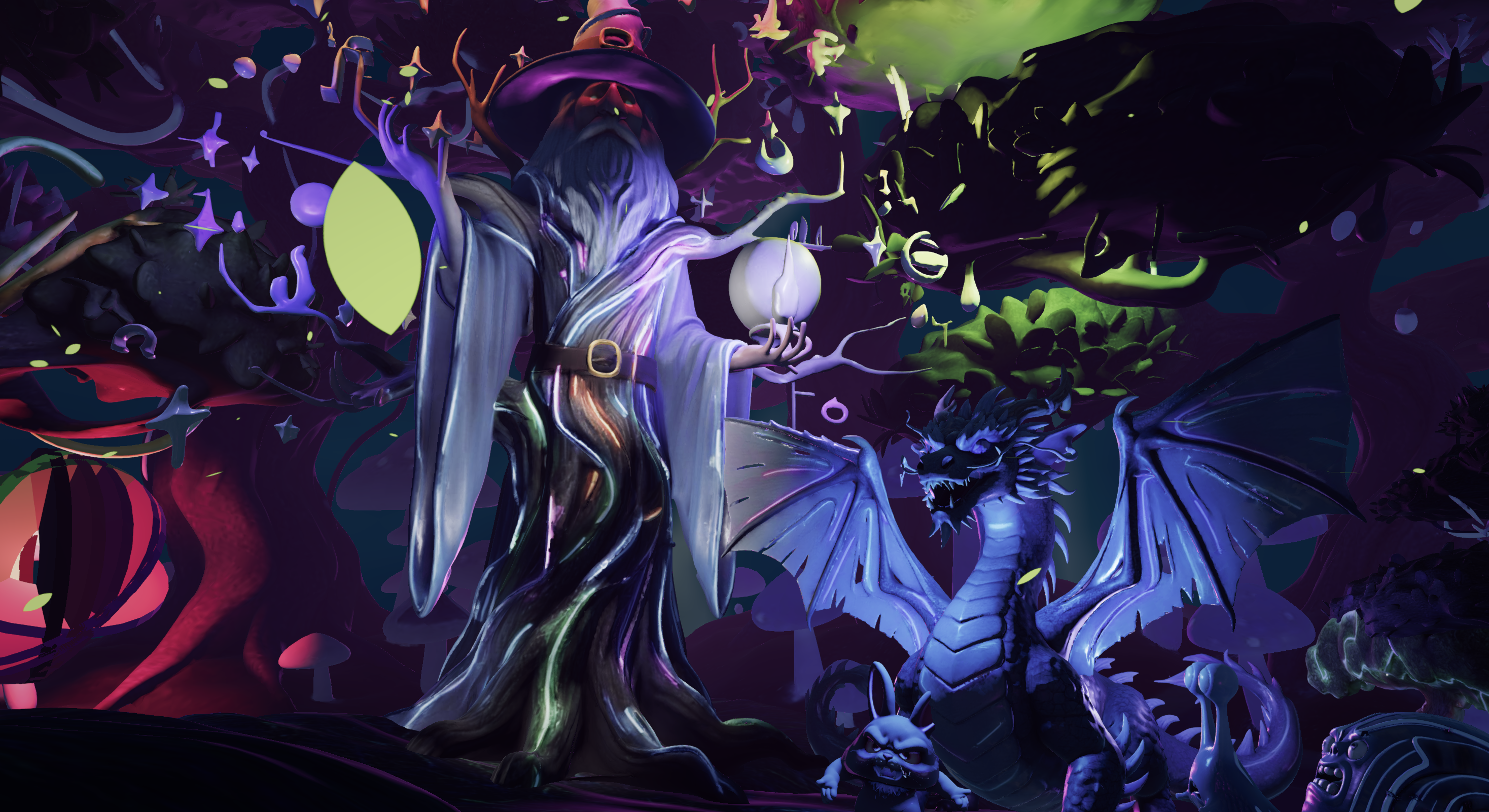
Nilo offers true 3D game creation starting with AI text-to-3D generation for characters, props, and environments, plus a sketch-to-3D pipeline where you draw in 2D, refine with AI, and drag-and-drop into 3D. If text prompts do not match what you see in your head, you can sketch instead, then pull the result straight into your world. These generated assets use real-time retopology and one-click rigging, so you can animate characters right away using natural language commands. Everything runs in your browser, with no installation.
Other platforms take different paths. Rosebud AI focuses on prompt-to-game generation but does not give you a full 3D engine for hands-on building. Roblox Studio offers powerful 3D creation but needs installation, desktop hardware, and scripting knowledge. Unity provides professional-grade tools, but was not designed for aspiring builders like you who want to start creating quickly.
Nilo’s strength comes from its custom game engine built for browser-based creation. With C++ physics compiled to WebAssembly and WebGPU graphics, you get console-style performance without downloads. The platform supports real-time multiplayer collaboration, so you can invite friends to build together by sharing a link. With over 9,000 Discord members and 1,000 free Nilo Bits per month, you can start creating without spending a bunch of money upfront.
Join Nilo’s open beta and try building and playing for free to feel the difference between prompt-only tools and a full 3D creation environment.
Step-by-Step: Create a 3D Vibe Coded Game in Nilo
Vibe coding can absolutely power complete games. You can follow these steps to create your first playable 3D world using Nilo’s vibe coding workflow.
1. Open Your Creation Space
Visit play.nilo.io and start a new world. Nilo’s open beta launched in April 2026 with free sign-up and access. You do not need installation or high-performance hardware, because everything runs in your browser.
2. Vibe Code Your Game Mechanics
Use Nilo’s natural language code editor to describe what you want, such as “make a jumping platformer with collectible coins.” The AI generates working code with real-time feedback, and you see changes instantly in your 3D world. You can keep iterating by talking to the AI in any language instead of editing long scripts.
3. Generate 3D Assets
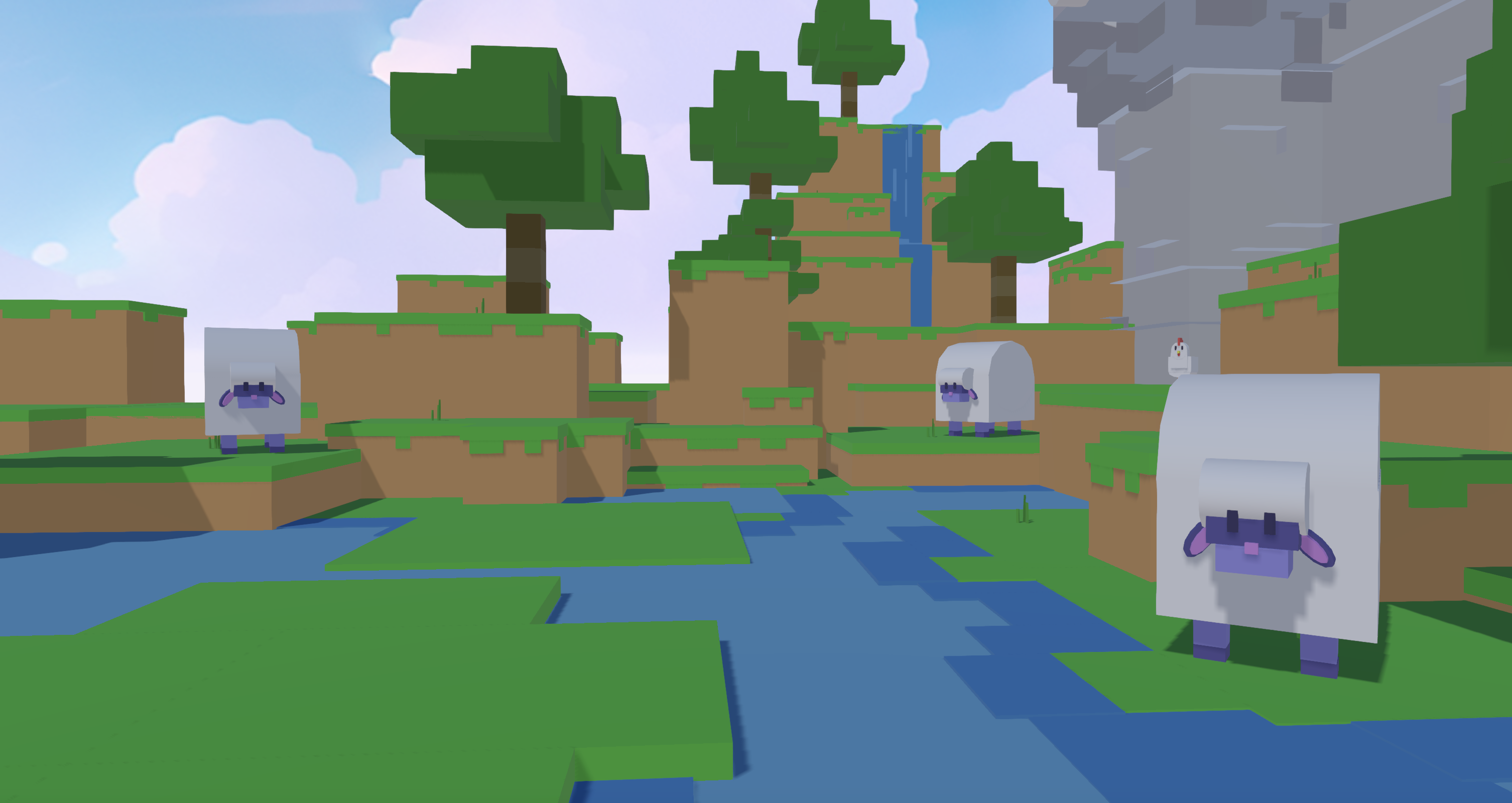
Create characters, props, and environments using text prompts, sketches, or reference images. Type “cyberpunk robot character” or draw a simple sketch, and Nilo generates optimized 3D models in seconds. The level-of-detail system keeps your assets running smoothly across different devices.
4. Rig and Animate
Rig and animate characters with one click, then generate animations from text descriptions. Tell the AI “make the robot dance” or “create a running animation,” and watch your character move in your scene. This process usually takes days in professional tools, but Nilo compresses it into moments.
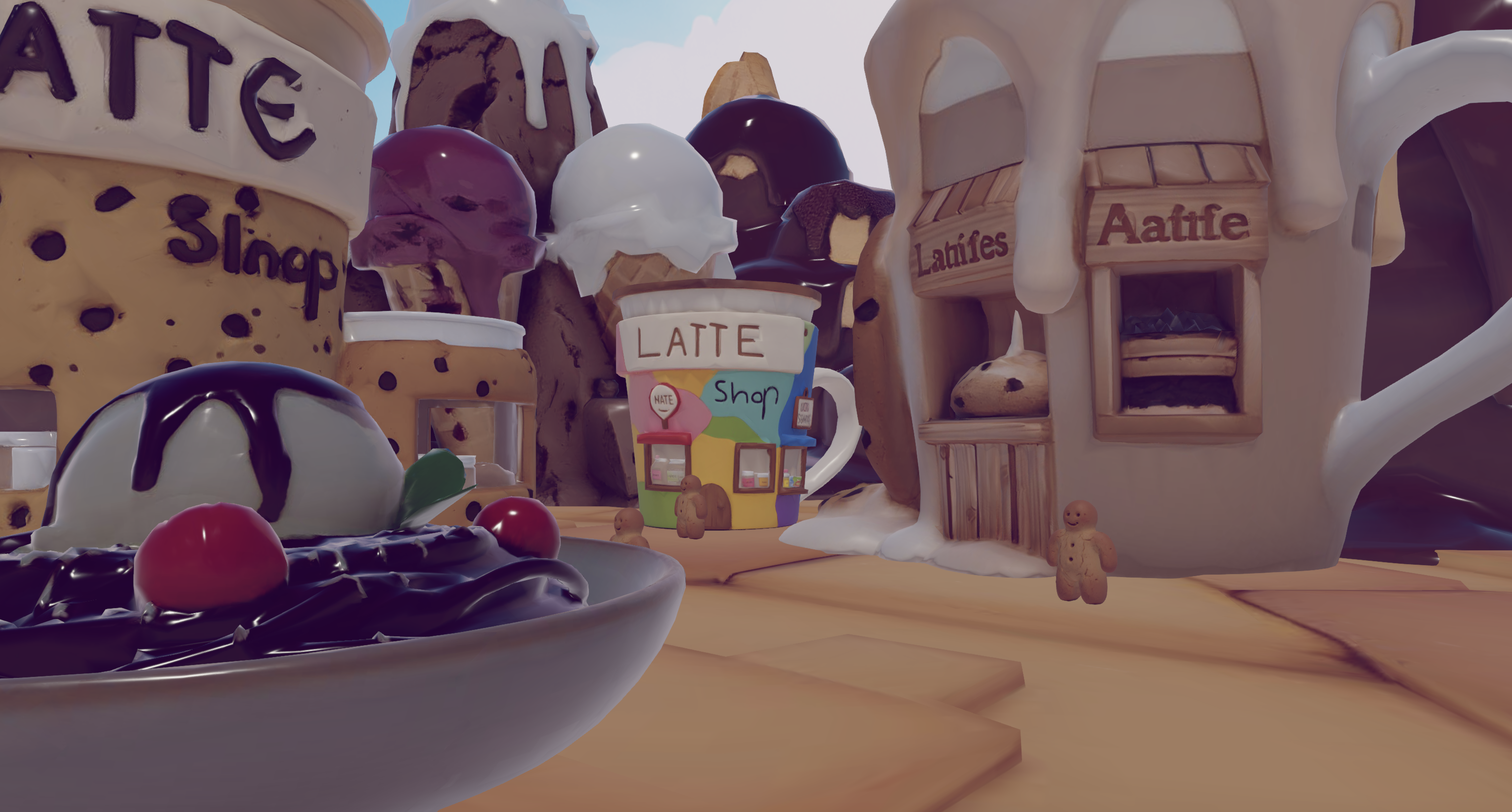
5. Playtest with Friends
Share your world’s link and invite friends to play and build with you in real time. Multiplayer collaboration works on desktop and mobile browsers, and Discord plus Telegram integration keeps communication simple.
6. Export and Share
Export your creations to standard 3D formats (FBX, OBJ, glTF) for use in Roblox, Unity, or other platforms. Nilo automatically adjusts polygon counts to match platform requirements, such as Roblox’s 10K–20K triangle caps.
The same February 2026 survey captured dramatic time savings from builders. One said, “I do not have to spend hours on 3D modeling the simplest things; now I can use Nilo and do it in 15 seconds.” Another shared, “You can work 20 times faster than you usually work on models.”
The main difference between vibe coding and traditional game development is the tight feedback loop. Traditional workflows have you write code, compile, test, and debug in separate steps. With vibe coding, you describe what you want and watch it appear, which keeps you engaged and motivated while you build.
5 Vibe Coded Game Examples You Can Play and Remix
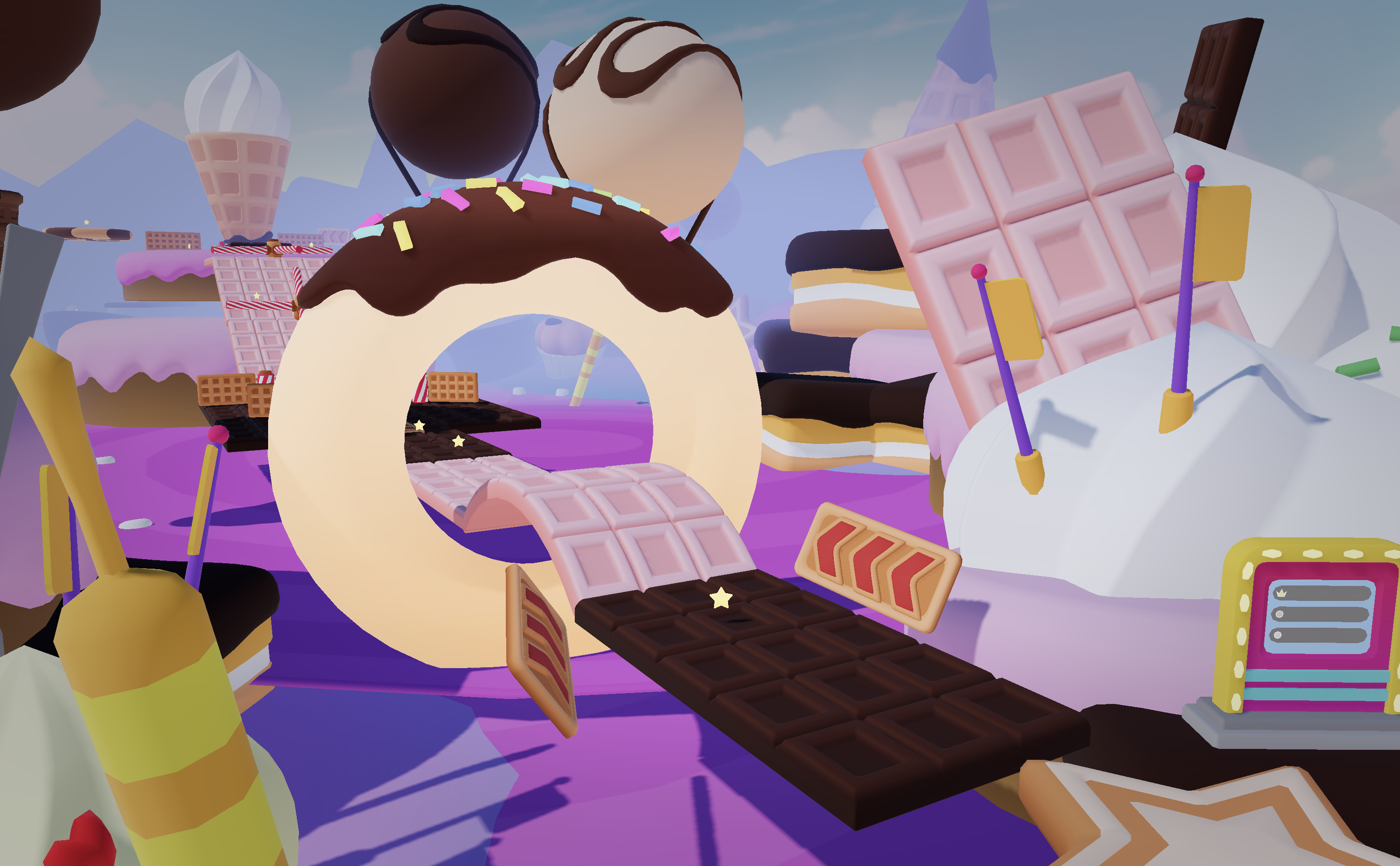
The best way to understand vibe-coded games is to play them yourself. The five examples below show how far you can go with simple prompts, from social hangouts to physics toys to competitive multiplayer races.
Cyberpunk Obby: Created with the prompt “neon city jumps with glowing platforms.” This obstacle course includes procedurally generated challenges and dynamic lighting effects that react to player movement.
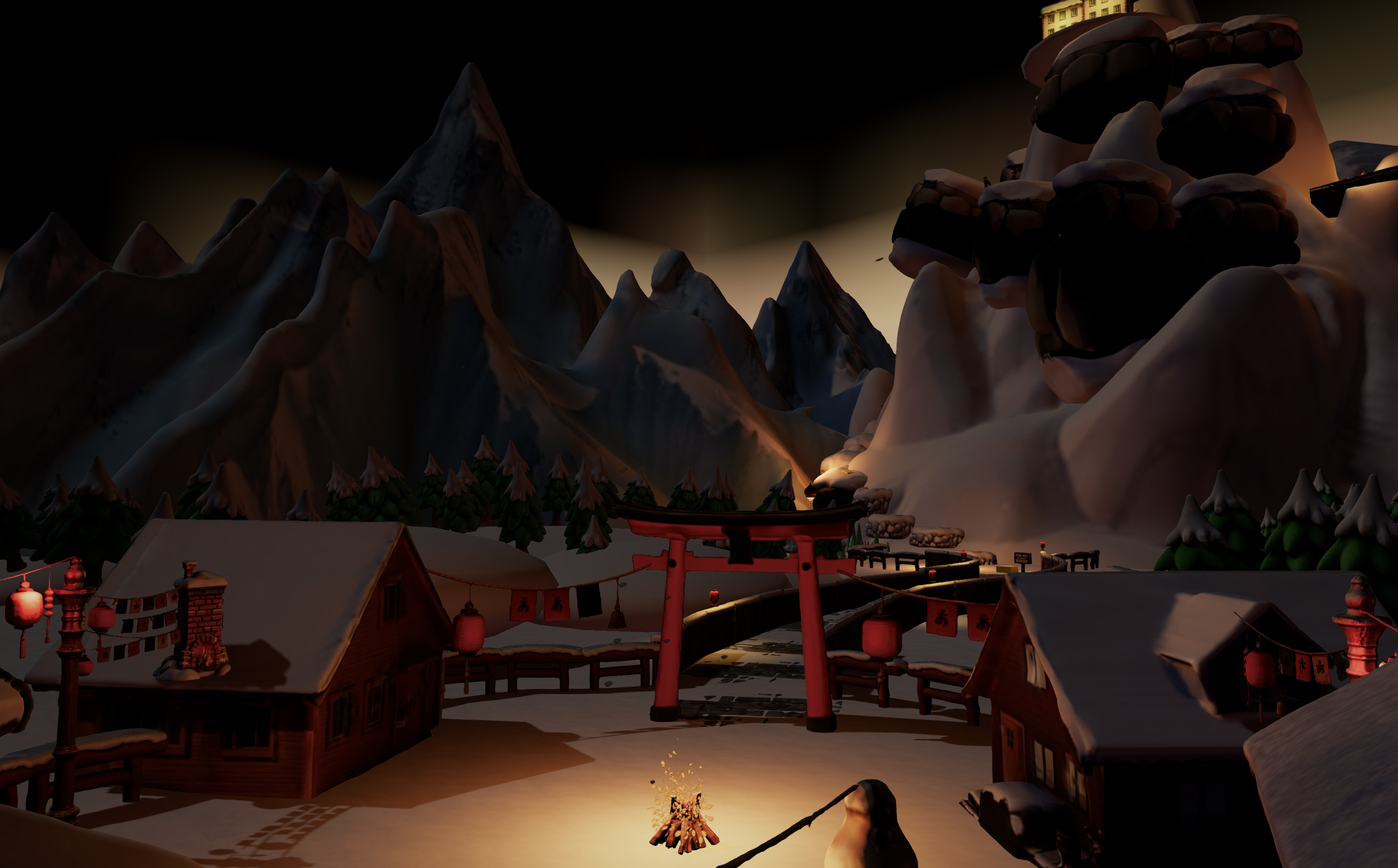
Cozy Hangout Space: Built from a “campfire chat area with comfortable seating.” This social world layers ambient sounds, fire particle effects, and relaxed seating areas where you and your friends can talk.
Physics Playground: Generated using “bouncy castle with interactive objects.” You can throw objects around and watch realistic physics play out as they collide and bounce in real time.
Adventure Quest: Created through a “fantasy forest with hidden treasures.” This exploration game includes AI-generated NPCs, collectible items, and branching paths that react to player choices.
Racing Circuit: Built with a “futuristic race track with speed boosts.” The track includes moving obstacles, power-ups, and multiplayer racing so you can compete with friends in real time.
Remix potential makes these examples especially powerful. You can clone any public world in Nilo, tweak the prompts, and shape your own version. As one builder said in Nilo’s February 2026 survey, “There are no limits on what you can create — just type, draw or add in an image and you can generate, rig, customise and place a fully 3D model within minutes.”
Join Nilo’s open beta and try building and playing for free to explore these worlds and spin up your own variations.
Vibe Coding Challenges, Free Access, and Key Questions
Vibe coding opens new paths for game creation, but you should understand both its strengths and its limits. Vibe coding still needs human review for security and consistency, unlike traditional coding’s more predictable structure, and it currently works best for rapid prototyping instead of very complex production systems.
The gaming industry is moving quickly toward AI-assisted creation tools. BCG estimates that about 50% of game studios now use AI in game development, and about one in five Steam games released in 2025 disclosed generative AI use. These numbers show that AI-assisted creation is becoming a standard part of game development, not just an experiment.
Is there a free Vibe coding platform?
Yes, Nilo offers free access through its open beta with monthly Bits for AI generation, export, and creation (see the main content for current allocation details). You get plenty of room to experiment without spending money right away. Many core building features do not use Bits at all, so you can explore 3D world creation at no cost.
What are the best vibe coding tools in 2026?
You should look for vibe coding tools that support browser-based 3D engines and real-time collaboration when you want to build games. Nilo fits this use case by combining 3D creation with AI support. Other popular vibe coding platforms include GitHub Copilot for real-time code suggestions, Cursor as an AI-integrated IDE with natural language commands, and Bolt for scaffolding full applications. These tools focus on traditional software development instead of 3D game worlds.
Can I create 3D vibe-coded games?
You can create full 3D vibe-coded games. Unlike 2D prompt-only tools, Nilo focuses on 3D world creation with real-time physics, multiplayer collaboration, and export support. You can build everything from simple obbies to deeper adventure games using natural language prompts plus hands-on 3D editing.
Do vibe-coded games work on mobile?
Yes, Nilo runs on both desktop and mobile browsers without installation. You can create, play, and collaborate on 3D games from any device with internet access. WebGPU graphics with a WebGL fallback keep performance smooth across a wide range of hardware.
Can I export Vibe-coded games to other platforms?
Nilo exports to standard 3D formats (FBX, OBJ, STL, glTF) that work with Roblox, Unity, Blender, VRChat, and other platforms. Automatic level-of-detail optimization helps your creations meet each platform’s technical requirements without long manual cleanup sessions.
Start Playing and Building Vibe Coded Games Today
Vibe-coded games point toward a future where 3D creation feels as natural as chatting with a friend. Your imagination becomes the main limit, not your coding skills. Nilo brings this closer with its AI-native game engine, browser-based access, and collaborative building tools.
If you want to create cyberpunk obstacle courses, cozy hangout spaces, or multiplayer adventures, vibe coding lets you build what is in your head without learning complex software. Full game creation and publishing features are on the way, building on the asset creation and world-building tools you can use right now.
Join Nilo’s open beta and try building and playing for free to start creating your first vibe-coded game in minutes, not months.
Frequently Asked Questions
What exactly is vibe coding, and how does it work for game creation?
Vibe coding is an intuitive way to build games where you use natural language prompts, sketches, or images to create interactive 3D experiences instead of writing traditional code. You describe what you want, such as “create a jumping character in a neon city,” and AI generates the code, 3D models, animations, and mechanics in real time.
This approach removes many technical barriers that usually block aspiring builders like you, so you can focus on creativity and design instead of syntax and low-level programming. Immediate visual feedback is a big advantage because you see your ideas appear as you describe them, which makes the process feel more like playing than using a development tool.
How does Nilo compare to other game creation platforms like Roblox Studio or Unity?
Nilo differs from traditional game engines because it was built for browser-based, AI-assisted creation. Roblox Studio needs installation, desktop hardware, and scripting knowledge to create interactive experiences, while Nilo runs in your browser and accepts natural language commands in any language.
Unity and Unreal Engine target experienced developers, but Nilo focuses on aspiring builders and already experienced builders like you who want to start quickly without learning complex software. The platform combines 3D asset generation, rigging, animation, coding, and publishing in one collaborative space, so you do not have to juggle multiple tools. Nilo also supports real-time multiplayer creation, so you can build with friends by sharing a link, which traditional engines do not provide natively.
Can I actually make money from games I create with Vibe coding?
You own all the content you create in Nilo and can monetize it however you like. Since Nilo exports to standard 3D formats that work with Roblox, Unity, and other platforms, you can sell assets on the Roblox Marketplace, publish games on different platforms, or use your models in commercial projects.
The creator economy already pays out large sums, with Roblox and Fortnite sending over $1.5 billion to creators in 2025. Many Nilo users focus on optimized 3D assets for the Roblox marketplace, using automatic retopology and polygon optimization to match Roblox’s technical rules. As Nilo adds more publishing and monetization features, you will gain more ways to earn from your creations and grow an audience around your games.
Is vibe coding just a trend, or will it replace traditional game development?
Vibe coding works as a complement to traditional game development instead of a replacement. It shines for rapid prototyping, creative exploration, and making game creation accessible, while traditional coding still matters for complex production systems, deep optimization, and very large games. The strongest workflows combine both approaches.
You can use vibe coding for quick iteration and idea testing, then rely on traditional development for polish and scalability. Industry data supports this hybrid model, with about 50% of game studios now using AI tools in their pipelines. For aspiring builders, vibe coding offers an easy entry point that teaches game development concepts while giving you fast creative wins, which can lead you toward deeper technical learning later.
What are the limitations of vibe-coded games compared to traditionally coded ones?
Vibe-coded games currently fit certain types of experiences better than others and still have limits in areas that need precise optimization or complex integrations. Vibe coding handles interactive 3D worlds, character animations, and core mechanics quickly, but you still need human oversight for security features, performance in very heavy scenes, and consistent code across huge projects.
Traditional coding gives you fine-grained control over behavior and performance, which matters for competitive multiplayer titles, advanced AI systems, or games that target strict hardware constraints. Platforms like Nilo reduce many of these gaps through built-in optimization, such as automatic level-of-detail adjustment and real-time retopology. The difference between vibe-coded and traditionally coded games keeps shrinking as AI tools improve, and platforms add stronger optimization and quality controls.
