
Key Takeaways
-
Vibe coding uses natural language prompts to generate code, assets, and game logic so you can create interactive games instantly without scripting.
-
Many AI tools struggle with 3D depth, Roblox compatibility, and fast iteration, which creates frustration for aspiring builders and already existing builders like you.
-
Nilo stands out with a custom C++ game engine, real-time 3D feedback, Roblox-ready exports, and multiplayer collaboration that feels like playing together.
-
Tools like Rosebud AI and Oasiz help you spin up quick prototypes, but they lack Nilo’s hands-on building flow and performance for complex 3D worlds.
-
Start vibe coding your Roblox ideas today by joining Nilo’s open beta for free with 1,000 monthly Nilo Bits.
The Problem: Scripting Walls and Messy Toolchains
Creating games should feel as fun as playing them, yet technical walls keep blocking you. Scripting becomes the main roadblock. You spend hours watching Lua tutorials, then run into syntax errors and half-finished projects. Even when you try AI tools that promise shortcuts, many feel built for professionals, not for builders like you who just want ideas to show up on screen.
Tool fragmentation makes everything even harder. You generate a 3D model in one app, try to clean it up in Blender, then import it to Roblox Studio, where it breaks because the polycount is too high. Each step kills your creative momentum. You end up spending more time fighting tools than actually building.

To break this cycle, you need AI tools that remove these blockers instead of adding new ones. Effective vibe coding AI should eliminate these problems entirely. When you compare tools, use these core criteria:
|
Criteria |
What to Test |
Why It Matters |
|---|---|---|
|
Speed |
Prompt a simple obby and measure time to a playable result |
Slow iteration kills motivation |
|
3D Assets |
Check polygon counts and Roblox compatibility |
High polycounts cause lag and export failures |
|
Iteration |
Try tweaking one element without breaking others |
Real games require constant adjustments |
|
Collaboration |
Share a project link with a friend |
Building alone gets boring fast |
|
Export |
Download and import to Roblox Studio |
Walled gardens trap your work |
Strong tools turn a prompt like “zombie chase obby” into a playable world you can test, tweak, and share with friends, all without touching a single line of code.

Top AI Platforms for Vibe Coding Your Games
Nilo stands out as a game-engine-first platform that treats vibe coding as collaborative world-building, not just prompt generation. A custom C++ physics engine runs in your browser through WebAssembly and WebGPU, so you get console-style performance without downloads or installs.
The vibe code editor accepts natural language in many languages, including English and Spanish, and turns your words into working game logic with real-time 3D feedback. You can say “make the platforms move faster” or “add a checkpoint here” and watch the change appear instantly in your world. The AI connects to several 3D generation providers (Meshy, Tripo, Nano Banana, Cartwheel) behind one interface, so you get strong results without learning four different tools.

Nilo feels different because you stay hands-on the whole time. You are inside a 3D environment, placing objects, testing physics, and iterating in real time instead of only typing prompts and hoping. The built-in level of detail (LOD) system automatically adjusts polygon counts for Roblox’s 20,000 triangle limits, which removes many of the technical headaches that usually kill projects.
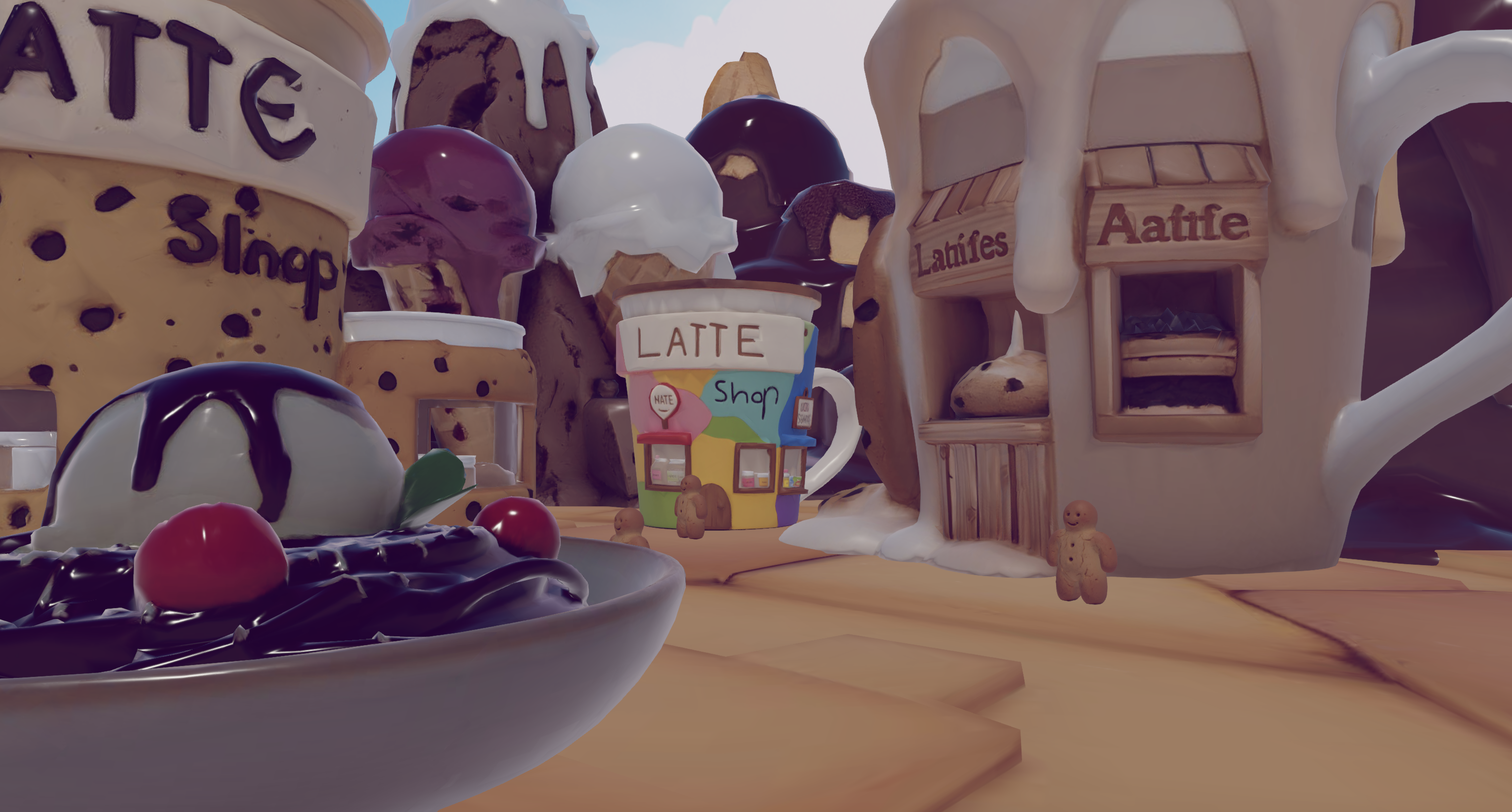
Multiplayer collaboration keeps the process social. You share a URL and friends can join your world instantly to build with you on desktop or mobile. Nilo’s February 2026 survey found 93% of builders would recommend the platform to a friend, with many saying things like: “You made me enjoy vibe-coding. The code assistance works almost flawlessly; other experiences have just been frustrating at best.”
Rosebud AI combines conversational game creation with quick web prototypes. You chat to build and iterate on ideas fast, which feels great when you are testing early concepts. Rosebud focuses on 2D web games and does not provide the 3D engine depth you need for Roblox-style worlds. The platform is limited to web-only deployment without Unity or Roblox exports.
Oasiz offers AI-native game creation with a canvas-based editor that helps if you think visually. You can generate playable prototypes quickly and sprinkle in basic 3D elements. The platform still lacks the custom engine performance and Roblox-focused optimization that serious builders rely on for larger, more complex worlds.
Spawn focuses on instant generation and fast prototyping with AI tools that create game concepts rapidly. This approach works well for early brainstorming. The platform does not give you a deep, hands-on building environment or real-time collaboration, so long-term creation can feel less social and less under your control.
Upit combines vibe coding with game engine features in a browser-based creation setup. The tool offers a helpful starting point, yet it misses the engine depth, integrated 3D asset pipeline, and community layer that support truly collaborative building sessions.
Arcade AI generates games from natural language prompts with a strong focus on quick results. Simple concepts come together fast. The platform does not yet provide the iterative building space or export compatibility that you need for a full game development workflow.
|
Tool |
Vibe Strength |
3D Depth |
Roblox Export |
Collaboration |
|---|---|---|---|---|
|
Natural language + voice |
Custom engine with physics |
Optimized LOD system |
Real-time multiplayer |
|
|
Rosebud AI |
Chat-based development |
Limited 2D focus |
No export |
Community gallery |
|
Oasiz |
Canvas-based prompts |
Basic 3D elements |
Limited compatibility |
Basic sharing |
|
Spawn |
Fast prototyping |
Surface-level 3D |
No optimization |
Link sharing |
Why Nilo Fits Vibe Coding Builders
Prompt-only tools often hit a wall when you want to iterate. You generate something cool, then try to tweak the jump height or add a moving platform, and everything breaks. You end up prompting again and again, stuck in a loop where you never feel fully in control.
Nilo flips this pattern. The custom game engine enables what the team calls “Iron Man” co-creation, where you get superpowers inside playable worlds instead of sitting back while AI does everything. This setup means you can adjust variables directly in the code editor, like changing “speed = 2” to “speed = 20,” and see the results instantly in 3D. The experience feels similar to right-clicking “View Source” on a webpage, except now you are doing it for games.
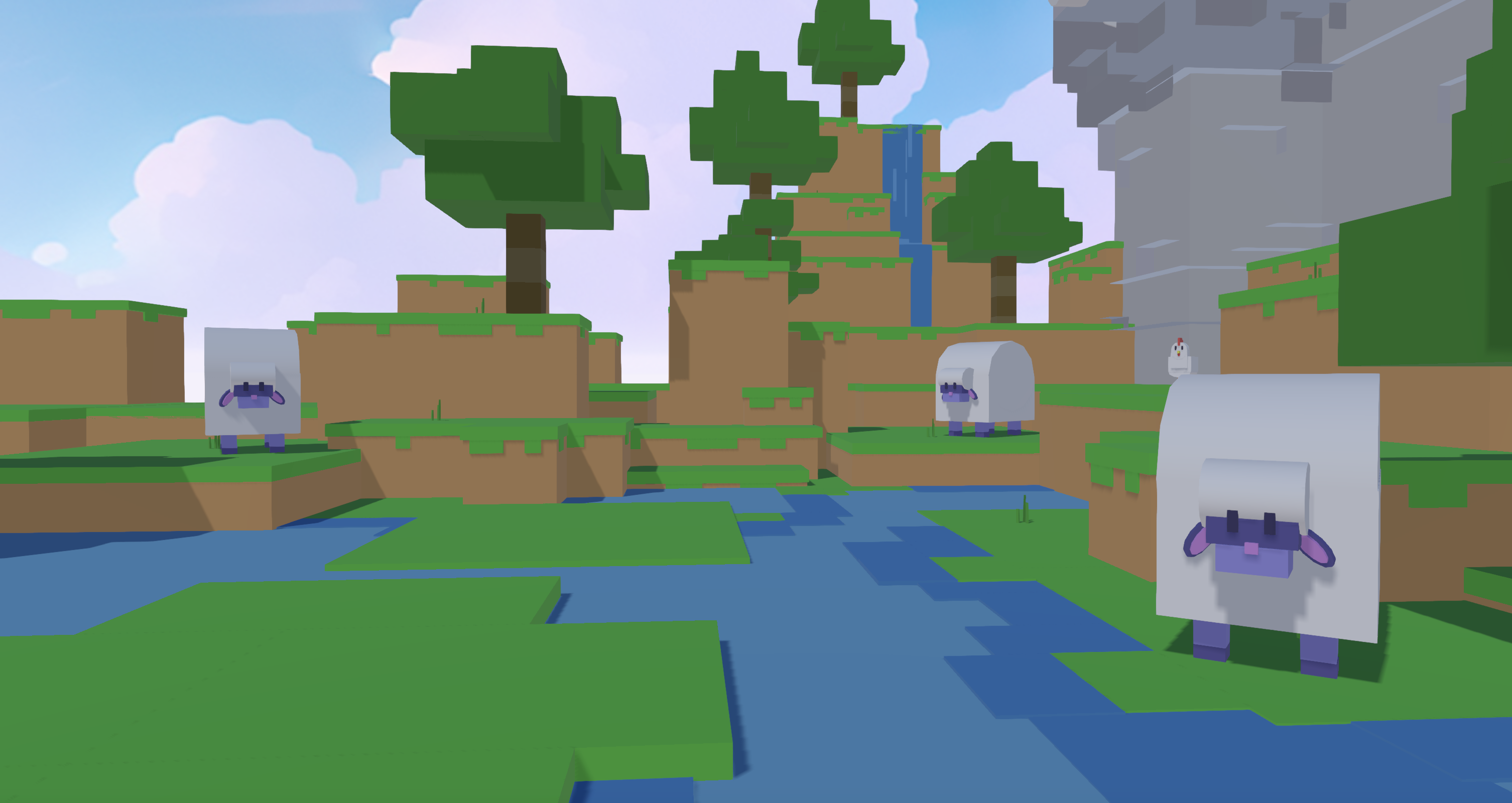
Roblox-focused optimization gives Nilo a crucial edge. Roblox keeps expanding AI integration with third-party tools, yet many AI platforms still generate assets that break Roblox performance limits. The LOD system mentioned earlier ensures your exports actually work in Roblox Studio, handling triangle caps and texture optimization automatically.
Community support shapes the experience as well. With 9,000+ Discord members and over 1M monthly organic social views, Nilo gives you a collaborative space where building feels social. About 82% of builders rate their experience as “Awesome” or “Good” because the platform keeps its promise of making game creation feel as playful as gaming itself.
Avoid Common Vibe Coding Pitfalls
Many builders get excited about AI game creation, then run into familiar problems that drain motivation. First, exports feel laggy and refuse to work in Roblox Studio. Even after you fix those issues, building alone starts to feel boring and isolating. Worst of all, some tools promise everything but only deliver generic results that you cannot truly customize.
You can dodge these problems by choosing platforms with real game engines instead of thin prompt wrappers. Test Roblox compatibility early by generating a simple model and importing it. Look for collaboration features that let you invite friends into your world.
Test Nilo’s Roblox-optimized workflow yourself with 1,000 free Nilo Bits per month and see how it handles these common pitfalls.
FAQ
What is vibe coding?
Vibe coding means creating games using natural language instead of traditional programming. You describe what you want, such as “make a jumping puzzle with moving platforms,” and AI generates the code, assets, and game logic for you. The process feels like having a conversation with your computer about your game ideas, then watching them appear in 3D.
What’s the best free AI for vibe coding games?
Nilo stands out with a generous free tier for vibe coding games, giving you 1,000 Nilo Bits each month for AI generation. You also get unlimited access to core building tools like the 3D editor, physics simulation, and collaboration features. Roblox export optimization and real-time multiplayer building are included without forcing you to spend a bunch of money.
Can you vibe code Roblox games?
You can vibe code Roblox games, but most AI tools still generate assets that break Roblox performance limits. Effective Roblox vibe coding needs platforms that manage polygon counts, texture sizes, and export formats for you. Nilo focuses on Roblox’s 20,000 triangle caps and offers direct export compatibility with Roblox Studio.
How does Nilo compare to Rosebud AI?
Rosebud AI works well for conversational creation of web-based 2D games. Nilo focuses on a full 3D game engine with physics, multiplayer collaboration, and Roblox export support. Rosebud helps you ship quick web prototypes, while Nilo gives you the interactive building flow you need for complex 3D worlds and more serious game projects.
Do browser-based tools have performance limits?
Modern browsers now support WebGPU and WebAssembly, which together deliver console-style performance for 3D games. Nilo’s custom C++ engine compiled to WebAssembly brings professional-grade physics and graphics into your browser. The platform can handle complex 3D worlds that would have been impossible to run smoothly in browsers a few years ago.
Conclusion: Choose Your Vibe Coding Partner
The right AI for vibe coding games depends on what you want to build, yet Nilo stands out if you want a complete setup with real-time 3D building, collaborative creation, and smooth Roblox integration. Prompt-only tools can generate quick concepts, but game-engine-first platforms provide the interactive building that makes creation feel like play.
Whether you are building your first obby or planning complex multiplayer worlds, the right vibe coding platform removes the gap between imagination and execution.
