

Key Takeaways
- Collision glitches like tunneling and double-triggers ruin vibe-coded 3D games, making objects phase through walls or events fire repeatedly.
- You need basics like AABB, circle, and raycast methods so your prompts create solid collision logic without manual coding.
- Reliable fixes include continuous detection for tunneling, debounce logic for double-triggers, and spatial partitioning for smoother performance.
- Nilo’s C++ physics engine with WebAssembly and WebGPU keeps collisions stable from the start through natural language prompts, so you skip most debugging.
- Export glitch-free worlds to Roblox in a few clicks, and start testing your builds for free in Nilo’s open beta today.
Why Collision Detection Matters When You Vibe Code
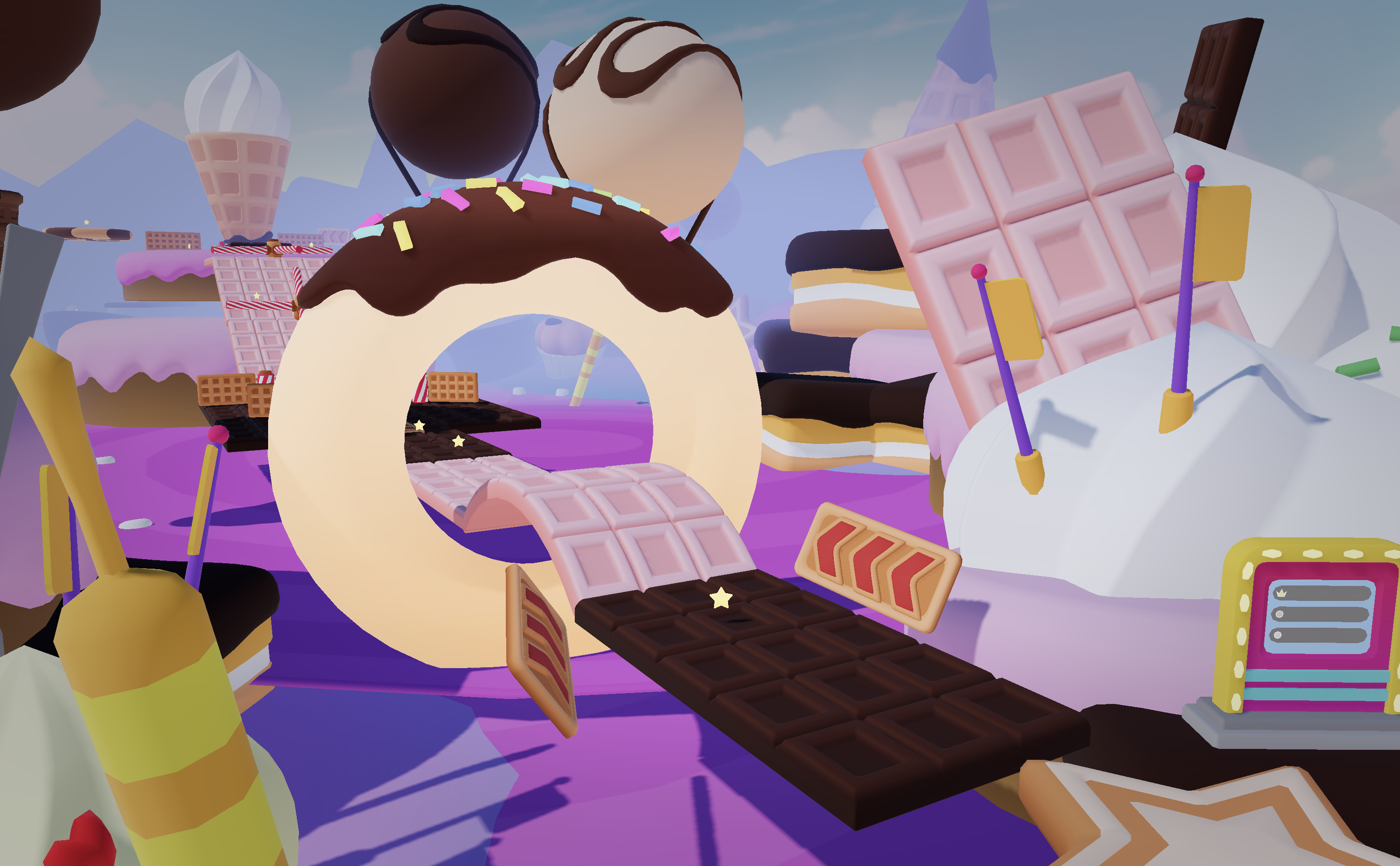
Collision detection failures stack up fast and crush your creative flow. When your obby’s moving platforms phase through walls, players fall through the world. When checkpoint triggers fire multiple times, your scoring system breaks. When bullets pass through enemies without registering hits, your shooter feels unresponsive.
These technical failures turn into emotional costs. You spend hours tweaking prompts instead of designing levels. You lose motivation when simple interactions demand constant debugging. Aspiring builders or already builders like you often walk away from projects after fighting floaty physics and unreliable triggers for weeks.
Beyond the immediate frustration of glitchy physics, the Roblox scripting barrier makes everything harder. Learning Lua takes months, and finding coding partners creates dependency bottlenecks. You want to build worlds, not debug collision algorithms. Integrated platforms like Nilo help here with built-in C++ physics that handle collisions reliably from the start. Start building with reliable physics today and skip most of the painful debugging phase.
Collision Detection Basics You Actually Need
Collision detection tells your game when 3D objects touch or overlap so physics can react. The system wraps game entities in simplified shapes and checks for overlaps using mathematical comparisons instead of testing every polygon.
Three main collision types cover most situations you will build:
| Type | Description | Use Case |
|---|---|---|
| AABB | Axis-aligned boxes for fast checks | Walls or players in obbies |
| Circle | Distance between centers is less than the sum of radii | Rounded bullets or enemies |
| Raycast | Line-based precise hits | Shooters and gunfire |
AABB collision detection uses simple logical comparisons on 3D coordinates, avoiding slower trigonometric operations that rotated shapes need. This makes AABB a strong choice for browser games where performance matters.
AI-native platforms work differently from engines like Unity because they generate collision logic from natural language instead of manual scripts. You describe what should happen, such as “player bounces off walls,” and the AI writes the physics code behind the scenes. Try natural language collision detection now and see how a few sentences can create working physics.

Typical Vibe Coding Collision Glitches and Fast Fixes
Vibe coding collision systems tend to break in similar ways across tools. When you recognize these patterns, you can write better prompts and know when a tool is holding you back.
Tunneling shows up when fast-moving objects skip collision checks between frames. The object moves so quickly that it appears on one side of a wall in one frame and the other side in the next, never triggering the collision detection. This is the “phasing through walls” issue you may have seen already. Prompt for “continuous collision detection” or “swept collision checks” to catch these missed hits.
Double-triggers happen when collision events fire multiple times during a single interaction. Your checkpoint awards points again and again, or your damage system applies several hits from one bullet. Add “debounce logic” or “single-trigger collision” to your prompts so each collision counts once.
3D performance lag appears when the collision system checks every object against every other object. That pattern creates expensive O(n²) calculations that slow your game. Ask for “spatial partitioning” or “grid-based collision” to cut down the number of checks and keep frame rates stable.
Prompt-only tools like Rosebud AI can generate collision code but do not ship with full physics engines that test results. You often get code that looks fine but behaves poorly. Roblox Studio offers strong physics, yet it expects Lua scripting skills that block many aspiring builders or already builders like you.
How Nilo Handles Vibe Coded Collisions
Nilo stands out by pairing a C++ physics engine, compiled to WebAssembly and accelerated with WebGPU, with vibe coding. You get reliable collisions without endless tweaking. The platform combines a real game engine with natural language prompts so your collision logic works in live scenes, not just in theory.
Vibe Coding AABB Collisions That Feel Solid
You can start with a simple prompt like “Add collision to player cube vs walls, AABB, anti-tunneling, smooth movement.” Nilo’s AI generates the collision logic, and the engine runs a stable physics simulation underneath. You see results instantly in the 3D world, instead of waiting for builds or chasing mysterious bugs.
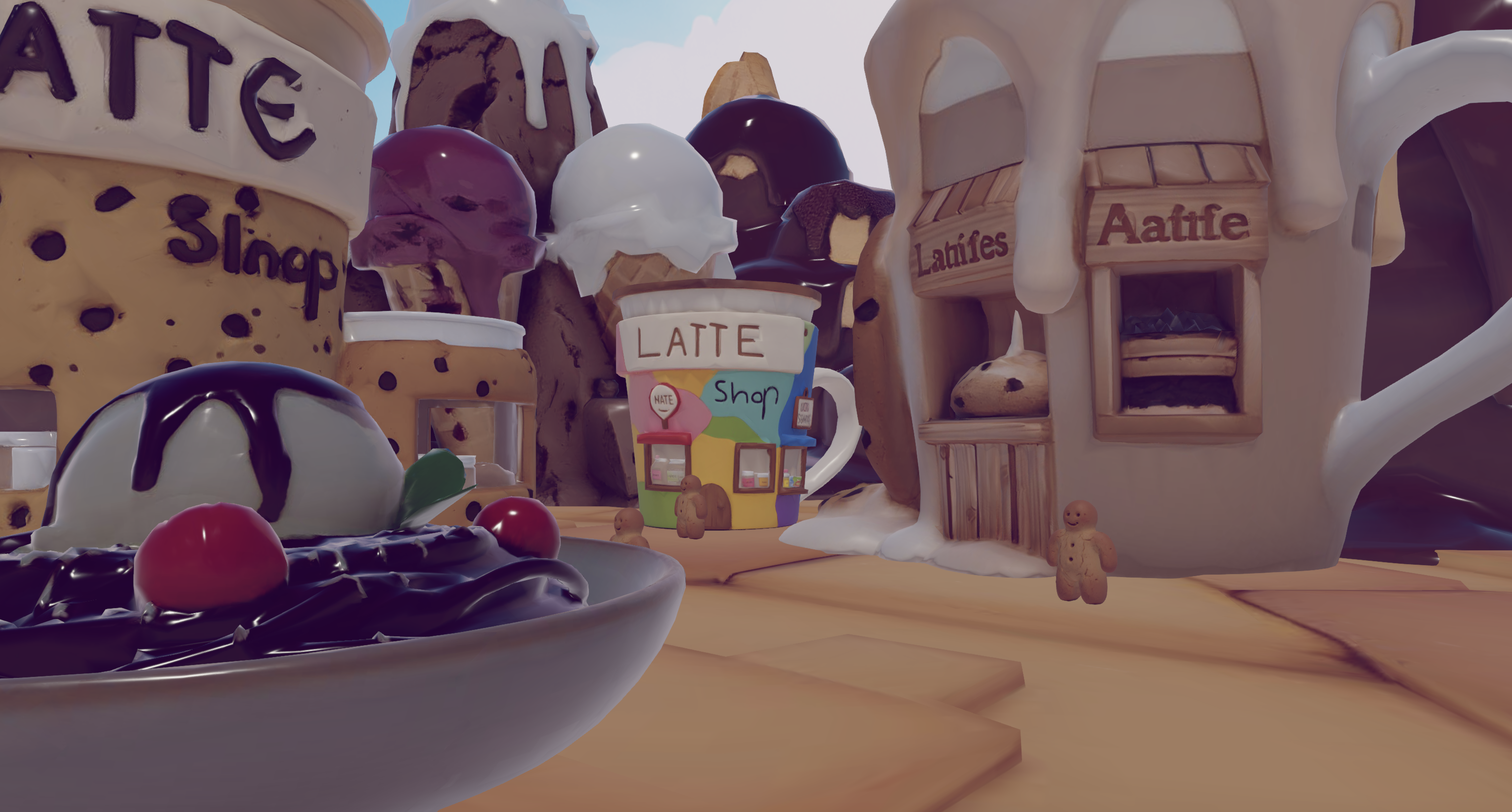
For bullet collision, try “Create raycast collision for projectiles, hit detection on enemies, damage on contact.” The system handles the math while you focus on pacing, difficulty, and level layout. Change behavior by saying “increase bullet speed to 20” and watch the update happen in real time.
Multiplayer collision uses a shared physics simulation so everyone sees the same results. Prompt “add multiplayer collision sync for player movement” and invite friends by sharing your world’s link. Each player experiences consistent collision behavior without obvious desync.
You can export your collision-enabled worlds to Roblox with automatic LOD optimization that respects the platform’s 10K–20K polygon caps. In Nilo’s February 2026 Survey, 93% of builders said they would recommend the platform to a friend, and many highlighted reliable physics as a key reason.
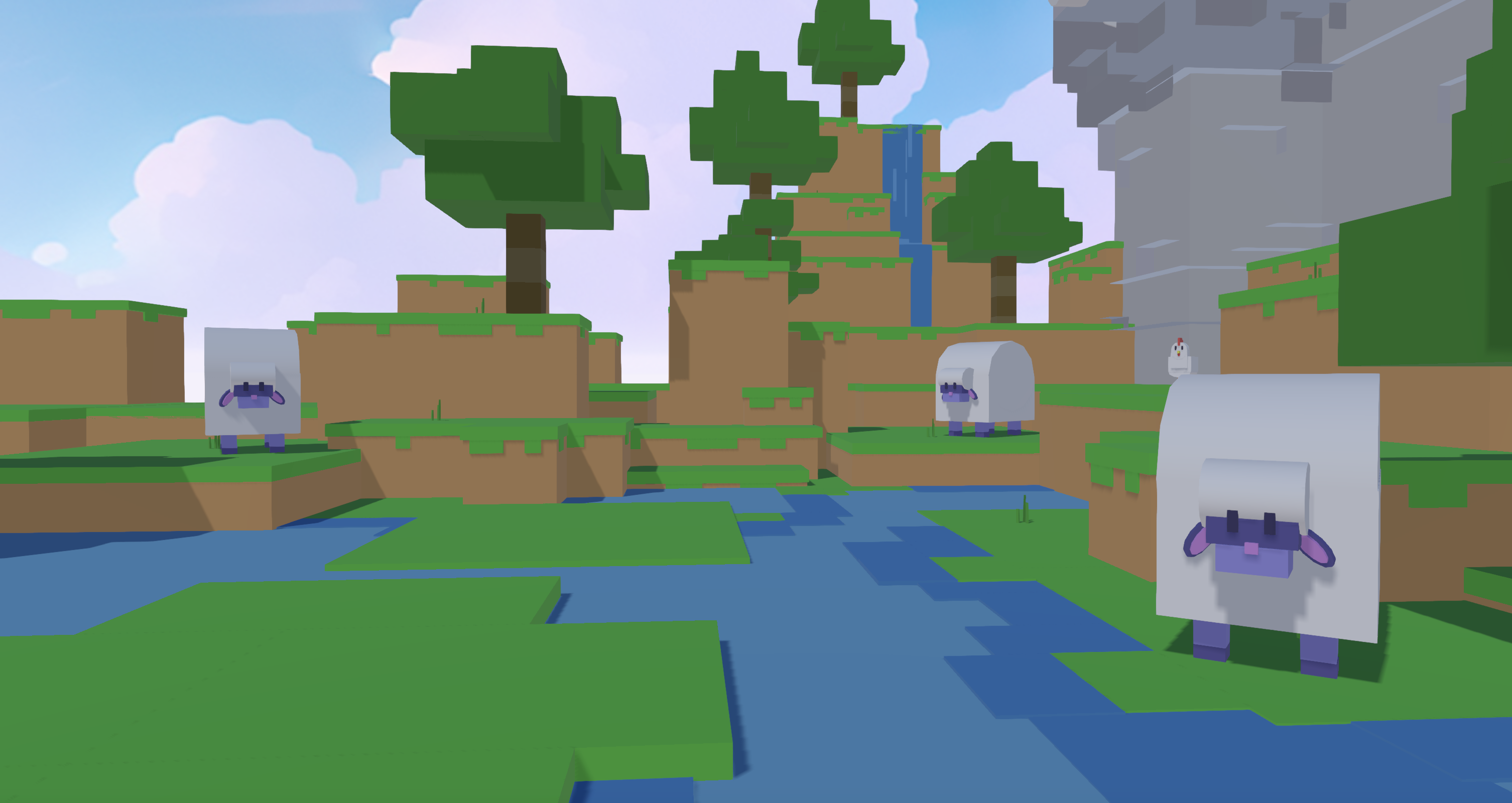
The platform’s backing from Supercell and this growing community reflects confidence in its technical approach. Unlike prompt-only tools that ship broken collision code, Nilo’s engine validates collision logic before you play it. Experience validated collisions in Nilo’s open beta and feel the difference in your first few tests.
Advanced Collision Tips for Bigger Worlds
For complex scenes, you can prompt for “octree spatial partitioning” or “grid-based collision optimization” to keep performance smooth. These techniques split 3D space into smaller regions, so the engine avoids checking every object against every other object.
If you are building multiplayer experiences, collision optimization becomes even more important because of network latency. Multiplayer games benefit from prompts like “client-side prediction with server reconciliation.” This setup gives players responsive local collisions while a server keeps the final results fair.
When you export to Roblox, follow Nilo’s polygon optimization checklist. Confirm collision meshes stay under Roblox limits, test physics behavior in Roblox Studio, and verify multiplayer sync across devices. The Discord community shares detailed optimization tricks and troubleshooting help for tough cases. Join the open beta to access both Nilo and its active Discord community while you learn.
Frequently Asked Questions
What is collision detection in vibe coding?
Collision detection in vibe coding means you use natural language prompts to create physics logic that decides when 3D objects touch, overlap, or interact. You skip writing complex algorithms by hand and instead describe rules like “player bounces off walls” or “bullets hit enemies.” The AI turns those descriptions into physics code. The big shift from traditional coding is the conversational interface, where you talk to the system like you would explain game rules to a friend.
How do I implement AABB collision detection through vibe coding?
Start with clear prompts that describe the interaction you want. For basic AABB collision, you can say “Add box collision between player and walls, prevent tunneling, smooth movement.” For moving platforms, try “Create AABB collision for moving platforms, player sticks to platform, no falling through.” The AI converts these descriptions into axis-aligned bounding box checks, and the engine runs a stable physics simulation. Test right away in the 3D view and refine by updating your prompts.
Can I export Nilo collision systems to Roblox?
Yes, Nilo exports collision-enabled models and worlds to Roblox Studio using standard 3D formats like FBX and glTF. The platform automatically adjusts polygon counts to match Roblox’s 10K–20K triangle limits while keeping collision behavior consistent. Your physics interactions behave the same way in Roblox Studio as they did in Nilo’s browser environment. You can prototype quickly in Nilo’s AI-native workflow, then continue building inside Roblox’s ecosystem.
Why do vibe coding physics systems create glitches?
Many vibe coding tools generate collision code without running it through a real physics engine. You end up with code that compiles but feels wrong in play, such as objects phasing through walls or events firing twice. These glitches appear because the AI guesses patterns from text instead of testing collisions in simulation. Platforms that include full game engines can run collisions in real time and catch problems before you ever see them.
What is different about Nilo compared to prompt-to-game tools for collisions?
Prompt-to-game tools turn text into collision code but usually stop there. They do not always include a physics engine that checks whether the code behaves correctly. You might read clean-looking code and still get broken gameplay. Nilo combines natural language prompts with a custom engine built from C++ physics, WebAssembly, and WebGPU. Collision logic runs through real simulation as it is created, which removes most of the trial-and-error debugging you face with other AI tools.
Conclusion: Vibe Code Collisions That Actually Hold Up
Collision detection glitches do not have to kill your prototypes. Nilo’s mix of natural language prompts and built-in physics gives you collision behavior that feels stable without endless manual fixes. You can spend your time designing worlds and challenges instead of chasing invisible bugs.
The platform helps aspiring builders or already builders like you create collision-ready games through simple conversations, then export to Roblox or other platforms when you feel ready. Your ideas deserve physics that behave the same way every time. Try Nilo’s open beta and start building playable worlds fast so you can focus on creativity instead of collisions.
