
Key Takeaways
- 2026 marks a breakthrough year for browser no-code vibe coding, so you can build 3D games by talking to AI instead of learning to code.
- Vibe coding platforms like Nilo, Rosebud AI, and Replit turn your ideas into playable 3D prototypes in minutes, with a strong focus on gameplay mood and atmosphere.
- Nilo stands out with deep 3D tools, real-time multiplayer building, Roblox export, and a generous free tier of 1,000 Bits each month.
- You can build your first 3D game in Nilo by prompting environments, generating assets, tuning performance, and sharing with friends, all inside your browser.
- Join Nilo’s open beta for free to start creating professional 3D vibe games and see how accessible game development can feel.
How Vibe Coding Turns Ideas Into Playable Games
Vibe coding turns game development from a technical task into a creative conversation. These platforms run in your browser and let you create interactive experiences by describing ideas in plain language, which AI turns into playable prototypes.

Instead of learning programming languages, game engines, and asset pipelines, you focus on the feeling of your game, like gameplay style, mood, art direction, pace, and atmosphere. This works because the AI handles all technical implementation behind the scenes. It translates your natural language descriptions into working code and scenes, so you stay focused on the vibe and overall goal.
This approach removes development friction by making ideas playable almost immediately. You can experiment freely without worrying about syntax errors or complex tools. Your games become more experimental, personal, and diverse, because they reflect your creative vision instead of your current programming skills.
Start experimenting with friction-free game creation in Nilo’s open beta to try this style of building with no downloads and no upfront cost.
Top Browser No-Code Vibe Coding Platforms in 2026
The browser-based vibe coding ecosystem has grown fast, and several platforms now support AI-powered game creation in different ways. When you compare tools, look at 3D depth, multiplayer collaboration, export options, and how friendly they feel when you are just starting.
Nilo stands out with a game engine-first approach and a strong focus on 3D multiplayer experiences. You can generate 3D characters, weapons, and detailed props in seconds by sketching or prompting, and the system keeps models ready for Roblox Studio. In Nilo’s February 2026 survey, 93% of builders said they would recommend the platform to a friend, and many said it “feels like a good game engine rather than a vibe coding tool.”
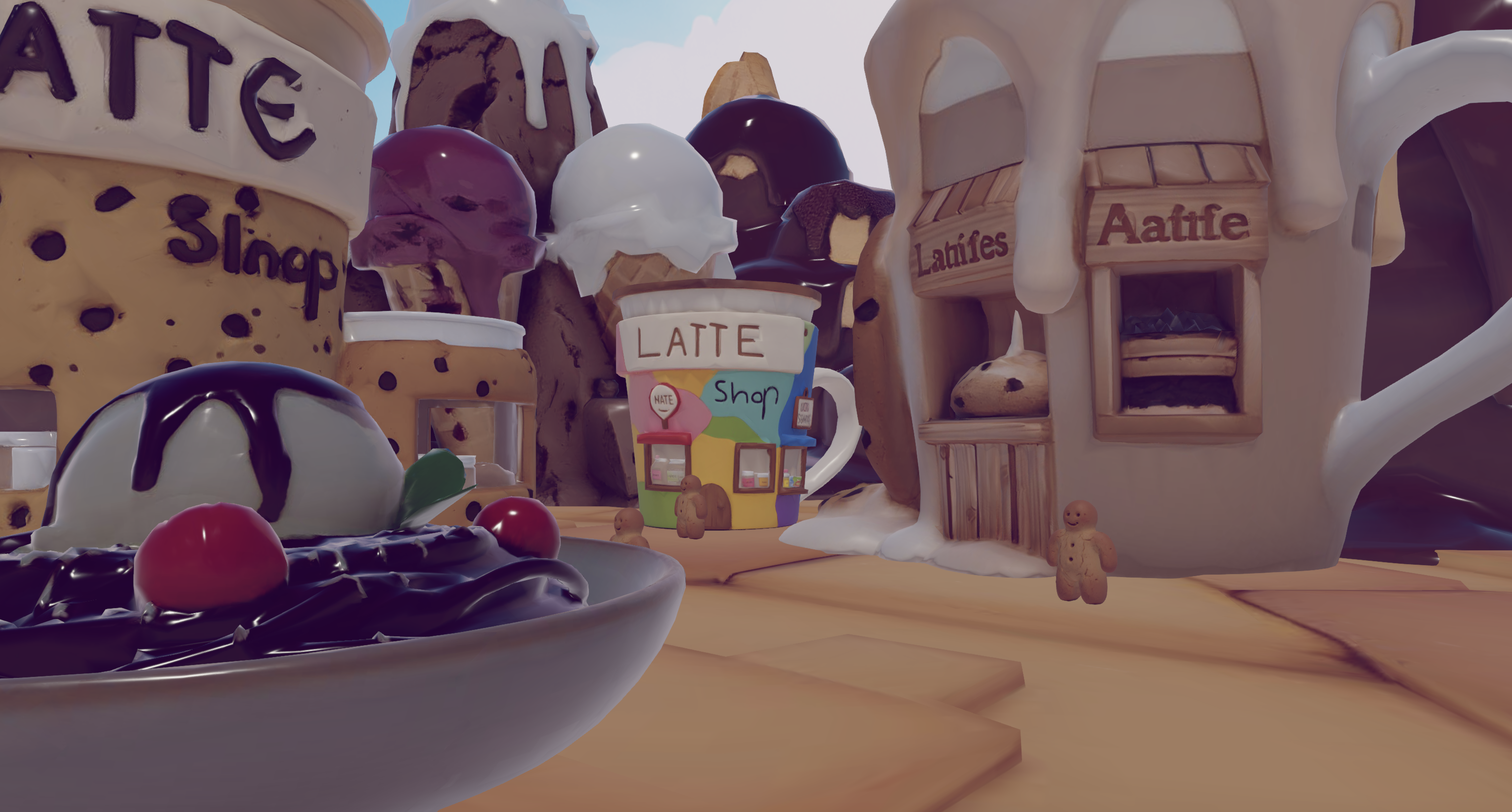
Rosebud AI helps you turn ideas into 3D prototypes quickly by describing what you want in plain language. You can generate assets and basic games fast. The tradeoff is fewer options for building with friends in real time and less depth in engine features like physics and advanced interactions.
Replit lets you build apps and games through its Agent feature by chatting with AI. Replit Agent helped 13-year-old Arjan Dhanda build a full 3D game called Dolphin Quest, with Pokémon-style mechanics, achievements, and multiple worlds in about a week, with no prior coding experience. The experience still feels closer to coding than to visual, hands-on 3D building, which may not match what you want for game creation.
Oasiz and Spawn give you simple canvas editors that feel easy to jump into. You can build basic prototypes without much setup. These tools stay lighter on deep 3D features, so they do not reach the console-style 3D worlds you might want to create and share with friends.
The table below shows how these platforms compare on the features that matter most for collaborative 3D games: 3D depth, real-time multiplayer, Roblox export, free access, and beginner friendliness.
| Platform | 3D Depth | Multiplayer Collab | Roblox Export | Free Tier | Ease for Beginners |
|---|---|---|---|---|---|
| Nilo | High (LOD, physics) | Real-time | Yes (optimized) | 1,000 Bits/mo | High (vibe editor) |
| Rosebud AI | Medium | Limited | No | Limited | Medium |
| Replit | Medium | Limited | No | Free | Medium |
| Oasiz | Low | No | No | Free trial | High |
When you try these platforms, invite a friend to build with you in real time. This shows you quickly which tools truly support collaborative creation and which ones feel more like solo editors. Strong vibe coding platforms make building feel as social and engaging as playing the finished game.
Step-by-Step: Vibe Code Your First 3D Game in Nilo
Building your first 3D world with vibe coding feels closer to playing a game than using traditional dev tools. Follow these steps to create a simple 3D obstacle course (obby) you can share with friends.
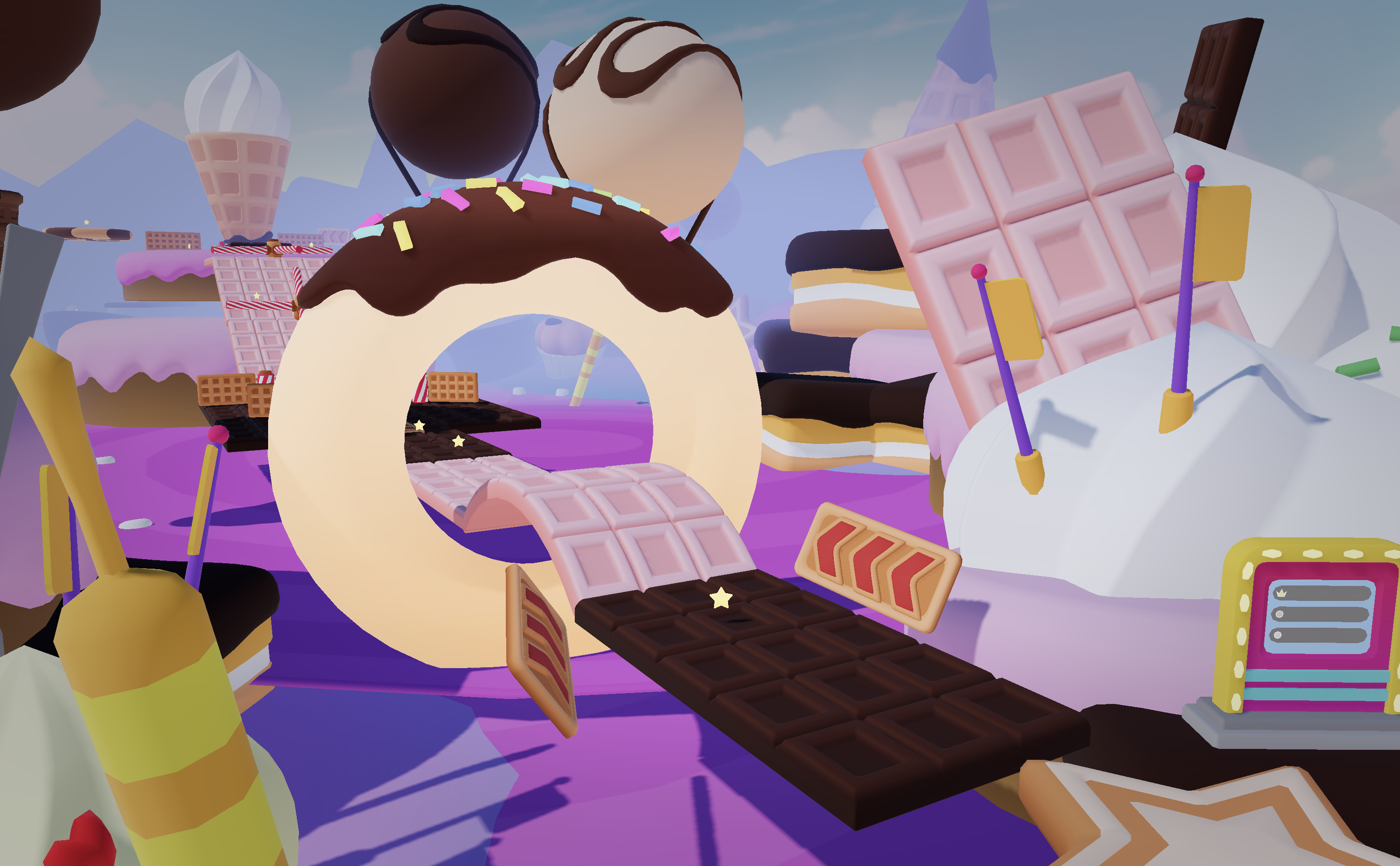
Step 1: Start Your World
Go to play.nilo.io and create a new world. Everything runs in your browser, so you avoid downloads and installs. The interface opens with a 3D environment, and you can start building right away.
Step 2: Vibe Code Your Environment
Use natural language prompts to describe what you want, such as “Create a 3D obby with floating platforms, jump pads, and lava pits.” The AI generates the basic structure while you watch it appear. Refine your prompts with tweaks like “Make the platforms more colorful” or “Add spinning obstacles.”
Step 3: Generate Custom Assets
Create unique elements by sketching, typing, or uploading images. Try prompts like “spiky obstacles that rotate slowly,” or draw a simple shape and let the AI turn it into a 3D model. The platform rigs and animates for you, so you do not need Blender skills.

Step 4: Tune Performance and Build With Friends
Use the LOD (level of detail) slider to keep your world running smoothly on different devices. Share your world link with friends so they can join instantly and build alongside you in real time. Test your obby together and adjust layouts, jumps, and hazards as you play.
Step 5: Share and Export Your Game
Publish your world so others can discover it, or keep it private for your group. If you want to continue in Roblox Studio, export your creation with one click and keep building there.
The process feels intuitive because you build inside the same world you are playing. The creation tool and the game stay in one place, so you are always playing while you build.
Free Vibe Coding Platforms for 3D Games
Several platforms give you free tiers so you can explore vibe coding without spending a bunch of money. Nilo provides 1,000 Bits per month for AI generation, asset creation, and world publishing, which is enough to build multiple projects and try different ideas.
Replit reports that 75% of its users never write code and can build, run, and deploy from one browser tab, so it feels approachable for beginners. Its main strength sits in general app development, not in the specialized 3D game tools that aspiring builders or already builders like you often need.
Rosebud AI offers a limited free tier focused on prompt-to-game generation. It works well for quick prototypes. The free version has fewer collaboration features and export options, which can slow you down once you move toward more serious game projects.
When you pick a free platform, focus on 3D support and export options. You want a tool that grows with your skills and connects to the wider game development ecosystem instead of locking your work inside one editor.
Experience Nilo’s full creation pipeline with 1,000 free Bits monthly, with no lock-in and direct export to Roblox when you are ready.
Vibe Coding vs Traditional No-Code Tools
Traditional no-code platforms like Bubble or Webflow use drag-and-drop interfaces and visual logic blocks. They work well for web apps but start to struggle with 3D games. You often fight rigid templates and fixed components that do not match the world you imagine.
Vibe coding focuses on iterative co-design with AI through conversation, keeping you in flow while you explore ideas. Instead of dragging components on a canvas, you describe what you want and refine it through back-and-forth prompts.
This difference matters a lot for games. Games need dynamic interactions, physics, and responsive behaviors that feel alive, which are hard to build with traditional visual programming. Vibe coding platforms like Nilo handle much of this complexity for you, so you can stay focused on story, pacing, and how the game feels.
The “Iron Man, not Wall-E” mindset fits here. You get superpowers from AI to create more effectively, while you still make the key creative decisions. The AI handles the heavy technical work, and you guide the experience.
Frequently Asked Questions
Is there a free vibe coding platform for 3D games?
Yes. Nilo’s free tier, with 1,000 Bits each month as mentioned earlier, covers AI generation, world building, and export. This allowance lets you create multiple 3D worlds and try different mechanics without paying. Replit and Rosebud AI also have free tiers, each with its own focus and limits.
How do you vibe code a game from scratch?
Start by describing your game concept in natural language, for example “Create a 3D platformer where players collect gems while avoiding moving obstacles.” The AI generates a basic version of that idea. You then refine it through conversation with prompts like “Make the gems sparkle more” or “Add a timer that counts down.” Treat the AI as a creative partner that you direct, not as a strict command line.
What is the strongest Rosebud AI alternative for 3D games?
Nilo offers a strong alternative if you want deeper 3D and multiplayer features. Rosebud AI focuses on fast prompt-to-3D generation. Nilo adds real-time collaboration, advanced physics, and direct export to platforms like Roblox. Your choice depends on whether you care more about quick prototypes or full game development workflows.
Do you need coding skills to use vibe coding platforms?
You do not need coding experience. These platforms are built for aspiring builders or already builders like you who want to create games without learning programming languages first. You communicate through natural language, sketches, or images. The AI handles the technical side and can still teach you game concepts as you build.
Can you export vibe-coded games to Roblox?
Yes. Platforms like Nilo support Roblox export with assets prepared for Roblox Studio. You can move characters, animations, and environments over and keep building there without heavy cleanup.
Do vibe coding platforms work on mobile browsers?
Most modern vibe coding platforms run on mobile browsers, though the experience changes by device. Desktop browsers usually give better performance for complex 3D creation. Mobile works well for quick edits, testing, and light collaboration. The browser-first approach means you avoid app downloads on any device.
How does multiplayer collaboration work in vibe coding?
Real-time multiplayer platforms like Nilo let you share a world link with friends who can join instantly. Everyone sees changes as they happen, similar to editing a shared document, but in 3D space. You can hang out on Discord or another chat while you build together.
What 2026 trends are shaping vibe coding for games?
WebGPU support across major browsers since September 2025 enables high-performance 3D rendering without complex setup, and AI-assisted asset generation cuts production time sharply. Together, browser maturity and AI progress make 2026 a turning point for accessible 3D game creation.
2026 Vibe Coding Trends and What Comes Next
Browser-based vibe coding now sits at the center of accessible game development. WebGPU support and AI-assisted tools have matured enough to power professional-quality 3D experiences directly in your browser, while the AI game development market keeps expanding.
The mix of stronger AI, better browsers, and a generation raised in 3D worlds creates huge room for new voices in games. You no longer need to pick between strong ideas and strong technical skills, because vibe coding platforms help you bridge that gap.
Whether you are building your first 3D world or speeding up an existing workflow, these tools make creation feel as engaging as playing. The barrier between imagination and execution keeps shrinking, so game development opens up to anyone with vision and curiosity.
Be part of this shift by joining Nilo’s free open beta and start creating your own 3D games today.
