
Key Takeaways
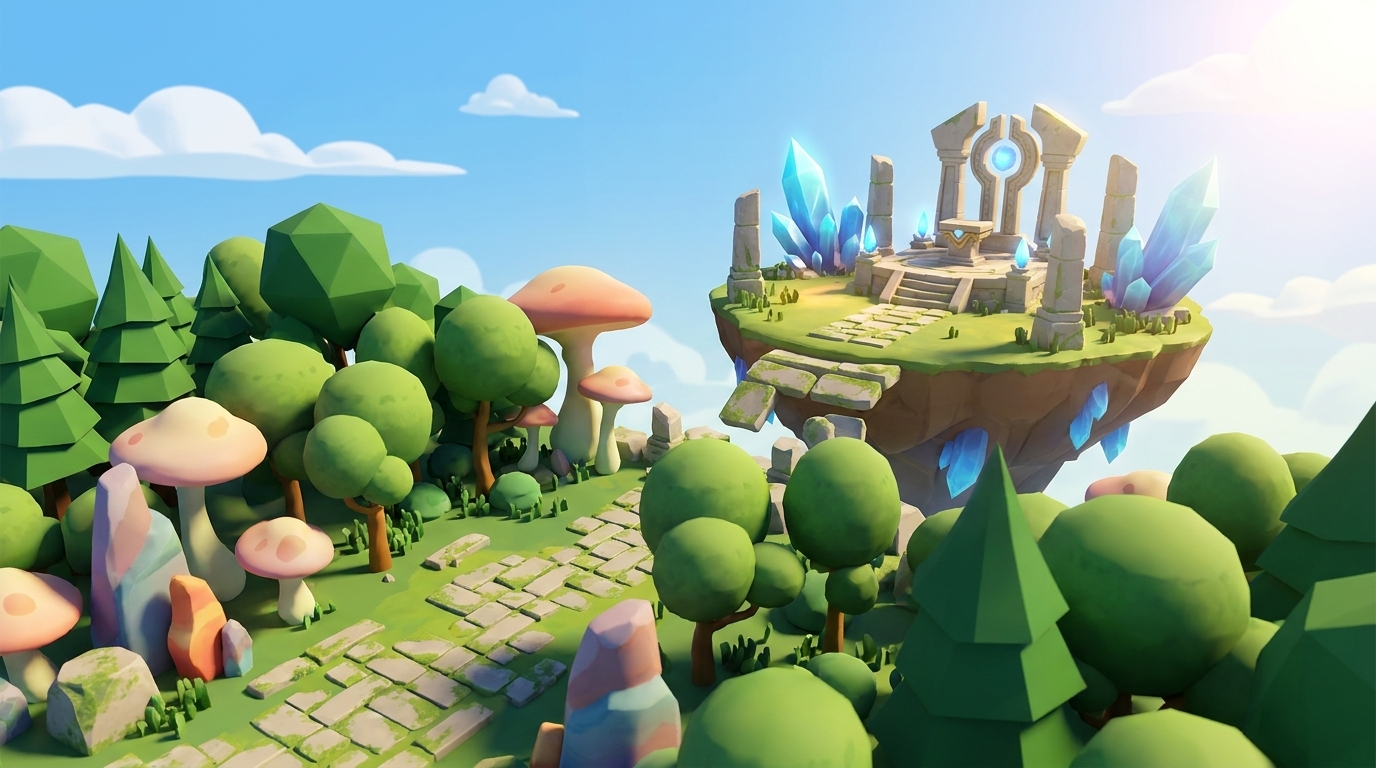
- 2026 browser-based engines like Nilo deliver console-style 3D performance without downloads, which fits Roblox and Minecraft creators well.
- AI-native tools turn text, sketches, or images into assets, so you can skip most Blender modeling headaches.
- Nilo stands out with real-time multiplayer collaboration, vibe coding, and automatic Roblox export cleanup.
- Godot gives you free open-source power for 2D and 3D, while GDevelop and Construct 3 focus on no-code 2D creation.
- Start building social 3D worlds instantly with Nilo’s open beta, free with no install.
The Problem: Hitting Walls When You Just Want to Build
You have an amazing idea for an obby or a 3D world, then everything feels complicated the moment you open Roblox Studio or try Unity. Desktop installs eat up storage space. Lua scripting feels like learning a foreign language. Blender’s retopology process turns a 30-second idea into a 5-hour technical nightmare.
Professional game tools were not built for creators who grew up in Minecraft and Roblox. They assume you want to spend months learning complex workflows instead of building and sharing worlds with friends. That disconnect has left millions of aspiring builders stuck between their imagination and the technical barriers blocking their way forward.
Fortunately, 2026 has brought a wave of innovations specifically designed to close this gap. Godot 4.6 introduced major polish and quality-of-life improvements that reduce editor friction. Browser engines like PlayCanvas now support WebGPU rendering. AI-native platforms now shrink the distance between “I want to build this” and “here is my finished game.”
The industry recognizes that 735 million monthly players across Roblox, Minecraft, and Fortnite represent the largest creative audience in gaming history. These are not just players. They are builders waiting for tools that feel as fun and social as the games that inspired them.
How to Evaluate Beginner-Friendly Game Engines in 2026
Focus on rapid prototyping and creative flow when you choose your first game engine. You should be able to build a working prototype in about 30 minutes. The engine should support natural language prompts or visual scripting instead of only complex coding. Real-time collaboration should let you invite friends to build with you inside the same project.
Use this evaluation checklist, organized around speed and access. Start with learning curve, because you should see results within your first session, not your first month. That early momentum grows when you have no-code or “vibe coding” features that let you describe interactions instead of writing syntax. Browser access then multiplies that speed by removing installs and making sharing as simple as sending a link. After that, check performance on low-end devices so your games run smoothly for more players. Finally, look at export options, especially Roblox integration, so you can publish where your friends already play.
Collaboration features and free tiers matter as much as raw power. Engines that work well for aspiring builders support real-time multiplayer creation and give you meaningful free access. You should not need to choose between learning and creating with friends, or between experimenting and spending a bunch of money.
This massive creative audience has shown that creation works best when it feels social and accessible. Nilo Creators consistently report that collaborative building and instant sharing keep them engaged long after the initial excitement of generation fades.
Core Comparison: Match Engines to How You Build
Use this snapshot to see how leading beginner-friendly engines stack up on the metrics that matter most for aspiring builders like you in 2026:
| Engine | Ease (1-5) | Browser/No-Code/Roblox Export/AI | Best For |
|---|---|---|---|
| Nilo | 5/5 | Yes/Yes/Yes/Model-agnostic | Social 3D creation with AI |
| Godot | 4/5 | No/Visual/Basic/Free | Open-source 2D/3D indie games |
| GDevelop | 5/5 | Partial/Yes/No/Limited | No-code 2D games |
| Construct 3 | 4/5 | Yes/Yes/No/No | Browser-based 2D games |
| Unity | 3/5 | Limited/No/No/Plugins | Professional cross-platform |
| PlayCanvas | 3/5 | Yes/No/No/No | Browser 3D collaboration |
Look at real onboarding experiences as you compare. Godot 4.4’s simpler UI and GDScript reduce learning curves for newcomers, especially for 2D games and small 3D projects. Unity offers a moderate learning curve using C# but requires significant technical training. GDevelop features visual event sheets that feel intuitive if you do not code, while Construct 3 remains popular because of its polish and deep documentation.
Deep Dive Solutions: Engines That Fit Specific Goals
Nilo as Best Browser Game Engine for Beginners in 2026
Nilo stands out as a browser-native engine built around AI-powered 3D creation. You can generate characters, props, and environments from natural language prompts, sketches, or reference images, then rig and animate with one click. Real-time multiplayer collaboration lets you build with friends instantly by just sharing a link.
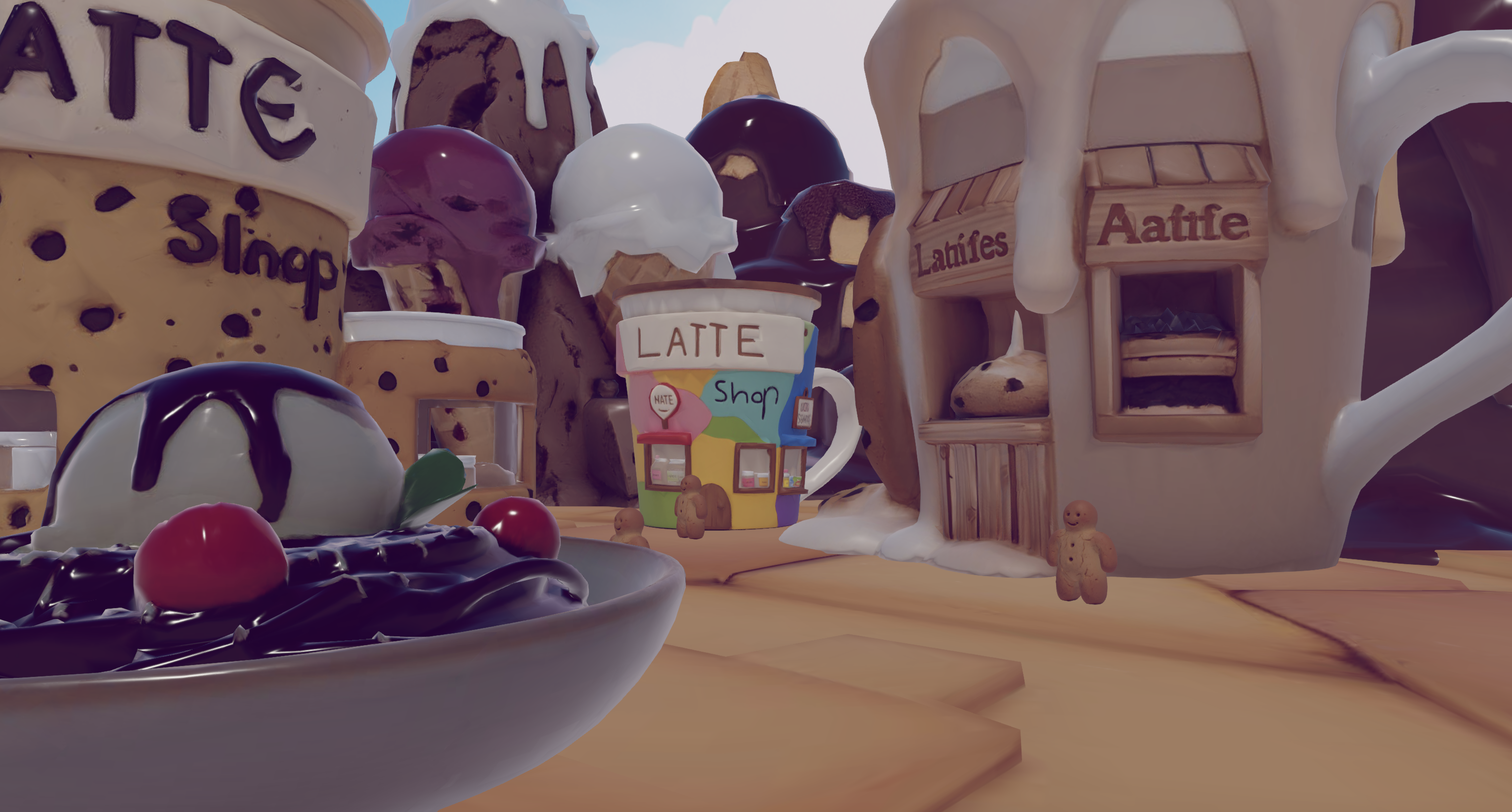
A model-agnostic AI layer sits at the core of Nilo and connects to providers like Meshy, Tripo, and Cartwheel, so you can switch between them for different looks or detail levels. The built-in level of detail system automatically adjusts polygon counts and keeps models within Roblox-friendly ranges, so your exports work without manual cleanup. In Nilo’s February 2026 Survey, 82% of builders rated their experience as “Awesome” or “Good,” and many said they can “work 20 times faster than usual.”
The engine runs on C++ physics compiled to WebAssembly with WebGPU acceleration, which delivers console-quality performance in your browser. You avoid retopology hell, Blender detours, and installation friction. You move from imagination to a playable world with a much smoother flow.
Easiest No-Coding Engines for 2D and 3D
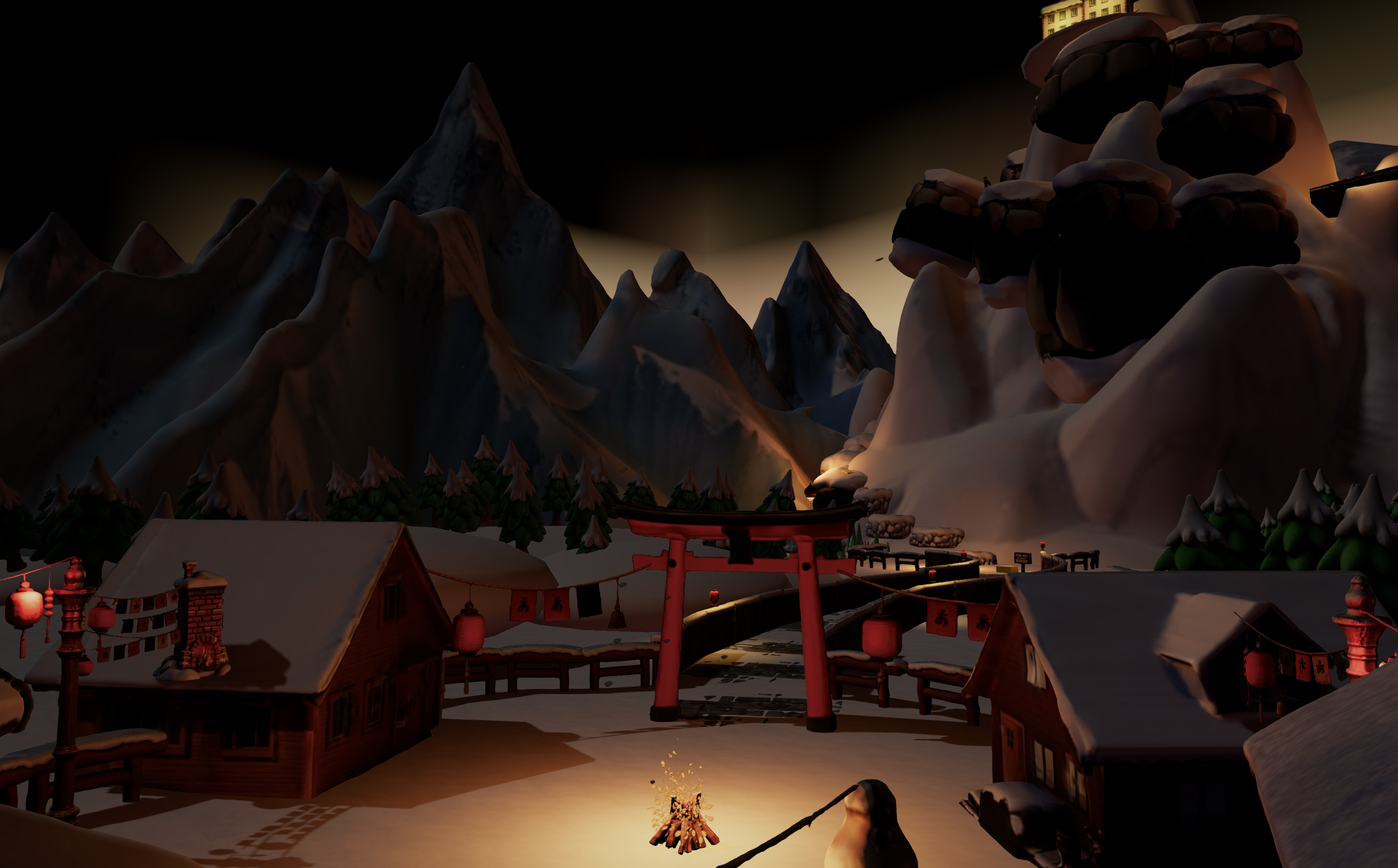
For pure no-code creation, GDevelop and Construct 3 lead the traditional space. GDevelop uses visual event sheets that feel natural if you think in steps instead of code and supports exports to web, desktop, and mobile. Construct 3 runs entirely in browsers with a no-download editor and has strong marketplace support.
Nilo takes a different path with “vibe coding,” which uses natural language prompts to generate working code with real-time 3D feedback. Instead of dragging event blocks, you describe what you want, such as “make the player jump higher when they touch the blue platform.” The AI writes the code while you see results instantly in your 3D world. You can then tweak variables directly and pick up real programming concepts through play.
Godot vs Unity 2026 for Beginners
Godot 4.4 offers a lightweight editor with fast launch and hot reload times, while Unity 6 uses a larger editor with longer launch and recompile times. If you care about fast iteration, Godot’s speed advantage feels significant.
Godot has an easy-to-moderate learning curve with Python-like GDScript, while Unity has a moderate curve with its MonoBehaviour workflow. Both engines still require desktop installation and do not offer browser-native collaboration.
Nilo removes the installation barrier entirely and adds collaborative building that neither Godot nor Unity includes by default. You get iteration speed similar to Godot plus social features that make creation feel like play.
Best Free Game Engine Options in 2026
Godot remains a strong free desktop option with its MIT license and zero royalties. Godot Engine 4.6 is recommended as a top mobile game engine for beginners in 2026 because the editor is MIT-licensed and royalty-free.
Nilo gives you 1,000 free Nilo Bits each month for AI generation, export, and creation, while core building features stay free and do not use credits. This freemium model lets you prototype a lot before you decide whether you want more AI capacity.
Why Nilo Fits Roblox-Focused Creators
Nilo’s browser-based architecture, described earlier, delivers performance that rivals desktop engines without any downloads. This performance foundation lets the AI generation pipeline run smoothly in your browser, with support for natural language prompts, sketch-to-3D conversion, and reference image uploads. Once you have generated assets, vibe coding extends this natural language flow to interactions, so you describe behaviors in plain English and see them come alive.
Real-time collaboration lets you share a project link and start building with friends immediately on desktop or mobile. The automatic LOD system keeps your models within Roblox-friendly polygon ranges, and one-click exports give you clean FBX files ready for Roblox Studio.

Builders in the survey mentioned earlier reported dramatic time savings: “I do not have to spend hours on 3D modeling the simplest things, now I can use Nilo and do it in 15 seconds.” The 9,000+ member Discord community adds support, inspiration, and collaboration partners that help you stick with your projects. Start building your first world free with no install.
Put These Engines to Work: Starter Project Ideas
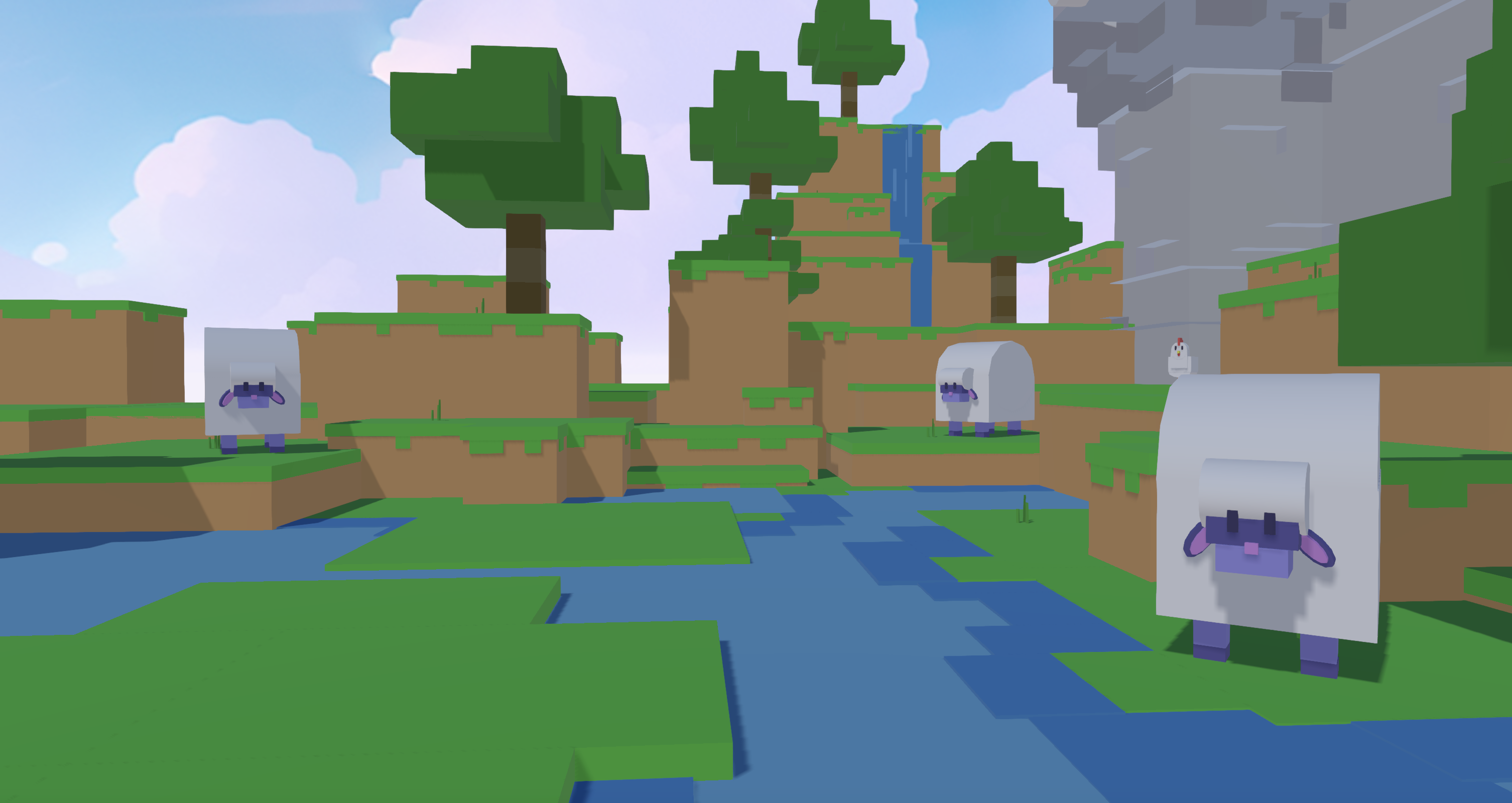
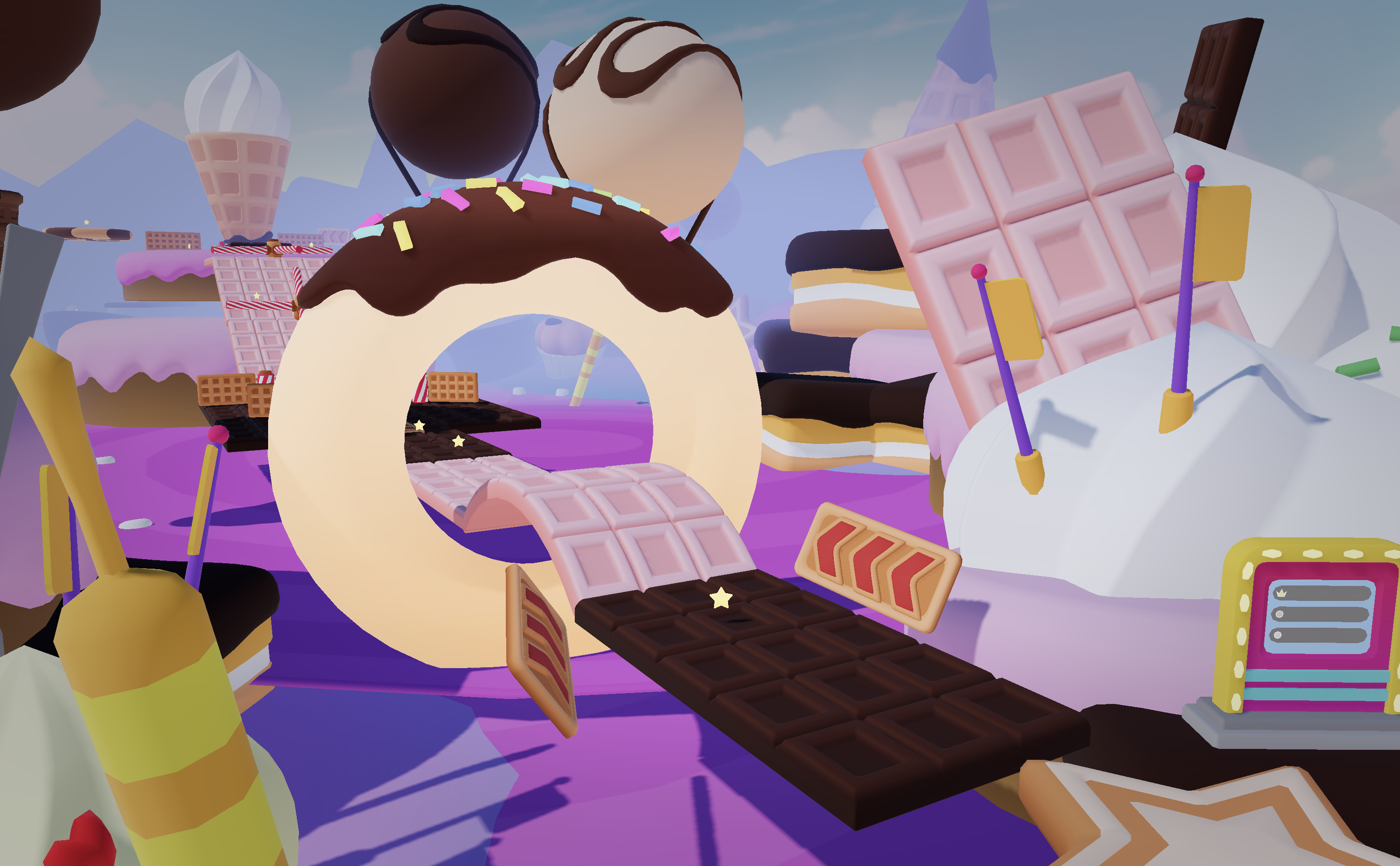
Try a simple obby in Nilo to feel the full loop. Generate platforms with prompts like “floating stone platform” or “glowing jump pad,” then use vibe coding to add rules like “make players bounce higher on the blue platforms.” You can usually go from concept to a playable prototype in under 30 minutes.
For 2D games, GDevelop’s event system lets you build platformers or puzzle games with visual logic blocks. The trade-off stays clear. Nilo focuses on 3D social creation with AI help, while GDevelop focuses on traditional 2D mechanics with broad export options.
Solo creators benefit from Nilo’s AI speed boosts and instant sharing. Teams enjoy real-time collaboration that feels closer to playing together than working alone in separate files.
FAQ
What is the easiest no-coding game engine in 2026?
Nilo and GDevelop both offer strong no-code experiences, but they solve different problems. Nilo uses natural language “vibe coding,” where you describe what you want in plain English and the AI generates working code with real-time 3D feedback. You can build interactive 3D worlds by talking to the engine. GDevelop uses visual event sheets that work like flowcharts, where you drag and connect logic blocks to create behaviors. GDevelop fits traditional 2D games well, while Nilo focuses on AI-powered 3D creation with social collaboration.
Godot vs GameMaker: which works better for beginners?
Godot is more versatile and completely free, with support for both 2D and 3D games and a Python-like GDScript that feels easier than many languages. GameMaker focuses on 2D games with strong drag-and-drop tools and has powered hits like Undertale and Celeste, but it needs paid licenses for commercial use. Godot’s open-source nature and broad platform support make it a better fit for most beginners, especially if you care about 3D or want to avoid subscriptions.
What are the best AI game engines for beginners in 2026?
Nilo stands out in the AI-native space with a model-agnostic setup that connects to providers like Meshy, Tripo, and Cartwheel, so you can switch for different results. You can generate 3D assets from natural language prompts, sketches, or images, then rig and animate with one click. Other AI-powered options include Rosebud AI, which turns prompts into full games, and AI plugins for traditional engines. You should weigh trade-offs such as limited browser collaboration or weaker export tools when you compare them.
Should I use browser-based or desktop game engines?
Browser engines remove installation friction and make collaboration instant, because you can share a link and start building with friends right away. They work well for rapid prototyping and social creation. Desktop engines like Godot and Unity give you more advanced features and stronger performance for very complex projects, but they require downloads, updates, and more setup. If you are starting out or care most about collaboration and quick iteration, browser engines like Nilo or Construct 3 feel ideal. For advanced 3D graphics or professional pipelines, desktop engines still matter.
How do I export games to Roblox from other engines?
Most game engines do not support direct Roblox export. You usually export 3D models as FBX or OBJ files, then import them into Roblox Studio by hand. The main challenge is optimization, because Roblox has strict polygon limits, so you often need Blender cleanup to reduce triangle counts. Nilo is unusual because it offers automatic LOD adjustments and one-click Roblox exports that meet platform requirements without manual retopology. With other engines, expect a multi-step workflow that includes external 3D tools for optimization.
What are the best free game engines with no payment pressure?
Godot stands out with its MIT license, which stays completely free with no royalties, subscriptions, or commercial limits. GDevelop offers generous free tiers for personal projects. Nilo provides 1,000 free Nilo Bits each month for AI generation plus unlimited access to core building tools. Unity has a free tier but requires paid licenses once your revenue passes certain thresholds. Construct 3 works in a limited Free edition mode until you buy a subscription to remove limits. For truly low-pressure development, Godot and Nilo give you the most sustainable free access.
Conclusion: Start Building Your World
The gap between imagination and execution has never been smaller for creators like you. Browser-native engines with AI support, real-time collaboration, and smoother export workflows turn game creation from a technical grind into a creative playground. Whether you choose Godot’s open-source flexibility, GDevelop’s visual simplicity, or Nilo’s AI-powered social creation, you now have tools that turn ideas into playable worlds.
Nilo stands out for aspiring builders who want a full package that lives in the browser. You get AI-powered asset generation, vibe coding for interactions, real-time collaboration, and Roblox-ready exports in one place. The platform removes traditional barriers while keeping creation fun and social. Your first game can start today. Join Nilo’s open beta and try building and playing for free.
