Key Takeaways
- AI lets you create playable 3D games with natural language prompts, or “vibe coding,” without writing traditional scripts.
- Tools like Nilo turn text descriptions into full game mechanics, physics, and interactions, then let you playtest in your browser.
- You can follow a 7-step flow in Nilo: sign up, start a world, add elements, shape environments, playtest, and export to Roblox.
- Specific prompts with clear details about controls, speeds, and behaviors give you stronger AI game code that you can refine in conversation.
- Join Nilo’s open beta today to build, playtest, and share AI-generated games for free with 1,000 monthly Bits.
How AI Turns Your Text into Game Code
AI can read natural language prompts and turn them into working game scripts, physics systems, and user interfaces. Modern tools understand requests like “create a player that jumps when spacebar is pressed” or “add an enemy that chases the player” and then generate the matching code automatically.
This becomes powerful once it connects directly to a game engine. Instead of spitting out random code snippets, AI-native platforms create full interactive systems with physics, collision, and real-time feedback. Nilo’s vibe coding system follows this path by pairing natural language with a custom 3D game engine.
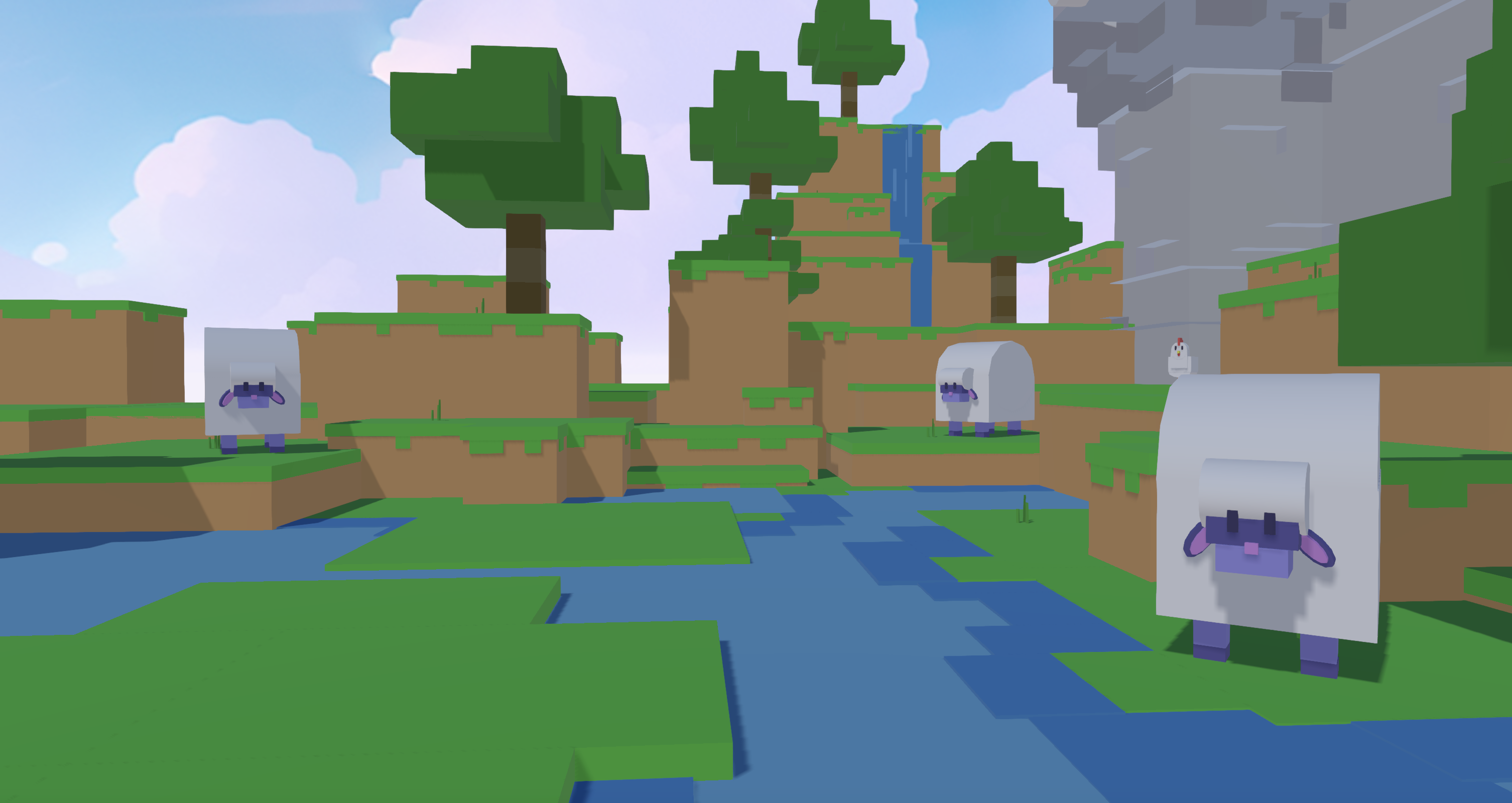
The legal side stays simple. AI-generated code is yours to use, change, and customize. Treat the AI output as your starting draft. You can tweak variables, like changing “speed = 2” to “speed = 20,” adjust mechanics, and keep iterating until the game feels exactly how you want.
Top Platforms for AI Game Code from Text
Now that you know how AI turns prompts into code, you can compare the platforms that offer this experience. When you look at AI game creation tools, focus on browser access, 3D support, real-time playtesting, and export options.
Nilo stands out as a browser-based platform that blends AI generation with a custom 3D game engine. Because everything runs in your browser, you can create interactive worlds with natural language prompts and test them right away with working physics. You stay in one place instead of bouncing between tools. This same flow continues when you export, since you can push directly to Roblox from the platform. Nilo gives you 1,000 free Bits each month so you can try generation and collaborative building without spending a bunch of money. With 7% of Steam games disclosing generative AI use, tools like Nilo help you join that wave of AI-assisted creation.

Rosebud AI helps you turn prompts into code that gets your ideas moving. You can spin up quick prototypes, then bring them into other tools when you want full 3D environments with physics and deeper control.
Replit gives you AI help for many types of coding. It works well for scripts and experiments, but it does not focus on interactive 3D games with instant in-engine testing.
Roblox Studio gives you a lot of power for building games. The tradeoff is that it needs a download, decent hardware, and scripting skills. That setup can feel heavy when you mainly want to try ideas fast and focus on fun mechanics.
According to Nilo’s February 2026 survey, 93% of builders recommend the platform to friends. Many say “You made me enjoy vibe-coding” and highlight its community of 9,000+ Discord members backed by Supercell.
7 Steps to Generate Game Code from Text in Nilo
Use this step-by-step flow to create your first AI-generated 3D game.
1. Sign Up and Open Nilo in Your Browser
Visit play.nilo.io and create your free account. Nilo runs entirely in your browser, so you avoid downloads, installs, and high-end hardware. Your account includes 1,000 free Bits each month for AI generation.
2. Start a New 3D World
Click “Create New World” to open Nilo’s 3D environment. You see a radial menu for fast object creation and an inspector panel for detailed tweaks. The interface feels like a game, not a heavy development suite.

3. Generate Your First Interactive Element
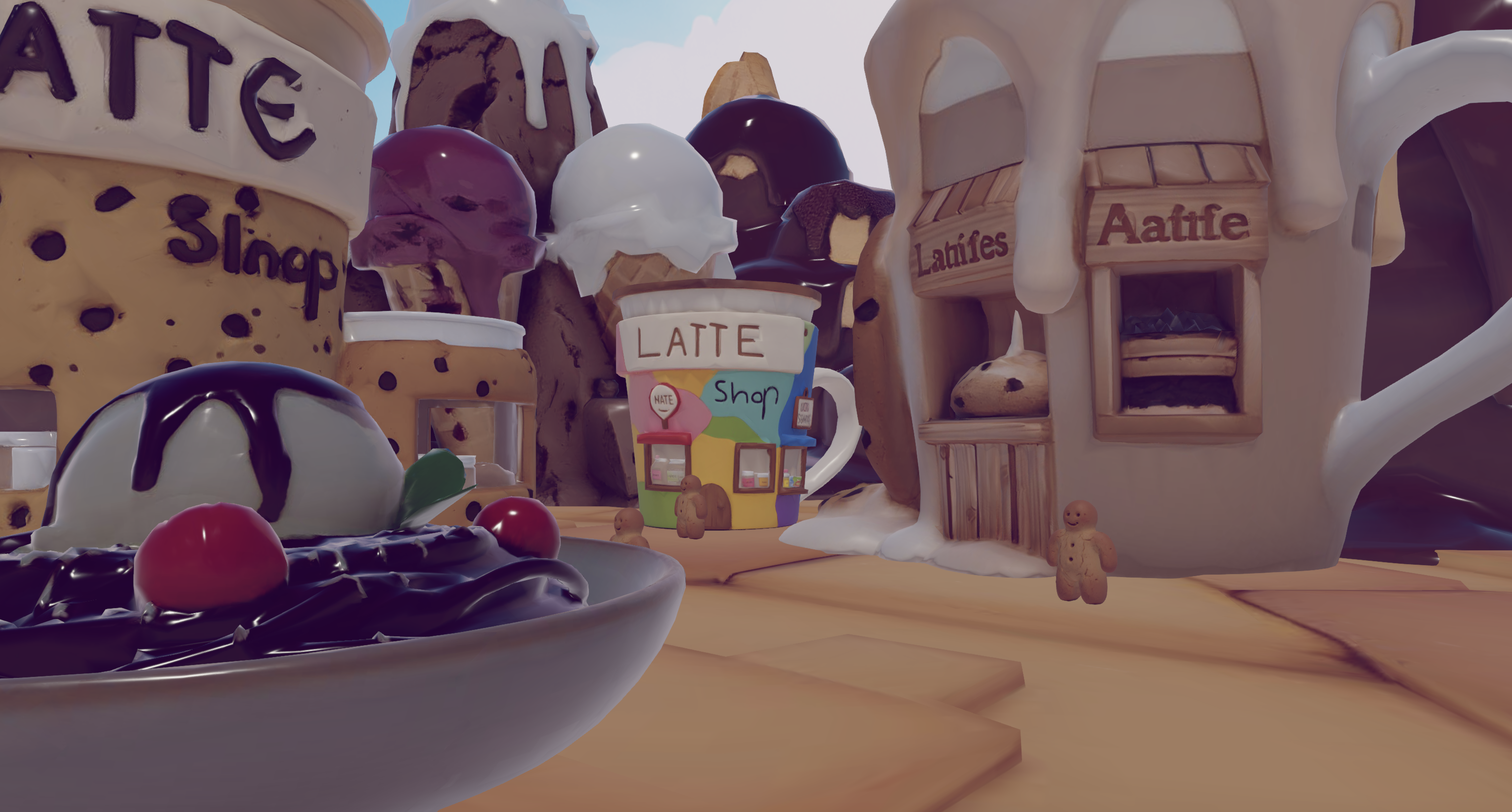
Use the natural language code editor to set up basic mechanics. Try a prompt like “create a player that jumps when spacebar is pressed.” The AI generates working code with real-time 3D feedback. Your character appears, and you can test the jump right away.
4. Add Core Game Mechanics
Build on that base with more interactions. Prompt “add an enemy that chases the player” or “create collectible coins that disappear when touched.” Each new element drops into your 3D world with physics and collision already wired up.
5. Shape Your Environment and UI
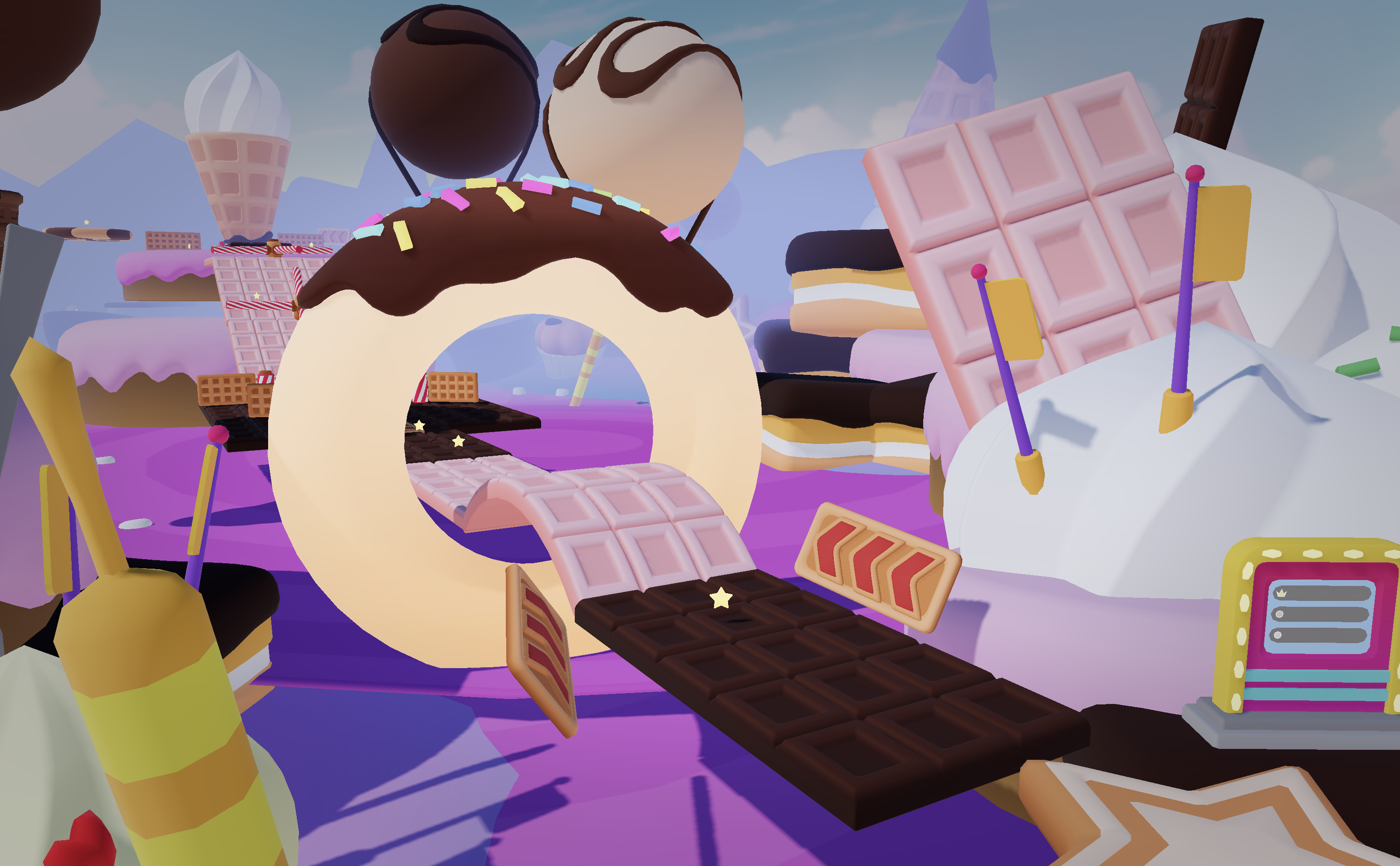
Grow your world and interface with prompts like “generate obby platforms with different heights” or “add a win screen that appears when player reaches the end.” You can sketch 2D ideas and drag them into 3D or upload reference images for the AI to follow.
6. Playtest in Real Time with Friends
Test your game instantly inside Nilo’s browser environment. The physics simulation runs in real time, so everything feels interactive and alive by default. Share your world’s URL to invite friends to playtest and give feedback.
7. Export and Share Your Game
Export your world to standard 3D formats like FBX, OBJ, or glTF, or send it straight to Roblox Studio. Nilo’s level-of-detail system adjusts polygon counts so your scenes meet Roblox performance limits without manual cleanup.
Vibe coding lets you refine your game through simple back-and-forth. You can say “make the enemy slower” or “add more platforms between checkpoints” and watch the world update. Join Nilo’s open beta to experience this workflow firsthand.
Prompt Examples That Produce Strong Game Code
Clear, specific prompts give AI the context it needs to build the mechanics you imagine. The Lakera Team’s 2026 prompt engineering guide suggests staying direct, concrete, and unambiguous.
Here are five prompt examples you can try for game mechanics.
“Create a simple obby with 5 platforms, each requiring a different jump distance” – You define the game type, number of platforms, and main challenge.
“Add a player character with WASD movement, spacebar jumping, and 20 speed” – You spell out controls, actions, and a specific speed value.
“Generate an enemy that patrols between two waypoints and damages player on contact” – You describe behavior, path, and what happens on collision.
“Create a collectible system with 10 coins that play sound effects and update score UI” – You connect objects, feedback, and interface changes.
“Add a win condition when player reaches the golden platform at coordinates (50, 10, 0)” – You define victory and give an exact location.
Strong habits include breaking big ideas into smaller steps, using numbers for speed, distance, and counts, and refining prompts through conversation. Nilo’s multimodal setup also lets you pair text with sketches or reference images, so you can show and tell the AI what you want.
Common AI Game Dev Problems and How to Fix Them
AI speeds up game development, but you still need to debug and iterate. These moves help you handle typical issues.
Code Bugs and Logic Errors: Use conversational debugging by telling the AI what feels wrong, like “the jump feels too floaty” or “enemies are ignoring collision boundaries.” The first version of the code often works, but a few rounds of refinement usually make it feel much better.
Performance Tuning: Look for automatic level-of-detail systems that trim polygon counts in real time. This matters on platforms like Roblox, which often work best around 10,000 to 20,000 triangles per model. You can move an LOD slider to trade a bit of visual detail for smoother performance.
Export Compatibility: Confirm that your exports use Roblox-ready formats and settings. If imports break, check that rigged models keep clean bone hierarchies and that textures stay inside platform size limits.
Experienced builders often treat AI as a teammate, not a magic button. As one creator shared in the survey mentioned earlier, “The code assistance works almost flawlessly, other experiences have just been frustrating at best.” That mindset of collaboration helps you get stronger results.
Measuring Progress and Leveling Up Your Skills
Success with AI-powered game creation means shipping playable prototypes fast while still steering every creative choice. According to Nilo’s February 2026 survey, 82% of builders rate their experience as “Awesome” or “Good,” and many say they reach functional games in minutes instead of weeks.
Once you feel comfortable, you can try advanced moves like collaborative multiplayer building. Share your world URL and build together in real time. You can also remix community creations, cloning other worlds and changing them to learn new mechanics by experimenting.
If you already have experience, Nilo’s code editor lets you see the variables and logic behind AI-generated mechanics. You can adjust values like “speed = 20” or “jumpHeight = 15” and learn programming concepts while you create. This “view source for games” style helps you move from pure AI assistance toward deeper coding skills.
Join Nilo’s open beta and try building and playing for free to explore these advanced features and connect with the community mentioned earlier.
Frequently Asked Questions
Can AI generate game codes?
AI can generate functional game code from natural language prompts. Modern systems understand concepts like player movement, enemy behavior, collision detection, and user interfaces. Tools like Nilo’s vibe coding system turn descriptions such as “create a jumping player character” into working code with physics and controls. The code includes variables you can change and mechanics you can refine through conversation with the AI.
Is it legal to use AI-generated code?
AI-generated code is legal to use, modify, and commercialize. The code becomes your intellectual property once generated, and you can customize it, sell games built with it, or publish on platforms like Roblox. Treat the AI output as your starting point. Editing variables, adjusting mechanics, and adding your ideas makes the final game clearly yours.
Which AI is best for game coding?
The right AI for game coding depends on what you want and which tradeoffs feel okay to you. Nilo stands out for browser-based 3D game creation, since you get integrated playtesting and Roblox export without leaving the platform. Rosebud AI focuses on turning prompts into code quickly, which helps you get started fast, though it trades away built-in 3D testing. Replit offers strong AI support for general coding but does not focus on game-specific needs like physics or interactive worlds. Decide whether you care more about quick 3D prototypes or flexible scripting support.
Is Nilo free to use?
Nilo offers a free tier with 1,000 Bits each month for AI generation, asset creation, and world building. You also get access to the browser-based 3D engine, collaborative tools, export options, and community worlds. The free tier gives you enough room for regular building and experimentation without spending money right away.
Can I export Nilo creations to Roblox?
Nilo supports one-click export to Roblox Studio in formats tuned for performance. The platform adjusts polygon counts to match Roblox’s requirements and keeps rigging intact for animated characters. You can also export to other tools using FBX, OBJ, and glTF, which keeps Nilo compatible with Unity, Blender, and similar software.
Start building your game now without traditional coding. AI-powered creation puts professional-level tools in your hands, whether you are making your first obby or shaping complex multiplayer worlds. The mix of natural language prompts, real-time 3D feedback, and collaborative building makes game development feel reachable for any aspiring builder or already builder like you. Join 9,000+ builders at Nilo and start creating today.