Key Takeaways for Your First Game Engine
- Traditional engines like Unity and Unreal expect coding knowledge and installations, which often frustrate you when you come from Roblox or Minecraft.
- New 2026 browser-based engines using WebGPU deliver console-style 3D graphics without downloads, so you can start creating instantly.
- AI tools such as text-to-3D generation and natural language coding let you build worlds through prompts instead of complex modeling and scripting.
- Nilo stands out with multiplayer collaboration, Roblox export, and 10-minute starter projects that feel fast and approachable.
- Try AI-powered creation that feels like play in Nilo’s open beta.
The Problem: Why Traditional Engines Burn You Out
Professional game engines were not built for aspiring builders like you. Unity, Unreal Engine, and even Roblox Studio assume you want to become a professional developer instead of someone who wants to build cool worlds with friends. Unity requires understanding C# programming and complex project management, while Unreal Engine demands even more technical knowledge despite its Blueprint visual scripting system.
These hurdles often lead to abandoned projects, creative burnout, and the feeling that game creation is not for you. You spend more time fighting software than building worlds. You need tools that make creation feel as fun and social as the games that inspired you to start building.
Solution Framework: How to Evaluate Beginner-Friendly Game Engines
You can avoid frustration by choosing engines that remove setup pain and reduce technical barriers. To find engines that actually support fun, social creation, evaluate platforms based on how they remove the blockers that usually slow you down.
When choosing your first game engine, focus on these key criteria: browser accessibility with no downloads, AI help for asset creation, export options for platforms like Roblox, and the time it takes to finish your first playable project. Think about how quickly you can build a simple obstacle course or mini-world in under 20 minutes.
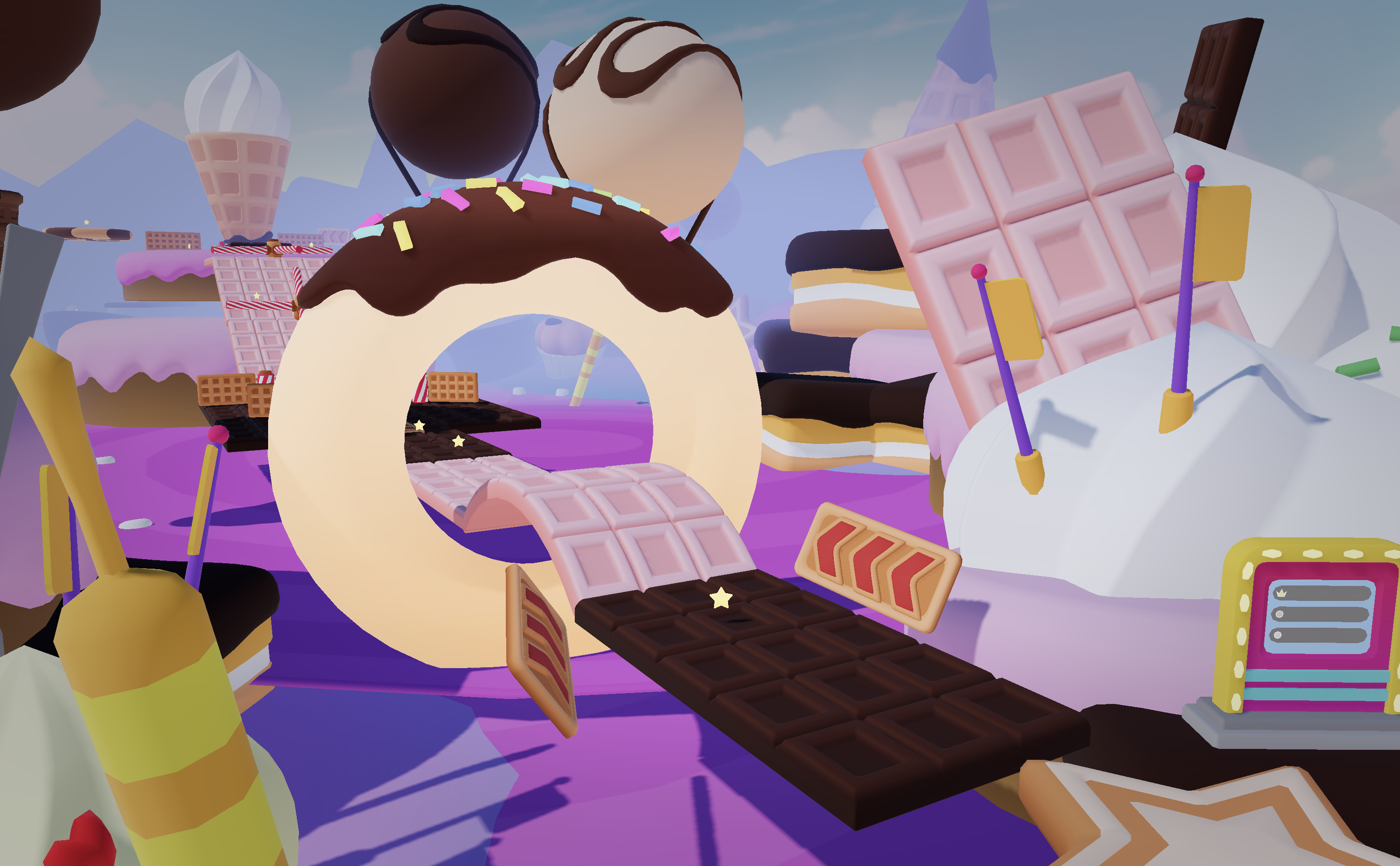
The table below shows how popular engines compare on these points, so you can see how browser-based tools with built-in AI often get you to a playable result much faster.
| Engine | Browser-Based? | AI Features? | Roblox Export? | Beginner Project Time |
|---|---|---|---|---|
| Nilo | Yes (WebGPU) | Text-to-3D, Natural Language Coding | Yes (auto-optimized) | 10 mins |
| Unity | Partial (WebGL export) | Emerging add-ons | Manual export | 30+ mins |
| Godot | Yes (HTML5 export) | None native | Manual export | 20 mins |
| Construct 3 | Yes (browser editor) | Limited | Manual export | 15 mins |
The Solutions: Beginner-Friendly Game Engines in 2026
Nilo: AI-Native 3D Creation That Feels Like Play
Nilo stands out if you grew up in Minecraft and Roblox and want to stay in that playful mindset. You create 3D worlds by sketching, typing, or even sending images to AI assistants instead of wrestling with complex software. Generate 3D characters, weapons, and professional-level props in seconds using natural language prompts like “jumping platforms with physics for an obstacle course.”

The platform integrates multiple AI providers (Meshy, Tripo, Cartwheel) behind one interface, so you get strong results without juggling different tools. Once you have your 3D assets, you can rig and animate them with one click and turn static models into interactive characters. Then the natural language code editor lets you add game logic by simply describing what you want, such as “make the player jump higher when they collect a power-up.”
Real-time multiplayer creation makes Nilo feel social from the start. You share a link and friends can join your world instantly to build together on desktop or mobile. The platform optimizes polygon counts automatically for Roblox Studio, which removes many technical headaches that usually block beginners.
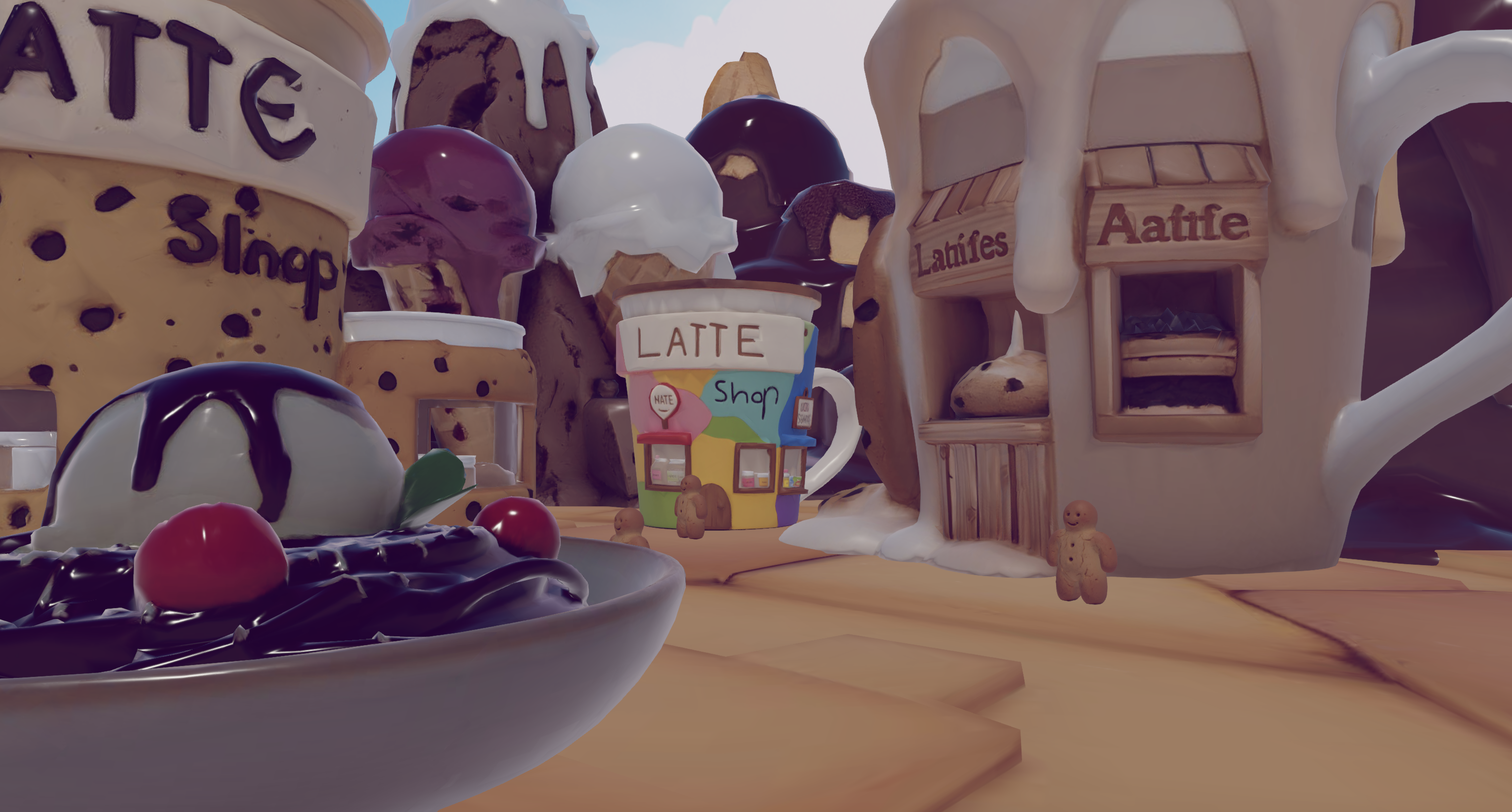
In Nilo’s February 2026 Survey, 93% of builders said they would recommend the platform to friends. Many mentioned big time savings, such as “I do not have to spend hours on 3D modeling the simplest things. Now I can use Nilo and do it in 15 seconds.”
Unity: Versatile but Complex for New Creators
Unity remains a widely used game engine, powering approximately 70% of top-grossing mobile games and offering a huge library of learning resources. You can build both 2D and 3D projects and tap into a massive Asset Store for pre-made components.
Unity still expects you to install desktop software and learn C# for anything beyond basic scene assembly. Unity is easier to learn than Unreal Engine for beginners with some programming experience, but complete newcomers still face significant barriers to entry. WebGL export offers browser deployment, although performance often trails native builds.
Godot: Free, Open, and Community-Driven
Godot has grown quickly among indie developers, with its GitHub repository passing 100,000 stars and its official Discord server reaching 69,643 members with 17,231 online. The engine is completely free with no licensing fees, which makes it appealing for schools and personal projects.
Godot’s scene-based system helps you organize game elements clearly, and its GDScript language feels similar to Python, which many beginners find friendly. While the engine supports HTML5 export for browser deployment, it lacks the native AI assistance that speeds up asset creation in newer platforms.
GameMaker: Drag-and-Drop 2D Focus
GameMaker provides a drag-and-drop system alongside its proprietary GameMaker Language (GML), with a very gentle learning curve for absolute beginners. You can build game logic visually without writing code, which feels friendly if you only care about 2D projects.
Construct 3: Browser-Based 2D Game Builder
Construct 3 is tuned for browser-first and HTML5 mobile games and runs in your browser with a no-code editor. The drag-and-drop interface requires no programming knowledge, which helps if you want to focus on game design and storytelling instead of code.
Unreal Engine: High-End Power with Higher Complexity
Unreal Engine’s Blueprint visual scripting system uses a node-based interface that lets non-coders create complex game logic without writing C++. This system gives you a way into a very powerful engine.
Unreal Engine demands more technical knowledge than Unity and usually needs strong hardware for smooth performance, which can slow you down as a beginner.
GDevelop: Free No-Code 2D Events
GDevelop is a free, open-source no-code engine for 2D games that uses event-based logic with optional JavaScript extensions. The visual workflow feels accessible when you start, although it does not offer 3D tools or built-in AI assistance that many modern creators look for.
| Feature | Nilo | Unity | Godot |
|---|---|---|---|
| Browser Start | Instant | Install required, WebGL limited | Install required, HTML5 export |
| AI Assistance | Native text-to-3D, natural language coding | AI-assisted material generation add-ons | None native |
| Roblox Export | Auto-optimized FBX/glTF | Manual export | Manual export |
2026 Tech Shifts: AI and Browsers Helping New Creators
WebGPU reached broad browser support in 2025, which brought console-style 3D graphics directly into web browsers without any downloads. This shift, combined with AI-powered asset generation, removes two huge barriers for aspiring builders like you: complex software installation and advanced 3D modeling skills.
AI-assisted content generation has become a major 2026 trend in engine roadmaps, with platforms adding text-to-3D tools, natural language coding, and automatic optimization. Unlike prompt-only tools, strong AI-native engines keep you in control while speeding up the boring parts of building.
Experience how AI and browser technology combine in Nilo’s open beta to make 3D creation feel like play.
Quick Start Projects to Test Each Engine
You can compare engines by building a simple 10-minute project in each one. Start by sketching an obstacle course in Nilo, generate platforms with AI, add jump physics through natural language prompts, and share the link with friends to play together. If you prefer a more traditional path, Unity offers basic 2D platformer tutorials that teach core concepts, while Godot lets you create a simple 2D scene with moving sprites using its scene system.
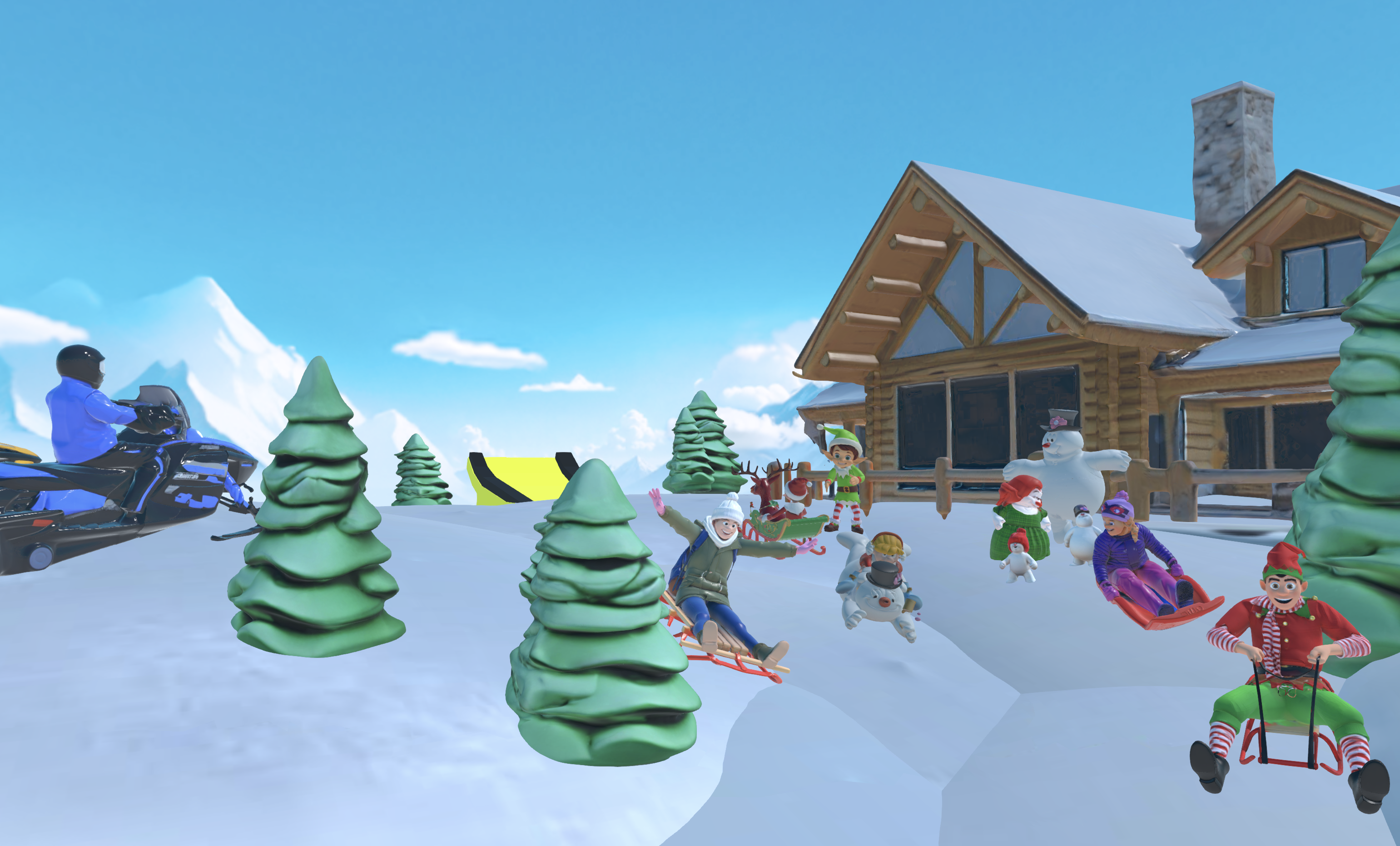
For purely visual workflows, GameMaker’s drag-and-drop tools work well for 2D games, and Construct 3 focuses on browser-based mini-games that you can build without code. The engine that feels most natural during this first project is probably the right fit for your next steps. Choose platforms that keep your excitement high instead of burying you in technical details.
FAQ
What is the easiest game engine for complete beginners?
For 3D creation, Nilo stands out with its browser-based interface, AI-powered asset generation, and natural language coding. You can build playable 3D worlds without learning traditional programming or 3D modeling software. For 2D games, Construct 3 and GDevelop give you no-code options with drag-and-drop or event-based interfaces.
Should I choose Godot or GameMaker as a beginner?
Godot works well if you want to learn core game development ideas and eventually create both 2D and 3D games. It is completely free and has a growing community. GameMaker shines for pure 2D game creation with its intuitive drag-and-drop system, but is free for non-commercial use and requires a one-time Professional license ($99.99) for commercial use on non-console platforms or an Enterprise subscription for console exports, and it focuses mainly on 2D projects.
Which engines work in the browser without downloads?
Nilo runs fully in your browser with complete 3D creation tools. Construct 3 offers browser-based 2D development. Unity and Godot can export games to browsers through WebGL or HTML5, but you still install desktop software to build those projects. Browser-based engines remove setup friction and make instant collaboration through shared links much easier.
What are the limitations of AI in game engines?
AI helps with asset generation, basic code, and repetitive tasks, but it does not replace your creative vision or design skills. The strongest AI-native platforms such as Nilo keep you in charge of the process instead of generating everything on their own. You guide the AI to build what you imagine, so you keep creative ownership while speeding up technical work.
What are the best free game engines for beginners in 2026?
Godot leads the free options with full 2D and 3D support and no licensing fees. GDevelop offers strong no-code 2D creation. Unity provides a free tier for individuals and small organizations with less than $200K USD of revenue and funds raised in the last 12 months. Nilo’s open beta is currently free with monthly credits for AI generation. Each engine serves different needs, from traditional learning to fast AI-assisted prototyping.
Is Unity or Unreal Engine better for beginners?
Unity usually feels more beginner-friendly because of its C# scripting language and large set of tutorials, while Unreal Engine’s C++ programming expects deeper technical skills. Unreal’s Blueprint visual scripting system still lets non-coders create complex logic without writing C++, which helps. Both engines demand more time and effort than modern AI-native tools that focus on aspiring builders like you.
The game creation landscape in 2026 gives you more paths than ever. Choose based on your goals: Nilo for fun, social 3D creation with AI help; Unity for deep learning with industry-standard tools; Godot for free, community-driven development; or Construct 3 for quick 2D browser games. Turn your game ideas into reality with AI-native creation in Nilo’s open beta.