Key Takeaways for Aspiring Roblox Creators
- Browser-based AI tools like Nilo make 3D game creation feel simple for teens, with no downloads or coding required.
- Traditional tools such as Roblox Studio and Unity rely on scripting and installations, which creates steep learning curves for beginners.
- Nilo stands out with Roblox-ready exports, real-time collaboration, and vibe coding that turns plain language into working game logic.
- Platforms like GDevelop and Godot offer no-code or low-code options but do not include AI asset generation or direct Roblox export.
- Start creating in Nilo’s free open beta and build Roblox-style games in your browser within minutes.
The Problem: Why You Need Easier Beginner Tools
Game creation should feel as fun as playing, not like doing homework. You jump from instant Roblox or Minecraft sessions into tools that demand installs, account setups, and new scripting languages. The excitement of “I want to build my own obby” quickly fades when you discover you must learn Lua just to move a single platform.
When you pick beginner-friendly game creation software, focus on tools that remove friction between your idea and a playable level. Start with browser-based access and no downloads so you can create by clicking a link, just like joining a Roblox server. Then look for “vibe coding” or natural language controls, because they let you describe behavior instead of memorizing syntax. Since you spend time in 3D social worlds, you also need built-in 3D support and multiplayer collaboration, not just solo 2D editors. Finally, choose platforms that export to ecosystems you already use, especially Roblox, so your worlds can reach your existing community.
Pick Browser-Based Tools for Instant Building
Installation barriers kill momentum. BCG’s 2025 Global Gaming Survey found that 44% of gaming parents report their children playing video games by age five, with Minecraft and Roblox emphasizing user-generated content alongside play. You grew up clicking a link and jumping straight into a game or build session. Desktop software that needs long downloads, account creation, and strict system requirements breaks that flow and makes you less likely to finish a project.
Seek Vibe Coding Instead of Traditional Scripts
Scripting often becomes the biggest wall between you and your first finished game. Once you find a browser-based tool, the next hurdle usually appears when the editor asks you to write code. Instead of wrestling with syntax and debugging errors, choose platforms where you can describe what you want in plain language. Platforms like The9bit focus on rapid iteration through review, refinement, and reprompting of AI-generated games, which lowers the barrier for aspiring builders as of 2026.
Look for Roblox Integration and Export Support
Roblox already feels like home, so your tools should connect to it smoothly. Prioritize platforms that export directly to Roblox Studio with clean polygon counts and correct formatting. This approach lets you build in a friendlier environment, then move your creations into the Roblox ecosystem you already understand and enjoy.
Top Beginner-Friendly Game Creation Tools for Teens
Nilo: AI-Native 3D Creation in Your Browser
Nilo stands out if you are moving from playing to building and want accessible 3D creation. Nilo is a browser-based 3D creation platform that generates 3D characters, weapons, and pro-level props in seconds from sketches or prompts. The platform combines several AI model providers behind one interface, so you get strong results without juggling different tools.

The “Craft Your Model” feature turns quick ideas into full 3D objects. You can start from a sketch, an image, a text prompt, or any mix of the three. Type “floating island with jump pads and collectible gems,” and Nilo generates a complete 3D environment. The platform handles optimization automatically so your creations run smoothly in Roblox without extra cleanup work.
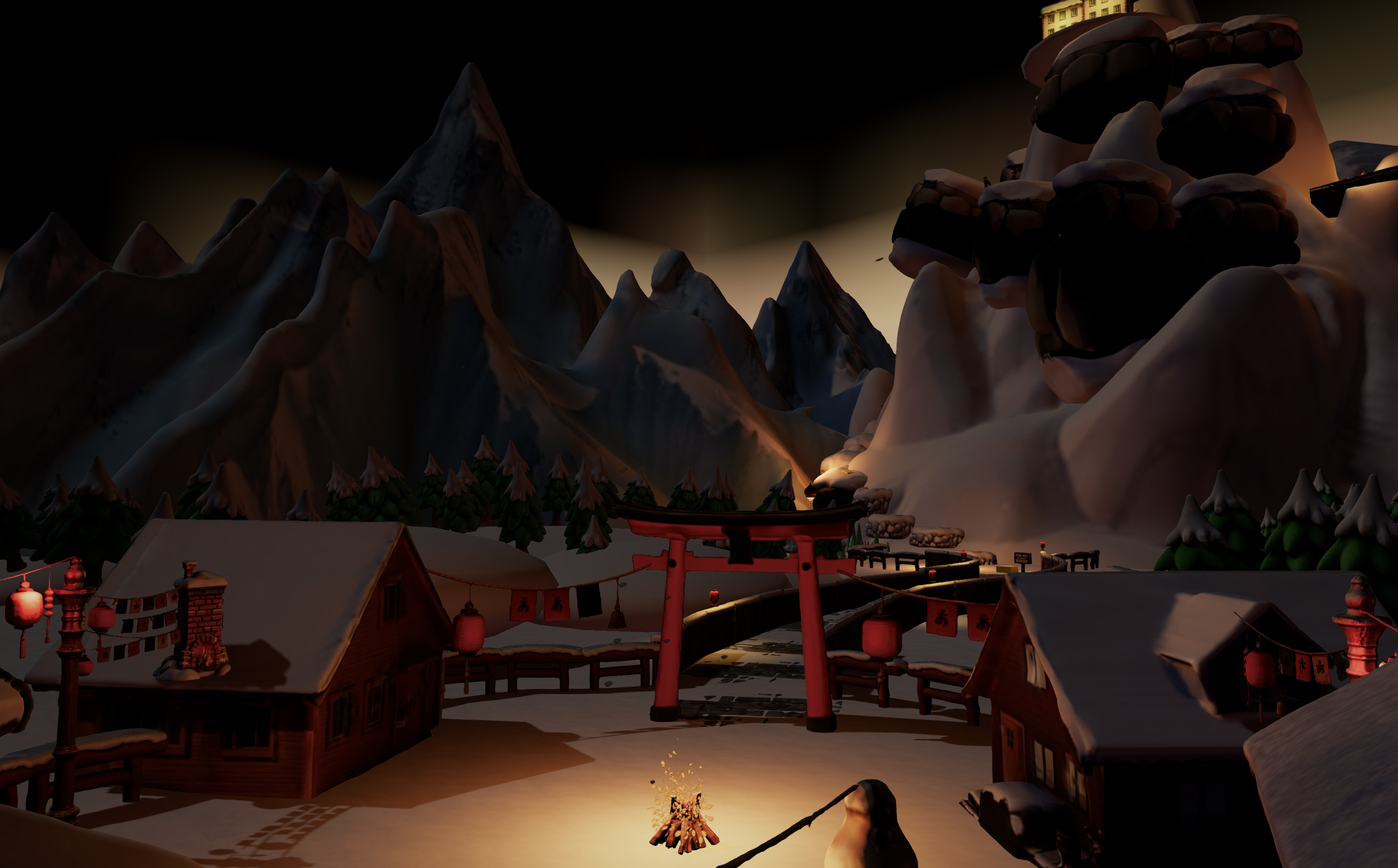
The workflow feels like playing a game instead of using heavy software. You build inside a 3D world, use a radial menu for fast object creation, and tweak properties in an inspector panel while physics runs in real time. Objects come in with collisions and interactions ready, so you do not spend hours wiring basic behavior. You can invite friends by sharing a link, which turns building into a social session instead of a solo grind.
Nilo’s vibe coding lets you create game logic using natural language in any language. You skip Lua or C# and simply say “make zombies chase the player when they get close” and watch it work inside your scene. Nilo also keeps models light enough to work directly in Roblox Studio and other platforms.
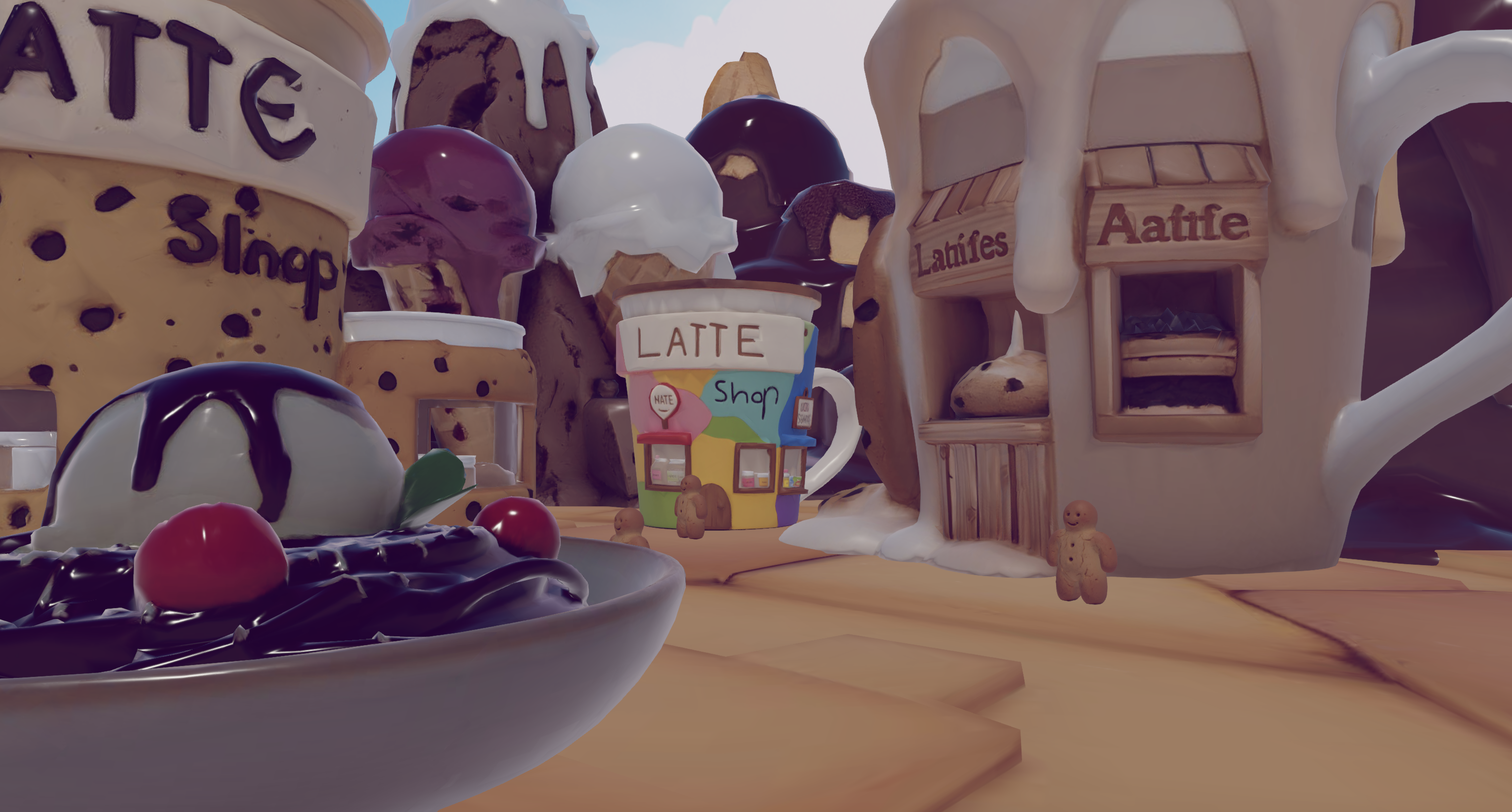
In Nilo’s February 2026 survey, 93% of builders said they would recommend the platform to a friend, with one sharing: “I do not have to spend hours on 3D modeling the simplest things, now I can use Nilo and do it in 15 seconds.” Another builder said: “There are no limits on what you can create—just type, draw or add in an image and you can generate, rig, customise and place a fully 3D model within minutes.”
GameMaker Studio: Drag-and-Drop 2D Creation
GameMaker Studio focuses on 2D games and uses an intuitive drag-and-drop interface called GML Visual. This setup works well if you want to build 2D projects without touching code. GameMaker Studio provides an easy drag-and-drop interface and GML scripting, rated “Easy” difficulty for simple 2D mobile games. It shines for arcade-style games and includes built-in animation tools and monetization options.
GameMaker Studio still requires a desktop install and mainly targets 2D experiences. Its 3D features feel limited compared to full 3D engines. The platform also does not include AI asset generation, so you spend more time drawing or importing art before you can test ideas.
GDevelop: Open-Source No-Code Events
GDevelop uses a visual event system instead of traditional code, which keeps it approachable when you are just starting. The platform is open-source and free and offers a web app that runs in the browser, plus desktop apps for Windows, macOS, Linux, and mobile apps. You control game behavior with “events,” which work like clear if-then rules.
GDevelop now includes a complete real-time 3D editor and supports ambitious 3D games. It still lacks AI-powered asset generation and does not export directly to Roblox, which makes it less attractive if your main goal is publishing inside that ecosystem.
Godot: Free Engine with Scripted Power
Godot is completely free and open-source with a lightweight node system, GDScript (a Python-like language), and both 2D and 3D support. App Radar’s 2026 analysis lists Godot among the best mobile game engines for beginners because of its lightweight editor with no installer or account system required.
The main challenge is that you still need to learn GDScript, even if it feels friendlier than many languages. Godot also relies on a thinner asset ecosystem with community plugins for monetization SDKs and networking, which adds integration risk compared to Unity’s official integrations. The engine is powerful, but AI-native tools feel more approachable when you have never coded before.
Roblox Studio: Familiar World, Heavy Scripting
Roblox Studio gives you the official way to build and publish on Roblox. You already know the Roblox universe, and Studio includes everything needed for professional experiences.
The barrier appears when you start scripting. Interactive elements depend on Lua programming, which can take months to learn well. Studio also needs a desktop install and does not include AI asset generation, so original content often demands serious time and technical effort, even if you reuse some catalog models.
Unity: Professional Engine with Steep Setup
Unity is versatile and relatively beginner-friendly, with an intuitive interface, many tutorials, and strong 2D and 3D support. Unity also offers Visual Scripting so you can build logic like player movement without writing C#.
Unity still demands serious setup and learning time. iOS game development with Unity requires a Mac running macOS Monterey 12 or later and Xcode 16 or later, plus an Apple Developer Account that costs $99 per year. These requirements limit access if you do not already own Apple hardware. Unity works well for professional teams, but it feels heavier than the instant, social creation flow most teens expect.
When you compare these tools, imagine a simple workflow. In Nilo, you type “floating island obby with moving platforms,” watch it generate in seconds, invite friends through a shared link, and export to Roblox, all inside your browser. Traditional engines often split those steps across separate apps for modeling, scripting, testing, and collaboration.
Why Nilo Fits Roblox-Focused Teens
Nilo’s strength comes from its end-to-end workflow. You begin by generating assets from text prompts, sketches, or reference images. The AI layer connects to providers like Meshy, Tripo, and Cartwheel and picks the best model for your request. After generation, you adjust polygon counts with a slider, rig characters with one click, and describe animations in plain language.
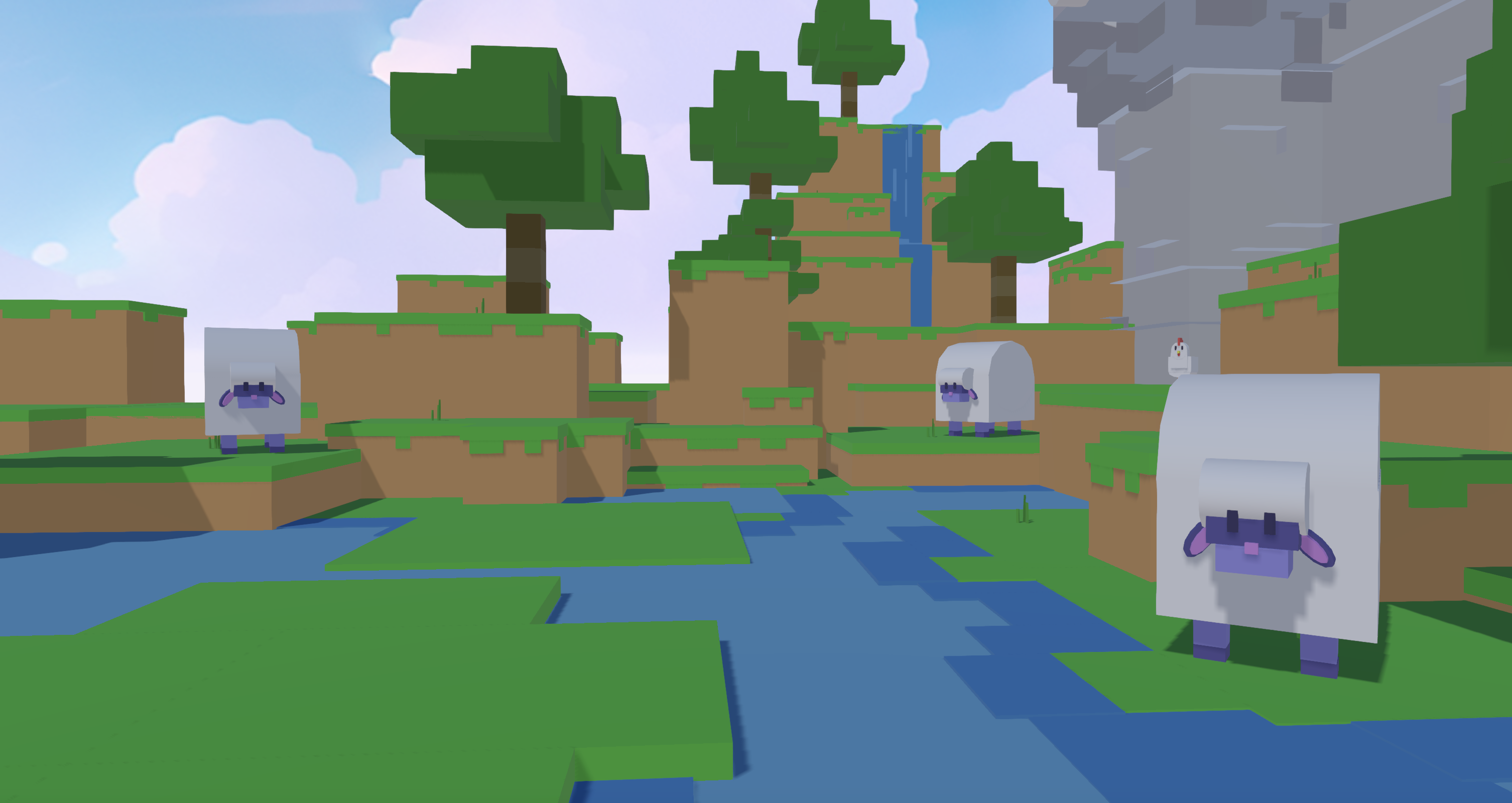
The building space feels familiar if you spend time in Minecraft or Roblox. You place objects directly in 3D, tweak properties, and see physics react instantly. The vibe coding system lets you say “when player touches the gem, play a sound and add 10 points,” and the platform turns that into working logic without syntax rules.
Real-time collaboration lets you share a link and start building with friends right away, similar to joining a Roblox server. When you want to publish, Nilo exports optimized FBX files that drop into Roblox Studio with proper LOD settings that match Roblox performance guidelines.
The same survey that measured recommendations also found that 82% of builders rated their experience as “Awesome” or “Good,” with one saying: “It helps me physically visualize any images I may have drawn and helps make my ideas actually come to life.”
Ready to go from player to creator? Start building in Nilo’s open beta today and see how this workflow feels in your browser.
Real Teen Scenarios and Quick-Build Tips
Picture yourself making an obby for your friends. In traditional tools, you first learn the Roblox Studio interface, then pick up Lua for moving platforms, and finally spend hours modeling obstacles. In Nilo, you describe the obby, generate the environment in minutes, add behavior through vibe coding, and share a link so your friends can test it right away.
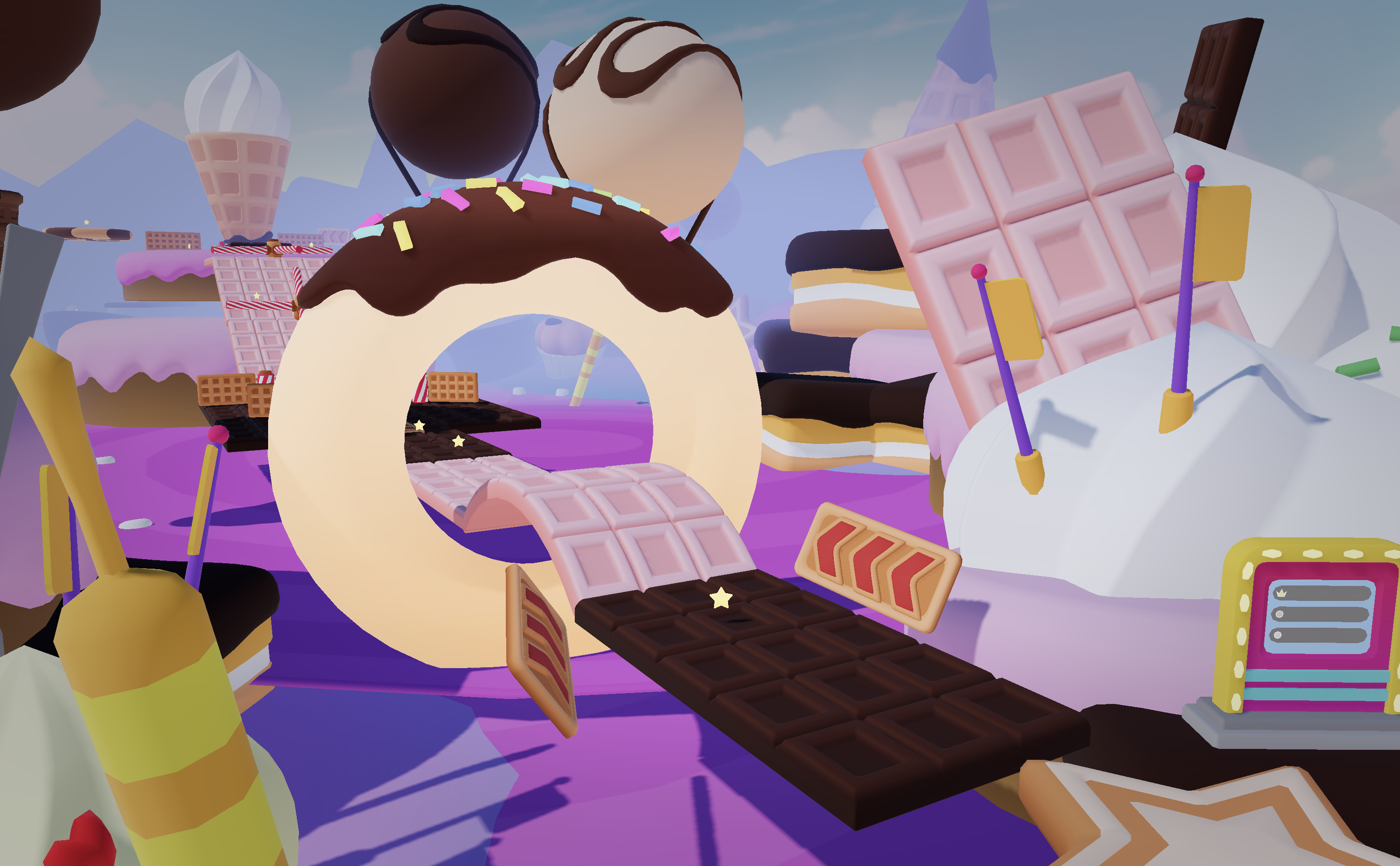
Group projects feel smoother on platforms that support live collaboration. In Nilo, your friend in another state can join your world, drop in their own creations, and test gameplay with you, which makes development feel like a multiplayer session.
Start with small, clear goals so you actually finish games. Build a simple “collect the objects” level before you attempt a full RPG. Use AI generation to prototype quickly, then refine details by hand. Join community Discord servers to learn from other aspiring builders or already builders like you and to share your progress.
Frequently Asked Questions
What game creation software works well for 13-year-olds with no coding?
Nilo stands out for absolute beginners because it mixes AI-powered 3D generation with natural language coding in a browser. You describe the world and interactions you want instead of learning programming syntax. The platform supports real-time collaboration so you can build with friends and exports directly to Roblox Studio so your games can reach the wider community.
Are these tools actually free to use?
Most platforms include free tiers with some limits. Nilo gives you 1,000 free Bits each month for AI generation and creation. GDevelop is fully free and open-source, and Godot also charges no fees or royalties. Unity and GameMaker Studio provide free versions with usage caps. Roblox Studio is free, but advanced features still require Lua scripting.
Can I export my creations to Roblox?
Nilo focuses on Roblox-ready exports with automatic polygon control and correct formatting. Unity can export to Roblox with extra setup. Godot does not support Roblox export. GDevelop and GameMaker Studio also lack direct Roblox export, which limits them if Roblox publishing is your main goal.
Do I really not need to learn coding?
AI-native platforms like Nilo use vibe coding, which means you describe behavior in plain language. You can say “make the character jump higher when they collect a power-up” instead of writing if statements and variables. You still practice logical thinking and game design, even if you are not writing traditional code.
Can I use these tools on my phone or tablet?
Browser-based platforms such as Nilo and GDevelop run on mobile devices, although they feel smoother on desktop. Engines like Unity and Godot require desktop installs. For serious 3D work, a computer with a keyboard and mouse helps a lot, but you can still experiment and prototype on your phone or tablet.
Conclusion: Start Creating in the Worlds You Already Love
The gap between playing games and creating them keeps shrinking. Browser-based, AI-native platforms like Nilo turn your ideas into interactive 3D worlds without heavy installs, complex scripting, or confusing dashboards. You can generate assets in seconds, build live with friends, and export to platforms like Roblox while you learn real game design skills through practice.
The key is choosing tools that match how you already play and create. You grew up in 3D social spaces, so your editor should feel just as immediate and collaborative. Experience this new way of building by jumping into Nilo’s free open beta and turning your next game idea into something your friends can play.