Key Takeaways for Your First AI Game Maker
- Traditional game dev tools overwhelm beginners with scripting, installs, and tool chains. New AI browser tools let you jump into 3D prototyping using natural language prompts.
- Evaluate AI tools by browser access, vibe coding, integrated 3D pipelines, auto-optimization, collaboration, and Roblox exports.
- Nilo stands out with 5-minute playable worlds, AI asset generation, real-time multiplayer building, and direct Roblox compatibility, all in-browser with a free tier.
- Tools like Rosebud AI work well for quick 2D prototypes, while Unity fits pros but requires installs. Nilo fits Roblox-style 3D worlds for builders like you.
- Start creating fun, social 3D games today by trying Nilo’s browser-based builder.
The Problem: Why Beginner Game Dev Feels So Hard
Most aspiring builders hit the same walls when trying to create a first game. You want to build that obby or 3D world you have been imagining, but traditional tools force you into a frustrating cycle:
- Scripting barriers: Line-by-line code in Roblox Studio or Unity feels impossible when you just want to make a character jump higher.
- Tool daisy-chaining: You generate assets in Meshy, clean them up in Blender, then import to Roblox Studio, and you lose creative momentum at every step.
- Optimization headaches: You deal with LOD settings, polycount limits, and lag issues instead of focusing on your creative vision.
- No collaboration: You work alone on complex projects when you would rather build with friends like you play games.
Time yourself creating a simple obby prototype in traditional tools. For many beginners, it takes weeks just to get something playable. Modern AI tools reduce that time by offering browser access, natural language prompts that let you create 3D games by talking, texting, or even sending images to the AI, and integrated workflows.
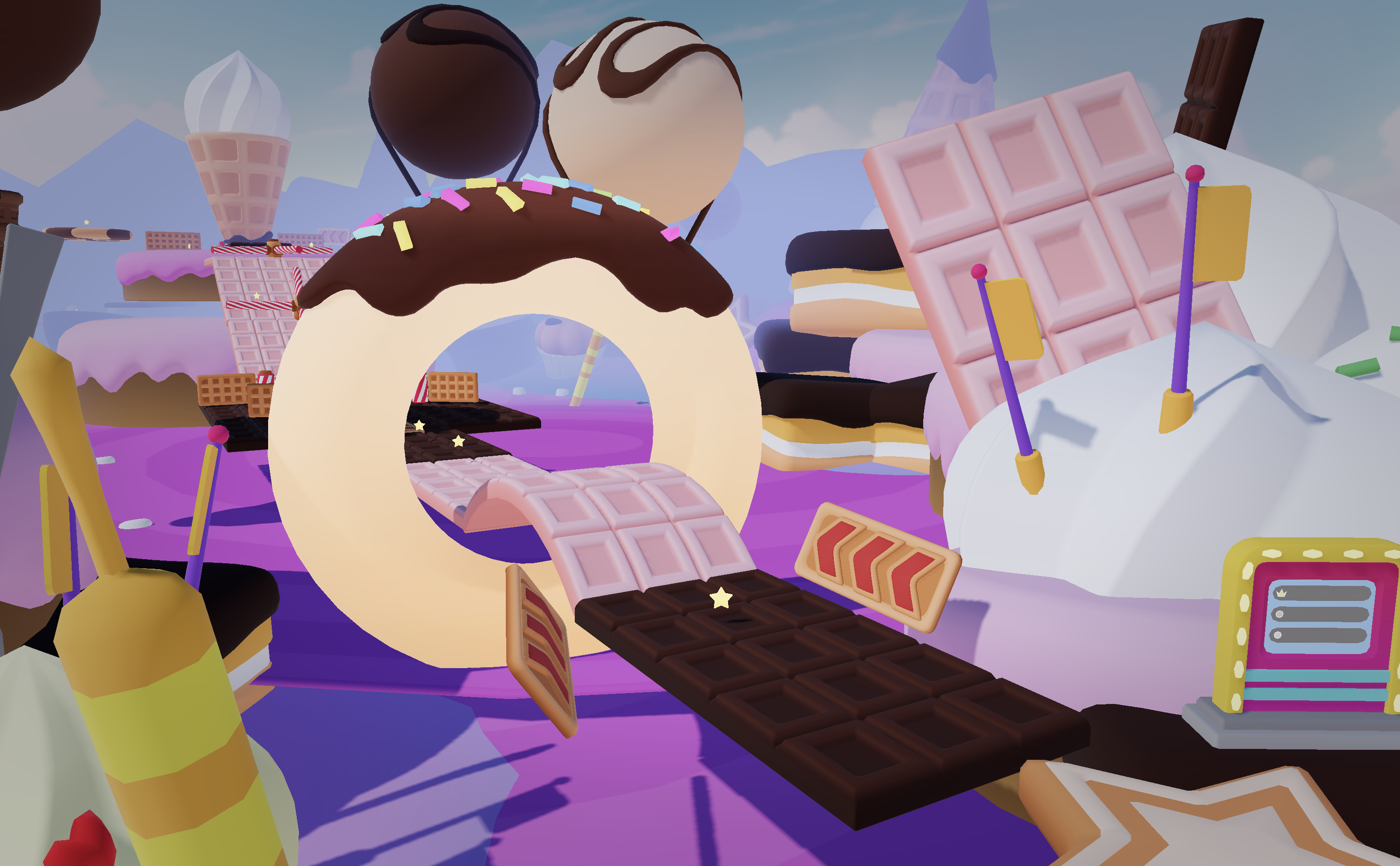
How to Evaluate AI Game Dev Tools for Beginners
Focus on a few clear criteria when you compare AI game development tools as an aspiring builder or already a builder like you:
- Browser-based/no-install: You should start creating immediately by clicking a link.
- Vibe coding support: You should describe what you want in natural language instead of writing code.
- 3D asset pipeline: The tool should handle generation, rigging, and animation in one place.
- Automatic optimization: Built-in LOD sliders and polycount management should keep your games running smoothly.
- Real-time collaboration: You should invite friends to build together instantly.
- Platform exports: The tool should export directly to Roblox, Unity, or other engines you use.
- Free tier access: You should prototype without spending a bunch of money.
Test each tool by timing how long it takes you to create and export a simple obby. Nilo’s February 2026 survey found 93% of builders recommend the platform, with many citing dramatic time savings in asset creation.
Quick-Start Winners for Fast 3D Prototypes
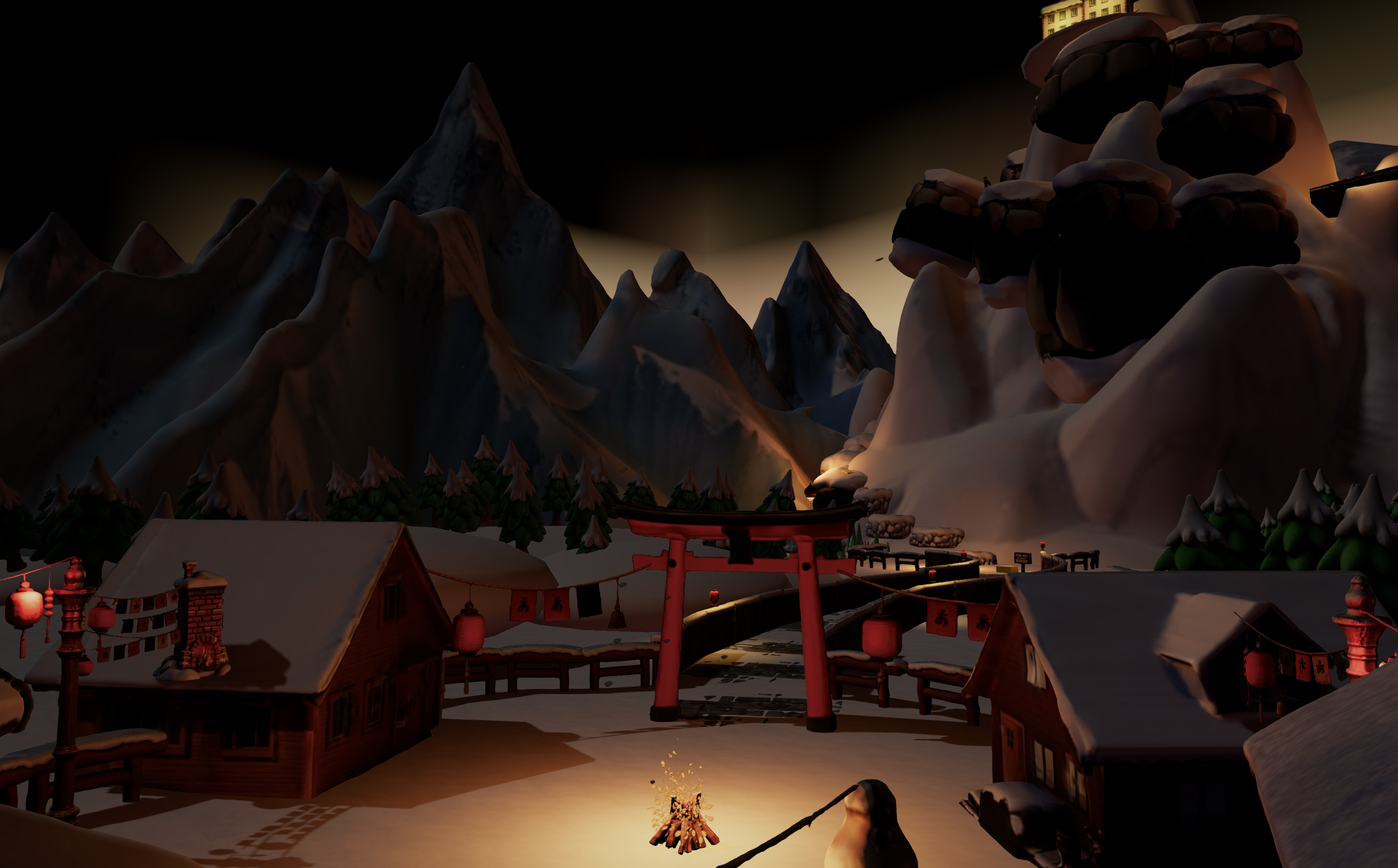
Several browser-based AI tools help you move from idea to a playable 3D prototype much faster than traditional engines. The table below compares how quickly each tool gets you from concept to something you can actually play, and shows how browser-native AI platforms speed up that first build:
| Tool | Time-to-Prototype | Free Tier | Key Strength | Export Options |
|---|---|---|---|---|
| Nilo | 5min to playable 3D world | 1000 Bits/month | Vibe coding, Roblox-optimized | FBX/glTF to Roblox/Unity |
| Rosebud AI | 10min prompt-to-game | Limited | Fast 2D prototypes | Web-only |
| Meshy | 2min asset generation | Limited | Text-to-3D | OBJ/FBX (cleanup needed) |
| Unity | 30min+ setup | Personal | Professional engine | All platforms (install required) |
The survey data mentioned earlier shows many builders can now create in 15 seconds what used to take hours. See the speed difference yourself by testing the platform with your own game idea.
Nilo: Browser-Native 3D Engine with AI Built In
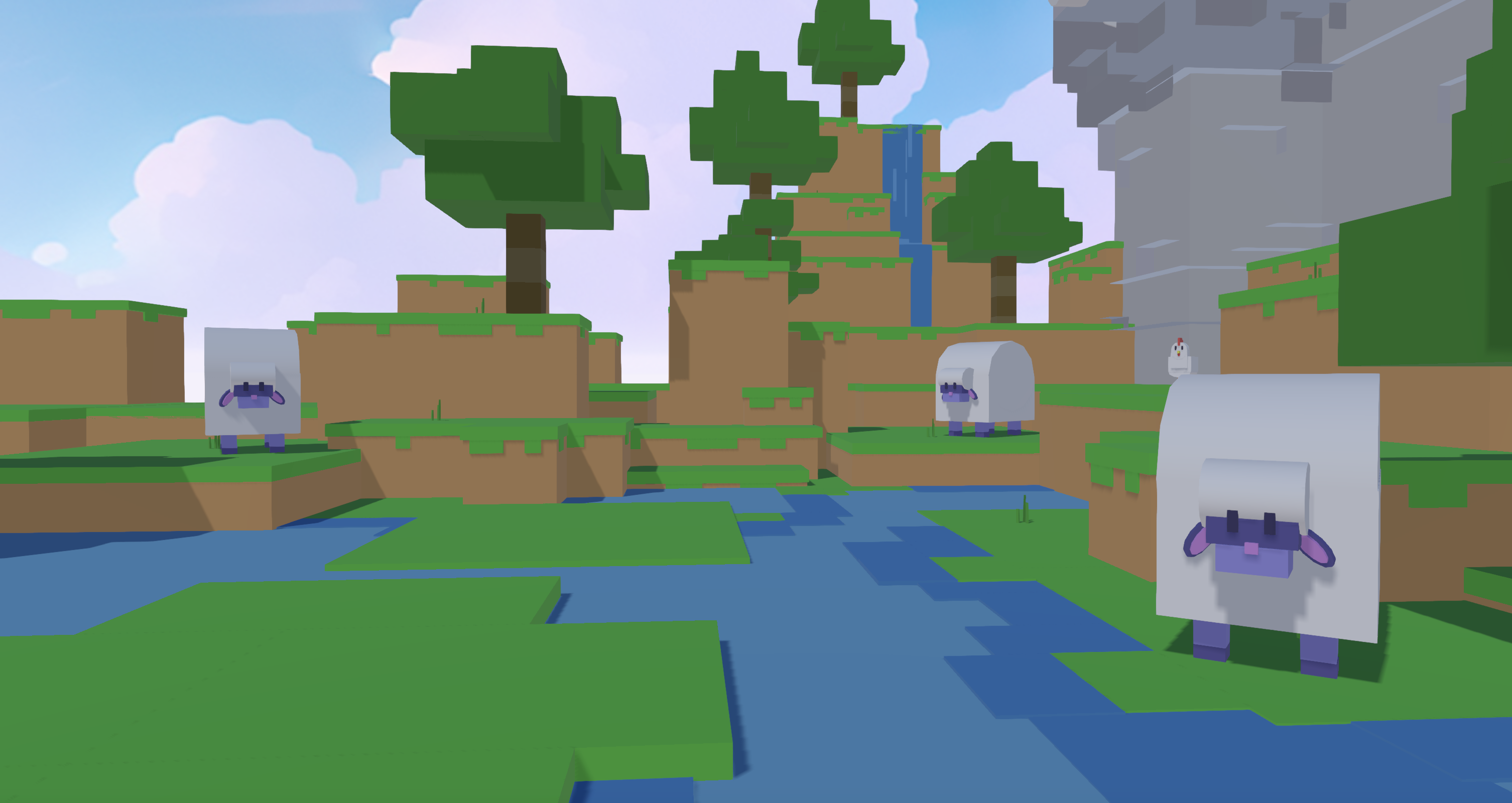
Nilo stands out as a custom game engine built specifically for browser-based 3D creation. The platform lets you generate 3D characters, weapons, and professional-level props in seconds using sketches or prompts, with automatic polycount optimization for direct Roblox Studio compatibility.
Key features include AI asset generation through text or sketch-to-3D, one-click rigging and animation, vibe coding for natural language logic creation, LOD optimization, real-time multiplayer collaboration, and direct Roblox exports. Feedback from the same February 2026 survey highlights that many builders now create usable assets in seconds instead of spending hours on 3D modeling.
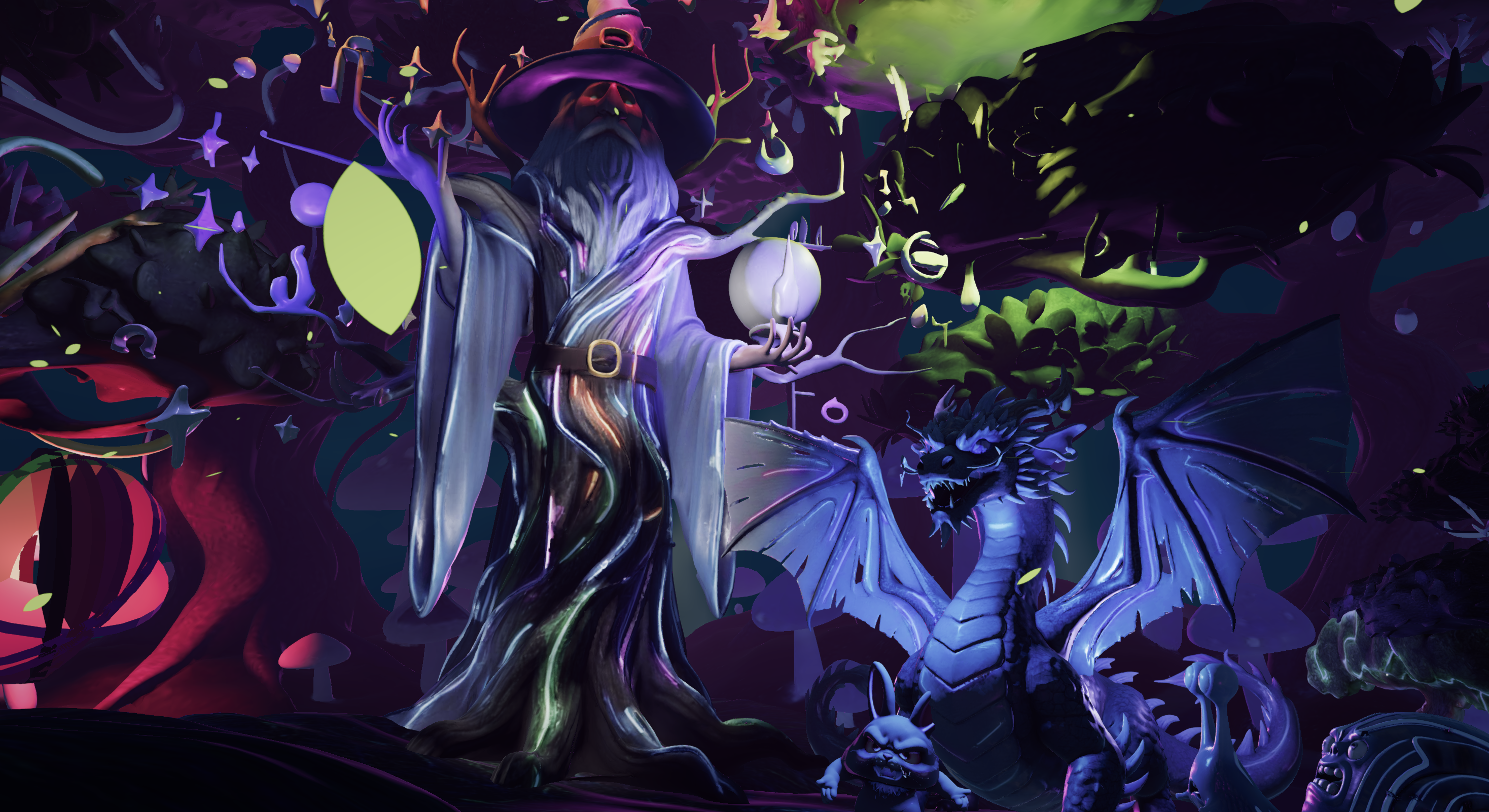
The platform runs on WebGPU and WebAssembly, which delivers console-style performance in browsers. With 9,000+ Discord members and 82% of users rating their experience as “Awesome” or “Good”, Nilo focuses on making creation feel like playing a game rather than operating a tool.
Rosebud AI: Fast Prompt-to-Game Experiments
Rosebud AI offers prompt-to-game generation that converts natural language descriptions into playable games quickly. The platform works well for rapid 2D prototyping and simple game concepts, so you can test gameplay ideas without setting up a full engine.
| Feature | Rosebud AI | Nilo |
|---|---|---|
| 3D Engine | Limited | Full WebGPU engine |
| Collaboration | No | Real-time multiplayer |
| Roblox Export | No | Direct export |
Rosebud AI generates games from prompts, but it lacks the hands-on building environment and 3D depth that aspiring builders need for creating Roblox-style worlds.
Unity: Professional Engine with Browser-Linked Tools
Unity offers a professional game engine with powerful features for 3D development across platforms. The platform provides a personal free tier but usually requires desktop installation and a long learning curve for scripting and asset management.
Unity delivers advanced capabilities for complex projects. You trade that power for more setup time compared to fully browser-native AI tools that let you vibe code and generate assets almost instantly.
Choosing the AI Game Maker That Fits You
If you want to create 3D worlds and export to Roblox, match your priorities to the tools:
| Priority | Strong Option | Why |
|---|---|---|
| 3D Roblox Export | Nilo | Optimized Roblox pipeline with direct exports |
| Quick 2D Prototypes | Rosebud AI | Fast prompt-to-game generation |
| Traditional No-Code | GDevelop | Established visual scripting |
Nilo stands out for builders who want the full 3D creation pipeline in one place. You get AI asset generation, collaborative building, and Roblox-ready exports in a single browser-based platform. The vibe coding approach also reduces the usual AI lottery where you regenerate assets over and over hoping for something usable.
Real Beginner Workflows and Practical Tips
Use a simple workflow for your first 3D game project with modern AI tools. Break the process into clear steps so you always know what comes next.
Roblox Export Workflow: Start by generating your 3D models using natural language prompts. After you have your assets, use the LOD slider to optimize polycount automatically so your models meet Roblox limits without manual cleanup. Then rig characters with one click to prepare them for animation. Finally, export directly to Roblox Studio. This streamlined path replaces the traditional Meshy → Blender → Roblox chain that often breaks your creative flow.
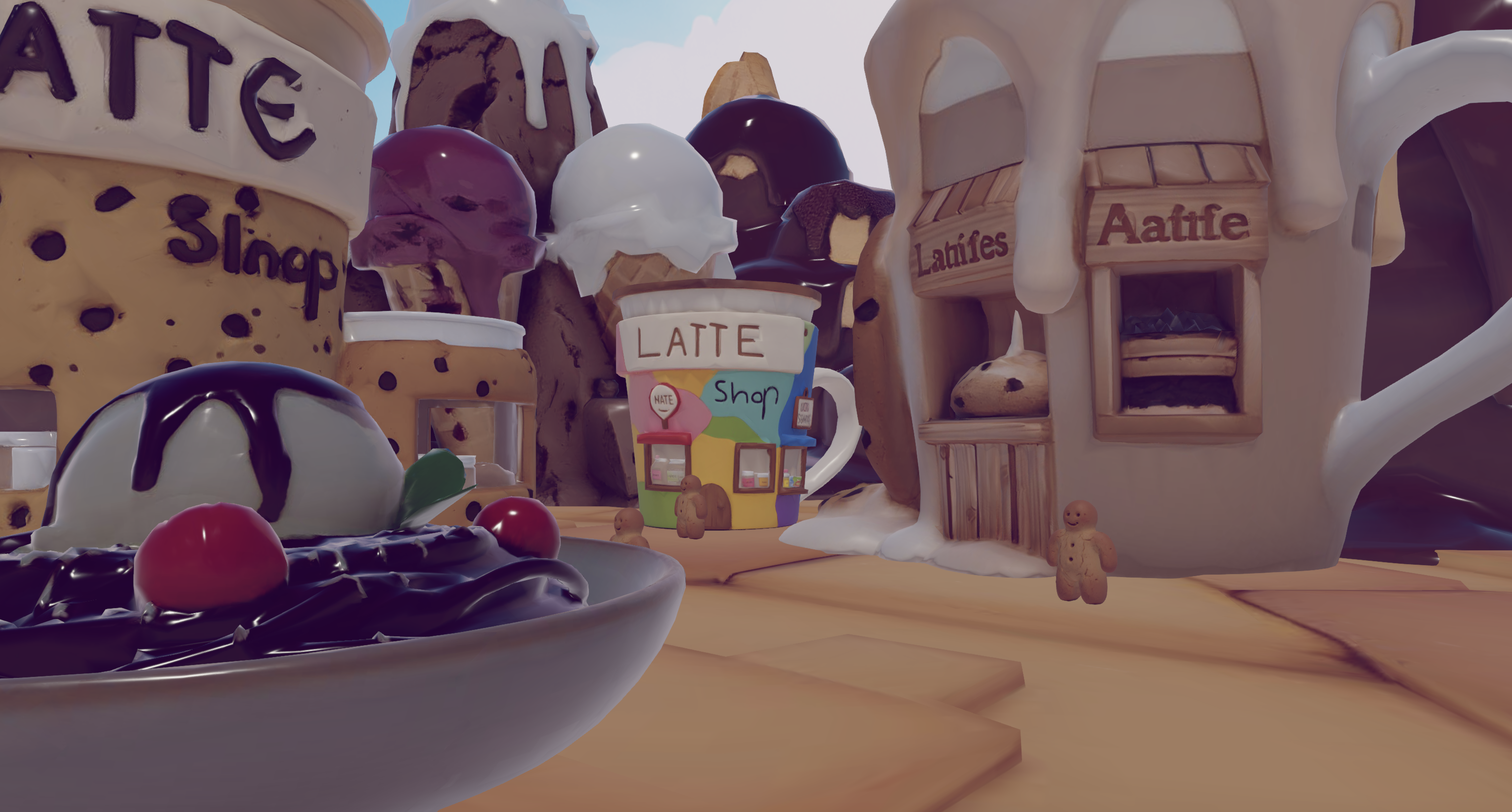
Collaborative Building: Share your project URL with friends so you can build together in real time. This mirrors how you actually play games, socially and collaboratively, instead of working in isolation for months.
Obby Creation: Use vibe coding to describe your obstacle course mechanics in plain English. Instead of scripting jump heights and collision detection, tell the AI what you want, such as “make the player jump higher when they collect stars” or “add moving platforms that go back and forth.”
Conclusion: Start Building Your First Game
Traditional game development often feels blocked by complex installs, scripting barriers, and constant tool-juggling. Browser-based AI tools like Nilo turn game creation into something that feels closer to playing games, with a process that is fun, social, and quickly rewarding.
Skip the months of learning Blender and Lua scripting. Start building your first game today and experience what creation feels like when the tools get out of your way.
FAQ
What is a strong free AI game development tool for beginners?
Nilo offers 1000 Bits per month for free, which covers AI asset generation, rigging, animation, and Roblox exports. This gives you enough credits to create multiple game prototypes without any upfront cost. The platform runs entirely in your browser, so you avoid software installs and strict hardware requirements.
How does Nilo compare to Rosebud AI for beginners?
Nilo provides a full 3D game engine with collaborative building, while Rosebud AI focuses on prompt-to-game generation for 2D experiences. Nilo lets you build inside 3D worlds with friends, export to Roblox and Unity, and iterate on your creations in real time. Rosebud AI generates games from text but does not offer the same hands-on building experience or platform exports that many aspiring builders need.
Do I need to know coding to use AI game development tools?
Modern AI tools like Nilo use vibe coding, which means natural language prompts generate working game logic. You describe what you want in plain English, such as “make enemies patrol the platform” or “add a double jump when collecting coins.” The AI handles the actual code generation so you focus on creative decisions instead of syntax and debugging.
Should I use browser-based tools or download desktop software?
Browser-based tools remove setup friction and enable instant collaboration. You start creating by clicking a link, share projects with friends instantly, and work from almost any device. Desktop tools like Unity and Blender offer more advanced features, but they require significant time to learn and set up properly.
What are best practices for exporting to Roblox?
Use tools with built-in LOD optimization so polycount limits stay under control. Roblox often caps models at around 10K to 20K polygons, so manual optimization in Blender becomes tedious very quickly. Look for platforms that handle rigging, animation, and texture optimization automatically, then export directly to FBX or glTF formats that Roblox Studio can import without extra processing.