
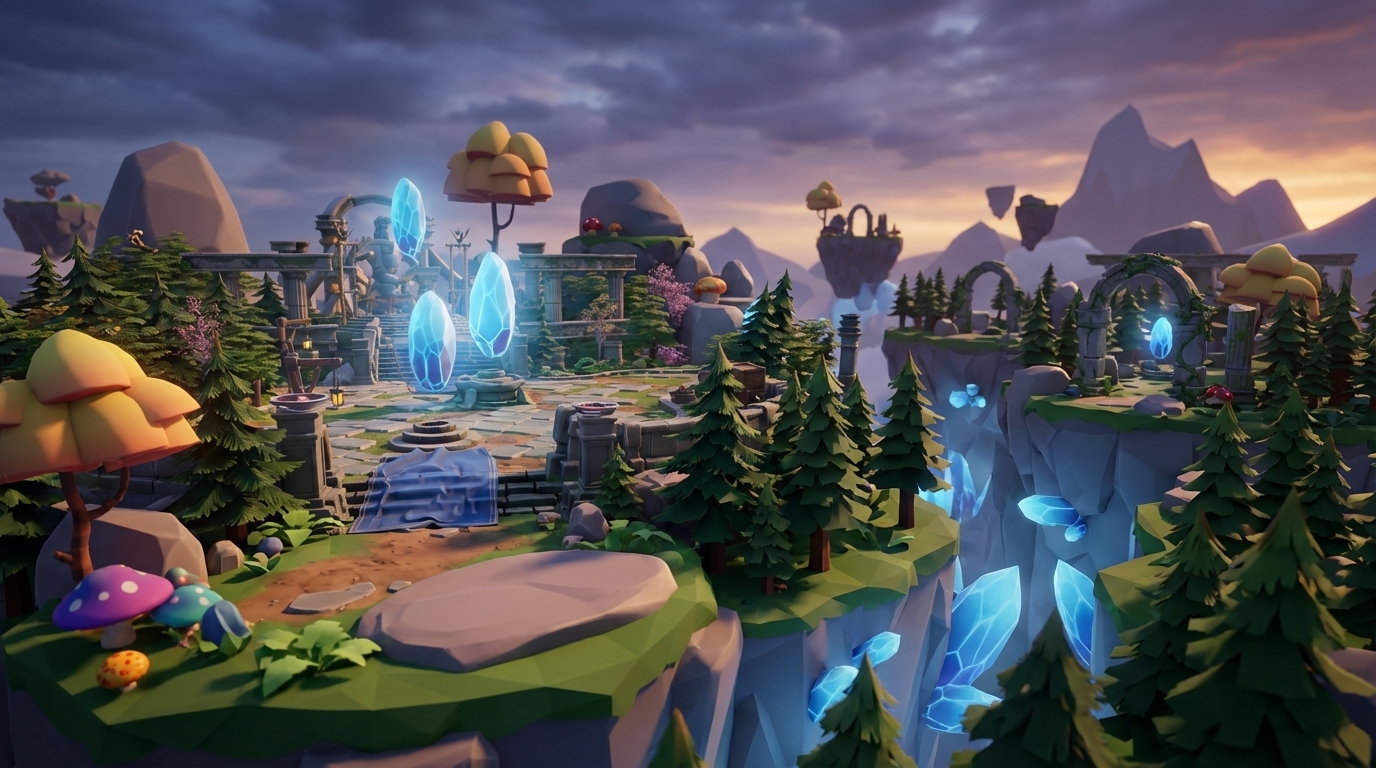
Key Takeaways for Roblox Builders Like You
-
Roblox Studio’s scripting barriers, polycount limits, and outages slow you down when you just want to create 3D games.
-
Stronger alternatives give you browser access, no-code or natural language logic, AI 3D assets, physics, and Roblox-ready exports.
-
Nilo stands out as an AI-native browser engine with vibe coding, multi-AI asset generation, real-time collaboration, and optimized FBX exports for Roblox.
-
Other solid options include GDevelop for visual 2D and simple 3D, PlayCanvas for pro browser tools, and Godot for open-source control, though many still need installs or coding.
-
Join Nilo’s open beta today to build Roblox-ready 3D worlds with friends for free, right in your browser.
Why Switch from Roblox Studio? Frustrations and What You Should Look For
Roblox Studio creates several barriers that slow down your creative process. Desktop installation means you often cannot build on school computers or jump in quickly with friends. Since you need scripting, you can get stuck when you try to make your ideas interactive.
Polycount stress adds more friction. Roblox caps models at around 10,000 to 20,000 triangles, so you end up fixing every asset in Blender by hand. Tool fragmentation then forces you to bounce between Meshy for generation, Blender for cleanup, and Roblox Studio for implementation, which breaks your creative momentum again and again.
These pain points reveal what truly matters in a Roblox alternative. When you compare options, look for browser access without downloads, no-code or natural language logic, AI-powered 3D asset generation from text or sketches, automatic physics and level-of-detail, real-time collaboration, Roblox-compatible exports like FBX or glTF, and free tiers with active communities.
You can also time how long each tool takes to generate a prop, rig a character, add basic interactions, and export to your target platform. A good platform should feel like playing a game while you build, not like operating heavy professional software.
The Best Roblox Studio Alternatives for Easy 3D Game Creation in 2026
Nilo – AI-Native Browser Game Engine for Roblox Builders
Nilo stands out as a complete browser-based platform built specifically for Roblox builders like you. You can generate 3D characters, weapons, and professional-level props in seconds from sketches or prompts, and Nilo automatically keeps polycounts ready for Roblox Studio.
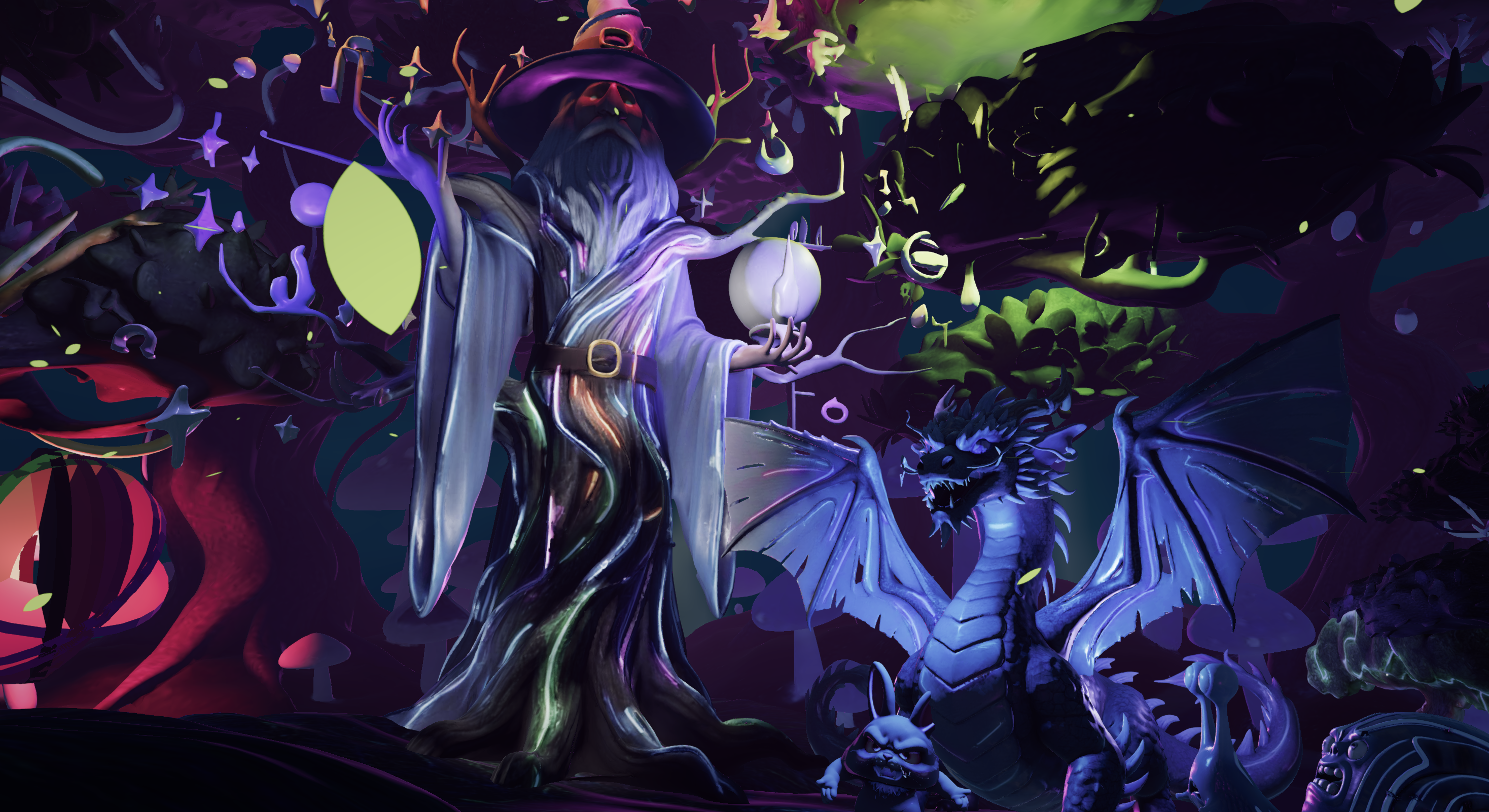
The platform integrates multiple AI providers such as Meshy, Tripo, and Cartwheel behind one interface, so you get strong results without learning separate tools.
This unified approach extends to game logic through vibe coding, which lets you describe what you want in natural language instead of writing Lua scripts. Once you have something on screen, real-time collaboration lets you share a URL so friends can jump into your world and build with you.
Pros: Complete asset workflow from concept to export, automatic LOD optimization, real-time multiplayer building, 9,000+ Discord community, Supercell backing
Best for: Roblox builders who want faster asset creation and collaborative building in the browser
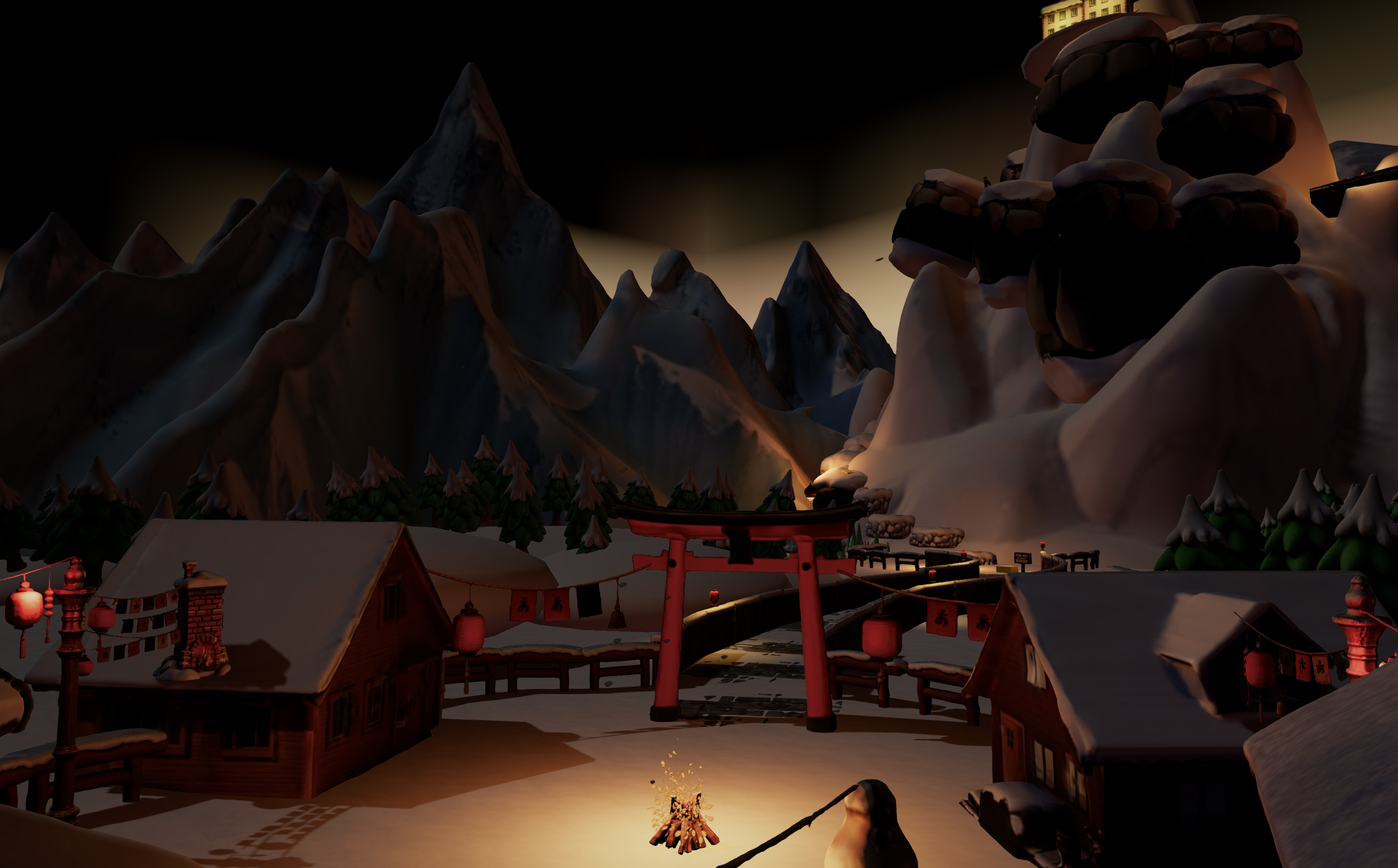
Start creating AI-powered 3D assets in your browser today with Nilo’s free beta.
2. Godot – Open Source Game Engine with Full Control
Godot gives you a free, open-source path into 3D game development with Python-like GDScript and visual scripting. You can use node-and-scene workflows for rapid prototyping, although you still need to download and install the engine.
The engine shines for 2D games and stylized 3D projects, and the indie community keeps growing. Visual scripting lowers the coding barrier, and the node-based structure feels logical once you learn it, which helps if you enjoy understanding how everything works under the hood.
Pros: Completely free, strong 2D capabilities, active open-source community
Cons: Requires installation, no full browser workflow, no built-in AI tools
Best for: Developers comfortable with some technical complexity who want deep engine control
3. Unity – Professional Game Engine for Long-Term Projects
Unity recently launched Unity Studio, a browser editor that aims to help you build and share 3D projects without coding. The tool connects to Unity’s large ecosystem and tries to hide some of the complexity for new creators.
Unity still carries decades of professional features and workflows. Even with a simplified browser version, the engine expects you to understand game development concepts that can feel overwhelming when you are just starting.
Pros: Industry-standard engine, large asset store with AI tools, professional capabilities
Cons: Complex interface, professional focus, long learning curve for full potential
Best for: Serious developers planning commercial or long-term game projects
4. GDevelop – Visual Event-Based Creation for 2D and Simple 3D
GDevelop gives you open-source visual event-based logic for 2D games and basic 3D projects. You use conditions and actions instead of code, and you can drop in prebuilt behaviors for common mechanics.
Built-in editors handle sprites, animations, and physics, and you can export to many platforms with a few clicks, including HTML5 for web sharing. AI credits in paid plans help with asset creation, and recent updates added a real-time 3D editor with PBR rendering and custom shaders, although this side still feels newer.
Pros: True no-code approach, strong for 2D games, improving 3D support, affordable pricing
Cons: 3D tools still maturing, less suited for very large or complex 3D worlds
Best for: 2D game creators and simple 3D prototypes
Experience full 3D world creation without GDevelop’s limitations in Nilo’s open beta.
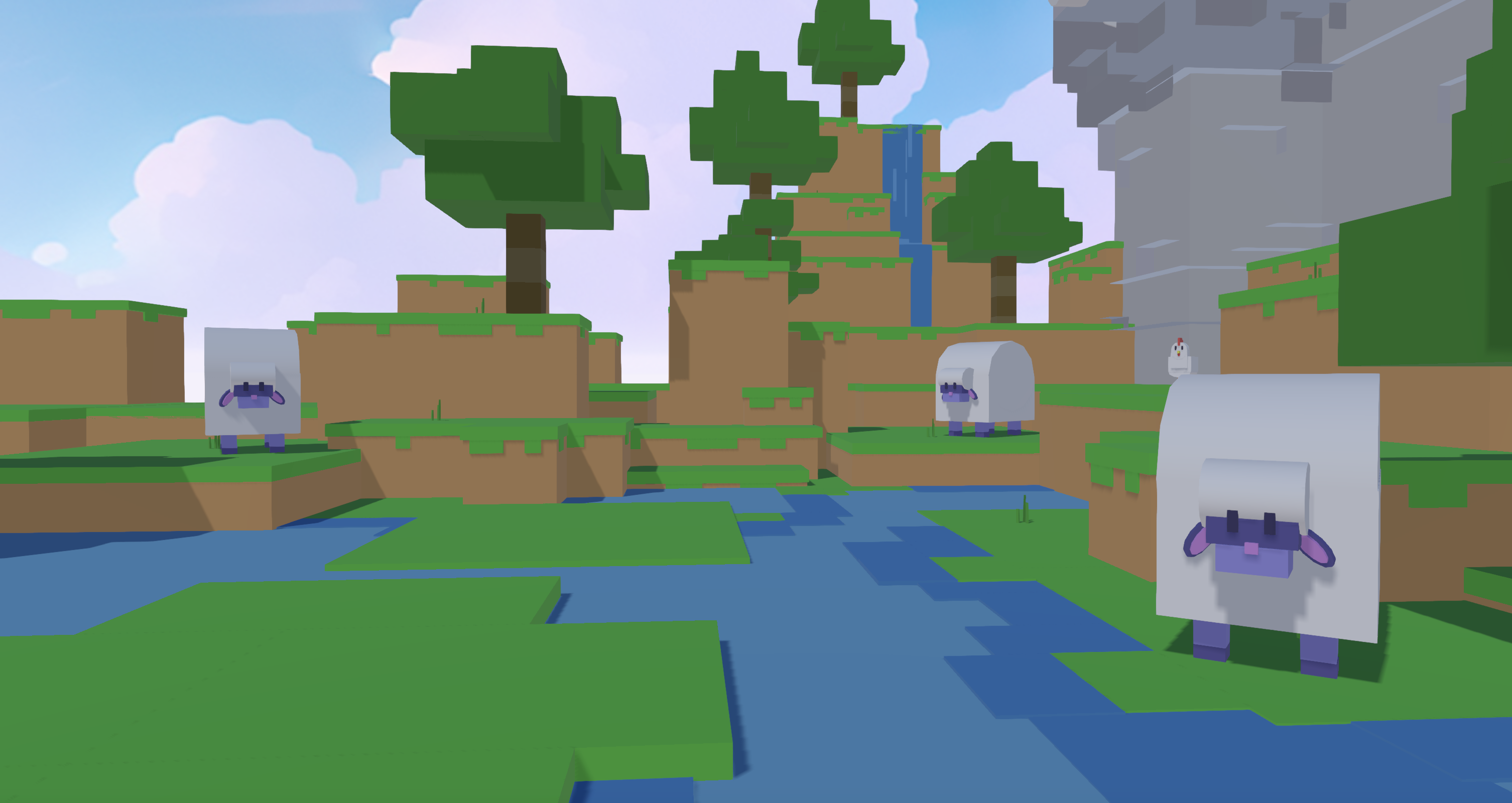
5. Core – UGC Gaming Platform with High-Fidelity Worlds
Core gives you a UGC creation environment that feels similar to Roblox but with more advanced graphics. You can collaborate, publish, and monetize inside the Core ecosystem, which helps if you want a built-in audience and store.
Installation requirements and a heavier interface make Core less accessible than browser tools. The visual quality can beat Roblox, but you trade some of that ease and speed you may be used to.
Pros: High-quality graphics, built-in publishing, monetization options
Cons: Requires installation, complex interface, smaller community than Roblox
Best for: Creators focused on high-fidelity game publishing inside a single platform
6. PlayCanvas – Browser Game Engine for Technical Teams
PlayCanvas offers 3D game development directly in the browser with collaborative editing and WebGL rendering. You get professional tools in a web editor, plus AI helpers such as an editor co-pilot and code assistants.
Since Snapchat acquired PlayCanvas, the platform has leaned toward professional teams and brands. This focus creates a powerful toolset that can feel heavy for aspiring builders, even with AI support.
Pros: Runs in the browser, collaborative editing, professional rendering, AI workflow tools
Cons: Complex for complete beginners, professional and enterprise focus
Best for: Teams with some technical experience that want browser-based development
7. Blender – 3D Modeling Powerhouse for Dedicated Artists
Blender works as a full 3D modeling and animation suite that many creators use before importing assets into game engines. The tool is powerful and free, but it takes months of learning and does not include a built-in game engine.
For Roblox workflows, Blender often becomes the cleanup step for AI-generated assets. You spend time on retopology and optimization, which interrupts your creative flow when you mainly want to build and play.
Pros: Completely free, industry-standard modeling, massive feature set
Cons: Steep learning curve, not a game engine, needs extra tools for gameplay
Best for: Dedicated 3D artists ready to invest serious time into modeling skills
Skip months of Blender tutorials and start building immediately with Nilo’s free beta.
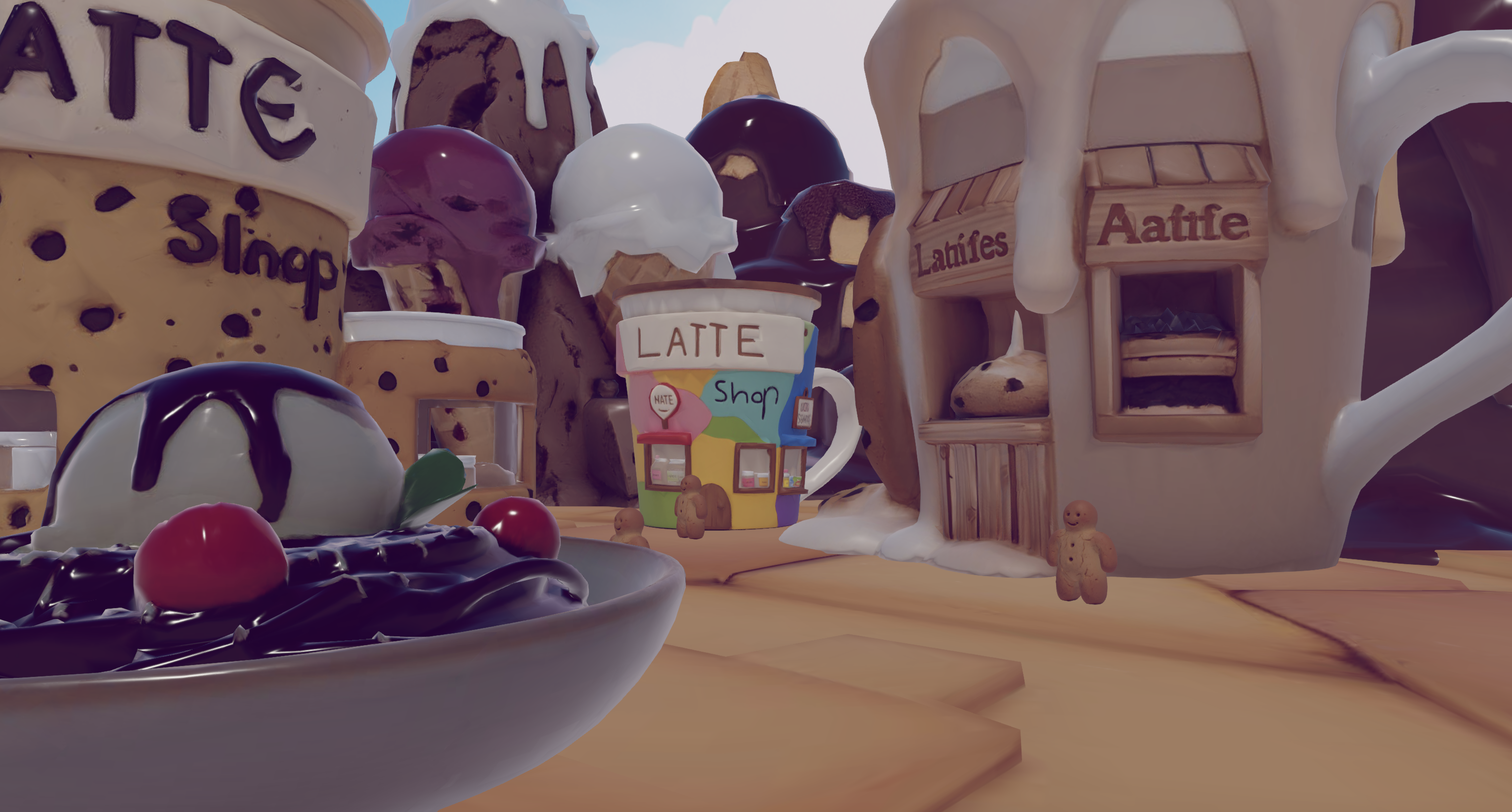
Side-by-Side Comparison: Top 7 Roblox Studio Alternatives
This comparison highlights how each platform handles browser access, no-code creation, AI assets, and Roblox export. Focus on how quickly you can move from an idea in your head to a playable prototype you can share.
|
Tool |
Browser Access |
No-Code Ease |
AI 3D Assets |
Roblox Export |
|---|---|---|---|---|
|
Nilo |
Yes |
Vibe coding |
Multi-AI with auto-rig |
Optimized FBX |
|
GDevelop |
Yes |
Visual events |
Limited AI credits |
Manual export |
|
PlayCanvas |
Yes |
Code required |
AI tools available |
Manual conversion |
|
Godot |
No |
Visual scripting |
No |
Plugin required |
|
Unity |
Limited |
Code required |
Unity Muse and partners |
Manual export |
|
Core |
No |
Mixed visual and code |
No native AI |
No direct Roblox export |
|
Blender |
No |
No-code for modeling only |
Third-party add-ons |
Manual FBX export |
Key Considerations for Aspiring Builders
You should choose a platform based on your priorities and experience level. If you want to dive deep into professional game development and do not mind spending months learning, Unity or Godot give you very broad capabilities. But if you care more about rapid experimentation than engine mastery, GDevelop offers an easy starting point for quick 2D prototypes.
If you are migrating from Roblox and want to keep that creative momentum while gaining more power, browser-based AI-native platforms like Nilo remove many of the gaps between imagination and execution. You can generate assets, build worlds, and collaborate with friends in one place without breaking your flow.
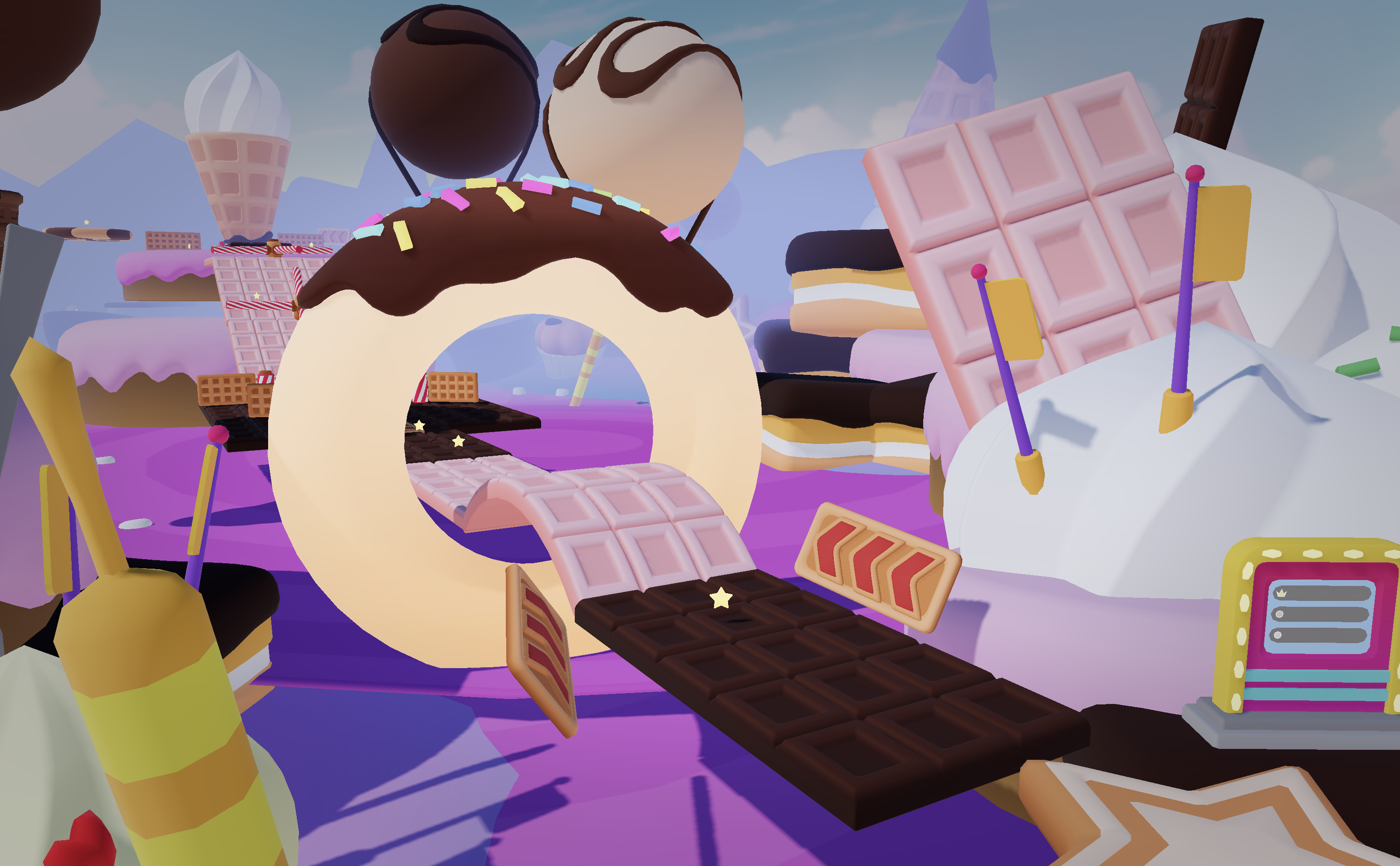
Your collaboration needs matter as well. Traditional engines usually require everyone to install software and learn complex interfaces before they can help. Browser-first platforms let you share a link and start building together right away, which keeps the social feeling that makes Roblox fun.
Frequently Asked Questions
What’s the best free Roblox Studio alternative?
Nilo stands out with a generous free tier for Roblox builders, giving you 1,000 Nilo Bits each month for AI generation plus unlimited building, collaboration, and export. Godot also stays completely free but needs installation and has a steeper learning curve. GDevelop supports strong 2D projects with more limited 3D features.
Which platforms work entirely in the browser?
Three platforms remove installation requirements: Nilo, GDevelop, and PlayCanvas. Nilo focuses on AI-native creation and Roblox-friendly exports, GDevelop centers on 2D games with some 3D, and PlayCanvas targets professional developers. Unity’s browser editor exists but feels limited compared to its desktop engine.
Can I export from Nilo to Roblox Studio?
Yes, Nilo exports optimized FBX and glTF files that you can bring straight into Roblox Studio. The automatic level-of-detail system keeps models within Roblox’s polygon expectations, so you avoid manual cleanup. Rigged characters and animations also transfer smoothly.
What are the best no-code 3D alternatives?
Nilo’s vibe coding lets you create game logic using natural language in any language, so you just describe what you want and see it run in real time. GDevelop uses visual event sheets that work well for 2D games and simpler 3D. Most other engines still expect at least some coding for full 3D gameplay.
How does Nilo compare to Godot or Unity?
Nilo focuses on ease and speed for aspiring builders, while Godot and Unity give more control to experienced developers. Nilo emphasizes immediate accessibility through web-based creation with AI support, so you can build and share faster. Traditional engines provide deeper customization, but you pay with extra complexity and longer learning time.
Conclusion: Choosing Your Next Step After Roblox Studio
AI-native platforms like Nilo point toward a future where 3D game creation feels accessible from any device with a browser. Instead of wrestling with complex software, you can spend your energy building the worlds you imagine and sharing them with friends right away.
For aspiring builders moving on from Roblox, Nilo offers a smooth path that keeps the collaborative spirit you enjoy while adding tools that grow with your skills. Join Nilo’s open beta and start building and playing for free to try the next generation of game creation in your browser.
