
Key Takeaways
-
Unity’s runtime fees and heavy requirements push many creators toward lighter, more accessible 3D game engines in 2026.
-
Nilo offers browser-based AI-native 3D creation with no downloads, vibe coding through natural language, and exports to Roblox and Unity.
-
Godot provides free open-source development with improved 3D features, but you still need scripting skills and installation.
-
Unreal Engine delivers AAA visuals with Nanite and Lumen, but it demands strong expertise, powerful hardware, and post-$1M royalties.
-
Join Nilo’s open beta today to try zero-friction 3D prototyping and building in your browser.
Quick Comparison: Top Unity Alternatives for 3D Development
The table below highlights trade-offs between learning curve, setup, and 3D power so you can match each engine to your skills and project goals.
|
Tool |
Free? |
Browser-Based |
Scripting Needs |
3D Strengths |
Export Formats |
Best For |
|---|---|---|---|---|---|---|
|
Nilo |
Yes |
Vibe coding/none |
AI generation, physics, LOD |
FBX, glTF, Roblox |
Beginners, indies |
|
|
Godot |
Yes |
Yes (prototype) |
GDScript/C# |
glTF, FBX |
Open-source fans |
|
|
Unreal Engine |
5% post-$1M |
No |
Blueprints/C++ |
AAA Nanite/Lumen |
FBX |
High-end projects |
|
Stride |
Yes |
No |
C# |
Realistic .NET |
Various |
C# Unity migrants |
|
PlayCanvas |
Yes |
Yes |
JavaScript |
WebGL |
Various |
Web games |
|
O3DE |
Yes |
No |
C++/Lua |
Open-world |
Various |
AWS/multiplayer |
Best Unity Alternatives in 2026
Nilo: Browser-Based AI-Native Engine That Stands Out
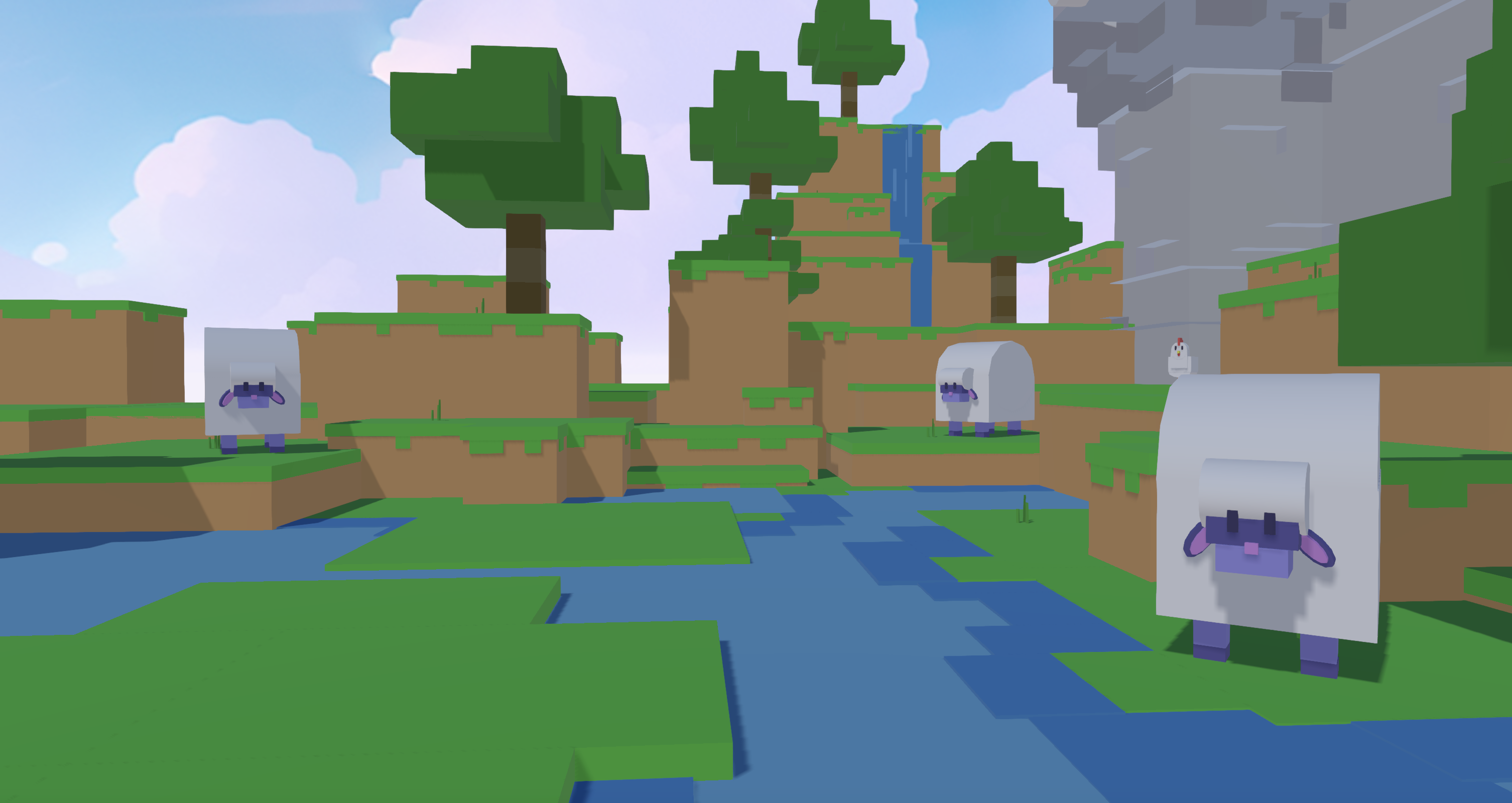
Nilo runs entirely in your browser with a custom C++/WebGPU/WASM engine that delivers professional performance without downloads. The platform combines AI 3D generation from text or sketches, one-click rigging and animation, vibe coding through natural language prompts, real-time collaboration, and direct exports to Roblox and Unity.
You can generate assets in seconds rather than hours, and builders report working 20x faster than traditional modeling tools. You avoid runtime fees, heavy installation, and hard scripting barriers. Nilo cuts Unity’s hardware hunger while still giving you the depth needed for serious 3D projects.
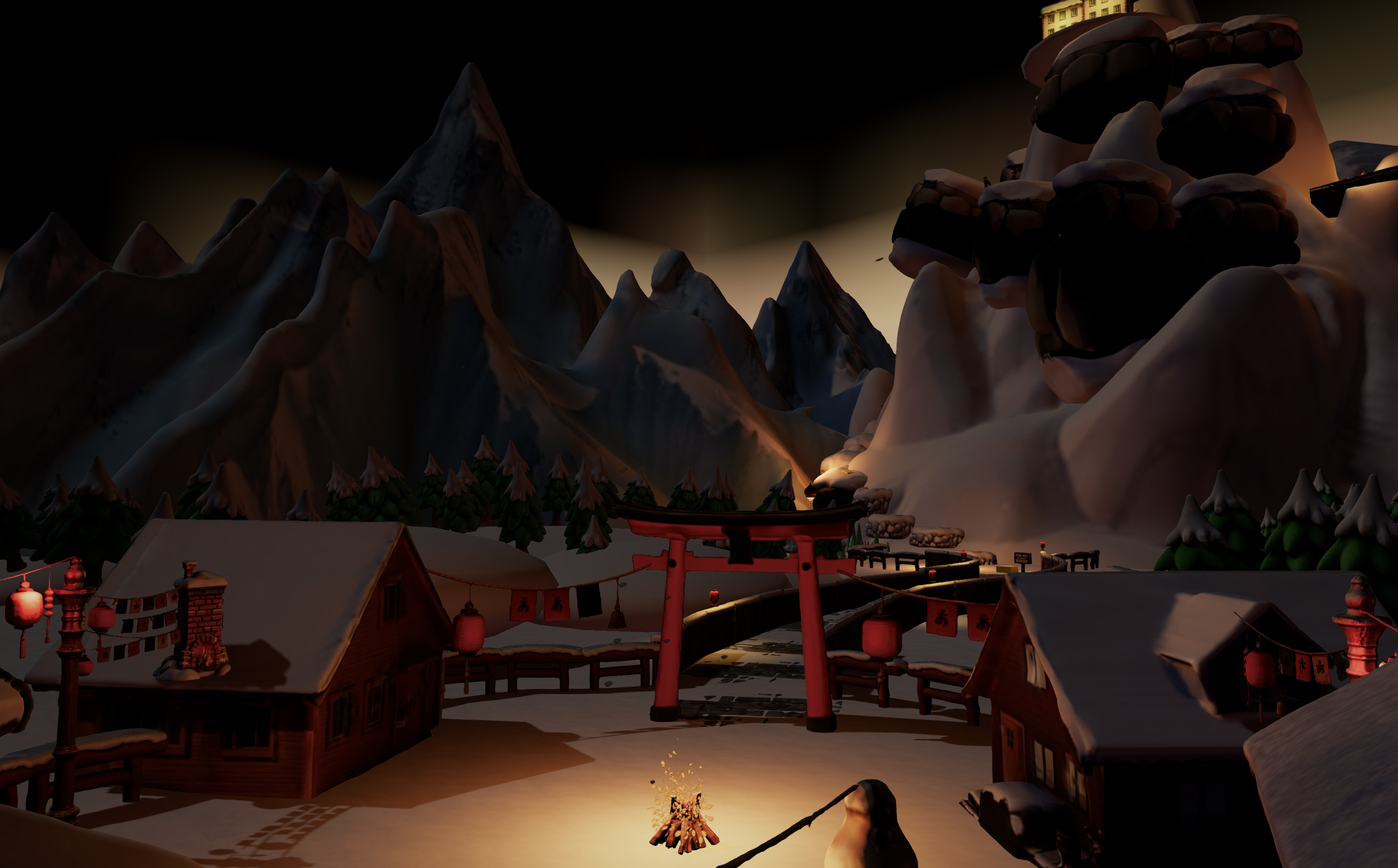
The community response backs this approach. 93% of builders in Nilo’s February 2026 Survey said they would recommend the platform to a friend, and 9,000+ Discord members and 1M+ monthly organic social views show strong engagement. One builder summed it up: “There are no limits on what you can create, just type, draw or add in an image and you can generate, rig, customise and place a fully 3D model within minutes.”
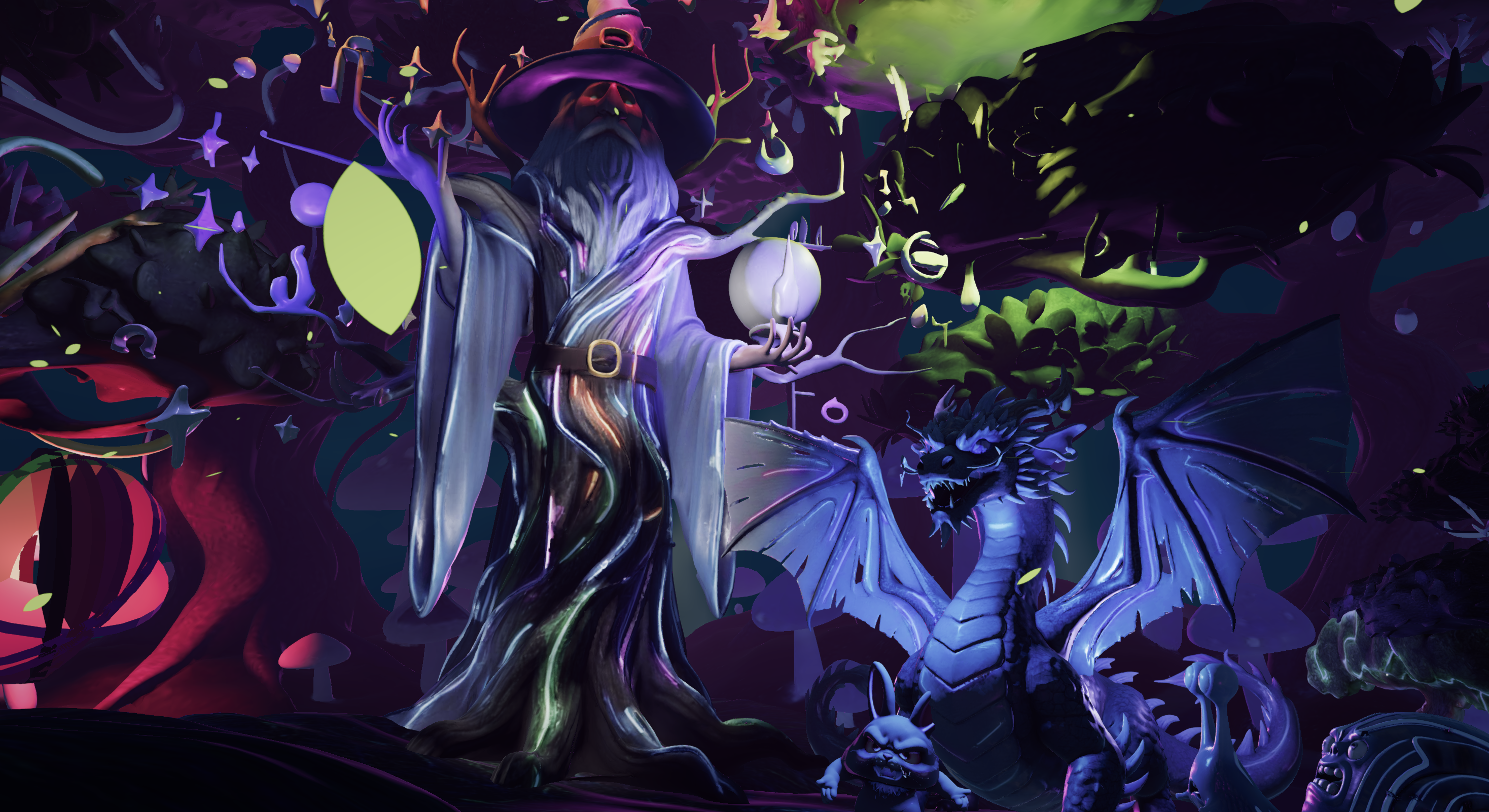
Join Nilo’s open beta and try building and playing for free to see how AI-native 3D creation feels in your browser.
Unreal Engine: AAA Visuals with Trade-offs
Unreal Engine 5 is free to use with 5% royalties only after you pass $1 million in gross lifetime revenue. It shines at high-end photorealistic 3D graphics powered by Nanite virtualized geometry and Lumen real-time global illumination.
Unreal’s Blueprints visual scripting system lets non-programmers prototype and ship full commercial games using node-based logic. This helps if your team has limited coding experience but wants advanced visuals.
The major limitations come from Unreal’s AAA focus. The steep learning curve and demanding C++ requirements lead to long compile times, and this complexity eats time for small teams. Mobile development needs heavy optimization work, and the engine’s 3D-first design means weak 2D support. Compared to Unity, Unreal offers stronger graphics but needs more hardware and deeper technical skills.
Stride: C# Unity Clone
Stride Game Engine is free and open-source under the MIT license and targets realistic 3D games using C#. This appeals if you are moving from Unity and want to keep your C# knowledge without worrying about licensing.
The engine ships with .NET integration and focuses on high-performance 3D rendering. You still need installation and a traditional desktop workflow, and the community is smaller than Unity’s or Godot’s. Stride gives C# developers a familiar middle ground without the browser-first experience of newer platforms.
O3DE: Open-World Specialist
Open 3D Engine is completely free under the Apache 2.0 license with no royalties, although optional AWS services can add costs. The engine focuses on high-fidelity AAA-quality 3D games and simulations using a modular architecture.
O3DE works well for large-scale multiplayer and deep AWS integration, so it fits ambitious open-world projects. It also has a steep learning curve and heavy hardware needs. The complex modular system can overwhelm you as a beginner compared to Unity’s more streamlined feel.
PlayCanvas: Web-Focused Development
PlayCanvas offers browser-based 3D development with JavaScript, so you can start without installing anything. The platform uses WebGL rendering, supports real-time collaboration, and exports to standard web formats that fit common deployment pipelines.
PlayCanvas still has limits in 3D complexity compared to AI-native tools like Nilo. JavaScript creates a scripting hurdle, and the platform does not include advanced AI generation or natural language coding that remove friction for aspiring builders or already builders like you.
Roblox Studio and Asset Creation Tools
Roblox Studio gives you direct access to the Roblox ecosystem and UGC creation. You work with Lua scripting and publish straight to Roblox’s huge player base. You still need installation, desktop hardware, and scripting skills to build interactive experiences.
Modern asset tools like Meshy AI offer text or image-to-3D model generation with exports to OBJ, FBX, GLTF, USDZ, and STL. These tools can support your Roblox Studio workflow, but switching between apps can break your creative flow.
Godot vs Unity: Open-Source Powerhouse
Godot Engine is completely free under the MIT license with no royalties or subscription fees. The download stays under 100MB, and the learning curve is easy to moderate with GDScript, a Python-like language that feels friendly if you are new to code.
Godot 4.6 adds performance upgrades like AGX tone mapping, an SSR overhaul, and a native IK system, along with better 3D through Vulkan support and improved global illumination. These rendering upgrades work with standard 3D formats such as GLB, GLTF, OBJ, and FBX, so you can bring in assets and benefit from the new lighting and performance right away.
Godot still needs installation and scripting knowledge, and despite the 4.6 improvements it does not match Unreal Engine 5’s Nanite and Lumen systems for photorealistic scenes. Compared to Unity, Godot removes licensing fees and lowers hardware demands while keeping a classic desktop development workflow.
How To Evaluate Unity Alternatives for Your Projects
You can pick a Unity alternative more confidently when you break the choice into a few clear criteria.
Learning Curve: Compare vibe coding through natural language with scripting languages like C#, GDScript, or Lua. Decide whether you want to learn programming concepts now or focus on pure creative expression.
Setup Requirements: Test browser-based platforms against desktop installs. Browser engines remove hardware barriers and let you share projects instantly with a link.
Cost Structure: Weigh royalty-free engines against percentage-based models. Look at both upfront costs and long-term revenue sharing.
3D Performance: Try automatic LOD systems against engines that need manual optimization. Platforms with real-time polygon adjustment reduce the technical overhead that often stalls creative projects.
Export Compatibility: Check support for your target platforms, such as Roblox, Unity, Unreal Engine, or web builds. Standard formats like FBX and glTF keep your options open.
Community Support: Look at community size, activity, documentation quality, and how quickly developers respond to feedback.
A hands-on test works best. Build a simple 3D scene or character, time the full path from idea to playable result, and notice which workflow feels most natural for you.
Applying the Evaluation Framework: Real Builder Scenarios
The criteria above, such as learning curve, setup, and export options, change in importance based on where you are starting. These common scenarios show how to apply the framework to your own situation.
Beginner Roblox Prototyper: If you are moving from playing Roblox to creating games, browser-based platforms with no-code features remove many early blockers. You can generate assets with natural language prompts and build interactive worlds before learning Lua scripting.
Indie Developer Fee Switch: If you want to leave Unity’s pricing model, Nilo offers 1,000 free Nilo Bits monthly, Godot often works well for open-source fans, and Stride fits when you want to keep C#.
Collaborative Team Building: Real-time multiplayer creation works best on browser-based platforms that support instant sharing and live co-editing. Traditional desktop engines rely on file sharing and version control, which slow down iteration for fast-moving teams.
What is the best free Unity alternative for 3D development?
The right choice depends on your priorities. Nilo stands out for beginners and rapid prototyping with its browser-based AI-native approach, while Godot fits if you prefer traditional open-source workflows. Unreal Engine 5 leads in visual quality but needs more technical expertise.
How does Godot compare to Unity for 3D game development?
Godot is lighter, has no licensing fees, and uses an intuitive Python-like scripting language, with 3D features that are maturing through better Vulkan support. Unity offers more established 3D tools and a larger asset ecosystem, but it brings licensing costs and heavier system requirements.
Are browser-based game engines viable for serious 3D development in 2026?
Browser-based engines are now a serious option. Cloud deployments keep growing because of scalability and easy access, while modern tech like WebGPU and WebAssembly delivers professional 3D performance without local installs.
Can I export Nilo creations to Unity or other engines?
Nilo exports to standard 3D formats including FBX and glTF, so your models work with Unity, Unreal Engine, Blender, and other pro tools. You can treat Nilo as a full development environment or as an asset creation pipeline that feeds your existing workflow.
What is the best no-code solution for 3D game creation?
Nilo’s vibe coding system lets you create interactive 3D games with natural language prompts instead of scripts. You describe gameplay, physics, and visual effects in plain language, and the AI turns that into working logic, which opens 3D game creation to you even without programming knowledge.
Build Without Friction in 2026
Browser-based AI-native alternatives solve Unity’s fees, installation needs, and scripting barriers by putting creative flow first. You can choose Nilo for instant AI-powered creation, Godot for open-source control, or Unreal for AAA visuals.
The future of 3D game development belongs to platforms that make building feel like play. Start building in your browser today to experience the next generation of game development tools without leaving your web tab.
