
Key Takeaways
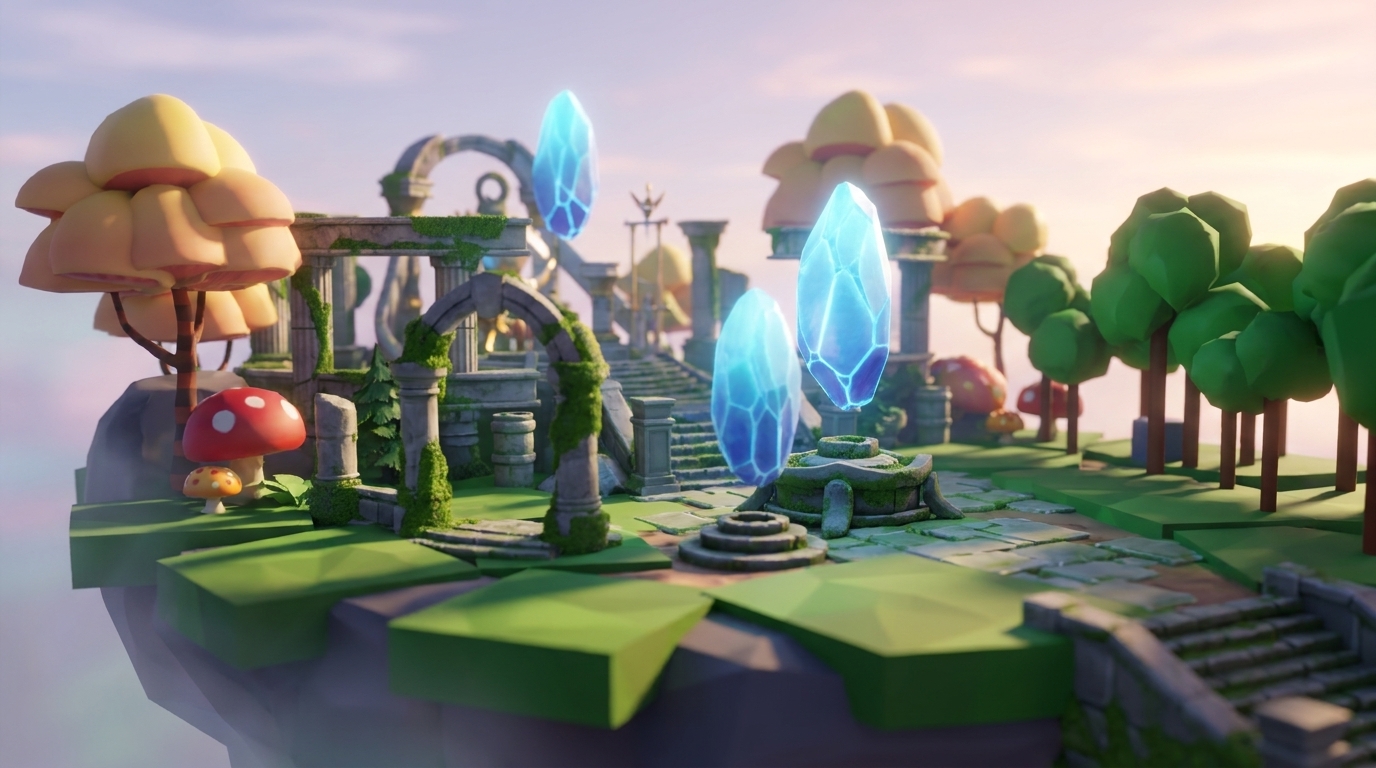
- Vibe coding uses AI to turn your plain-language ideas into 3D game code, so you skip scripting in tools like Roblox Studio.
- Modern browser tech like WebGPU now supports console-style 3D worlds without downloads, so you can build from almost any device.
- Nilo stands out as a browser-based engine for hands-on building, real-time multiplayer creation, and exports to Roblox and Unity.
- Traditional tools feel slow and frustrating, while vibe coding platforms focus on instant feedback, quick changes, and social building.
- Ready to build your own world? Join Nilo’s open beta and start creating playable 3D worlds for free.
The Problem: Traditional Game Tools Slow Down Your Ideas
Traditional game creation tools put a huge wall between your ideas and a playable game. Roblox Studio expects you to learn Lua scripting, which feels impossible when you just want zombies to chase players or add a simple speed boost.
Unity and Unreal Engine demand even deeper technical skills. Blender takes months to feel comfortable. You want to build a world, but the tools keep asking you to think like a professional engineer.
Tool switching makes everything even more painful. You generate a 3D model in Meshy, spend 30 minutes fixing it in Blender, then fight with import errors in Roblox Studio. Every switch breaks your flow and turns fun building into annoying technical work.
This process also feels lonely when creation should feel social. You cannot easily invite friends to build with you in real time like you do in the games that inspired you. Instead, you sit alone fixing polygon counts while your friends hang out in multiplayer worlds.
Many aspiring builders like you eventually give up. They bounce between tools for years, burn out on technical barriers, and never fully ship the worlds they imagine.
The Solution: Vibe Coding Games Turn Ideas Into Playable Worlds
Vibe coding games use AI-first development so you describe what you want in plain language, the AI writes the code, and you refine it through conversation. Instead of waiting on a single big generation, you build, test, and tweak inside a live 3D world.
Think of it like moving from Wall-E to Iron Man. You are not just watching AI work for you. You are getting superpowers so you and the AI build together. You might say “make zombies chase me,” see it working in multiplayer, then adjust speed, add obstacles, or invite friends to test, all through simple chat.
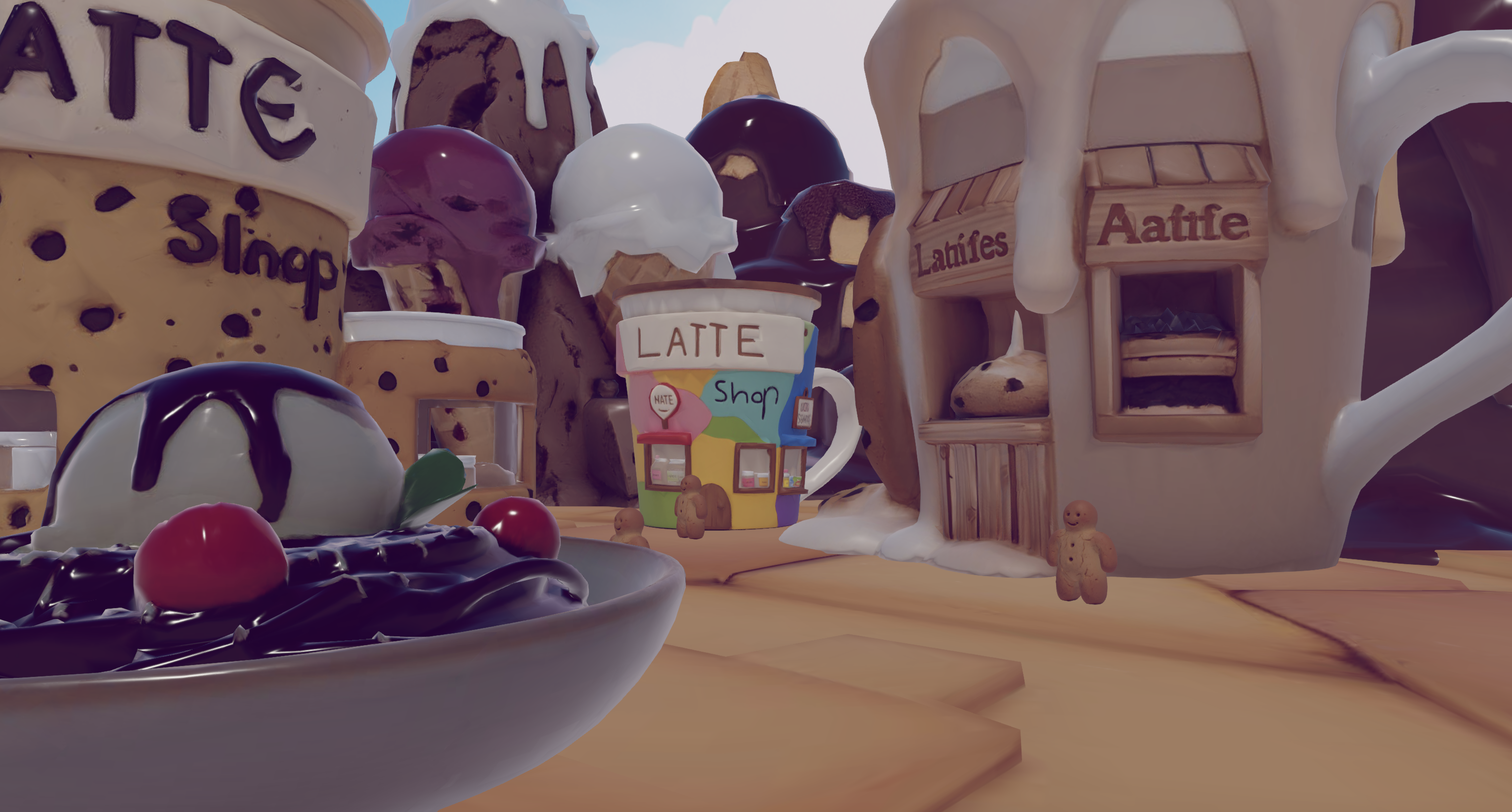
Engine-first design makes this feel different from prompt-only tools. These platforms act as full game engines that also understand natural language. You stay inside a living 3D world while you build, instead of waiting for AI to spit out content that feels hard to change.
Start vibe coding your first game in Nilo’s browser-based engine with no download required.
Why Vibe Coding Games Matter in 2026
Three big shifts make 2026 a breakout year for vibe coding games. Browser technology now supports WebGPU and WebAssembly, which power console-quality 3D experiences without downloads. WebGPU reached every major browser and unlocked smoother 3D performance that older WebGL setups could not match.
AI generation has reached production quality, which means it can now handle complex 3D physics and game logic that once needed professional programmers. This shift removes the technical wall that used to separate your ideas from a working prototype.
A generation raised in 3D worlds now wants to create, not just play. You grew up in Minecraft, Roblox, and Fortnite, so you already think in 3D spaces. You have the creativity and spatial skills, and you now finally have tools that feel like play instead of homework.
Experience WebGPU-powered vibe coding in Nilo’s free open beta.
Top Vibe Coding Platforms You Can Try
Nilo: AI-Native Browser Game Engine for Social Building
Nilo stands out as a full vibe coding engine that mixes natural language coding with direct 3D building in one browser-based environment. You can say “add speed boost” or “make enemies patrol,” generate 3D assets from text, sketches, or images, and spin up multiplayer worlds that friends join by clicking a link.

The custom engine uses C++ physics compiled to WebAssembly, which gives you console-style performance in a browser. Nilo also keeps polycount under control so models drop into Roblox Studio and other tools without extra cleanup. You can export standard 3D formats like FBX, OBJ, and glTF for Roblox, Unity, Blender, and more.
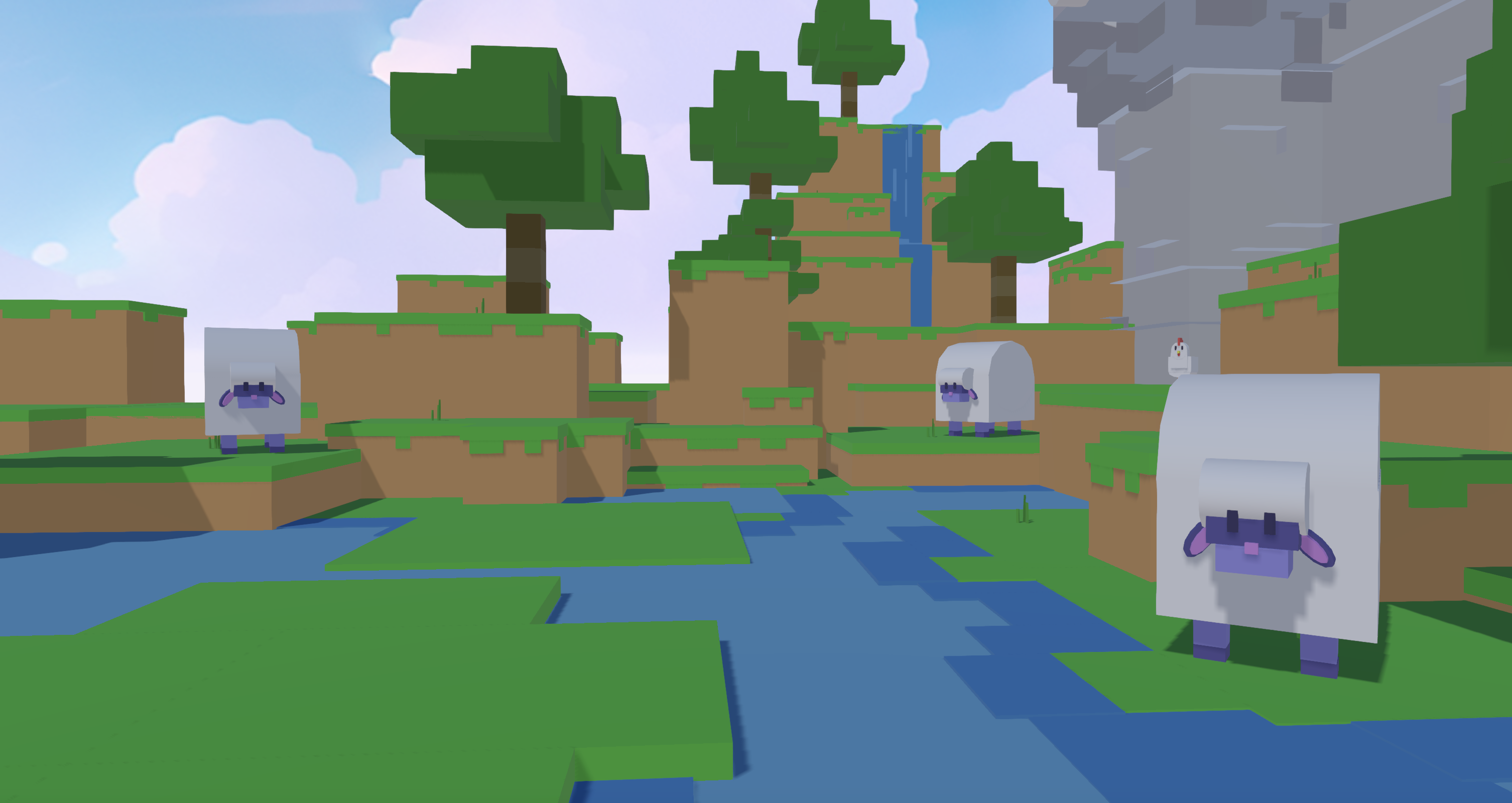
Community feedback shapes how Nilo grows. Builders share ideas, and the team ships updates based on real projects. In Nilo’s February 2026 Survey, one creator said, “You made me enjoy vibe-coding. The code assistance works almost flawlessly, other experiences have just been frustrating at best.” Another builder shared, “There are no limits on what you can create—just type, draw or add in an image and you can generate, rig, customise and place a fully 3D model within minutes.”
Nilo supports real-time multiplayer creation across desktop and mobile, so you and your friends can build together and share worlds through Discord or Telegram. You can rig and animate with one click to turn static models into characters. The level of detail system automatically adjusts polygon counts so your worlds run smoothly on different devices.
Rosebud AI: Fast Prompt-Based Prototypes
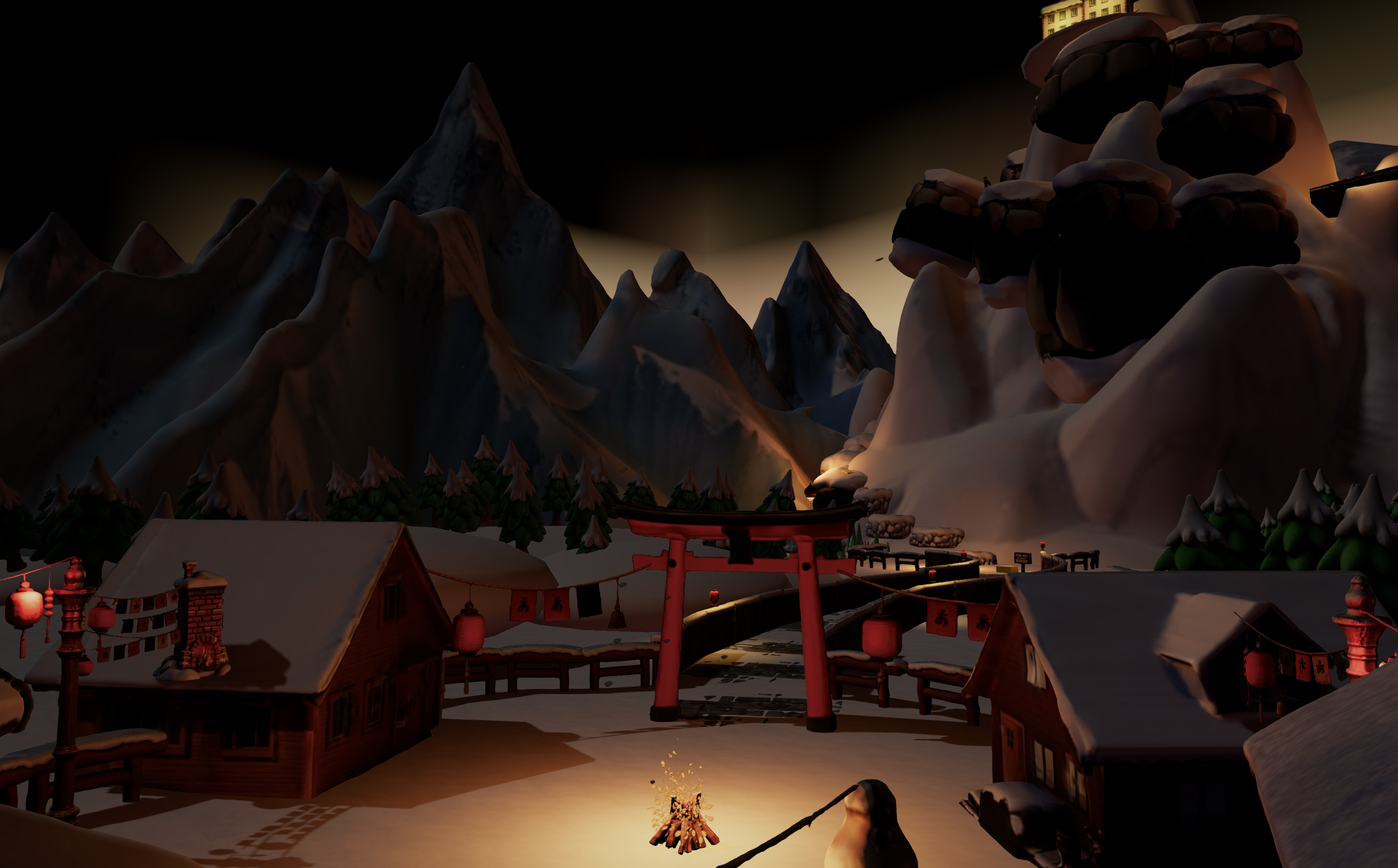
Rosebud AI lets you spin up playable game prototypes from short natural language prompts, without writing code. It auto-generates mechanics, scripts, and built-in art, which works well when you want to test ideas quickly.
Rosebud AI focuses on prompts instead of hands-on building. You describe the game, wait for generation, then play what it created. You do not build inside a 3D world or collaborate live with friends, and 3D depth and multiplayer options feel limited compared to full engines.
Roblox Studio: Powerful but Scripting-Heavy
Roblox Studio gives you deep control over Roblox games, including mechanics, monetization, and access to a huge player base. It remains a strong choice when you want full control and are ready to learn professional tools.
The main blockers are Lua scripting and desktop-only access. You must write code for almost every interactive element, and you need to install and manage the software. While it supports real-time collaboration through Team Create with live scripting and comments, the interface often overwhelms builders who just want to make fun worlds with friends.
Unity: Professional Engine for Complex Projects
Unity offers pro-level game creation with a huge asset store, cross-platform builds, and workflows used across the industry. Unity now includes some browser-based editing options, while still focusing on professional teams.
This depth comes with a steep learning curve. Unity usually does not fit if you want quick expression and social building. You may spend months learning the editor and scripting before your ideas feel playable, which clashes with the fast, playful style many multiplayer-native builders prefer.
Oasiz: Simple Canvas-Style Game Creation
Oasiz offers browser-based creation with AI help and a canvas-style editor. It feels friendly for non-technical creators and works well for quick prototypes.
The canvas layout limits deep 3D building. Oasiz fits 2D games or simple 3D scenes more than rich, immersive 3D worlds that many builders now want to create.
Spawn: Hybrid Prompt and Canvas Workflow
Spawn mixes prompt-based generation with a canvas editor, so you get AI support plus manual tweaks. You can build in the browser without installing heavy software.
Like other canvas tools, Spawn struggles with deep 3D and rich collaboration. The split between prompts and canvas editing can feel disconnected compared to engines where everything happens inside one shared 3D space.
Platform Comparison
The table below highlights three features that shape how quickly you can start building and invite friends to join: browser access, hands-on building style, and multiplayer collaboration.
| Platform | Browser/No-Install | Hands-On vs Prompt-Only | Multiplayer Collab |
|---|---|---|---|
| Nilo | Yes | Hands-on engine-first | Yes (real-time) |
| Rosebud AI | Yes | Prompt-only | Limited |
| Roblox Studio | No | Scripting-heavy | Yes (real-time via Team Create) |
| Unity | Partial (Unity Studio) | Pro-grade | Limited |
| Oasiz | Yes | Canvas-based | Basic |
| Spawn | Yes | Prompt/canvas | Basic |
When you compare platforms, try real-time feedback, export options, and community tools. Choose engines that let you build inside the world instead of only generating content from prompts. Check how easily you can invite friends to build together and move your creations into tools you already use.
How You Can Start With Vibe Coding Games
Getting started with vibe coding feels much simpler than classic game development. First, choose a browser-based platform that matches your goals, such as exporting to Roblox, building with friends, or shipping web games.
Pick a tiny idea like a “flying obstacle course” or “zombie survival arena.” Describe what you want in plain language, such as “create floating platforms with jump pads” or “add enemies that chase the player.” The AI turns those requests into working logic you can test right away.
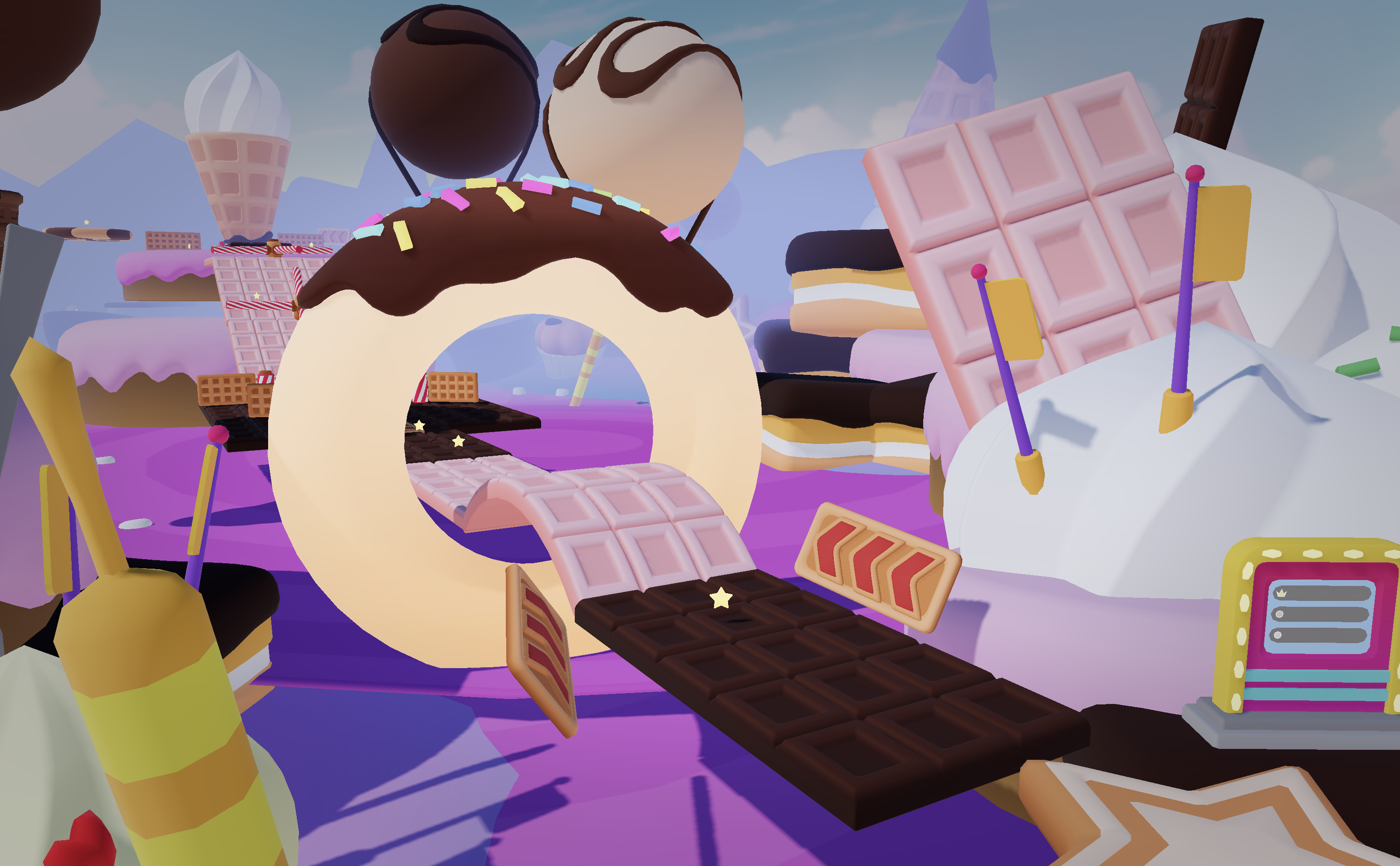
Build directly inside the 3D world as you go. Instead of writing scripts and hoping they run, you see changes instantly. You can tweak speeds, drop in new objects, or change behaviors just by talking to the AI.
Share your world with a link once it feels fun. Most vibe coding platforms support instant sharing and multiplayer testing, so friends can join, give feedback, and help you build. This social loop keeps you motivated and speeds up your learning.
If you already build for Roblox, tools like Nilo let you create assets and worlds that export straight into Roblox Studio. You can use vibe coding to generate clean models, rig characters, and set up logic, then finish the game inside your usual Roblox workflow.
Put these steps into practice by joining Nilo’s open beta and building your first multiplayer world.
Frequently Asked Questions
What are vibe coding games?
Vibe coding games are AI-powered platforms where you build 3D games using natural language instead of classic programming. You describe actions like “make zombies chase me” or “add a speed boost,” and the AI instantly creates working logic. Strong platforms use an engine-first approach, so you build inside a live 3D world instead of only generating static scenes from prompts.
What are the best free vibe coding games?
Nilo stands out with a generous free tier that includes 1,000 Nilo Bits per month for AI generation, exports, and creation tools. Rosebud AI and Oasiz also offer free plans, but they often limit tokens and do not cover a full creation pipeline. Most free tiers still give you enough room to explore features and ship small projects.
How do vibe coding games compare to Roblox Studio?
Vibe coding games remove the scripting barrier that blocks many Roblox builders. Instead of learning Lua, you describe your ideas in plain language and get interactive logic right away. These platforms are also accessible from any device with a modern web browser and often support real-time collaborative building. Roblox Studio still offers deeper control and direct access to the Roblox ecosystem, so many creators use both together.
Can I export my creations to Roblox?
Yes. Platforms like Nilo export directly to Roblox while handling polygon and performance limits for you. You receive standard 3D formats such as FBX, OBJ, and glTF that work in Roblox Studio and other engines. This setup lets you prototype and create assets with vibe coding, then polish your game in your usual tools.
Are vibe coding games suitable for young creators?
Yes. Vibe coding games work well for builders aged 11–18 who grew up in Minecraft and Roblox. These platforms teach real concepts like rigging, physics, and game logic through playful, visual interfaces instead of heavy jargon. The social focus also matches how you naturally like to build together with friends.
Conclusion: Start Building Your Vibe Coding World
Vibe coding games close the gap between your imagination and a playable game. You skip weeks of learning scripting languages and wrestling with complex software, and you move straight into describing your vision and watching it appear on screen.
The platforms in this guide show where accessible game creation is heading, with Nilo standing out as a strong browser-based option. Whether you want to export to Roblox, build live with friends, or publish web games, these tools help you turn ideas into worlds you can actually play.
The future of game creation feels collaborative, social, and fun. Do not let technical walls keep your ideas stuck in your head. Join Nilo’s open beta and start building and playing your own 3D worlds for free.
