
Key Takeaways
- Godot gives you a gentler start if you come from Roblox, with Python-like GDScript and faster first prototypes than Unity.
- Godot shines for 2D projects, while Unity stays ahead for complex 3D, VR, and console releases on PlayStation, Xbox, and Switch.
- Unity’s pricing pressure, including Pro subscriptions and Enterprise commitments, pushes many teams toward Godot’s free MIT license.
- Godot often produces smaller builds that suit indie games, while Unity’s larger market share brings more tutorials, tools, and job options.
- You can avoid engine lock-in by prototyping in Nilo’s browser-based creator, then exporting AI-generated 3D assets to both Godot and Unity.
Godot vs Unity 2026 Quick Choice Table: Match Your Goals
This table shows a clear pattern: Godot keeps costs low and feels lighter, while Unity offers reach, jobs, and console support. Use it to spot which trade-offs fit how you want to build and share your games.
| Factor | Godot 4.4 | Unity 6 | Notes |
|---|---|---|---|
| Cost | Free/MIT license | Personal free under $200k revenue, Pro $2,310+/year | Pick Godot if you want to keep spending near zero |
| Scripting Language | GDScript (Python-like), C#, C++ | C# (industry standard) | GDScript feels easier at first, C# helps with jobs |
| 2D Performance | Excellent rating for 2D | Good rating | Godot is usually the smoother choice for 2D |
| 3D Performance | Improving, now solid for many indie 3D games | Strong, URP/HDRP for demanding projects | Unity still leads for heavy 3D and VR |
| Learning Curve | 1–2 weeks to a first prototype | 2–4 weeks to a first prototype | Godot usually feels quicker to pick up |
| Binary Size | 45–70MB empty projects | 30–60 MB depending on platform (e.g., Android or standalone) | Both can stay light, Godot often edges smaller |
| Market Share | 11% among newer indie developers | 30% overall, 54% at older indie studios | Unity has a bigger community and more roles |
| Console Exports | Third-party services required for console ports | Console support for PlayStation, Xbox, and Nintendo Switch (additional packages may be required) | Unity gives you a clearer console route |
Your choice depends on what you want to ship first. Try a tiny prototype in each engine and notice which editor feels natural for you. If you want instant browser builds without installs, test both engines through Nilo’s browser creator and export to Godot or Unity when you are ready.
Godot vs Unity for Beginners: Getting Started Faster
If you come from Roblox building, Godot usually feels easier at the start. Godot’s editor stays lightweight compared to Unity’s full installation, and GDScript looks a lot like Python with less boilerplate than C#. The earlier timeline difference means you often test gameplay ideas while Unity beginners still learn the interface.
This speed advantage comes partly from Godot’s simpler structure. Godot’s node-based scene system, which feels like organizing scenes in Roblox, becomes intuitive once you use it for a bit. This modular style pairs well with strong built-in docs that explain what each node does. Learning stays fast because GDScript runs without long compile times, so you test changes almost instantly. Unity counters these beginner perks with a huge tutorial library and C# skills that carry into many professional roles.
Godot Pros: Lightweight editor, Python-like scripting, quick iteration, completely free
Unity Pros: Massive tutorial ecosystem, industry-standard skills, larger community, mature tooling
2D and 3D Performance: Where Each Engine Fits
Godot earns an “Excellent” rating for 2D development, while Unity’s 3D-first design makes 2D setup more complex. If you want to build 2D platformers, puzzle games, or pixel art projects, Godot’s dedicated 2D tools usually feel smoother and more focused.
For 3D, the gap has narrowed a lot in recent versions. Godot 4.4 improved 3D with a Metal backend, physics interpolation, and Ubershader support, which makes it a solid pick for many indie 3D games. Even with those gains, Unity 6 still leads for heavy 3D projects, ray tracing, and large open worlds through URP and HDRP.
Why Many Creators Move from Unity to Godot
Rising costs and trust issues push many teams to explore Godot. Unity’s Enterprise Minimum Commitment Program starts at $250,000 per year, and one developer even called it “blackmail.” The 5% price increase for Pro subscriptions adds more pressure if you want to grow without spending a bunch of money.
Complexity also plays a role. Many developers mention Unity’s frequent API changes and heavy project setups as friction. Godot’s MIT license promises it stays free, and its simpler architecture means fewer breaking changes between versions. Godot’s contributor base and corporate adoption keep growing, which gives you more confidence that the engine will keep improving.
Godot vs Unity Console Exports: Unity’s Clear Edge
Console publishing is where Unity clearly pulls ahead. Unity 6 supports exports for PlayStation, Xbox, and Nintendo Switch, with extra packages when needed, while Godot relies on third-party porting services for consoles. If you already dream about a console release, Unity gives you a more direct path.
For desktop, mobile, and web, both engines handle exports well. Godot supports many platforms without extra licensing fees, which helps if you want to publish widely while staying on a tight budget.
If you are not sure which export path fits your long-term plans, you can delay that decision. This is where Nilo stands out as a bridge solution. You can prototype worlds in your browser using AI asset generation and natural language coding, so you describe what you want with text, voice, or images. Then you export your creations as FBX or glTF files to either Godot or Unity. Prototype cross-engine and keep your options open with Nilo while you test both engines.
Nilo’s Browser Creator: AI-Native Worlds for Godot and Unity
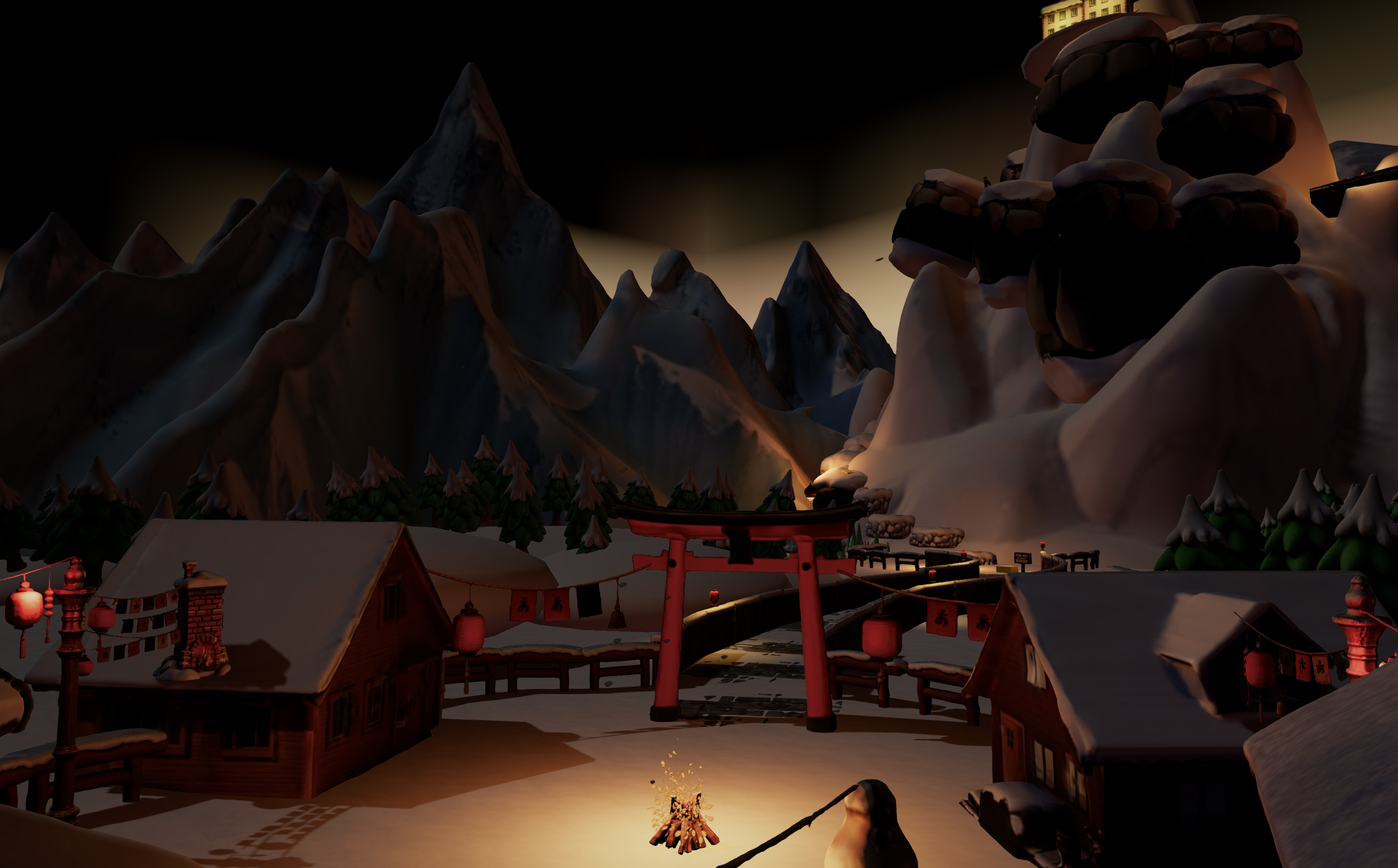
While you compare Godot and Unity, Nilo gives you a different way to start building. Nilo runs in your browser and can generate characters, weapons, and detailed props in seconds using text-to-3D prompts, sketch-to-3D tools, and natural language coding.
You can build together in real time just by sharing a link with friends. You rig and animate with one click, then export to both Godot and Unity without locking yourself into one engine. Nilo also adjusts polycount automatically so models drop into Roblox Studio and other platforms without painful cleanup.
The platform supports aspiring builders or already builders like you who grew up in Roblox and Minecraft and now want professional-looking 3D worlds without installs or heavy tools. With 9,000+ Discord members and backing from Supercell, Nilo helps you move from playing to creating. Start building and playing in Nilo’s open beta for free.
Decision Quiz: Choose Your Engine With Confidence
Use these prompts to narrow your choice:
- Building primarily 2D games? Choose Godot for smoother 2D tools and a focused pipeline.
- Need console publishing? Choose Unity for PlayStation, Xbox, and Switch support.
- Budget under $200k revenue? Both offer free tiers, but Godot stays free forever.
- Want industry-standard skills? Unity’s C# experience transfers to many professional roles.
- Prefer rapid prototyping? Godot’s lighter editor and GDScript help you iterate faster.
- Want to test both without commitment? Start in Nilo for browser-based prototyping that exports to either engine.
FAQ
What is the best engine for beginners: Unity or Godot?
Godot usually offers an easier learning curve for absolute beginners because of its lightweight editor, Python-like GDScript, and simple node-based structure. You often reach a first prototype in roughly 1–2 weeks, while Unity can take closer to 2–4 weeks. Unity still gives you more tutorials and teaches C#, which many studios and tools use.
Why are developers switching from Unity to Godot in 2026?
Many developers react to Unity’s pricing changes and stability concerns. Unity Pro now costs more than $2,310 per year with a 5% increase, and Enterprise customers face minimum commitment fees starting at $250,000. Godot’s MIT license guarantees it stays free, and its simpler architecture reduces breaking changes when you update.
Which engine is better for 2D games: Godot or Unity?
Godot tends to be the stronger choice for 2D games because of its dedicated 2D pipeline and strong performance ratings. Unity’s 3D-first design makes 2D setup feel heavier and less direct. If you focus on 2D platformers, puzzle games, or pixel art, Godot usually fits better.
Can I export from Nilo to both Godot and Unity?
Yes, Nilo exports standard 3D formats such as FBX and glTF that work well in both engines. You can prototype worlds in Nilo’s browser environment using AI generation and natural language coding, then move into Godot or Unity without losing work or getting stuck with one vendor.
Which engine has better job prospects: Godot or Unity?
Unity currently offers stronger job prospects because of its larger market share and wide industry use. Unity skills transfer to C# development in many studios, especially for mobile and console projects. Godot’s growth and open-source model still create chances in indie teams and studios that want lower costs.
Conclusion: Build Your World Your Way
Your Godot vs Unity decision should follow your goals, budget, and target platforms. Godot fits 2D games, quick experiments, and tight budgets, while Unity leads for advanced 3D, console publishing, and career-focused skills. Instead of staying stuck comparing features, pick the engine that matches what you want to ship first.
For maximum flexibility, Nilo lets you prototype in the browser and export to both engines so you do not feel locked in. Whether you lean toward Godot, Unity, or start inside Nilo, the key step is launching your first project. Start building in your browser with Nilo’s open beta today.
