
Key Takeaways
-
AI-native no-code platforms in 2026 let you build 3D games in your browser without Lua scripting or Blender cleanup, which fits Roblox builders perfectly.
-
Evaluate tools by ease of access, AI 3D features, Roblox export quality, real-time collaboration, and how far the free tier takes you.
-
Nilo stands out with vibe coding, one-click rigging, Roblox-ready exports, and multiplayer creation directly in your browser.
-
Alternatives like GDevelop and Construct 3 work well for 2D or general projects, but do not match Nilo’s Roblox-focused 3D AI tools.
-
Join Nilo’s open beta today to build Roblox-ready worlds for free and skip the usual coding grind.
How to Evaluate No-Code Roblox Alternatives
You want a platform that removes the painful Roblox workflow of heavy installs, confusing scripts, and endless Blender fixes. The right tool should let you go from idea to playable Roblox-ready world without breaking your flow. Use these criteria to judge each platform.
Ease of Access: Choose browser-based platforms with no installations. You should jump into building console-style 3D worlds fast and avoid setup headaches. You also want to invite friends by just sharing a link, so everyone can build together instantly.
3D and AI Capabilities: Check how well the platform handles 3D asset generation, mesh cleanup, and polygon limits. AI-powered tools like Metain’s Claude Opus 4.6 integration show how prompts such as “build a sci-fi arena” can replace long scripting sessions. You should be able to talk, type, or send images to the AI and get usable 3D results.

Roblox Export Optimization: Make sure models export cleanly to Roblox Studio with polygon counts that respect Roblox Studio Mesh Parts’ 10,000 triangle limit. Exports should keep rigging, animations, and collision data. Many AI tools spit out messy meshes that need hours of Blender cleanup, which defeats the point of using AI in the first place.
Real-Time Collaboration: Look for multiplayer creation so you and your friends can build at the same time. That turns creation into a social hangout instead of a solo grind.
Free Tier Value: Compare how much you can actually build before paying. Look for a system that lets you experiment and fail a bunch without spending a lot of money upfront.
Start testing these criteria yourself in Nilo’s free open beta.
Nilo: For Roblox Builders Who Want To Create Without Extra Work
Nilo stands out for Roblox creators who want to skip the AI-to-Blender-to-Roblox chain that kills momentum. You get an end-to-end pipeline built around Roblox-ready 3D assets instead of a pile of disconnected tools.
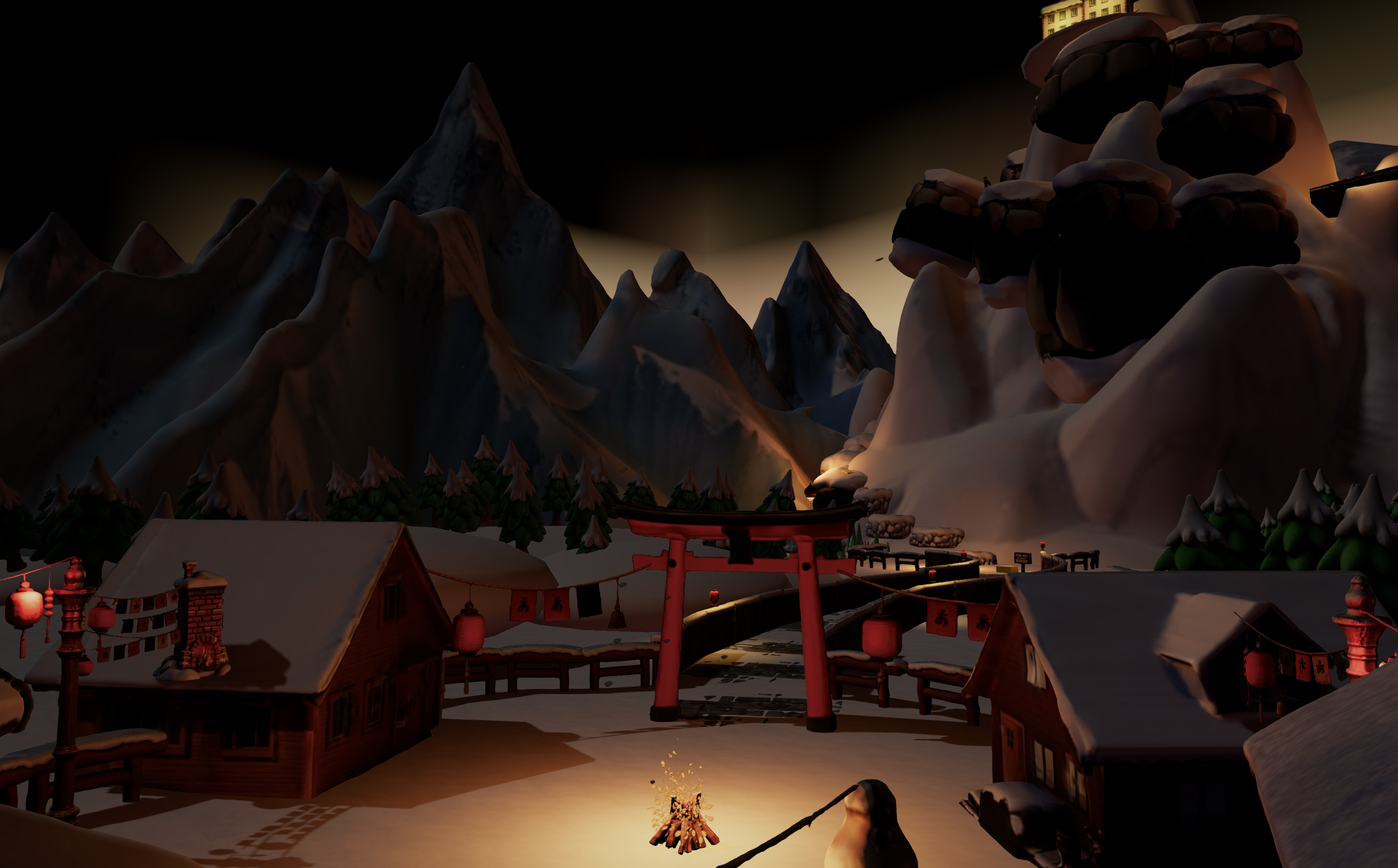
AI-Powered 3D Generation: Create characters, props, and environments from text prompts, sketches, or reference images. Nilo keeps models within Roblox-friendly polycounts so they work directly in Roblox Studio. That removes the retopology work that usually takes hours in Blender.
Vibe Coding (Natural Language Logic): Describe what you want your game to do in plain English and watch it come to life. You might say “when the player touches this pad, launch them into the air” and see it working in your 3D world. You avoid Lua while still learning how game logic behaves.
One-Click Rigging and Animation: Turn a static character into a fully rigged model with one click. Then write a short text like “run cycle” or “dance loop” and get animations you can tweak. Export those rigged and animated models to Roblox or other engines without extra tools.
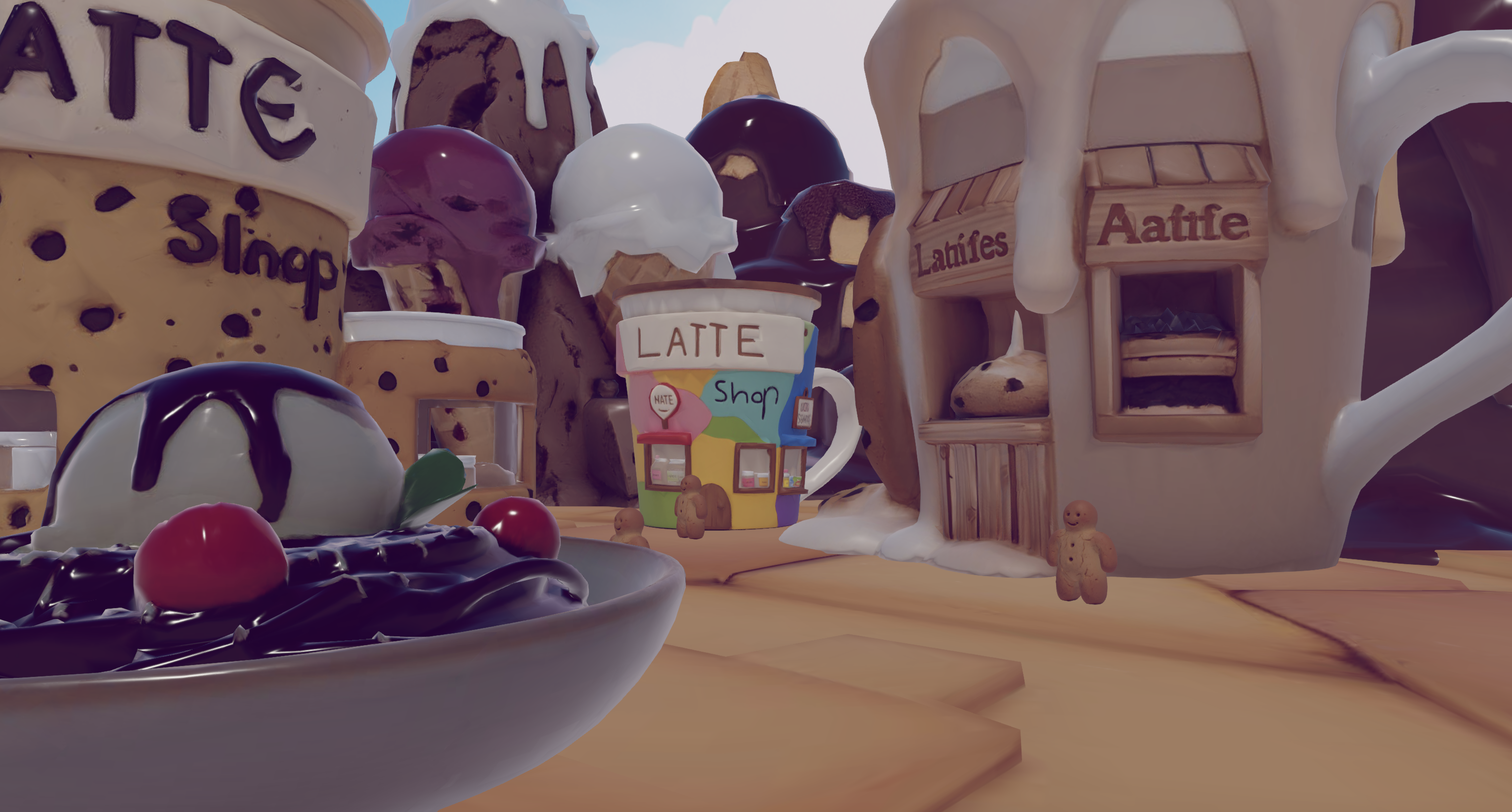
Browser-Native Performance: Nilo runs in your browser yet still feels close to console-level quality. Its level-of-detail system handles that 10,000 triangle limit mentioned earlier automatically. You keep smooth performance while packing detail into your worlds.
Real-Time Multiplayer Creation: Share a simple URL and start building together on desktop or mobile. The same performance tricks that keep your worlds fast also help when several friends join the same project. Creation sessions feel like playing together instead of working alone.
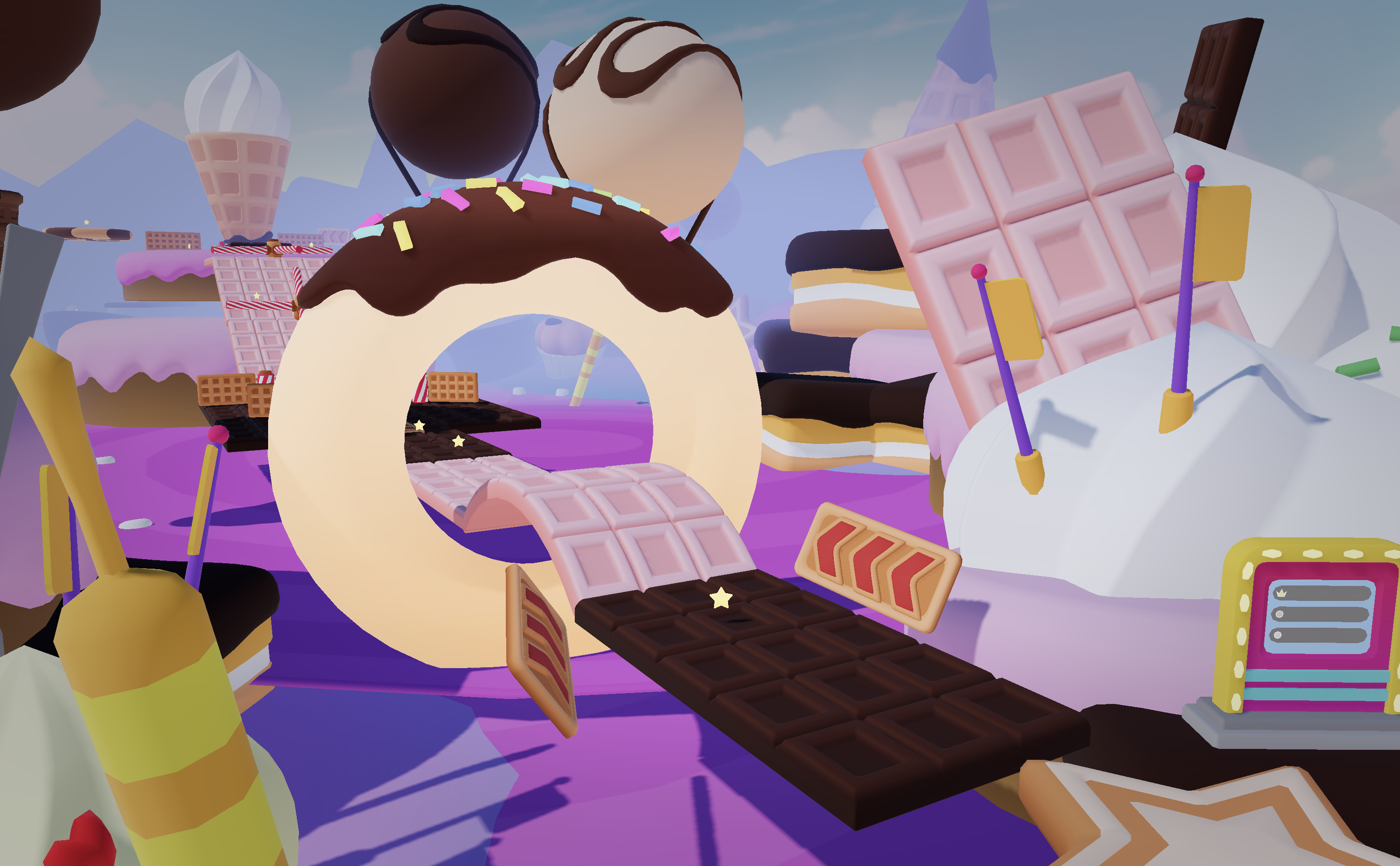
Community Validation: Nilo’s Discord and social channels stay active with builders sharing projects, tips, and experiments. You can learn from others, copy workflows, and get feedback without digging through long tutorials.
Freemium Access: You start with free Nilo Bits each month for AI generation, and many core building tools use no credits at all. One builder summed it up by saying, “You can work 20 times faster than you usually work on models.”
Experience vibe coding and one-click rigging in Nilo’s open beta.
Other No-Code Platforms to Consider for Roblox-Style Projects
GDevelop: GDevelop focuses on 2D games with an event-based logic system that feels friendly when you are starting out. You can build complex behaviors like enemy AI and movement without code, and publish to many platforms. GDevelop now includes a real-time 3D editor, 3D physics, and 3D models, yet it does not tune assets for Roblox specifically. That makes it stronger for general 2D and light 3D projects than for deep Roblox world-building.
Construct 3: Construct 3 also runs in the browser and focuses on visual event sheets for detailed 2D gameplay. It supports 3D through WebGL and includes built-in multiplayer tools. The tradeoff is a steeper learning curve than simple drag-and-drop engines, and it does not align with Roblox workflows out of the box.
Rosebud AI: Rosebud AI turns natural language prompts into quick, playable prototypes. You can spin up ideas fast for game jams or shareable demos. The platform focuses on prompting rather than a full building environment, so you lose some of the hands-on feeling of placing objects and shaping a world.
PlayCanvas: PlayCanvas gives you a browser-based 3D engine with WebGL support, which feels powerful without installs. It leans on traditional coding for interactivity, though. You often need scripting knowledge to build deeper mechanics, which many aspiring builders want to avoid.
Sloyd: Sloyd specializes in AI 3D asset generation. You can create models quickly with text prompts and tweak them with simple controls. It focuses on single assets, not full games, so you still need other tools for rigging, animation, and world building.
Core (developed by Manticore Games): Core lets you build UGC-style games with optional scripting and visuals similar to Unreal Engine. You get strong graphics and built-in distribution, but you must install a desktop app. Complex projects often drift toward heavy scripting, which can feel less friendly than browser-first no-code tools.
See how Nilo’s Roblox-focused features compare in the free open beta.
How These Platforms Compare at a Glance
The table below shows which tools give you three core things: browser access, AI-powered 3D generation, and true no-code logic. Many platforms hit one or two of these, but only Nilo combines all three for Roblox-style 3D worlds.
|
Tool |
Browser-Based |
3D AI Generation |
No-Code Logic |
|---|---|---|---|
|
Nilo |
Yes |
Yes |
Yes (Vibe Coding) |
|
GDevelop |
Yes |
No |
Yes (Events) |
|
Construct 3 |
Yes |
Partial |
Yes (Visual Events) |
|
Rosebud AI |
Yes |
Limited |
Yes (Prompts) |
|
PlayCanvas |
Yes |
No |
No (Code Required) |
This comparison shows that many no-code builders shine for 2D games and quick prototypes but struggle with advanced 3D creation. Nilo combines browser access, AI 3D generation, and natural-language logic for Roblox-ready 3D world building.
Key Choices for Roblox Builders
When you compare browser-based tools like Nilo with desktop engines like Unity, you balance access against raw power. Browser platforms give instant entry and easy collaboration but can lag behind native apps in performance. That is where strong AI generation helps, because optimized assets keep your worlds fast without needing a heavy desktop engine.
For Roblox, pick platforms that respect the ecosystem’s rules, including polygon limits, texture sizes, and rigging standards. Mobile matters too. You should build and playtest on phones, tablets, and lower-end laptops, not only on a high-end gaming PC.
Choose tools that feel intuitive and social. No-code tools already lower the barrier compared to traditional programming. The strongest platforms go further and let you ship real experiences within weeks while keeping the fun that pulled you into building in the first place.
Frequently Asked Questions
What is the best free no-code Roblox-style platform?
Nilo offers a generous free tier for Roblox builders, with monthly Bits for AI generation plus access to core building tools. GDevelop and Construct 3 also provide free plans, yet they focus on 2D games and do not tune exports for Roblox. For 3D asset creation that targets Roblox Studio from the start, Nilo’s freemium model gives you a strong launchpad.
Can I export my creations to Roblox Studio?
Several platforms support Roblox exports, but quality varies a lot. Nilo automatically respects Roblox polygon limits and exports clean FBX or glTF files that drop into Roblox Studio. Construct 3 and PlayCanvas can export 3D content, though you may need extra optimization work. Always test exports in Roblox Studio before you commit to a single platform.
Do I need any coding knowledge?
Modern no-code platforms replace traditional scripting with more visual or natural tools. Nilo’s vibe coding lets you type logic in everyday language. GDevelop uses visual events, and Construct 3 relies on event sheets. You still learn core ideas like physics, collisions, and object behavior, but you skip raw Lua.
Are browser-based tools strong enough for serious games?
Browser tech has grown fast with WebAssembly and WebGPU, so you can reach near console-level performance without installs. Nilo’s custom engine shows what is possible, and PlayCanvas already powers commercial games. Browser tools work best for rapid prototyping, social building, and Roblox-scale projects rather than massive AAA productions.
Which platform fits builders just starting out?
Look for platforms that teach real skills while staying friendly. Nilo introduces concepts like rigging, polygons, and physics through direct building instead of long lectures. Its social features help you learn from other creators in the community. Avoid tools that hide everything behind magic buttons or bury you in pro-level complexity on day one.
Conclusion
Nilo stands out if you want to create Roblox-ready 3D assets without wrestling with scripts and pro software. It blends AI generation, browser access, and real-time collaboration into a workflow that feels closer to playing than working.
Your ideas deserve tools that feel like play, not work. Turn your ideas into Roblox-ready worlds in Nilo’s open beta.
