
Key Takeaways
-
Roblox Studio often frustrates beginners with Lua scripting, desktop installation, and performance optimization challenges.
-
Browser-based no-code tools like Nilo let you build 3D worlds with AI prompts, text-to-3D, and vibe coding without downloads.
-
Helpful alternatives include Nilo for AI generation and Roblox export, GDevelop for visual events, and Scratch for drag-and-drop logic.
-
Evaluate tools by browser access, no-code features, Roblox FBX/glTF export, hands-on 3D building, and real-time collaboration.
-
Join Nilo’s open beta today to build and play 3D worlds for free in your browser.
Why Roblox Studio Feels Hard When You Start
Roblox Studio hits you with three major barriers right from the start.
First, Lua scripting can be a reason new builders drop out. You can build amazing worlds, but making them interactive means learning a full programming language.
Second, you need to download and install desktop software, so you cannot jump into quick building sessions on school computers or mobile devices.
Third, you constantly worry about polygon caps and performance limits, which makes you spend more time fixing models than actually creating.
Most builders spend their first sessions just navigating the 3D workspace and dealing with Lua error messages. You want to build at the speed of thought, not spend 30 minutes in Blender chains for every custom asset. You want momentum, not frustration.
Browser-based AI tools change this by letting you create through natural language prompts, automatic optimization, and instant collaboration. You can create 3D games by talking, texting, or even sending images to the AI. Start building in your browser today to feel how different that workflow is.

How to Evaluate Easier Roblox Studio Alternatives
Focus on five connected criteria when you test alternatives to Roblox Studio. First, check if the tool runs in your browser without downloads. This basic access lets you build anywhere and on almost any device. Once that works, see how well it supports real-time collaboration so friends can join your world from their own devices.
After you confirm access and collaboration, look at how you actually create. Search for no-code or vibe coding features where you describe what you want instead of writing complex scripts. Then confirm that your work can move into Roblox. Check for Roblox-friendly export through FBX or glTF formats with automatic level-of-detail optimization.
Finally, make sure the platform supports hands-on 3D building, not only prompt-to-game generation. You want to learn how to shape spaces, place props, and design levels, not just press a button and hope the result matches your idea.
Score each tool on a 1-10 scale by doing a simple 5-minute build-to-export test. Try to create a basic interactive object and send it into Roblox Studio without technical headaches. That quick test gives you a real-world ease score you can compare across tools.
Top Beginner-Friendly Tools Compared for Roblox Builders
The comparison below shows how each platform balances beginner-friendliness, Roblox export options, and installation needs. Notice how browser-based tools usually win on access, while traditional engines often bring stronger export workflows and deeper features.
|
Tool |
Key Pros for Beginners |
Roblox Export Fit |
Browser/No Install |
|---|---|---|---|
|
Nilo |
AI text/sketch-to-3D, vibe coding, real-time collaboration |
FBX/glTF optimized with auto-LOD |
Yes |
|
GDevelop |
Visual events system, 9-year-olds can make platformers in an afternoon |
Via Unity export workflow |
Yes |
|
Scratch |
Drag-and-drop blocks, build Pong in hours |
Manual FBX conversion needed |
Yes |
|
Godot |
Python-like GDScript, professional features |
Native glTF/FBX export |
No |
|
Unity |
Industry standard, C# |
Native Roblox compatibility |
Partial (Unity Studio beta) |
|
PlayCanvas |
Browser-based but requires coding knowledge |
glTF export available |
Yes |
|
Rosebud AI |
Unity/Unreal export workflow |
Yes |
|
|
Blender |
Professional 3D modeling capabilities |
FBX/glTF export |
No |
Nilo stands out with AI-powered asset generation and a browser-based engine that feels like playing a game while you build. GDevelop offers visual event-based programming that lets you create working games without text-based code. Scratch introduces core programming ideas through drag-and-drop blocks, though you need extra steps for 3D export. Godot delivers professional-grade features with an approachable GDScript for serious learners. Unity remains the industry standard but requires significant technical knowledge and C# programming skills.
Among these options, Nilo deserves a closer look because it directly tackles three big barriers: scripting, installation, and performance tuning.
Why Nilo Stands Out for Beginner Roblox Builders
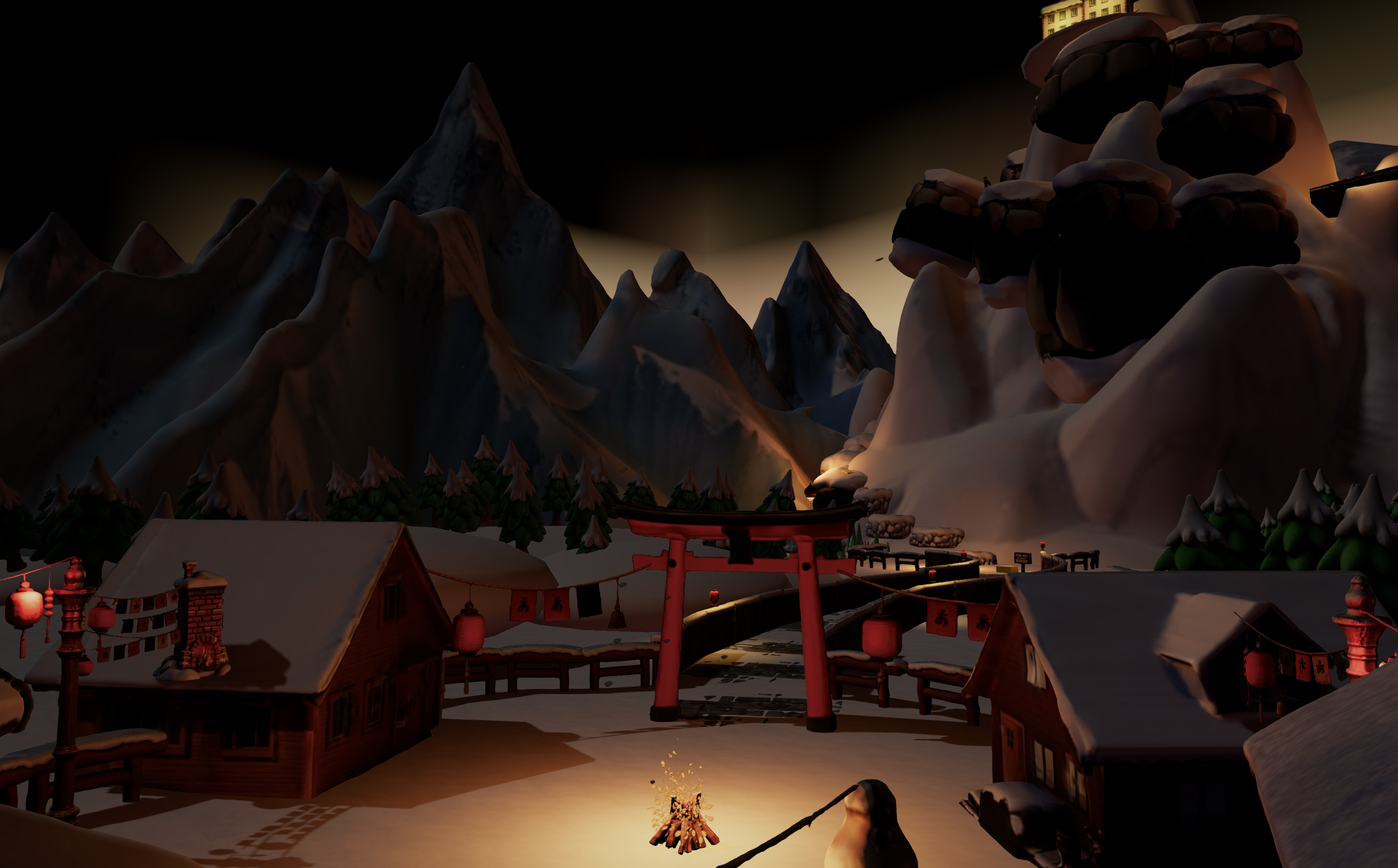
Nilo removes the main pain points that make Roblox Studio tough when you start. You can generate 3D models by typing what you want, sketching ideas, or uploading reference images, creating professional-level props in seconds instead of hours. The platform runs entirely in your browser using WebGPU technology, so you never deal with installers or updates.
The vibe coding feature lets you create interactive game logic by describing what you want in plain language. Instead of learning Lua syntax, you can say “make this door open when players get close” and watch it work instantly in your 3D world. You can rig and animate with one click so characters move and react without manual setup.
Real-time collaboration feels like multiplayer building. You share a link, and friends join your world to create with you from any device. The automatic level-of-detail system prepares your models for Roblox polygon limits, so you avoid surprise performance issues later. In Nilo’s February 2026 Survey, 93% of builders said they would recommend the platform to a friend, and 82% rated their experience as “Awesome” or “Good”. Builders highlighted both faster workflows and the freedom to experiment without heavy planning.
Quick Migration Guide: Moving From Studio to Easier Tools
You can shift from Roblox Studio to browser-based tools with a simple four-step workflow. First, generate your 3D assets using AI text-to-3D or sketch-to-3D tools in your chosen platform. Once you have raw models, use automatic rigging and optimization features to make them game-ready without manual cleanup. This step keeps your assets light and smooth before you spend time on behaviors.
With optimized models ready, add interactivity through vibe coding or visual scripting instead of writing Lua. After your assets look good and behave correctly, export them as FBX or glTF files. Then import those files into Roblox Studio through the Asset Manager, where they slot into your game with far less hassle.
This workflow saves hours compared to traditional Blender-to-Studio pipelines while giving you more creative control than prompt-only tools. You can prototype full game ideas in browser tools, then polish and publish through Roblox Studio.
FAQ
Is Roblox Studio easy for beginners?
Roblox Studio creates real friction for beginners. The platform expects you to learn Lua scripting to create interactive elements, which often becomes the main reason new builders abandon projects. Studio also requires desktop installation and presents a dense interface that can overwhelm you at first. Many beginners spend early sessions just learning to move around the 3D workspace instead of actually building games.
What is the best browser alternative for Roblox building?
Browser-based tools like Nilo give you one of the easiest ways to start building. These platforms remove installation steps, offer AI-powered asset generation, and include natural language coding features. When you compare options, focus on direct Roblox export, real-time collaboration, and automatic optimization for polygon limits so your creations run smoothly.
Can I create 3D games without coding knowledge?
You can create 3D games today without traditional coding knowledge. Modern AI-native platforms support vibe coding and visual scripting systems that respond to plain language instructions. You describe the behavior you want and see it work in real time. These tools still teach core programming ideas but skip the syntax walls that usually slow you down.
Do these alternatives work on mobile devices?
Many browser-based alternatives, including Nilo, work across desktop and mobile browsers. This flexibility lets you build from almost anywhere without worrying about specific hardware or operating systems. Real-time collaboration also works across devices, so your friends can join from phones, tablets, or laptops.
Are these tools free to use?
Most platforms give you free tiers with monthly credits or generation limits. Nilo provides 1000 Bits per month for AI generation and creation features. Scratch and GDevelop offer completely free access to their core tools. Paid tiers usually add stronger AI models, higher generation limits, and more advanced export options.
Conclusion: Start Building Worlds Without the Studio Headaches
You can skip a lot of Studio frustration by choosing easier tools like Nilo for fun 3D building. The 2026 landscape includes powerful browser-based platforms that remove scripting barriers, installation steps, and much of the technical complexity. Whether you pick AI-native tools for instant asset generation or visual programming tools to learn game logic, test each option with a quick build-to-export run.
