Key Takeaways for Aspiring Roblox Builders
- Vectary handles 3D modeling well but does not support physics, game logic, or direct Roblox export.
- Roblox Studio needs a desktop install, Lua scripting, and manual polygon cleanup, which slows your workflow.
- Browser-based engines like Nilo let you prototype fast with AI text-to-3D, physics, and real-time multiplayer building.
- Nilo focuses on Roblox-friendly exports with automatic LOD, FBX/glTF support, and strong AI generation tools.
- Join Nilo’s open beta today to build Roblox-ready 3D games for free, right in your browser.
The Problem: Where Vectary and Roblox Studio Hold You Back
Vectary focuses on 3D modeling and stops there, with no physics, no game mechanics, and no interactive gameplay. You can create beautiful models, but turning them into playable games still needs extra tools and complicated steps.
Roblox Studio brings a different set of headaches: mandatory desktop installation, Lua scripting, and constant stress about polygon limits of 10,000-20,000 triangles per mesh. These technical constraints push you into daisy-chaining tools, using Meshy for generation, Blender for cleanup, and Studio for assembly. You lose creative momentum every time you switch apps.
The cost shows up as burnout, abandoned ideas, and the sense that building games should feel smoother. Browser tools remove a lot of this friction with no downloads, instant collaboration, and mobile access. You can move from idea to playable prototype in minutes instead of days.
The Solution: Browser 3D Game Engines That Feel Like Roblox Studio
Nilo: AI-Native Engine for Fast Roblox-Ready Worlds
Nilo stands out as a custom game engine built for browser-based creation. You build inside a real 3D environment with physics, animation, and multiplayer collaboration instead of only typing prompts. The platform combines text-to-3D, sketch-to-3D, one-click rigging, and natural language coding so you can describe what you want by voice, text, or images.

Key features include automatic level-of-detail optimization for the polygon requirements mentioned earlier, real-time multiplayer building, and direct FBX or glTF exports. The AI layer switches between providers like Meshy, Tripo, and Cartwheel automatically. You get strong results without learning a different interface for each model generator.
In Nilo’s February 2026 survey, builders reported big time savings. One person said, “I do not have to spend hours on 3D modeling the simplest things, now I can use Nilo and do it in 15 seconds.” Another shared, “You can work 20 times faster than you usually work on models.” The platform reached a 93% recommendation rate, and 82% of users rated their experience as “Awesome” or “Good.”
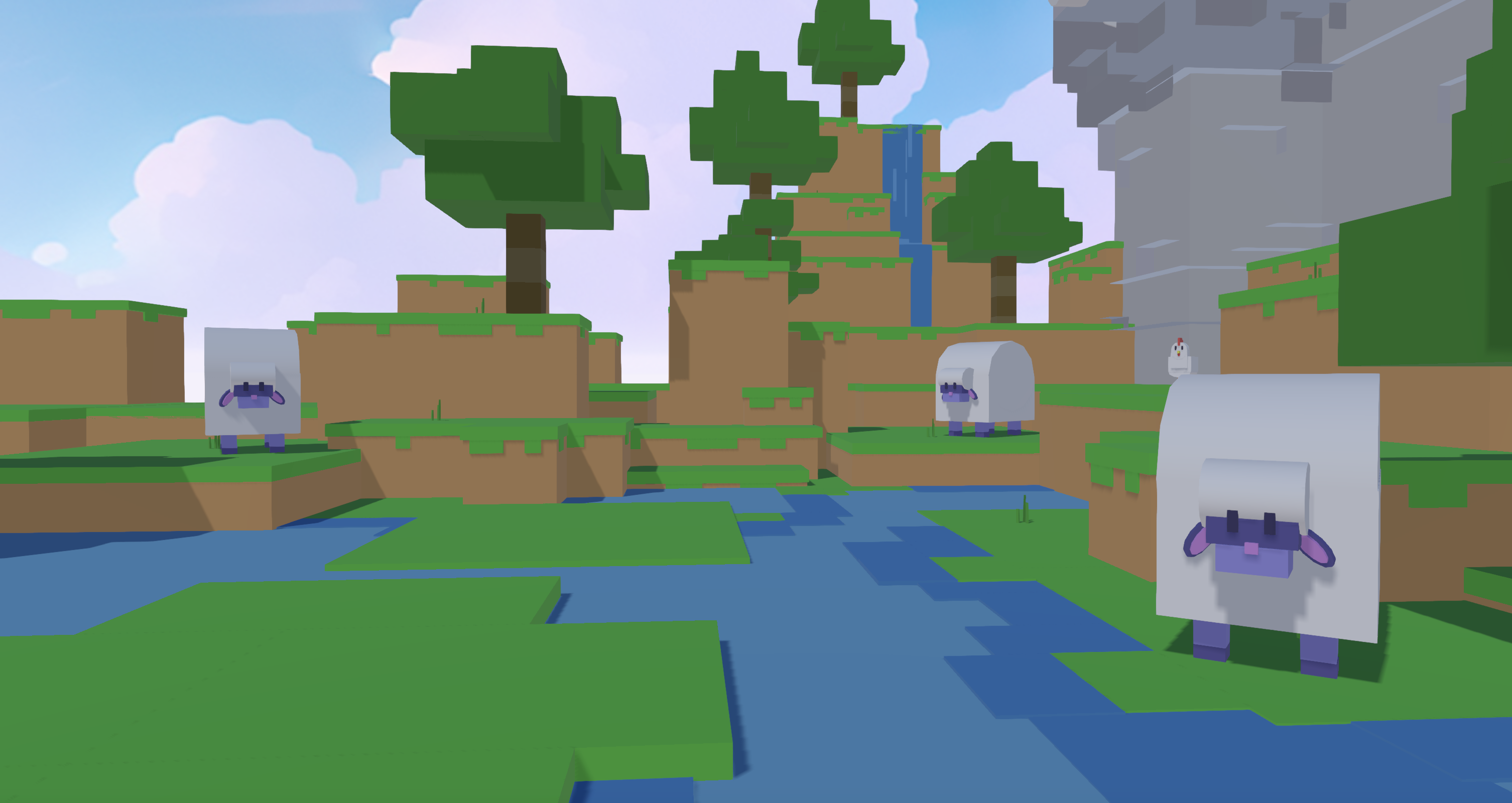
Nilo also removes the usual Blender cleanup step. The engine handles retopology, UV mapping, and optimization for you. One builder explained, “There are no limits on what you can create, just type, draw or add in an image and you can generate, rig, customise and place a fully 3D model within minutes.”
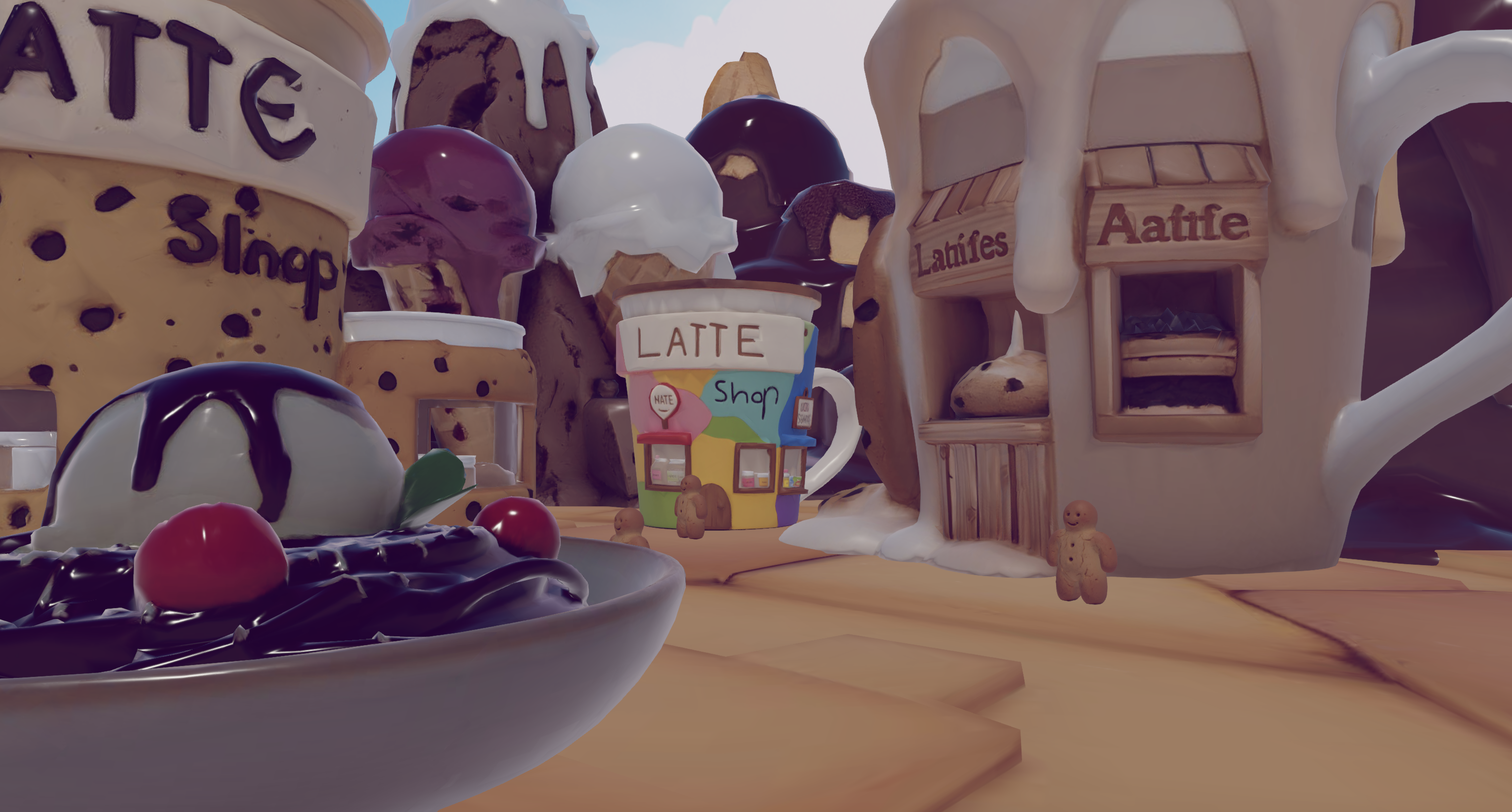
Start creating with Nilo’s AI tools in your browser, no download needed.
Comparison: Browser 3D Tools for Roblox-Focused Game Creation
Use this table to compare how each browser tool handles Roblox export, AI generation, and real-time collaboration. Focus on the columns that match your current goals, like fast Roblox export or strong AI support.
| Tool | Roblox Export | AI Generation | Real-Time Collab | Free Tier |
|---|---|---|---|---|
| Nilo | FBX/glTF, LOD-optimized | Text/sketch-to-3D, multi-provider | Yes, multiplayer | 1000 Bits/mo |
| PlayCanvas | glTF, partial | No | Yes | Yes |
| Spline | glTF | Basic | Yes | Limited |
| Clara.io | OBJ/FBX | No | Yes | Yes |
| Babylon.js | glTF | No | Limited | Yes |
| GDevelop | Export via HTML5 | No | Limited | Yes |
Alternative Browser Tools and When to Use Them
PlayCanvas lets teams build professional browser games with strong collaboration and fast WebGL performance. You can work together in real time and export projects cleanly, which helps larger teams stay in sync. You still need JavaScript skills to add deeper interactivity and custom systems. Best for: teams comfortable with coding who want robust multiplayer and production workflows.
Spline makes interactive 3D designs feel simple with drag-and-drop scenes and basic AI for models. The interface feels familiar if you already use design tools. The platform does not focus on game mechanics or Roblox-specific tuning. Best for: stylish 3D websites and quick visual prototypes.
Clara.io offers browser-based 3D modeling with realistic rendering and team collaboration. The tool focuses on asset creation instead of full game builds. You can export standard formats, then adjust them manually for your game engine. Best for: 3D modeling teams that want cloud workflows and shared asset libraries.
Babylon.js provides a powerful WebGL framework for custom 3D experiences. You gain deep control over rendering, physics, and shaders, which suits advanced projects. The tradeoff is a steep learning curve and heavy JavaScript requirements. Best for: developers building their own engines or highly custom tools.
GDevelop supports 2D and 3D games with visual scripting and HTML5 exports. The editor simplifies game logic and helps you learn core design ideas. The 3D features and AI asset tools stay lighter than newer engines. Best for: beginners exploring game development basics.
When you test these alternatives, pay attention to export speed, physics quality, and collaboration tools. Some platforms shine at modeling, others at game logic, and only a few bring both together in one place.
How to Choose and Migrate: Build a Smooth Roblox Workflow
Start by ranking your needs around Roblox export, AI asset generation, no-code logic, and browser performance. Use this evaluation matrix to see how each tool balances those priorities and how that balance affects your build speed.
| Priority | Nilo | PlayCanvas | Spline | GDevelop |
|---|---|---|---|---|
| Browser Performance | Excellent | Excellent | Good | Good |
| AI Generation | Advanced | None | Basic | None |
| Roblox Export | Optimized | Manual | Basic | Limited |
| Price | Free tier | Free tier | Free tier | Free |
After you review the matrix, test how each tool handles your real workflow: generate assets, clean geometry, rig and animate, export FBX, then import into Roblox Studio. Nilo covers every step inside one platform, while most alternatives need separate tools for generation, cleanup, and export. This difference explains why the Roblox export row in the matrix has such a big impact on your overall speed.
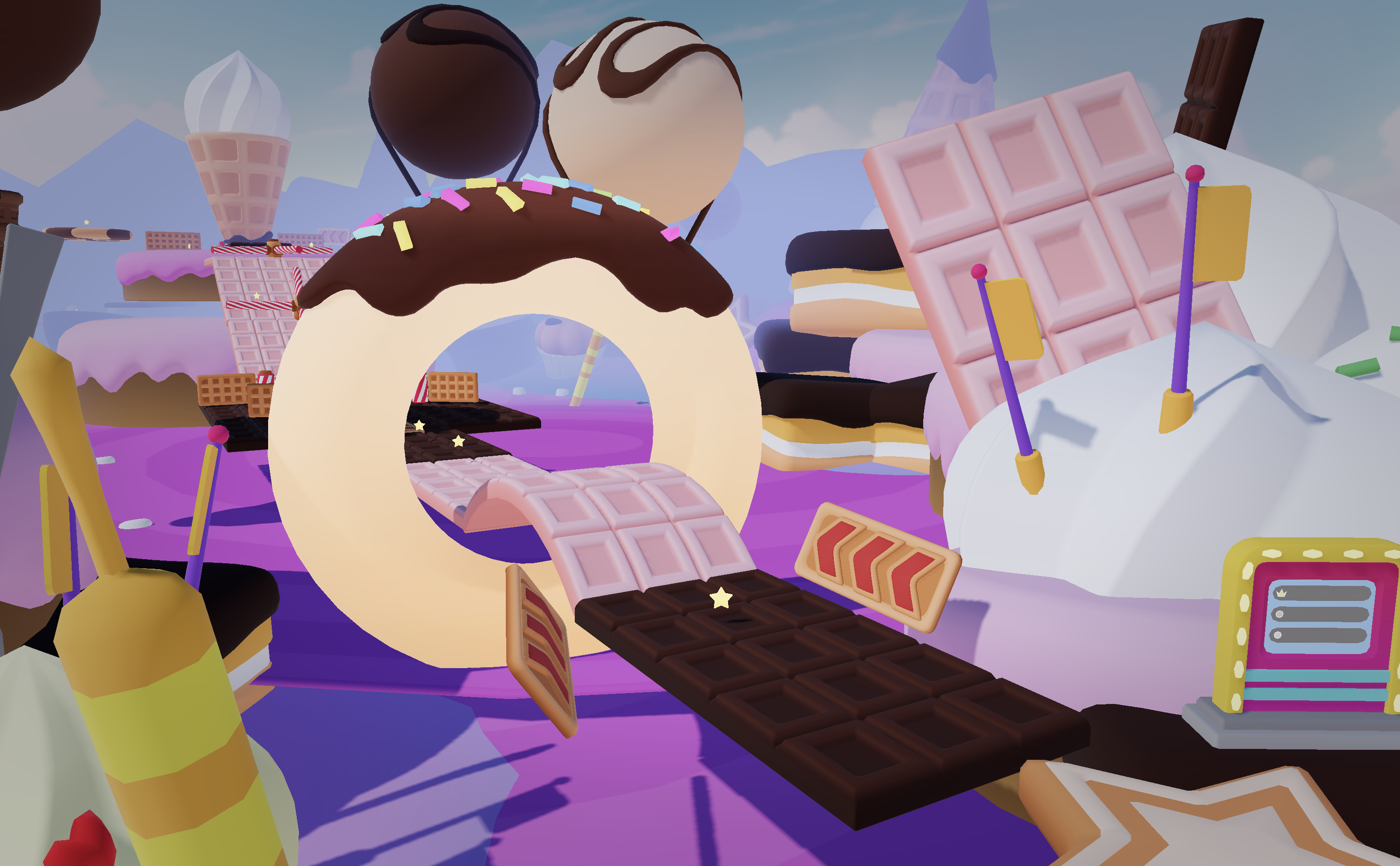
Skip the tool switching and run your whole Roblox pipeline in one place with Nilo.
FAQ
What are the best free Vectary alternatives for browser-based game creation?
Nilo and GDevelop both offer useful free tiers for game creation. You can use Nilo’s 1000 Bits each month for AI generation plus unlimited basic building. GDevelop gives you a fully free 2D and 3D editor with visual scripting. Spline and Clara.io help with 3D modeling but do not focus on game mechanics. PlayCanvas includes strong pro features but still needs coding for deeper interactivity.
Which browser tool offers the strongest Roblox export workflow?
Nilo’s level-of-detail system automatically handles the triangle count limits that cause most Roblox import issues and exports FBX or glTF with correct scale and rigging. The platform manages the technical details that usually break imports in Roblox Studio. Tools like Clara.io and PlayCanvas can export compatible formats, but they rely on manual optimization and often create models that arrive too heavy or scaled incorrectly.
How does Nilo compare to PlayCanvas for collaborative game development?
Both platforms support real-time collaboration, but they target different types of creators. PlayCanvas offers professional team features with version control and advanced scripting, which suits experienced developers. Nilo focuses on natural language coding and AI-assisted creation so you can build without programming experience. Nilo’s vibe coding lets you describe the behavior you want, while PlayCanvas expects JavaScript.
Can you create games on mobile browsers with these tools?
Nilo runs fully in mobile browsers, including asset generation, building, and collaboration. You can share a link and start building with friends on almost any device. Spline supports mobile viewing and light editing. PlayCanvas and Babylon.js can run on mobile, but their complexity limits what you can comfortably edit. GDevelop works best in desktop browsers for the full editor.
How do WebGPU advances improve browser-based 3D game physics in 2026?
WebGPU brings much faster physics simulation and rendering to browsers. Recent progress shows better performance for complex 3D scenes with many objects compared to older WebGL setups. Browser engines can now deliver console-style physics, real-time lighting, and smooth animation without installs. This technology makes AI-native tools like Nilo possible, with full game engines running entirely in your browser.
Conclusion: Build Fun, Social Worlds in Your Browser
The tools in this guide reveal a clear pattern. Traditional engines like PlayCanvas and Babylon.js give you deep control but expect strong coding skills. Newer AI-native platforms like Nilo remove most technical barriers so you can focus on ideas, not syntax.
If your goal is a playable Roblox prototype fast, without learning JavaScript or tracking triangle counts by hand, the evaluation matrix points toward engines with tuned Roblox exports and strong AI support. You can spend your time designing fun, social worlds instead of wrestling with imports and installs.
Join Nilo’s open beta and try building Roblox-ready 3D games for free.