
Key Takeaways
-
Vibe based game creation lets you build interactive 3D Roblox worlds with natural language prompts instead of coding or 3D modeling.
-
Browser-based platforms like Nilo cut tool-switching hassles with built-in 3D engines, automatic Roblox-friendly exports, and real-time collaboration.
-
You can generate, rig, animate, and add mechanics like jumping platforms or teleporters in minutes instead of hours.
-
Export FBX files that already match Roblox performance needs, so you skip Blender cleanup and polygon problems.
-
Start creating playable worlds for free today on Nilo and experience vibe coding for yourself.
How Vibe Coding Works
Vibe coding turns game creation into a back-and-forth conversation with an AI instead of a coding lesson. You describe what you want in plain language, such as “make the player jump when they touch this platform” or “create a glowing sword that deals double damage.” The AI turns those ideas into working game mechanics and shows the results in a live 3D scene.
This approach feels different from prompt-to-game tools like Rosebud AI. Those tools try to build a full game from a single prompt, then give you only a few ways to tweak the result. Vibe coding tools give you an engine-style workspace where you build, test, and refine inside a 3D environment as you go.
You can absolutely build games with vibe coding. Aspiring builders or already builders like you are making obbies, roleplay hubs, and fantasy adventures. Creation feels like play instead of homework. You do not need a scripter, because you vibe code your ideas into reality.
Why Vibe-Based Game Creation Fits Roblox Builders
Roblox development often feels blocked by scripting and asset cleanup. Many builders have strong ideas but get stuck on Lua. AI-generated models from tools like Meshy also tend to break Roblox MeshPart limits of up to 10,000 triangles, so you end up fixing meshes in Blender before you can even test your game.
Tool-switching makes this even more frustrating. A common workflow means generating assets in Meshy, cleaning them in Blender, importing them to Roblox Studio, and then learning scripting to add interaction. Every tool change interrupts your flow and adds more steps to remember.
Vibe-based game creation platforms eliminate these workflow breaks by putting everything in one browser-based environment. Instead of juggling multiple tools, Nilo’s approach includes Roblox-optimized level of detail systems that automatically handle polygon counts and rig and animate with one click.
Builders already feel the difference. One creator shared, “I do not have to spend hours on 3D modeling the simplest things, now I can use Nilo and do it in 15 seconds.”
This shift changes how you feel while building. Instead of wrestling with scripts and mesh errors, you spend your time designing worlds, telling stories, and crafting experiences your friends want to replay. Minutes replace hours, frustration turns into momentum, and you escape the AI lottery of endless regenerations.
Comparing Top Vibe Coding Tools
When you compare vibe coding platforms, look closely at four things. Check if they run in the browser, if they give you real 3D engine depth, how well they export to Roblox, and whether you can build with friends in real time. This table gives you a quick overview:
|
Tool |
Browser Access |
3D Depth/Roblox Export |
Real-Time Collab |
|---|---|---|---|
|
Nilo |
Yes (WebGPU/WASM) |
Full engine, optimized FBX |
Multiplayer links |
|
Rosebud AI |
Partial |
Prompt-only, limited |
No |
|
Roblox Studio |
No (install) |
Native, scripting req. |
No |
|
Unity |
Partial (web editor) |
Pro exports, complex |
Limited |
Nilo stands out with a model-agnostic AI layer that connects providers like Meshy, Tripo, and Nano Banana behind one interface. You can try different models without learning a new tool every time. The custom game engine supports real-time multiplayer collaboration and exports that match Roblox’s requirements.
Rosebud AI focuses on full-game generation from prompts, which can feel quick at first but gives you less direct control while building. Roblox Studio gives you native power but expects you to install software and learn scripting. Unity’s web editor brings professional tools into the browser, yet the complexity can overwhelm new creators.
Test how fast each platform lets you iterate, how clean the exports feel inside Roblox Studio, and how easily you can build with friends. Those details shape your day-to-day experience more than any single feature list.
Step-by-Step: Vibe Code Your First 3D Game in Nilo
You can build your first vibe-coded world in a single session. Follow this six-step path from idea to playable assets:
1. Open play.nilo.io
Sign up and jump straight into the editor. Your free account includes monthly credits for AI generation and exports. Everything runs in your browser using WebGPU and WebAssembly, so you get smooth performance without installs.
2. Craft Your Model
Generate 3D objects from text prompts, sketches, or reference images. Try ideas like “glowing crystal cave entrance” or “futuristic hover bike.” The AI builds detailed models in seconds, and you can switch between AI providers when you want a different style or quality.

3. Optimize and Rig
Use the level of detail slider to keep polygon counts within Roblox’s requirements. One-click rigging prepares characters for animation. Auto-animation turns short descriptions like “victory dance” or “sneaking walk” into ready-to-use motion.
4. Vibe Code Game Mechanics
Tell the AI what should happen in your world. Say “make the player jump higher when they collect this gem” or “create a teleporter that takes players to the crystal cave.” You see the mechanics appear and update directly in the 3D scene.
5. Playtest with Friends
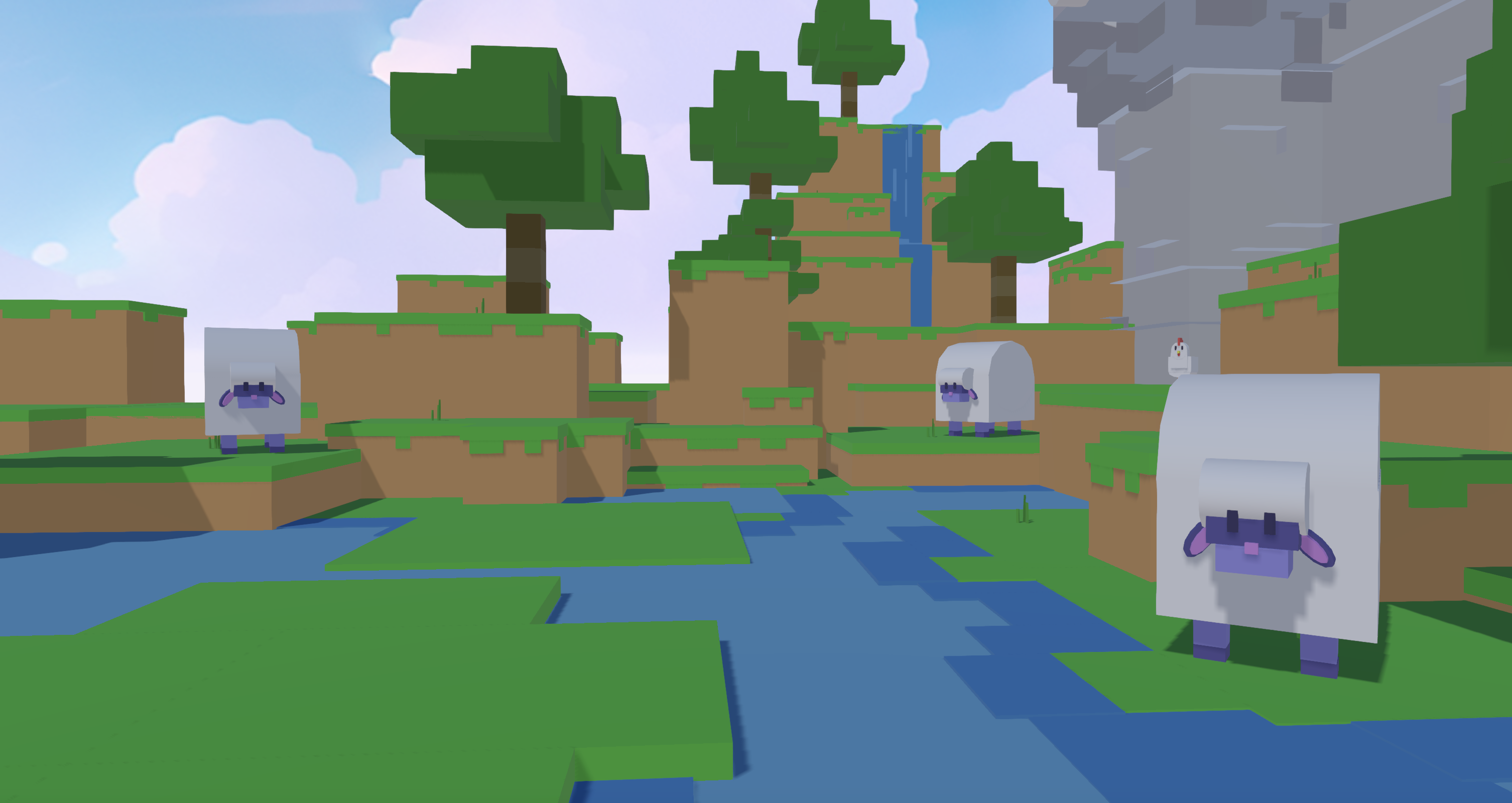
Share your world’s link and invite friends to join in real time. Build together, test new mechanics, and gather feedback while you play. Creation starts to feel like hanging out in a game session instead of working alone.
6. Export to Roblox
Download your assets as optimized FBX files and bring them into Roblox Studio. The automatic LOD system keeps your models within performance limits, so you avoid manual cleanup passes in Blender.
The whole flow feels playful and fast. Backed by Supercell and supported by a growing Discord community, Nilo turns what used to take months into an afternoon of experimenting and sharing.
Vibe-Based Game Creation in Action
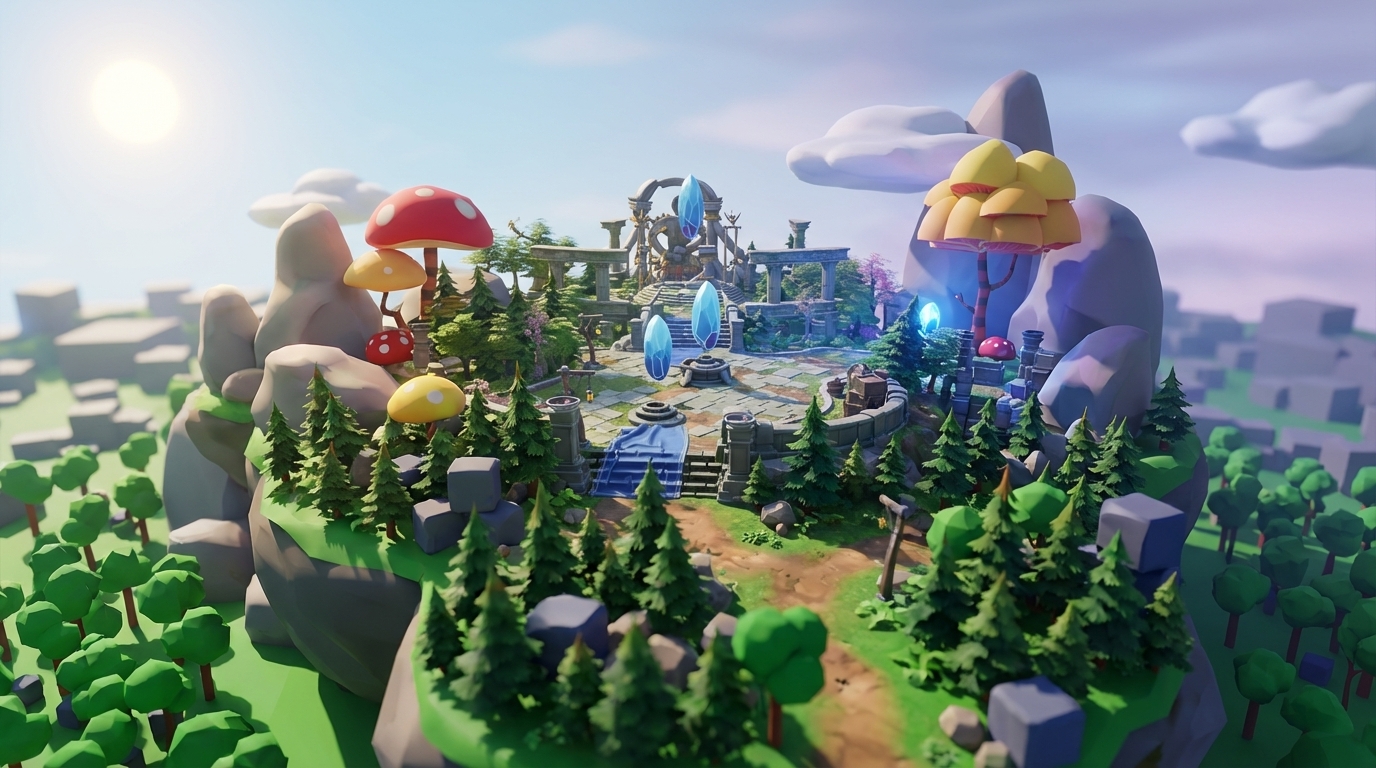
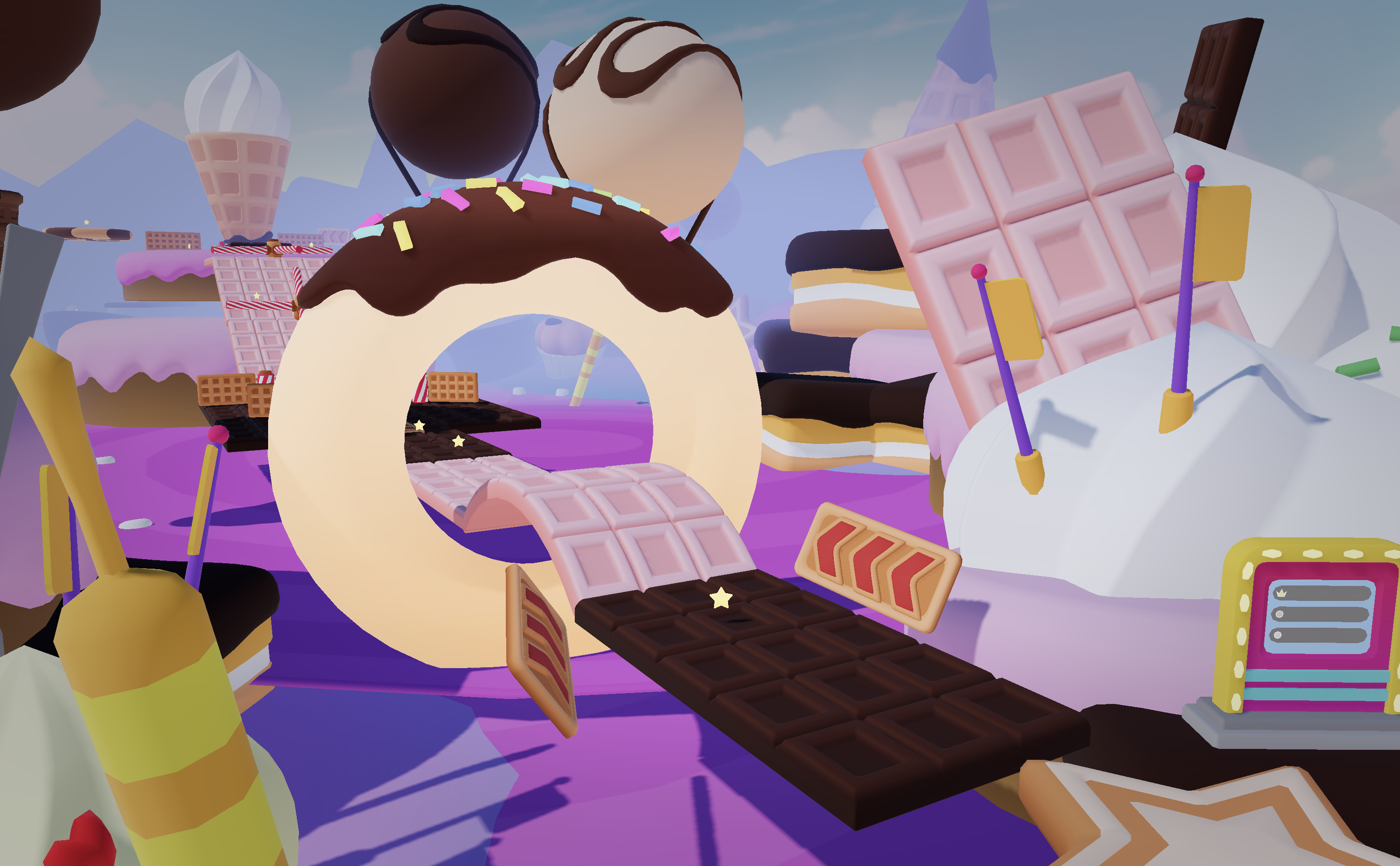
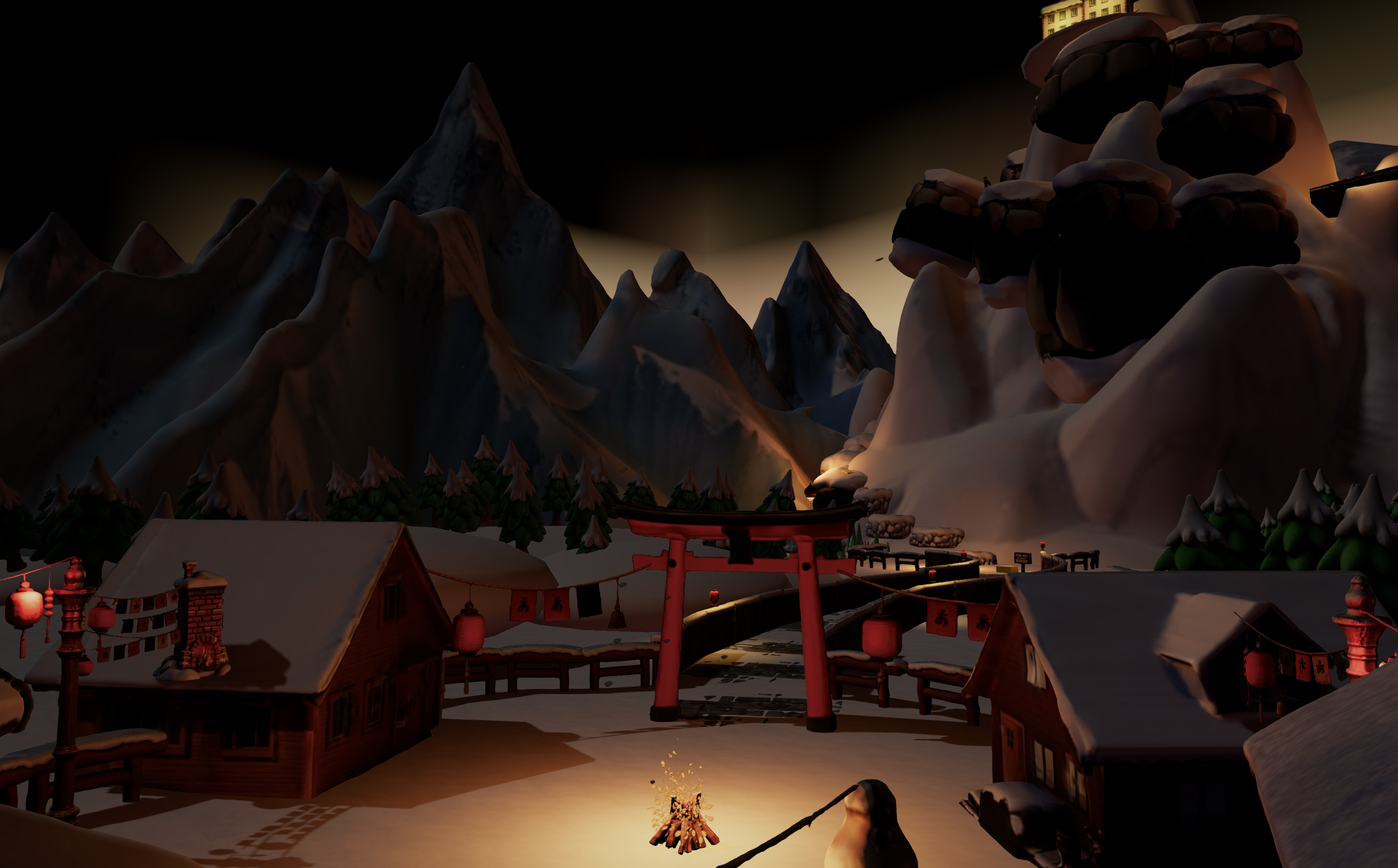
Creators in the Nilo community already ship worlds that show what vibe coding can handle. You will find complex obbies with moving platforms and hidden shortcuts, cozy roleplay hangouts with interactive furniture and social corners, and fantasy maps packed with custom props, magical effects, and dramatic lighting.
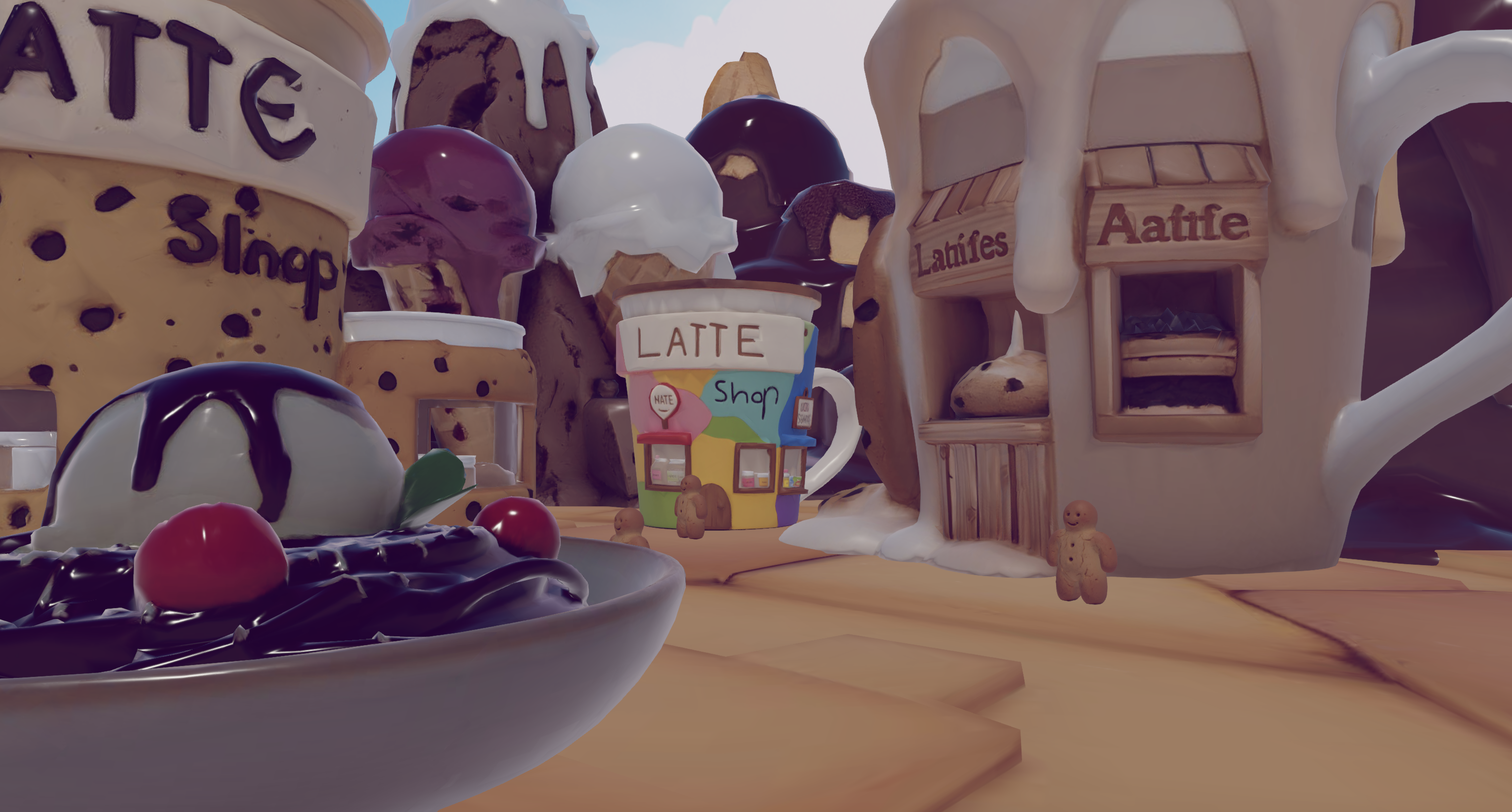
A builder stated they work “20 times faster” in Nilo than with old workflows, based on a Nilo February 2026 Survey. Another creator explained, “There are no limits on what you can create—just type, draw or add in an image and you can generate, rig, customise and place a fully 3D model within minutes.”
These projects show that vibe coding does not shrink your artistic voice. It removes technical walls so you can push your style further.
Common Vibe Coding Mistakes and How Nilo Helps
New vibe coders tend to run into the same problems. Vague prompts create vague results, and cramming too many features into one request confuses the AI. Many creators also fall into the “AI lottery,” where they keep regenerating with the same model and hope for a miracle result.
Nilo addresses these issues directly. Model switching lets you try different AI providers when a prompt fails instead of regenerating forever with one model. Automatic LOD optimization prevents laggy exports, so you do not waste time fixing overloaded scenes. Real-time multiplayer collaboration gives you instant feedback from friends, which breaks the isolation of solo development. The platform’s Discord community adds extra support, inspiration, and shared tips.
Clear prompts still matter. Focus on one or two features at a time, such as “Create a 3D underwater world where the player collects pearls by opening treasure chests, with a pearl counter in the top right corner.” This level of detail helps the AI match your vision.
FAQ
Is vibe-based game creation really free to use?
Yes. Platforms like Nilo offer generous free tiers. You receive monthly credits, called Nilo Bits, for AI generation and still keep access to core building tools that do not use credits. Many creators build full worlds without spending money, while heavy users can upgrade for more generations and extra AI models.
Can I create games without any coding knowledge?
Yes, you can. Vibe coding replaces traditional programming with natural language instructions. Instead of learning Lua for Roblox, you say things like “make this door open when the player has 5 keys” or “create a speed boost that lasts 10 seconds.” The AI writes the logic so you can focus on gameplay and story.
How do I export my creations to Roblox?
Modern vibe coding platforms include export tools. You create your assets, run built-in optimization, then download FBX files that import cleanly into Roblox Studio. Automatic optimization keeps your models within Roblox’s polygon and texture rules, so you skip extra Blender passes.
Does vibe coding work on mobile devices?
Yes. Browser-based platforms run on both desktop and mobile. You can build, collaborate, and playtest from any device with a stable internet connection. Touch controls make simple edits and layout changes easy on mobile, although detailed modeling still feels smoother on desktop.
How is this different from Rosebud AI or other prompt-to-game tools?
Prompt-to-game tools try to produce a full game from one prompt and then give you limited ways to adjust it. Vibe coding platforms give you a live game engine where you build, test, and refine inside a 3D scene. You keep hands-on control while the AI helps with heavy lifting, which usually leads to better games and a more engaging creative process.
What skills do I need to get started?
You mainly need imagination and clear communication. Vibe coding platforms introduce real game development ideas through simple interfaces, so you pick up concepts like rigging, physics, and performance while you build. Your creative vision matters most, because the AI supports the technical side.
Start Building Your World Today
Vibe based game creation makes game development feel reachable for anyone. Natural language prompts combined with real-time 3D environments let platforms like Nilo help you turn ideas into playable Roblox worlds without deep scripting or complex 3D tools.
The tools already exist, the community keeps growing, and you can start for free. Join Nilo’s open beta and start building and playing for free. Share your worlds with the Discord community and see what happens when building games feels as fun as playing them.
