
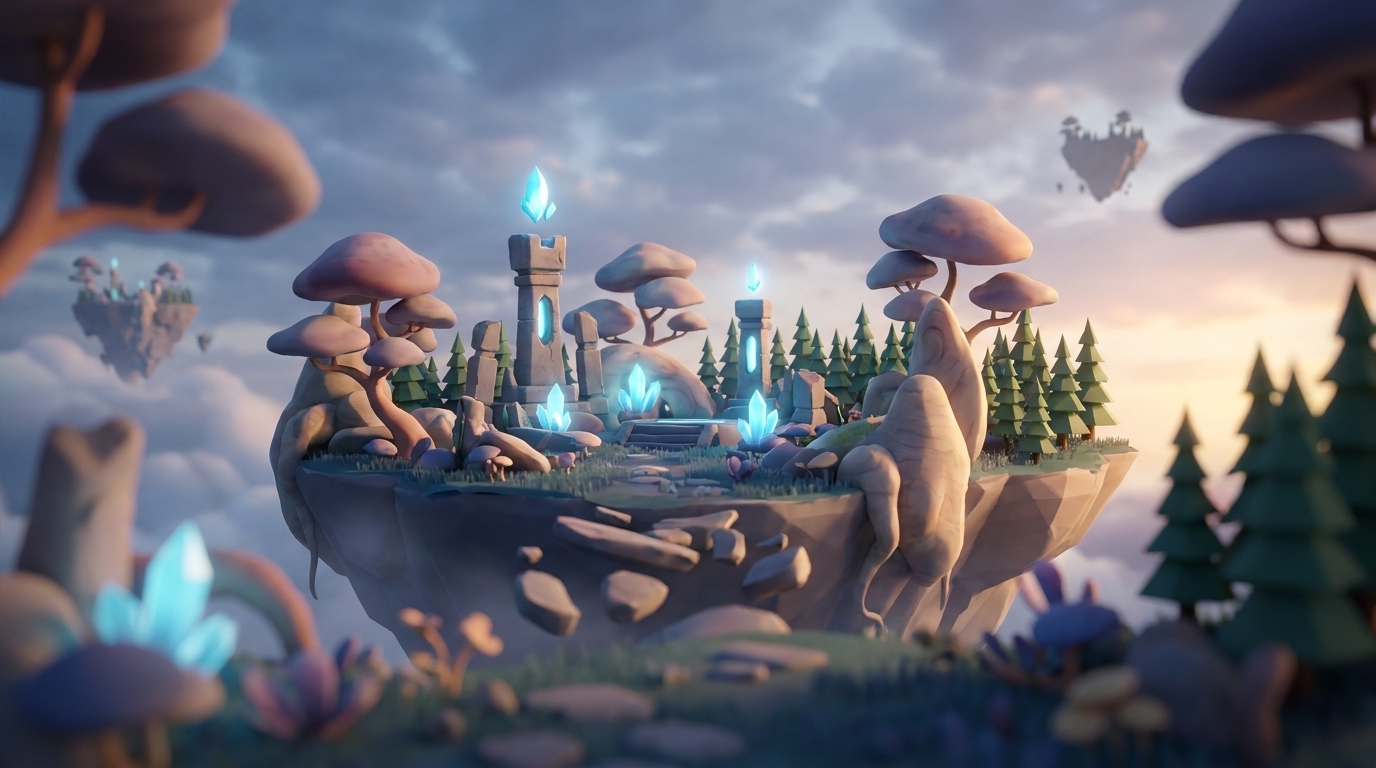
Key Takeaways
- Vibe coding uses AI to create 3D games through natural language prompts, so you skip traditional scripting like Lua in Roblox Studio.
- Nilo’s browser-native engine offers WebGPU graphics, custom C++ physics, and Roblox-compatible exports for fast, realistic playtesting.
- Compared to Rosebud AI, Unity, and other tools, Nilo gives you stronger creative control, smoother multiplayer collaboration, and solid 3D performance.
- Hands-on Nilo tutorial walks you through generating platforms, vibe coding jumps and respawns, rigging characters, and exporting optimized FBX in minutes.
- Start building your first obby in the browser with no downloads and no scripting skills.
Vibe Coding Explained for Game Builders
Vibe coding is the practice of using AI code generation tools to produce software by describing goals in natural language and iteratively prompting, while relying on minimal review of the generated code. Keywords Studios describes it as “curating intent over syntax”, so you focus on what you want to happen, not how to write the code.
For game builders like you, this means you do not need a separate scripter. You type “player respawns on red platforms” and watch it work in real time. The focus stays on the game engine, like Iron Man’s suit instead of a passive robot. You get superpowers to co-create with AI while still steering every decision, instead of watching AI build everything without your input.

Best Vibe Code Game Engines for 2026: How to Choose
Now that you have a clear picture of vibe coding, you can pick tools that actually support this way of building. When you evaluate vibe code game engines, start with browser access. If you cannot playtest instantly, you lose time on installs and updates instead of building.
Next, check 3D performance, because console-style worlds need real physics and graphics engines, not just asset generators. Finally, look at how much creative control you keep. Strong vibe coding lets you shape AI output and tweak results, instead of pressing one button that spits out a full game you cannot really change. Here is how leading platforms compare:
| Engine | Browser Access | 3D Performance/Exports | Creative Control/AI Depth |
|---|---|---|---|
| Nilo | Yes (WebGPU/WASM) | Custom C++ physics, Roblox FBX/glTF/OBJ, LOD optimization | Model-agnostic AI, natural language editor, multiplayer collaboration. 93% recommend (Nilo’s February 2026 Survey) |
| Rosebud AI | Yes | Prompt-to-game, limited engine depth, no Roblox-focused optimization | Heavy on generation, lighter on hands-on 3D building tools |
| Roblox Studio | No (desktop) | Strong Roblox integration, scripting-heavy workflow | No built-in vibe coding features |
| Unity/Unreal | Partial (web editors) | Professional 3D, not fully browser-native | No native vibe coding support |
| Godot | No | Lightweight 3D, no AI integration | Manual scripting required |
Nilo stands out for Roblox builders who want browser-native 3D creation with real game engine performance. See how browser-native 3D creation compares by testing Nilo’s engine yourself.

Nilo Vibe Coding in Action: Build an Obby Step by Step
Nilo runs as a game engine first, powered by custom C++ physics compiled to WebAssembly with WebGPU graphics. The same engine already supports more than 9,000 Discord members and earns 82% “Awesome/Good” ratings. You also get Craft Your Model for text, sketch, or image to 3D, a natural language code editor, one-click rig and animate, and real-time multiplayer collaboration.
Step-by-step obby tutorial:
1. Sign up: Visit play.nilo.io for free beta access, and you land directly in the 3D editor with no downloads.
2. Craft platforms: Use the radial menu to generate “blue and red obstacle course platforms”, then drag them into your world to lay out the path your player will follow.
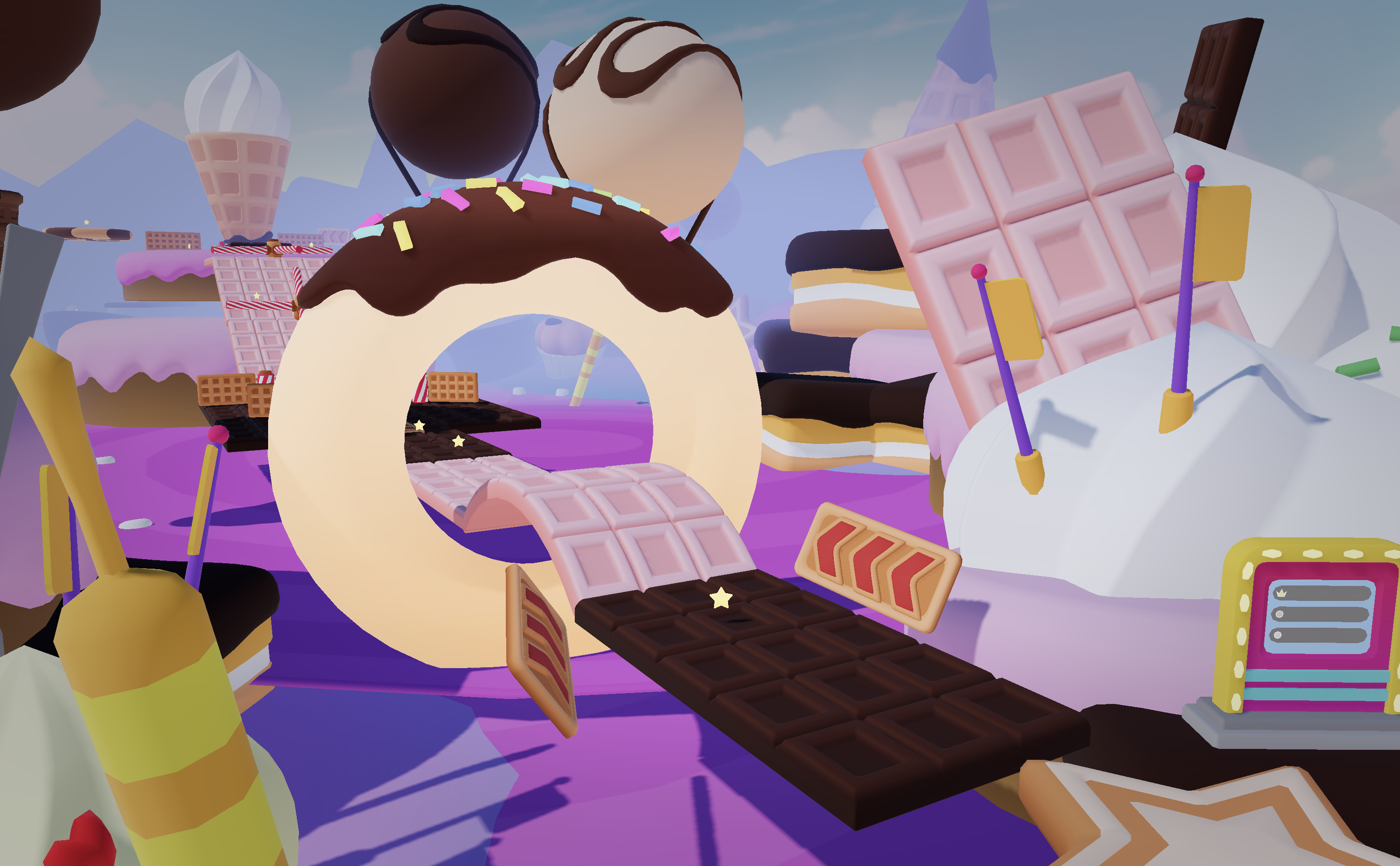
3. Vibe code logic: After your platforms exist, open the natural language editor and type “Player jumps 2x higher on blue platforms, respawns on red platforms” so your world gains actual game rules.
4. Rig player: Your platforms now react to the player, so give your character movement. Select your character and prompt “Rig humanoid with walk and jump animations” to make it feel alive.
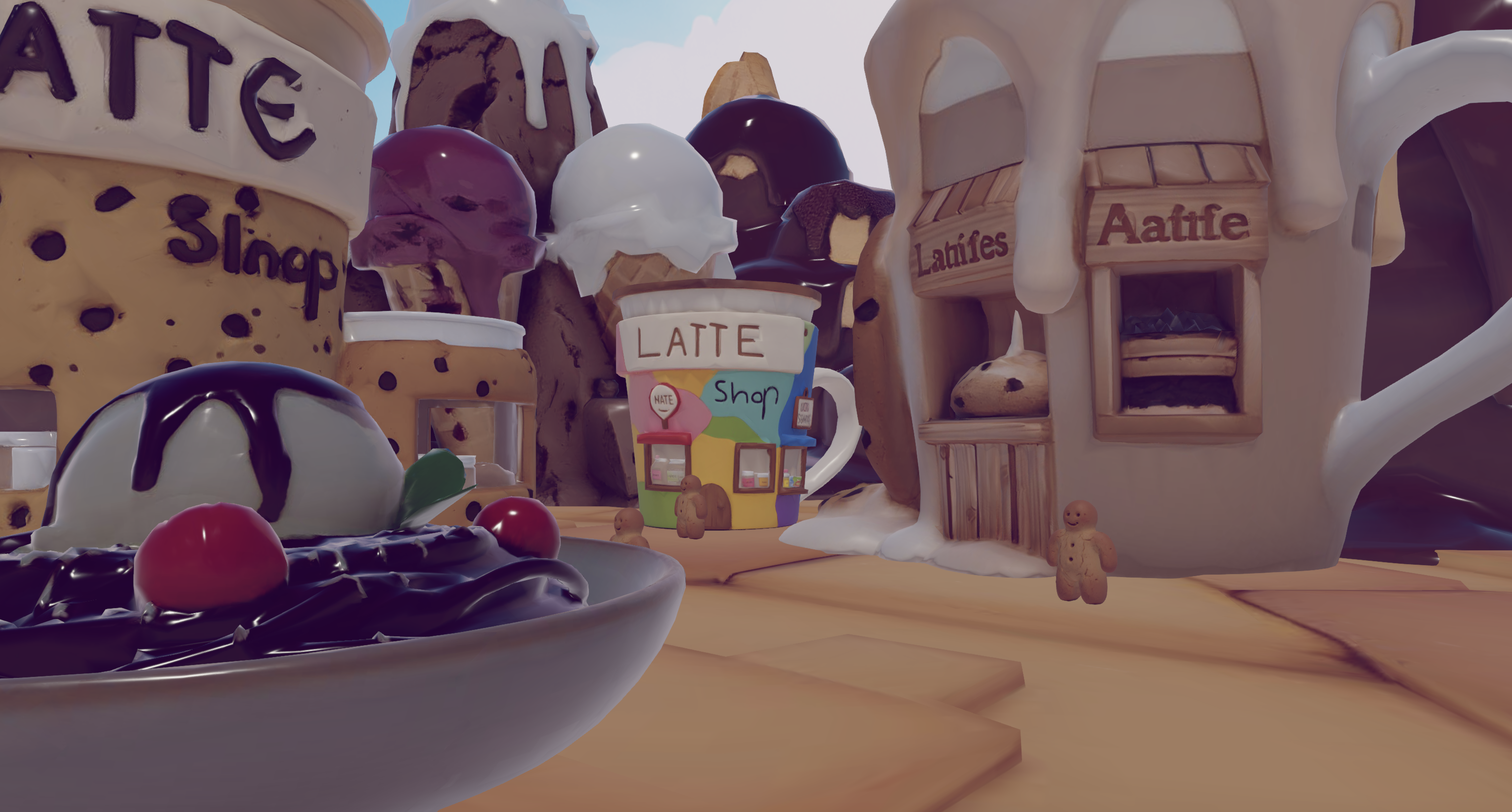
5. Playtest collaboratively: With a basic obby working, share your world link and invite friends to build and test with you in real time.
6. Export: Once you like how it plays, download Roblox-ready FBX with automatic LOD optimization so your world runs smoothly.
Creation feels like play because you build inside a 3D environment with physics that behave correctly, instead of fighting complex menus and scripts. Jump into your first obby build and see your platforms come to life.
Myths Busted: Why Vibe Coding Works for Real Games
Myth: AI always generates inconsistent, unreliable code, and security risks make it unusable. Reality: Nilo’s real-time iteration and visual feedback let you see what the AI created, adjust it instantly, and learn programming concepts while you build.
Pros: Around 50% of game studios already use AI in development pipelines, which speeds up prototyping and asset creation. This adoption happens because AI handles much of the technical implementation, so builders can focus on design choices instead of syntax. You get the same advantage when you vibe code your own projects.
For Roblox builders, vibe coding can shrink workflows from weeks to days. Full games will keep getting easier to build as the technology matures and tools improve.
What You Can Build With Vibe Coding Today
Vibe code game engines shine when you want rapid prototypes such as obby obstacle courses, roleplay worlds, Minecraft-style building games, or social hangout spaces. You generate assets, script interactions, and share playable worlds through clear natural language prompts.
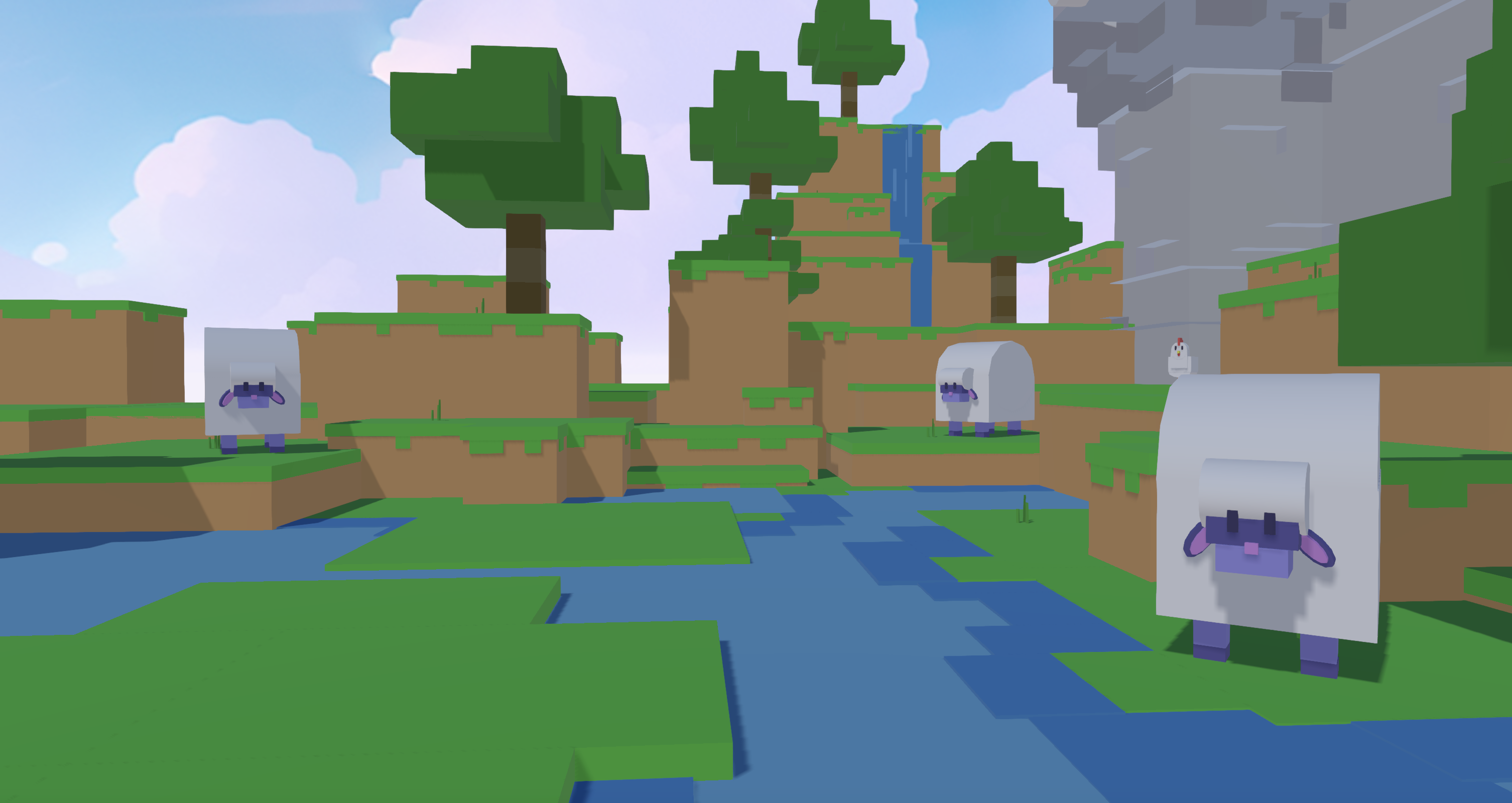
More advanced builders use vibe coding as part of asset pipelines, then export optimized models to Unity, Blender, or VRChat. A browser-native workflow removes installation barriers and lets you collaborate instantly by sending a link to your friends or teammates.
FAQ
What is vibe coding?
Vibe coding means you create games using AI-assisted natural language prompts instead of traditional programming. You describe what you want, such as “make enemies spawn faster each wave”, and the AI generates working code. This approach goes beyond simple AI use, because you stay hands-on with the design while AI takes care of most of the technical work.
Can vibe coding make a real game?
Vibe coding can produce real, playable 3D worlds very quickly. Platforms like Nilo let you create interactive games with physics, animations, and multiplayer features using only natural language prompts. Full commercial games may still need some traditional development, yet vibe coding speeds up the journey from idea to playable prototype in a big way.
What’s the best vibe coding game engine?
Nilo stands out for browser-based 3D game creation with Roblox export capabilities. It combines a custom game engine with AI-powered asset generation and natural language scripting so you can stay focused on gameplay. Rosebud AI leans more toward prompt-to-game generation, which helps you explore ideas quickly through descriptions. Traditional engines like Unity and Roblox Studio do not include native vibe coding features, so you still handle scripting yourself there.
Is Nilo a good Rosebud AI alternative?
Nilo offers deeper game engine features compared to Rosebud AI’s prompt-to-game style. Rosebud focuses on generating games from descriptions, while Nilo gives you hands-on building tools, real-time multiplayer collaboration, and professional export options. Both support browser-based creation, but Nilo leans toward creative control and iterative building instead of pure generation.
Is vibe coding safe for browser development?
Browser-based vibe coding platforms like Nilo include safeguards through real-time code review and visual feedback. You see exactly what code the AI generated and can modify it directly. The browser environment adds natural security boundaries, and platforms typically scan AI-generated code for common vulnerabilities before it runs.
Build Your Vibe Now
You can drop scripting frustration and constant tool switching by shifting to vibe coding. Natural language prompts turn your game ideas into shareable 3D worlds, so building feels as fun as playing. Nilo’s real-time collaboration and professional exports support serious game development while still feeling lightweight and accessible.
Start your first vibe-coded game today with free beta access and no installation.
