
Key Takeaways
-
Vibe coding lets you build neon-lit Roblox hangouts using natural language prompts instead of Lua scripting, so you move from idea to playable space much faster.
-
Traditional Roblox workflows involve tool fragmentation, scripting bugs, and optimization anxiety that break your creative flow.
-
You can follow Nilo’s 7-step flow to generate environments, add particles, fine-tune, playtest via its multiplayer feature, and export to Roblox in minutes.
-
Copy-paste prompts help you add interactive elements like lo-fi radios, neon particles, and chill poses tuned for Roblox performance limits.
-
Join Nilo’s open beta today to build and export Roblox-style characters and worlds for free without installs.
How Vibe Coding Feels in a Roblox-Style World
Vibe coding changes how you build aesthetic game spaces by swapping rigid Studio Lua workflows for AI-powered natural language commands. You skip memorizing syntax and debugging scripts. You just tell the AI what kind of atmosphere you want, like “neon-lit cozy room with lo-fi radio and floating particles,” and it generates the code, assets, and interactions for you.
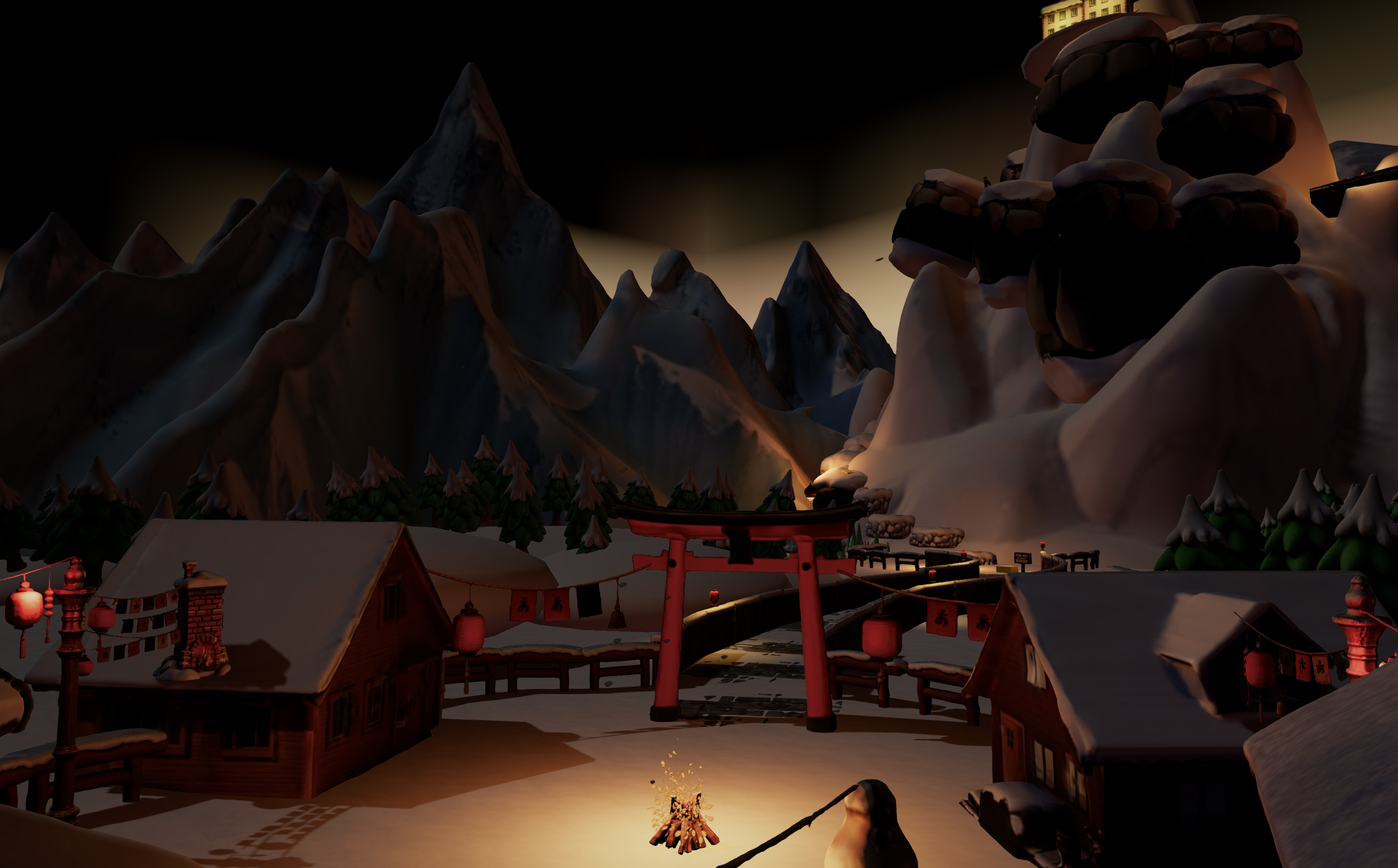
This approach fits you well if you build obbies or RP hangouts and want to focus on world design instead of technical setup. You should be able to build at the speed of your ideas without getting stuck on scripting problems or plugin issues.
Platforms like Nilo use this natural language editor style, where you can text, talk, or even send images to generate working game logic. The AI understands context about lighting moods, particle systems, and character animations. It turns your creative vision into functional code without asking you to learn programming first.
Why Classic Roblox Workflows Feel So Heavy
The classic way to build aesthetic Roblox spaces uses a messy multi-tool workflow that slows you down. You might start with Rojo for external scripting, jump to Cursor or ChatGPT for Lua snippets, then import Blender assets while worrying about Roblox’s triangle limits on every model.
Here is a typical neon glow script you would need to write by hand:
local TweenService = game:GetService("TweenService")
local part = workspace.NeonPart
local info = TweenInfo.new(2, Enum.EasingStyle.Sine, Enum.EasingDirection.InOut, -1, true)
local tween = TweenService:Create(part, info, {Color = Color3.fromRGB(255, 0, 255)})
Even this simple glow effect forces you to understand TweenService, easing functions, and RGB color values. That is before you deal with the bigger workflow problems. Tool fragmentation means you keep switching between apps and losing creative flow every time.
Rojo’s changelog lists sync crashes, path issues, and property handling bugs that interrupt your sessions. You also lose out on real-time collaboration, so you and your friends cannot build together at the same time, even though the games you love are usually multiplayer.
Optimization anxiety adds more stress. You spend more time worrying about part counts and performance than actually creating. Developers describe juggling several terminal tabs and dealing with “works on my machine” problems across setups.
You can skip that fight. Browser-based vibe coding with modern AI platforms like Nilo, Roblox, and RecRoom removes most of these friction points and keeps you in build mode.
7-Step Quick For Vibe-Coded Creation with Nilo
This simple flow shows how you can create a full aesthetic hangout using natural language prompts instead of traditional scripting.
1. Open Nilo in your browser
Launch directly at play.nilo.io with no install. You avoid downloads, setup, and strict hardware needs. The platform runs on any device that supports WebGPU acceleration.
2. Generate your base environment
Type something like “Neon-lit cozy room with lo-fi radio and purple lighting.” The AI builds the 3D space, adds textures, and sets up basic lighting for you.
3. Add interactive elements
Use a prompt such as “Add floating particles and chill character poses.” The system creates particle effects and idle animations, so you do not need animation skills.
4. Fine-tune with live adjustments
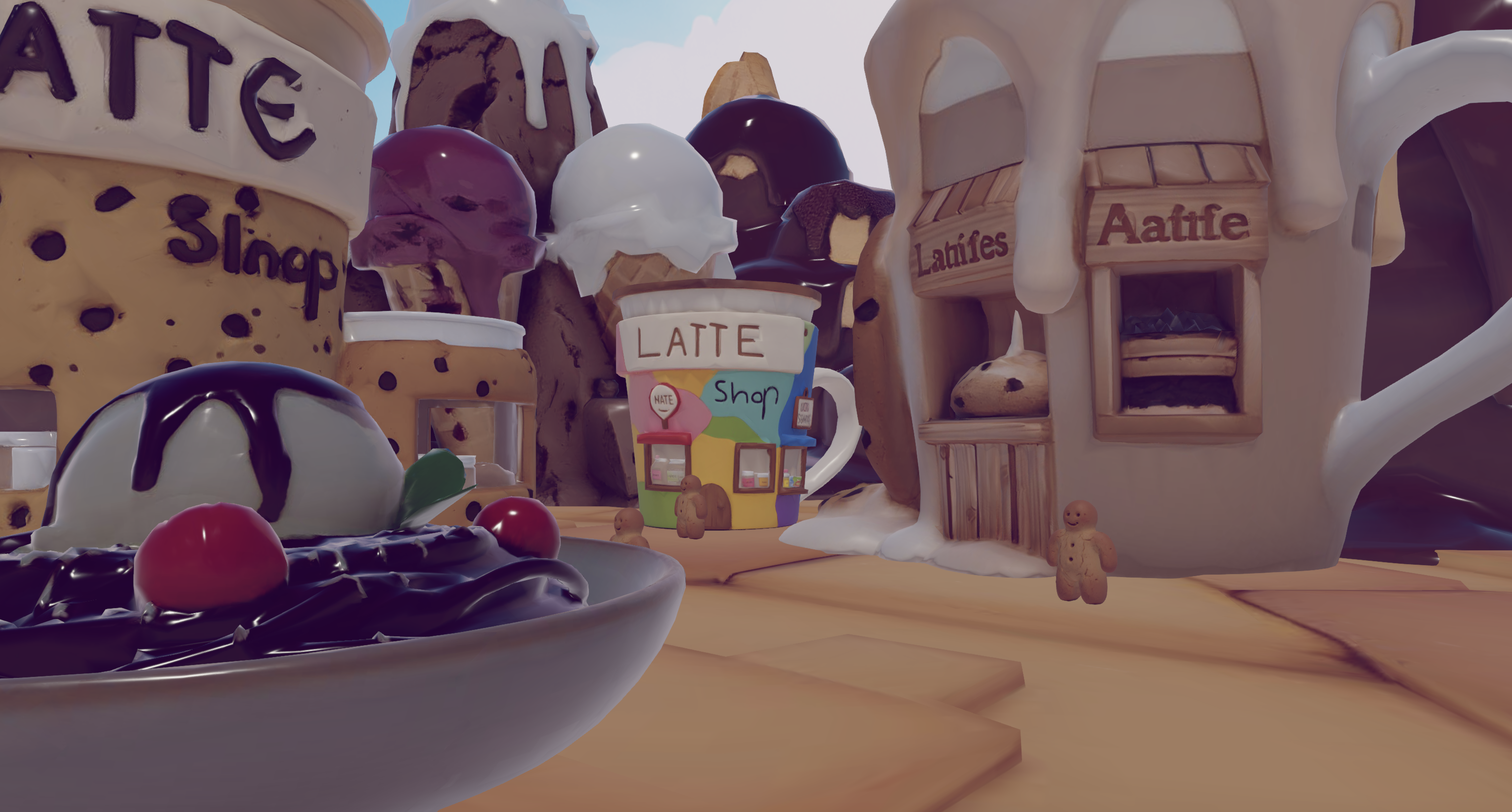
Change variables directly in the editor. For example, switch “speed = 2” to “speed = 20” for faster particle movement. You see the result instantly in the 3D world.
5. Multiplayer playtest
Share your world link with friends. They can join right away and help you build or test the space together in real time.
6. Optimize for Roblox export
Before exporting, you need to match Roblox’s technical limits so your world runs smoothly. Use the built-in LOD system to reduce polygon counts to Roblox’s 10K–20K range without manual retopology. This step runs in seconds and keeps your world looking clean.
7. One-click export
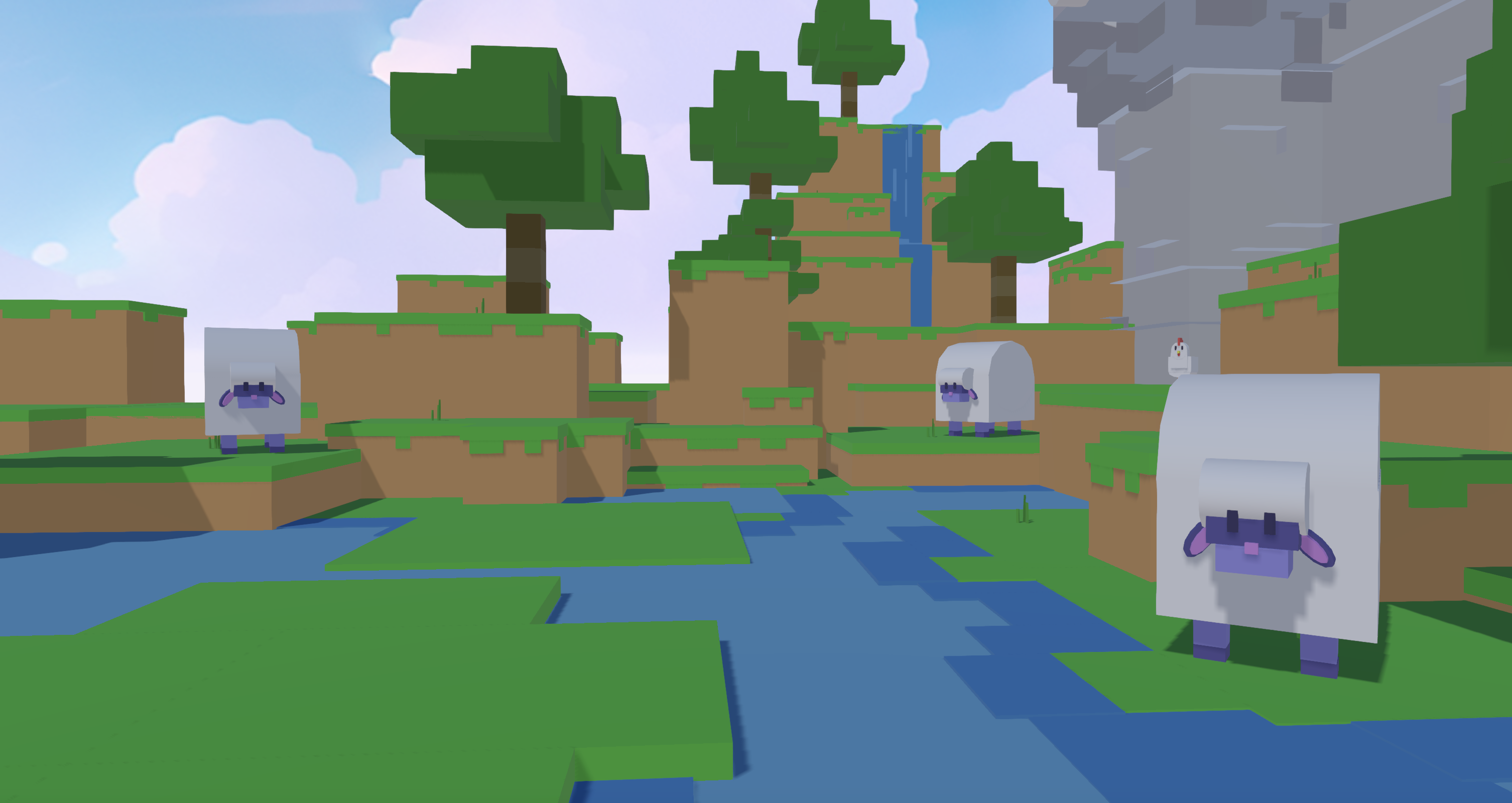
Download your scene as an FBX file. It is ready for direct import into Roblox Studio, with rigging and animations preserved.
The table below shows how a short prompt turns into a specific output and a simple tweak you can make without touching code.
|
Prompt |
Output |
Tweak |
|---|---|---|
|
“Neon signs with pink glow” |
Animated neon text |
Adjust glow intensity |
|
“Lo-fi radio playing chill beats” |
3D radio model |
Change music genre |
|
“Floating geometric particles” |
Animated particle system |
Modify speed/density |
The entire process takes minutes instead of hours. Nilo handles rigging, animation, and optimization for you, so you do not need to hunt for a scripter or learn complex pipelines. Start your first vibe-coded build in the browser today.
Copy-Paste Vibe Prompts for Roblox-Ready Game Assets
Once you feel comfortable with natural language prompts, you can push into more advanced interactive elements. You can start with these three copy-paste examples that work well in AI vibe coding platforms:
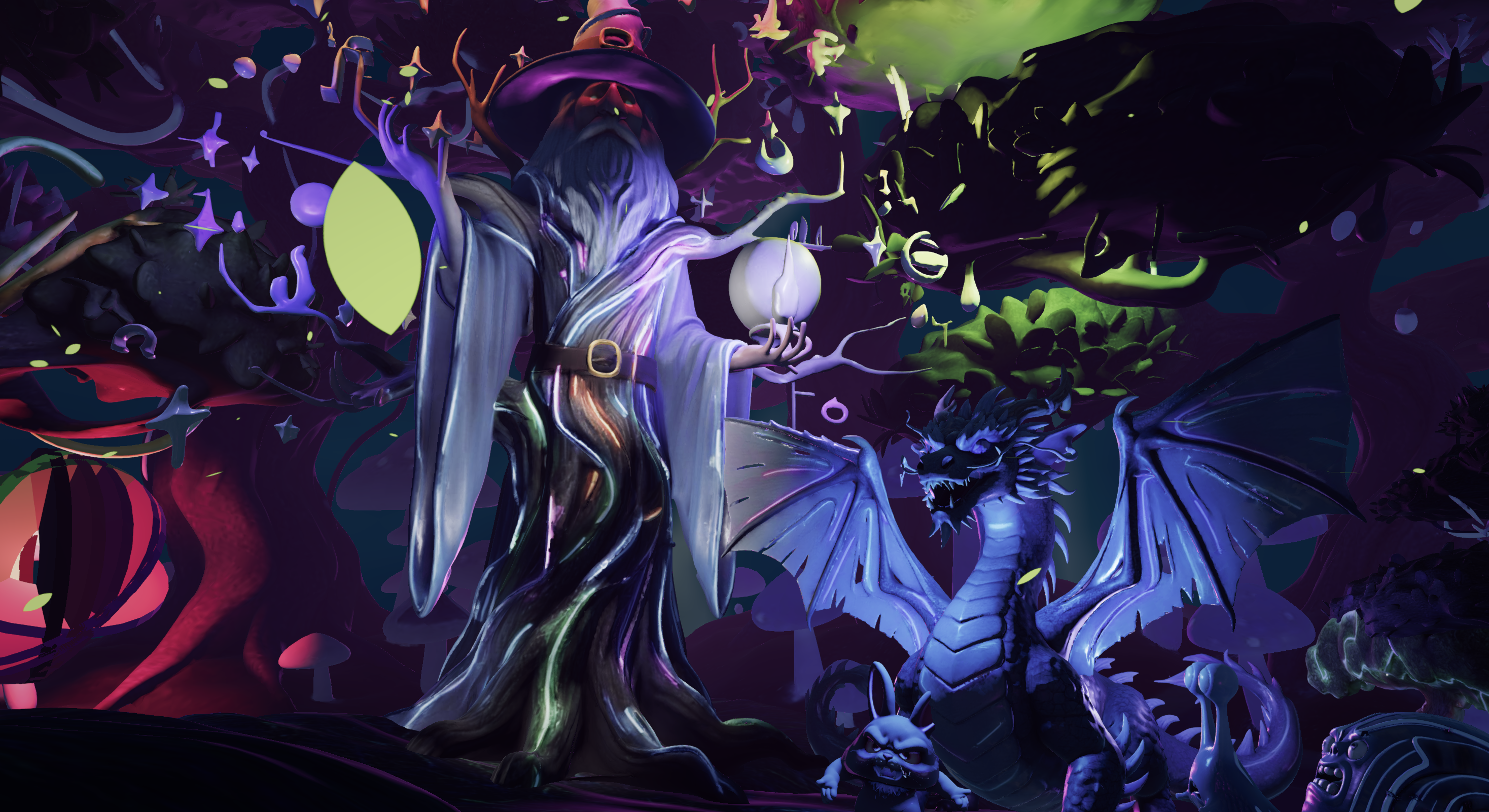
Lo-fi Radio Station
“Create an interactive radio that cycles through lo-fi hip-hop tracks when players click it, with visual equalizer bars that pulse with the beat.”
Neon Particle Emitter
“Add a particle system that spawns glowing orbs in cyan and magenta colors, floating upward with slight random drift and fading after 3 seconds.”
Chill Character Poses
“Generate idle animations where characters lean against walls, sit cross-legged, or lie down looking at the sky, cycling every 10 seconds.”
These prompts generate assets that respect the polygon limits you handled in Step 6. The AI also takes care of UV mapping, texture compression, and LOD generation, so your worlds stay smooth on mobile devices. Use these ideas to create and/or export your first vibe-coded world, sharing it with your friends.
Common Vibe Coding Pitfalls and How Nilo Helps
AI-generated content can run into logic bugs, replication issues, and performance lag if nobody checks it. Many tools also output “decimated” meshes that look like rough scans instead of clean game-ready models.
Nilo stands out by tackling these problems with model-agnostic AI integrations, such as Meshy and Tripo, real-time physics simulation, and a community of more than 9,000 Discord members who share tips. The platform avoids “retopology hell” by generating clean edge loops that deform correctly when you animate characters.
Unlike traditional setups that force you to coordinate several tools by hand, you work in one connected environment.
FAQ
What is vibe coding for Roblox?
Vibe coding for Roblox means using natural language AI to create aesthetic game elements like neon lighting, lo-fi music, and character animations without writing Lua. You describe what you want in plain English, and the AI builds the code and assets for you.
Can I export Nilo vibes to Roblox?
Yes. Nilo exports to standard 3D formats such as FBX and OBJ that you can import into Roblox Studio. The built-in LOD system keeps your models within Roblox’s polygon limits, and rigging plus animations transfer correctly.
Is Nilo free?
Nilo gives you 1,000 free Bits each month for AI generation, export, and creation features. You can use the collaborative tools, publishing options, and asset pipeline without paying upfront.
How does vibe coding compare to Roblox Studio?
Vibe coding platforms run fully in your browser with no installation, while Roblox Studio needs a desktop setup and Lua knowledge. With vibe coding, you create interactive games using natural language prompts. With Studio, you rely on traditional programming for most dynamic behavior.
What are the current Roblox AI trends?
Roblox introduced AI-powered 3D generation in February 2026, but those tools still expect Studio knowledge and a desktop install. Browser-based platforms like Nilo, Roblox, and RecRoom push toward AI-native workflows that make creation feel as social and easy as playing. Roblox’s beta AI features currently focus on basic schemas like cars and single-mesh objects, while dedicated vibe coding platforms support full world-building.
Conclusion
Platforms like Nilo make vibe-coded creation for Roblox-style games fun, social, and accessible to aspiring builders and already established builders. You can move from idea to multiplayer hangout without wrestling with a stack of tools. Backed by Supercell and created for the next generation of builders, Nilo helps you create 3D worlds in a way that feels natural and collaborative. Join 9,000+ Discord members building the future of game development and start building your first vibe-coded game today.
