
Key Takeaways
- Lua scripting barriers like performance-heavy OOP and post-basics stagnation frustrate aspiring Roblox builders, so independent creation feels out of reach.
- Vibe coded assets let you skip Lua and use natural language prompts to generate Roblox-ready 3D models, characters, and interactions.
- Key 2026 tools include Roblox 4D Generation, Meshy AI, SEELE, and Nilo, with free tiers for obbies, RP worlds, and environments if you watch performance.
- Nilo’s browser-based workflow covers generation, cleanup, animation, playtesting, and Roblox export in one place, without juggling extra tools.
- You can start vibe coding Roblox prototypes today by joining Nilo’s open beta and building and playing without paying.
The Problem: Lua Walls and Asset Headaches for Builders Like You
The path from Roblox player to creator hits a wall fast. Many aspiring builders say they feel stuck after learning Luau basics. You might understand variables, strings, loops, functions, and simple logic, yet still feel lost when you try to build a full game alone.
The technical barriers go deeper than a tough tutorial. Luau has no native object-oriented programming support, so you rely on metatables that add performance overhead. That overhead turns simple mechanics into tricky optimization puzzles. This complexity explains why knowing the basics still leaves you stuck when you try to ship interactive obbies or RP worlds. You either team up with a scripter or spend months grinding more advanced concepts.
Asset creation adds another layer of friction. Traditional workflows chain together multiple tools, with Meshy for generation, Blender for cleanup, and Roblox Studio for implementation. Each tool needs its own install, its own interface, and its own export settings. Every handoff breaks your creative flow and often forces manual retopology to stay under Roblox’s polygon limits. You end up fixing meshes and normals instead of designing worlds and stories.
Search results do not help much. You see scattered plugins, random scripts, and long dev logs. You rarely see a clear guide that walks you from natural language prompts to export-ready Roblox models. You also do not see curated lists with links you can actually use. This guide fills that gap.
The Solution: Vibe Coded Roblox Assets Explained
Vibe coding turns plain language into working game pieces. You skip writing Lua and instead describe what you want, like “Create a glowing sword that deals damage on touch” or “Make a door that opens when players walk near it.” The AI then creates 3D models, rigs characters, and sets up interactions, while you stay focused on ideas and gameplay.
This approach fits where Roblox itself is heading. Many new games already mix in AI-generated content, and that share keeps growing. Roblox launched 4D Generation on February 4, 2026, which lets you type prompts for interactive objects such as drivable cars or flyable aircraft with physics.
Vibe coded assets speed up the middle of your process. You move faster through the stage where you turn simple builds into playable experiences. Browser-based tools remove installation and file-management friction while still exporting cleanly to Roblox Studio. You can jump into Nilo’s free open beta and try this browser-first approach yourself.
Top Vibe Coded Roblox Asset Options for 2026
You have several ways to bring vibe coded assets into your games. Focus on three things when you compare tools. First, check what each one actually creates, such as interactive objects, static props, or full characters. Second, look at cost, including free tiers, limits, and paid upgrades. Third, match the tool to your use case, like vehicle physics, obby parts, or RP environments.
The comparison below shows how popular options stack up across content type, pricing, and practical use cases for builders like you.
| Asset Name | Type | Cost | Use Case |
|---|---|---|---|
| Roblox 4D Generation | Interactive Objects | Beta | Drivable vehicles and flyable aircraft with real physics |
| Roblox Studio AI Assistant | Code/World Generation | Free | Generates code, helps build worlds, and debugs through natural language |
| Meshy AI Models | Props/Characters | Free/Premium | Creates 3D from text with Roblox-focused export options |
| SEELE AI Assets | 3D Models/Animations | Varies | Generates assets in 30–60 seconds with auto-rigging and PBR textures |
| Vibe Code City | Environment Kit | Free | Urban building blocks for RP-style city worlds |
| AI Obby Kits | Obstacle Components | Free/Premium | Generated platforms, traps, and checkpoints for obbies |
High-poly models can slow your game and frustrate players. Heavy meshes need careful performance checks and cleanup. Test new assets in the kind of map you plan to ship. Watch frame rates, polygon counts, and load times before you commit to a huge build.
These tools give you a strong starting point. Custom generation still gives you the most control, and that is where Nilo can change how you build.
Nilo: A Full Vibe Coding Pipeline in Your Browser
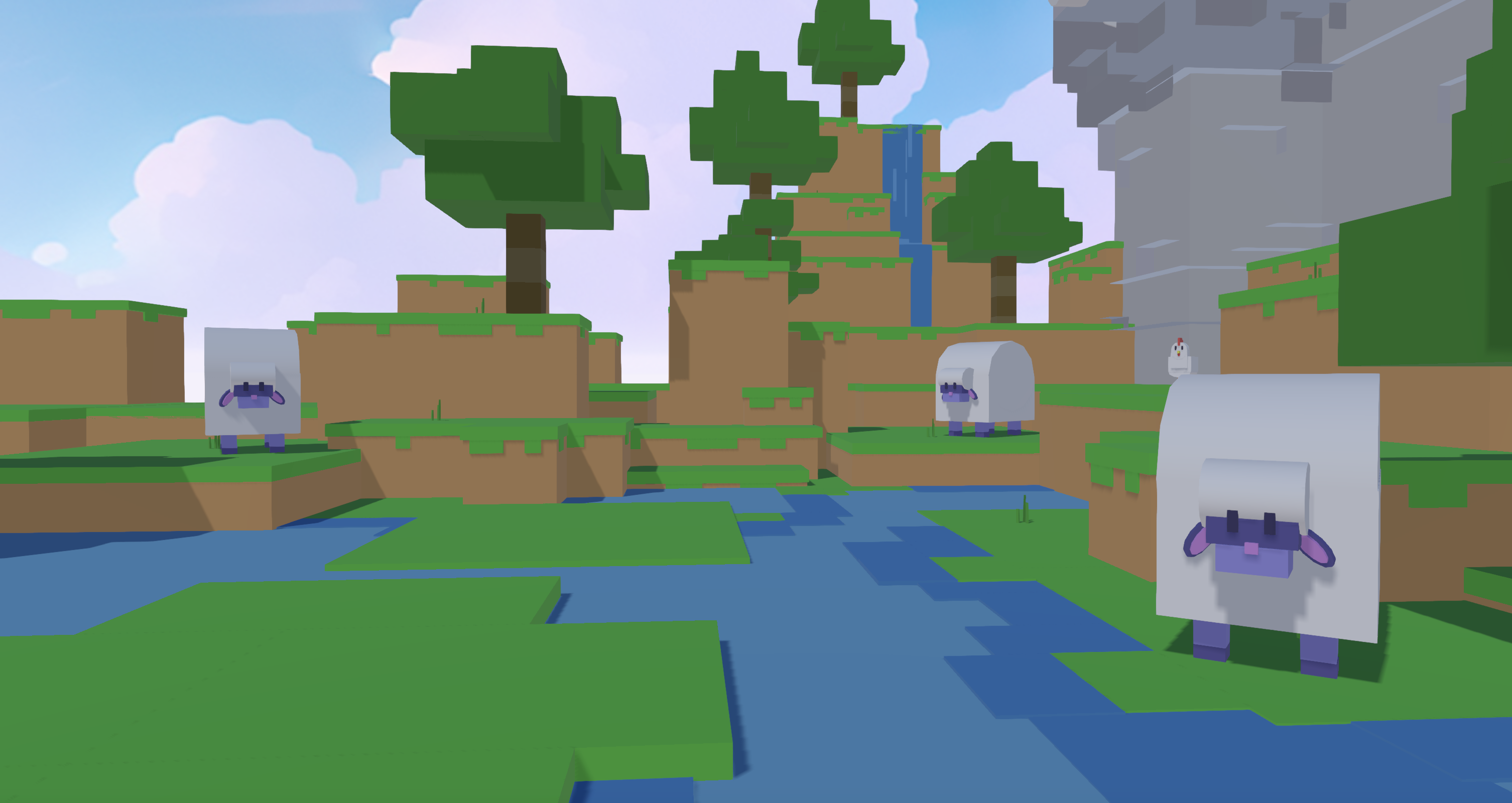
Nilo runs in your browser with no install, no desktop limits, and no long setup. You can generate 3D characters, weapons, and pro-level props in seconds from sketches or prompts. The platform keeps meshes within Roblox’s usual 10K–20K polygon range, so you skip most manual cleanup.
Nilo’s core tools cover your whole asset flow. You can craft models from sketches, images, or text. You can rig and animate with one click. You can build asset packs with matching items, design Roblox-ready avatars with custom skins, and playtest with friends in real time. You can then export assets in formats that drop smoothly into Roblox Studio.
Other tools cover only parts of this flow. Roblox Studio focuses on desktop editing and expects Lua knowledge. Rosebud AI leans on code generation without deep 3D control. Sloyd focuses on generation and still pushes you into Blender for cleanup. Nilo keeps the full pipeline in one browser tab so you stay in creative mode.
Community results show how this feels in practice. In Nilo’s February 2026 survey, 93% of builders said they would recommend it to a friend. Many said asset creation felt “20x faster” than their old tool chains. The community has more than 9,000 Discord members and over 1 million monthly organic social views. You can join the open beta and see how this flow fits your own projects.
Step-by-Step: How You Can Vibe Code Custom Assets in Nilo
You can create custom Roblox assets through vibe coding in minutes. Follow this simple workflow from first prompt to Roblox Studio.
1. Open Nilo in Your Browser
Go to play.nilo.io in any modern browser. You can start building without installing software or creating an account.
2. Generate Your First Asset
Type a prompt such as “Low-poly sci-fi gun for obby, rig and optimize for Roblox.” You can also add a sketch or reference image if you want a closer match.
3. Tweak Detail and Performance
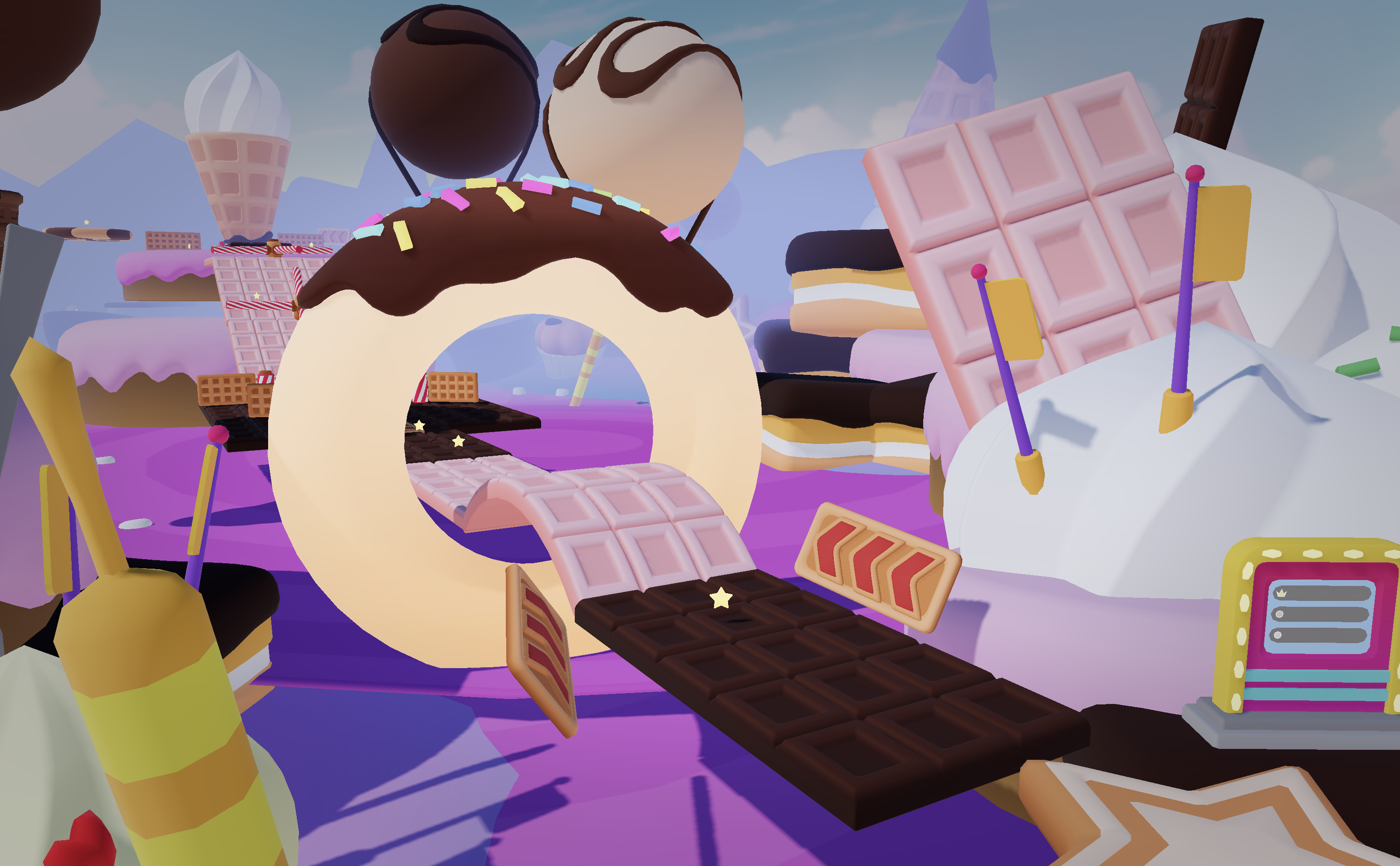
Move the level-of-detail slider until the mesh fits Roblox’s polygon targets. Use the one-click rig option for characters or interactive parts that need movement.
4. Add Simple Animations
Ask for animations with short prompts like “Create a reload animation” or “Make the character wave.” Watch the animation preview and adjust until it feels right.
5. Playtest With Friends
Share your world link so friends can jump in and test with you. Build together, run through obbies, and spot problems before you export.
6. Export Straight to Roblox Studio
Download FBX, OBJ, or glTF files that are already tuned for Roblox import. You avoid daisy-chaining Meshy, Blender, and other tools just to clean a single asset.
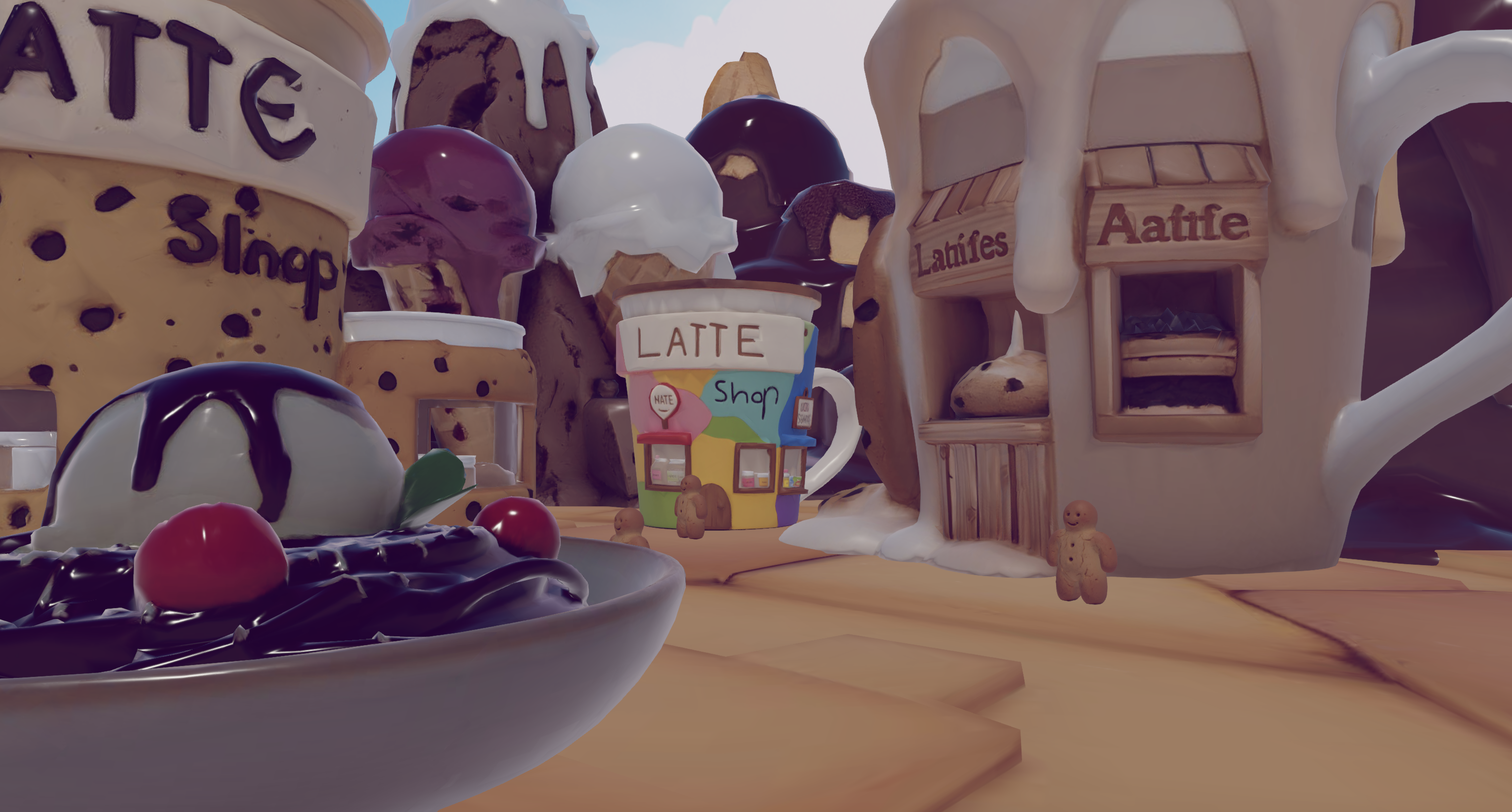
This flow removes the old Meshy → Blender → Roblox Studio pipeline and keeps you focused on ideas instead of file juggling. You can try this full workflow inside Nilo’s free open beta.
Risks, Monetization, and What You Should Watch
Vibe Coding and Performance
Vibe coding can cause problems when assets are not optimized. Heavy AI models can create lag and frame drops. Nilo’s automatic level-of-detail system helps by keeping meshes within Roblox-friendly polygon counts.
Earning From Vibe Coded Assets
Vibe coded assets can support real income when you pair them with strong gameplay. Roblox creators earned over $700 million in the past year, and the top 1,000 creators averaged $1.3 million in 2025. These numbers show how polished content, whether hand-coded or AI-assisted, can power serious monetization through UGC items and paid experiences.
Building Without Paying Upfront
Most vibe coding platforms give you a free tier so you can experiment. Nilo gives you 1,000 Bits each month for AI generation and exports. Roblox’s 4D Generation also stays free while it is in beta.
Conclusion: Start Vibe Coding the Worlds in Your Head
You can skip the steep Lua grind and the painful Blender cleanup. You can pick from curated vibe coded assets or create your own models in Nilo. Either way, you can ship the obby or RP world you have been imagining without getting blocked by complex code.
The tools already exist, the community keeps growing, and your ideas do not need to wait. Jump into Nilo’s open beta and start building at the speed of your ideas.
Frequently Asked Questions
What is the difference between vibe coding and traditional Roblox scripting?
Traditional Roblox scripting means learning Luau syntax, grasping object-oriented concepts, and writing code line by line. Vibe coding lets you describe what you want in plain English while AI turns that into 3D models, animations, or game logic. Instead of typing “local part = Instance.new(‘Part’)” you say “create a glowing platform that teleports players.” You remove the heavy technical layer while still deciding how your game feels and plays.
How do vibe coded assets perform compared to manually created ones?
Performance comes from optimization, not from whether a human or an AI built the mesh. Well-tuned vibe coded assets can run just like manual ones when they respect Roblox’s polygon and texture limits. The big win is speed, since AI with auto-optimization can give you Roblox-ready assets in minutes. Poorly optimized AI assets can still lag, which is why tools like Nilo ship with automatic level-of-detail controls.
Can I use vibe coded assets commercially in my Roblox games?
You can use your vibe coded assets in commercial projects. You can sell them on the Roblox marketplace, drop them into monetized experiences, or use them for commissioned builds. The Roblox creator economy pays out over $1 billion each year, and AI-generated content can join that flow through the Developer Exchange program as long as it follows Roblox’s rules and quality standards.
What should I do if my vibe coded assets do not work properly in Roblox Studio?
Most import problems come from polygon counts, texture sizes, or rigging issues. First, check that your mesh stays under roughly 10K–20K polygons, uses 1024×1024 textures, and has a clean structure. Then confirm that collision and scripts behave correctly inside Roblox’s security model. Quality vibe coding tools usually include checks that catch many of these issues before you export.
How can I write better prompts for vibe coding?
Clear prompts mix visual detail with function. Instead of “make a sword,” try “create a medieval longsword with a silver blade and leather-wrapped handle, ready for third-person combat.” Add style tags like “low-poly,” “cartoon,” or “realistic.” Mention how you will use it, such as “obby obstacle,” “RP prop,” or “combat weapon.” Include technical notes like “Roblox-optimized” or “under 5K polygons.” Start with simple objects, watch how the AI responds, and then layer in more detail as you gain confidence.
