
Key Takeaways
-
Vibe coding lets you describe Roblox assets in natural language so you skip Lua scripting and Blender modeling headaches.
-
The 7-step workflow walks you through prompting, AI generation, auto-optimization, animation, playtesting, and export to Roblox Studio in minutes.
-
Nilo’s browser-based platform connects top AI providers with LOD controls, rigging, and multiplayer previews, so you avoid installs and setup.
-
Clear prompts call out style, triangle counts, and behaviors, like “low-poly glowing sword, 5k triangles,” to keep assets Roblox-friendly.
-
Start creating professional Roblox assets in Nilo’s free beta and see how far you can push your ideas.
How Vibe Coding Fits Into Your Roblox Workflow
Vibe coding changes how you build Roblox assets by letting you talk, text, or sketch what you want instead of wrestling with Blender topology or Lua scripts. The AI then generates 3D models that follow Roblox’s performance guidelines for mobile and PC/console.
The complete vibe coding workflow follows seven steps. First, you prompt your idea. Second, you generate your model with AI. Third, you optimize polycount and rig automatically. Fourth, you animate with text-to-motion. Fifth, you playtest in multiplayer. Sixth, you export as FBX or glTF. Seventh, you import into Roblox Studio. This flow turns weeks of traditional development into minutes of focused creativity.
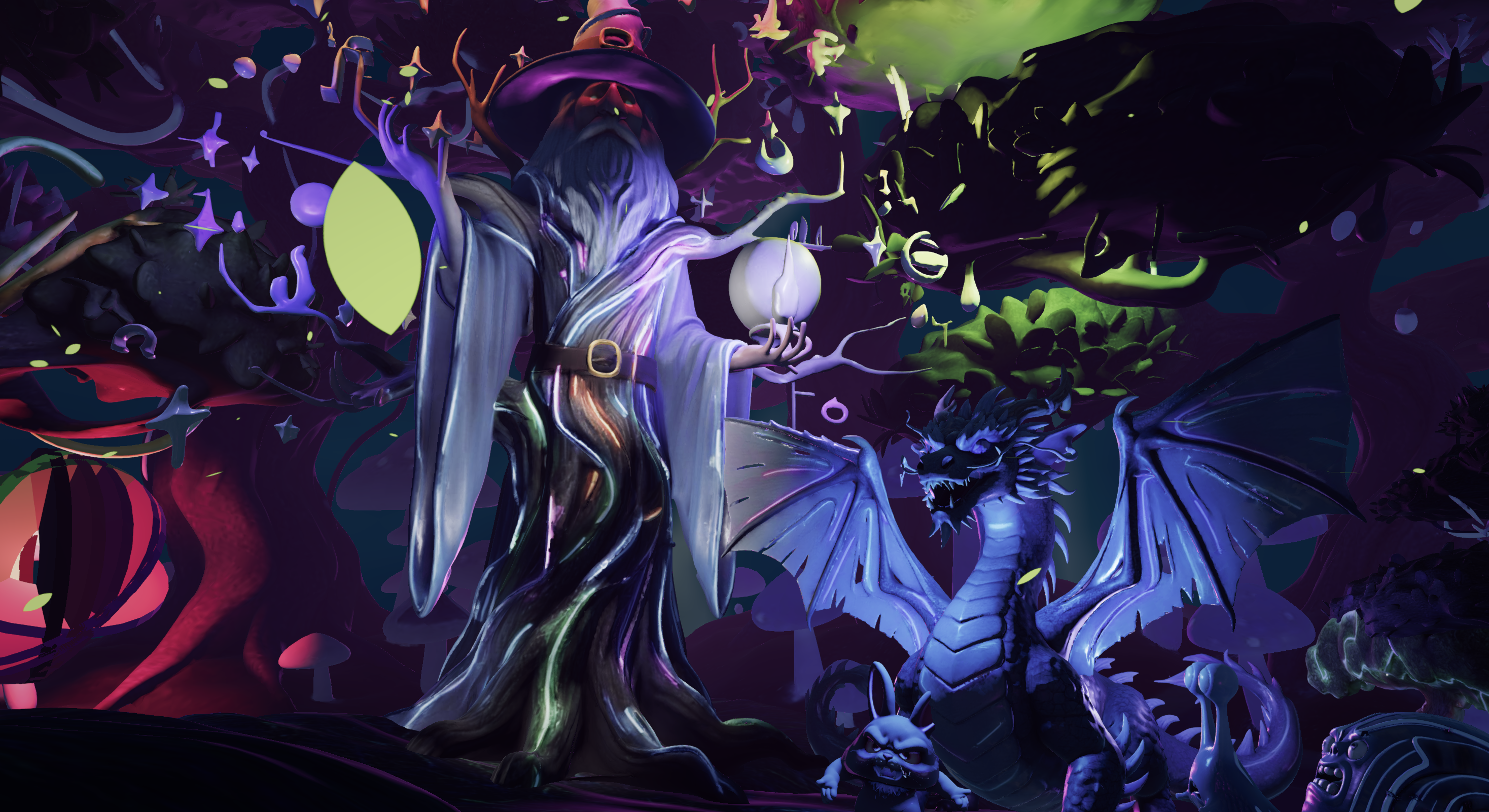
Experience the complete pipeline in Nilo’s open beta with no downloads and see how it fits your current projects.
Why 2026 Is Different for Roblox Asset Creation
WebGPU and WebAssembly now let your browser handle real-time 3D creation instead of acting like a simple viewer. Game studios report AI speeding up asset creation by 10 to 20 times, with icons and props done in minutes instead of weeks.
Traditional tools like Roblox Studio and Blender still require installations and long learning curves. Nilo runs entirely in your browser, so you share a URL and start building together on desktop or mobile. The platform connects multiple AI providers such as Meshy, Tripo, and Cartwheel behind one interface, so you always tap into strong models as they improve.
Roblox’s 2026 roadmap introduces several AI agents that help with coding, world design, and character behavior, but those tools stay inside Roblox Studio’s desktop setup. A browser-based platform like Nilo opens AI-powered creation to you and your friends without those technical walls.
Top 2026 Tools for Vibe Coding Roblox Assets
Nilo stands out as an end-to-end browser platform for Roblox asset creation. You can generate models from text, sketches, or images using Craft Your Model. The LOD slider keeps triangle counts under control, one-click rigging handles character setup, and text-to-motion creates animations from short descriptions. You then export FBX or glTF files that drop into Roblox Studio with almost no cleanup.
Other tools focus on specific parts of your workflow. RoPilot helps you write Lua inside Roblox Studio, but you still install Studio and learn its interface. Cursor supports code generation for scripts and tools, yet it does not create 3D models. Rosebud AI lets you prompt full games in the browser, although it does not focus on Roblox export or performance tuning. Blender gives deep control over every vertex, but you trade that power for months of learning and a lot of manual retopology.
Nilo’s community of 9,000 plus Discord members and the 93% recommendation rate from builders in Nilo’s February 2026 survey show how well it fits aspiring builders or already builders like you. The freemium model gives you 1,000 Bits each month for asset generation, so you can experiment without spending a bunch of money.
Compare Nilo’s browser workflow to your current tools in the free beta and decide what feels smoother.
Writing Strong Prompts for Roblox-Ready Assets
Strong prompts mix visual style, technical limits, and behavior. For a weapon, you might write “Low-poly fantasy sword, blue glow effect, 5k triangles, Roblox-optimized.” For a character, you could try “Cartoon NPC villager, idle walk animation, rigged arms and legs, 10k triangles maximum.”
You can reuse patterns across asset types. Try “Neon health bar UI, interactive glow, mobile-friendly” for interfaces. Use “Drivable scooter vehicle, low-poly aesthetic, 15k triangle limit” for vehicles. Go with “Medieval castle environment, modular pieces, optimized for multiplayer” for worlds. Always keep triangle counts within the platform limits mentioned earlier so your game runs smoothly.
Nilo’s multi-modal input lets you mix sketches, reference images, and text. You can draw a rough sword outline, upload a fantasy reference, then describe a “glowing blue energy blade” to guide the AI from several angles. This combo reduces the random feel that often comes with text-only generation.
Step-by-Step Tutorials: Build 5 Roblox Assets
These five tutorials move from simple static props to more complex interactive pieces. You start with a fantasy weapon to learn basic prompting and LOD control. Then you add UI, vehicles, NPCs, and environment props, so you practice rigging, animation, and export across different asset types. You can follow them in order or jump to the asset that matches your current game.
Tutorial 1: Fantasy Weapon
1. Open Nilo and go to Craft Your Model. 2. Enter this prompt: “Low-poly crystal sword, purple glow, 8k triangles, fantasy style.” 3. Adjust the LOD slider so you stay under a 10k triangle limit. 4. Use one-click rigging for the handle attachment. 5. Generate a swing animation with “sword slash motion, quick strike.” 6. Test the sword in multiplayer preview mode. 7. Export as FBX and import into Roblox Studio.
Tutorial 2: Interactive UI Element
1. Launch the Craft Your Model interface. 2. Prompt with “Neon health bar, sci-fi style, interactive glow effects, mobile-optimized.” 3. Lower the polygon count to keep UI performance high. 4. Add hover animations using short text prompts. 5. Preview how the UI behaves on different device sizes. 6. Export as an optimized mesh. 7. Hook it into Roblox GUI systems.
Tutorial 3: Drivable Vehicle
1. Open Nilo’s generation tools. 2. Create with “Futuristic hover bike, sleek design, 15k triangles, drivable.” 3. Use LOD optimization to protect frame rate. 4. Rig the vehicle parts automatically. 5. Generate driving animations and basic physics behavior. 6. Test vehicle handling in the preview. 7. Export with collision meshes set for Roblox.
Tutorial 4: Animated NPC
1. Open the model generation interface. 2. Prompt with “Friendly robot NPC, cartoon style, idle and wave animations, 12k triangles.” 3. Let Nilo optimize mesh topology. 4. Apply character rigging in one click. 5. Create behavior animations from short text descriptions. 6. Test NPC interactions inside a sample world. 7. Export with animation data preserved.
Tutorial 5: Environment Prop
1. Start a new Craft Your Model session. 2. Generate “Ancient stone pillar, weathered texture, modular design, 6k triangles.” 3. Adjust detail level for your target device. 4. Set up modular connection points for easy snapping. 5. Add simple ambient particle effects if needed. 6. Preview the prop under different lighting setups. 7. Export for use in your world building.
Keeping Assets Fast, Clean, and Roblox-Ready
Nilo’s automatic optimization helps your assets stay within Roblox performance standards. The LOD system keeps models looking good while trimming triangle counts for mobile devices. Roblox’s solid modeling engine now runs Union, Intersect, and Subtract directly on MeshParts, so Nilo’s clean topology supports more advanced building tricks.
Follow a simple export checklist to avoid surprises. Start by checking that triangle counts stay inside the platform limits, since going over can hurt mobile performance. Then confirm UV mapping so textures display correctly in Studio. Test collision meshes so players and physics interact with objects as expected.
Validate animation data so characters move without distortion. Finally, match texture resolution to Roblox standards so you avoid automatic downscaling that blurs your art. Nilo automates most of these steps, while manual Blender workflows often demand hours of cleanup.
Roblox Studio integration usually means importing FBX files, applying materials, setting collision, and tuning physics. Nilo’s exports arrive with clean meshes and correct scales, which reduces import errors and keeps performance steady across devices.
Common Vibe Coding Problems and How You Can Fix Them
AI output can feel inconsistent on any platform, yet Nilo’s multi-provider setup and real-time preview help you catch weak generations quickly. Polycount management shifts from manual retopology to a simple LOD slider. Export headaches shrink because Nilo focuses on Roblox-ready formats from the start.
Performance worries around AI-generated assets ease when you use automatic optimization and clean topology. Raw AI meshes from standalone tools often need heavy manual fixes. Nilo bakes most of that optimization into the generation step, so you stay focused on design instead of repair work.
Solve these common issues with Nilo’s optimized vibe coding workflow and ship assets faster.
Conclusion
Vibe coding Roblox assets in 2026 lets you create professional-quality 3D models with natural language instead of Blender skills or Lua scripts. A browser-based platform like Nilo turns a weeks-long development cycle into a short loop of prompting, previewing, and exporting. You can start building your first optimized Roblox asset today and grow your skills from there.
Frequently Asked Questions
Is vibe coding Roblox assets risky for my account?
Vibe coding stays safe when your assets are properly optimized. Nilo checks that generated models follow Roblox’s technical requirements, including polygon limits, texture specs, and performance targets. The assets you create count as original content generated through AI, not copies of existing games. Roblox supports AI-assisted creation and now includes similar helpers inside Studio.
Can I vibe code Roblox assets for free?
Yes. Nilo offers a free Starter tier with 1,000 Bits each month for asset generation. That amount covers several high-quality 3D models, animations, and exports without upfront costs. Many core features such as world creation, collaboration, and basic optimization do not use Bits at all. You can also earn extra Bits through community events and referrals.
How does vibe coding compare to traditional Roblox development?
Traditional Roblox development asks you to learn Lua scripting, master Blender, and juggle several tools. Vibe coding removes most of those barriers by letting you describe both assets and behaviors in natural language. You spend more time on creative design and rapid iteration instead of setup. This approach often cuts development time from months to days while still reaching professional quality.
What’s the difference between Nilo and Roblox Studio for asset creation?
Roblox Studio shines at assembling games and publishing them, but it runs on desktop and expects deeper technical knowledge for custom assets. Nilo focuses on AI-powered asset generation with automatic optimization, browser access, and real-time collaboration. You can create optimized assets quickly in Nilo, then export them into Studio for scripting, level design, and final polish. This pairing lets each tool do what it does best.
Do vibe-coded assets cause export errors in Roblox?
Nilo’s assets are tuned to avoid common Roblox import issues such as broken topology, wrong scale, or missing collision data. The LOD system keeps polygon counts inside safe ranges, and clean mesh generation reduces the artifacts that usually break imports. Many standalone AI tools output meshes that need manual repair, while Nilo handles most optimization during generation so exports land in Studio with fewer surprises.
