
Key Takeaways
- Vibe coding uses natural language AI to turn your casual prompts into clean Luau code for Roblox with instant 3D previews.
- It removes Lua errors, steep learning curves, and constant debugging compared to traditional scripting or generic AI tools.
- Nilo’s browser-based platform gives you editable scripts, real-time collaboration, AI asset generation, and direct Roblox exports.
- You follow a simple loop: describe mechanics, test in 3D, fix issues with AI, then export FBX or glTF files ready for Roblox.
- Start vibe coding Roblox games today with Nilo’s free open beta.
How Vibe Coding Roblox Scripting Works
Vibe coding roblox scripting turns your text or voice prompts into working Luau code with instant 3D previews. You describe what you want, and the AI writes scripts that you can read and edit.
Unlike tools like Rosebud AI that generate full games without much editing, vibe coding keeps you in control. You still tweak variables directly, like changing “speed = 2” to “speed = 20” and seeing the result right away in 3D.
Nilo stands out with real-time multiplayer collaboration and direct Roblox exports. In Nilo’s February 2026 Survey, 82% of builders rated their Nilo experience as “Awesome” or “Good”, and many highlighted how accurate the natural language code editor feels compared to generic AI tools. One builder shared: “You made me enjoy vibe-coding. The code assistance works almost flawlessly, other experiences have just been frustrating at best.”
Why Vibe Coding Feels Better Than Traditional Roblox Scripting
Traditional Roblox scripting creates multiple pain points. You deal with Lua’s steep learning curve, spend weeks searching for available scripters, and fight AI hallucinations when you try tools like ChatGPT.
Many AI tools generate scripts that don’t work well in Roblox Studio, which forces endless debugging cycles and breaks your creative flow.
Vibe coding removes many of these barriers by cutting the heavy setup and syntax grind. Nilo runs entirely in your browser, with no Studio installs or verification steps, so you can start building right away. The platform uses model-agnostic AI to generate editable code that actually runs, which helps you learn real programming concepts instead of wrestling with broken scripts.
The natural language interface means you can begin creating immediately, even with zero coding experience. The workflow below shows how you describe mechanics instead of writing code and how the browser-based setup removes installation headaches.
All-In-One Tools You Use While Vibe Coding Roblox
Most vibe coder roblox setups rely on several tools at once. You might use an IDE like Cursor with Claude integration, Rojo for syncing, and separate asset generators for models and textures. This constant switching creates workflow fragmentation and setup complexity.
Nilo brings these pieces into one browser tab. You get AI asset generation, automatic rigging, LOD controls, and instant feedback in the same place, so you are not bouncing between apps. The WebGPU-powered engine delivers smooth, professional performance while still feeling accessible for aspiring builders or already builders like you.
Now you can see how these tools connect in a real workflow.
Step-by-Step Vibe Coding Workflow in Nilo
This workflow shows how you can go from idea to Roblox-ready content using vibe coding.
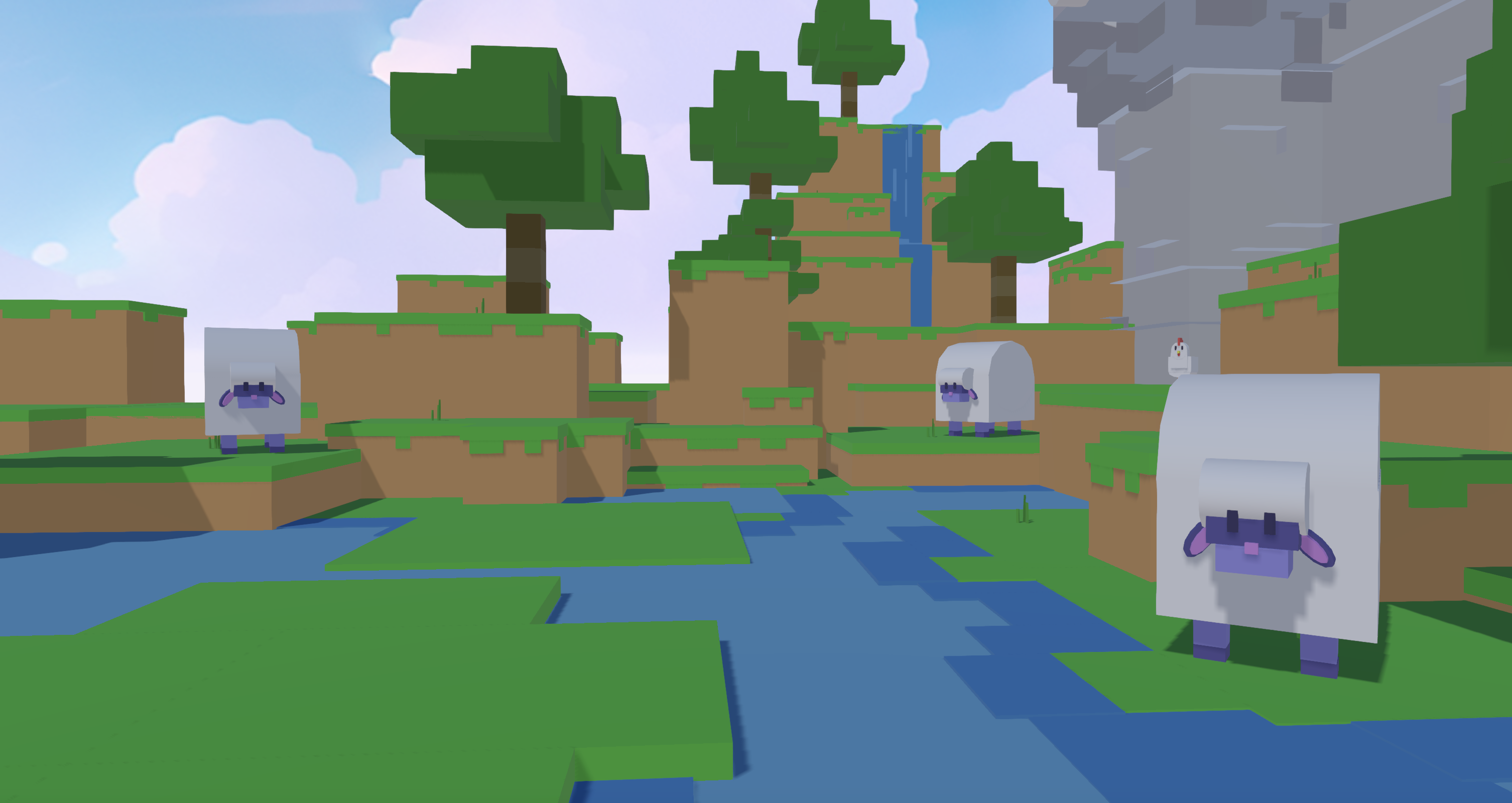
1. Open play.nilo.io
Open play.nilo.io in your browser. No downloads or installations run in the background, and you get full 3D right away.
2. Generate assets with AI
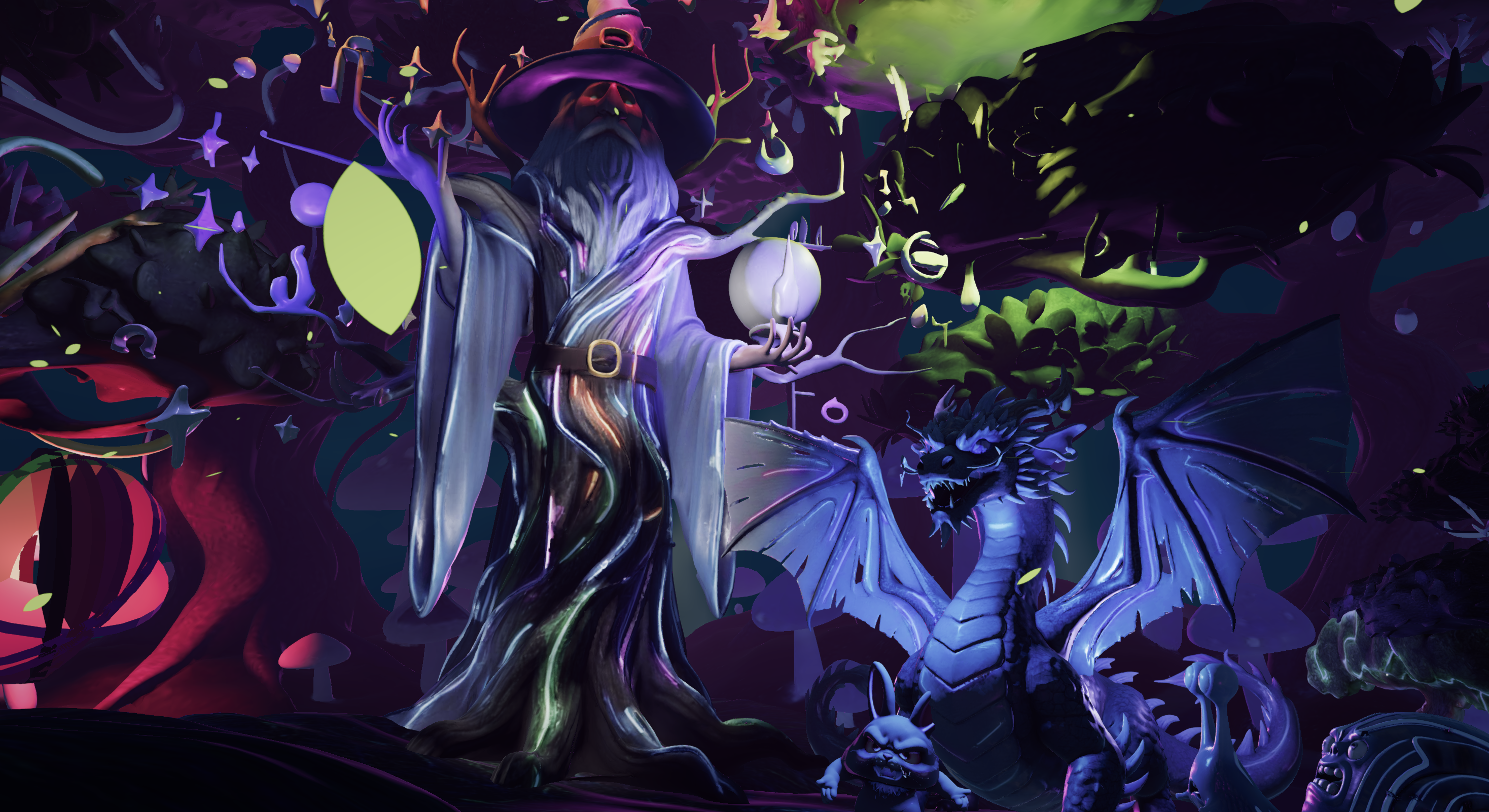
Type a prompt like “medieval sword” or sketch a rough shape. Nilo’s model-agnostic system picks the AI model that balances quality and speed, then gives you a 3D asset you can inspect.
3. Add game mechanics with natural language
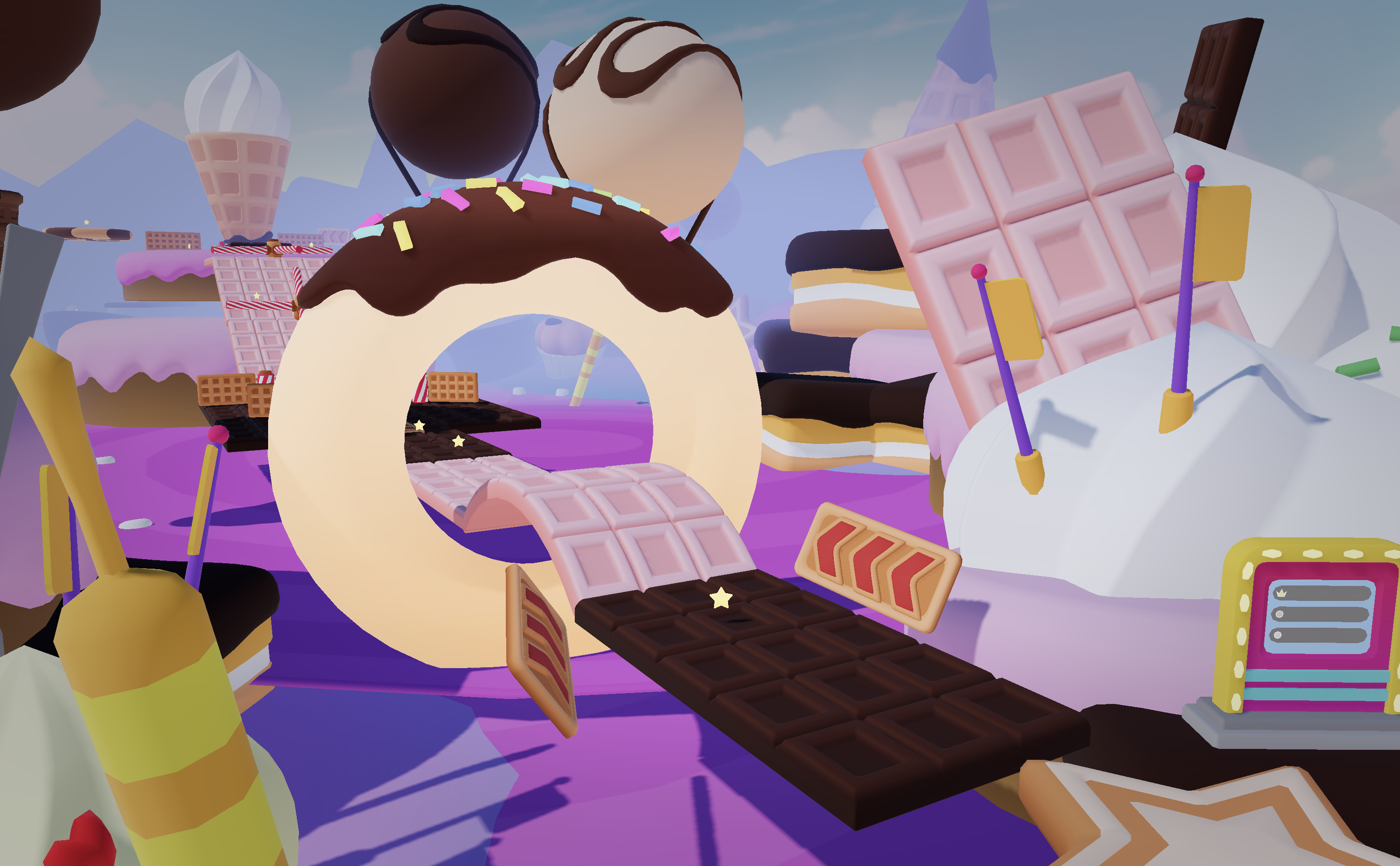
Describe the mechanic you want, for example: “Add obby checkpoint that saves player progress.” The AI generates clean Luau code and shows the behavior in real time.
Try these copy-paste prompts when you are ready to experiment:
- “Create a tycoon money collector that spawns cash every 5 seconds”
- “Add RP door that opens when player says password”
- “Make obby moving platform that goes back and forth”
4. Tweak variables in the 3D preview
Watch your code run live in the scene. Change “jumpPower = 50” to “jumpPower = 100” and see characters jump higher instantly, without restarting the session.
5. Debug errors with AI assistance
Describe any issue in plain language, like “players are not respawning at the checkpoint.” The AI points out the bug and suggests a fix, so you spend more time creating and less time stuck.
6. Export to Roblox Studio
Export your work as FBX or glTF files that respect Roblox’s polygon limits. The system handles cleanup and optimization, so you can import into Roblox Studio without extra conversion steps.
7. Collaborate in real time
Share your project URL with friends and build together. Everyone can join from desktop or mobile browsers, see the same scene, and add ideas live.
As mentioned earlier, builders often say that Nilo’s code accuracy removes the frustration they felt with generic AI tools and keeps this workflow fun.
Common Vibe Coding Risks and How Nilo Handles Them
The main vibe coding risks involve AI hallucinations and Roblox Terms of Service compliance. As noted earlier, the hallucination problem with generic AI creates frustration and wasted time, which makes reliable output crucial.
Vibe coding stays legal and safe when you generate original content that follows Roblox’s Terms of Service. You need tools that give you editable output instead of a black-box result you cannot inspect.
Nilo addresses these risks through transparency and education. You get editable code output you can review and modify, which avoids the black-box problem where you cannot see what the AI did. This visibility supports a learning-focused approach that teaches real programming concepts as you build.
Structured workflows guide you through proven patterns, which reduces random trial-and-error debugging. This approach performs better than the Reddit-reported errors from generic AI tools that lack Roblox-specific training.
Advanced Vibe Coding for Multiplayer and Exports
Advanced vibe coding roblox projects often need multiplayer logic and efficient exports. You can prompt “Create multiplayer obby with shared checkpoints” and Nilo generates the RemoteEvents and server scripts required for synced gameplay.
Real-time collaboration lets multiple builders work in the same scene at once, which speeds up level design and testing. The LOD system keeps exports under Roblox’s 20,000 triangle limits, so you avoid performance issues without manual decimation.
Nilo keeps the hands-on building experience while adding AI support for complex mechanics. You still place parts, tweak values, and shape the world, but you get help with the heavy scripting and optimization work.
FAQ
Is vibe coding allowed on Roblox?
Vibe coding is allowed on Roblox as long as you create original content. The Roblox Terms of Service permit AI-assisted tools that help you generate scripts, assets, and mechanics. Your final game still needs to follow Roblox’s community standards and avoid exploitative or harmful content.
Vibe coding tools like Nilo make it easier to stay compliant because they generate clean, readable code you can inspect and adjust.
Is vibe coding free to use?
Most vibe coding platforms use a freemium model. Nilo provides 1,000 free Bits per month for AI generation, asset creation, and exports, which gives you plenty of room to experiment without spending a bunch of money.
Premium tiers unlock extra AI models and higher generation limits if you build larger projects or create content more often.
Can I export vibe-coded games to Roblox Studio?
Modern vibe coding platforms support direct Roblox exports. Nilo exports FBX and glTF files tuned for Roblox’s technical requirements, including polygon count optimization and proper UV mapping. You can import these files into Roblox Studio without extra cleanup or conversion.
How does vibe coding compare to Rosebud AI?
Vibe coding platforms take different paths. Rosebud AI focuses on prompt-to-game generation where you describe a full game and receive a finished build. Nilo focuses on hands-on building with AI help, so you work inside a 3D environment, tweak variables, and collaborate in real time.
This approach gives you more creative control and more chances to learn while still using AI for heavy tasks like scripting and asset work.
What’s the difference between vibe coding and traditional Lua scripting?
Traditional Lua scripting asks you to learn syntax, debugging, and Roblox’s API structure before you can move fast. Vibe coding lets you describe what you want in natural language, like “make players jump higher when they touch this part,” and then generates the Luau code for you.
You can still open and edit that code, which keeps vibe coding friendly for beginners and useful for learning programming concepts over time.
Do I need coding experience for vibe coding roblox scripting?
You do not need coding experience to start with vibe coding. The natural language interface lets you create working mechanics by describing them in plain English.
A basic sense of game logic helps you write stronger prompts and understand what the AI suggests. Many builders treat vibe coding as a learning path, slowly picking up programming skills by reading and tweaking the generated code.
Vibe coding roblox scripting turns game creation from a technical wall into a creative playground. With tools like Nilo’s browser-based editor, you can build playable worlds using natural language prompts, real-time collaboration, and instant Roblox exports.
See what over 9,000 builders are creating in Nilo’s community.
