
Key Takeaways
- Vibe coding AI, a term Andrej Karpathy coined in 2025, lets you build games by describing ideas in plain language. The AI turns your words into editable code with real-time 3D feedback.
- The workflow follows clear steps: describe ideas, let the AI generate code, view real-time previews, tweak through chat, then export to platforms like Roblox without touching Lua or C#.
- You can create dynamic Roblox obbies, procedural Minecraft-style worlds, and multiplayer hangouts in a short session, without running into technical walls.
- Nilo stands out as a browser-based game engine with custom physics, Roblox-ready exports, and integrated top AI models, while tools like Rosebud AI and Cursor focus more on prompts or general coding.
- You can start vibe coding today with Nilo’s free open beta. Join now to build and play your game ideas instantly.
How Vibe Coding Started and Why It Feels Different
Andrej Karpathy’s February 2025 tweet introduced vibe coding with a simple idea: “fully give in to the vibes… forget that the code even exists.” Merriam-Webster defines vibe coding as writing computer code in a somewhat careless fashion, with AI assistance, where you tell an AI what you want without needing to understand how or why the code works.
This shift changes how you approach game development. Instead of spending months learning Roblox Lua or Unity C#, you describe your vision in natural language. You might say “make jumping platforms that speed up over time” or “build a multiplayer world where friends can build together” and handle it through chat with the AI. You no longer need to hunt for scripter partners or abandon projects because the technical barriers feel impossible.
The “vibes” part captures this removal of technical friction. It focuses on creative flow, not rigid syntax. You stay focused on what you want to build, while the AI handles how to code it.
How Vibe Coding AI Works in Practice
Vibe coding AI follows a simple workflow that turns your ideas into playable games.
Step 1: Describe Your Idea
Tell the AI what you want in plain language, through voice, text, or images. You might say “create a jumping platform obby with moving obstacles” or “build a cozy hangout world with teleporters.”
Step 2: Let the AI Generate Code
The AI writes the actual game code, including physics, interactions, and animations, based on your description. Because the AI handles all the technical implementation, you do not need to understand the code for it to work.
Step 3: View a Real-Time 3D Preview
Your game appears in a 3D environment where you can walk around, test interactions, and see everything running. This real-time feedback loop lets you adjust ideas quickly.
Step 4: Tweak Through Chat
You can adjust details through simple messages. You might say “make platforms speed=20 instead of speed=10” and the AI updates the code so you see changes immediately.
Step 5: Playtest and Export
Share a link with friends so they can test your game with you, then export directly to Roblox Studio or other platforms when you feel ready.
This workflow lets you move from idea to playable game very quickly. The editable code also teaches real programming concepts as you experiment with variables and see how each change affects your world.
Real Vibe Coding Game Examples
Here’s what aspiring builders and already builders like you are creating with vibe coding AI.
1. Roblox Obby with Dynamic Physics
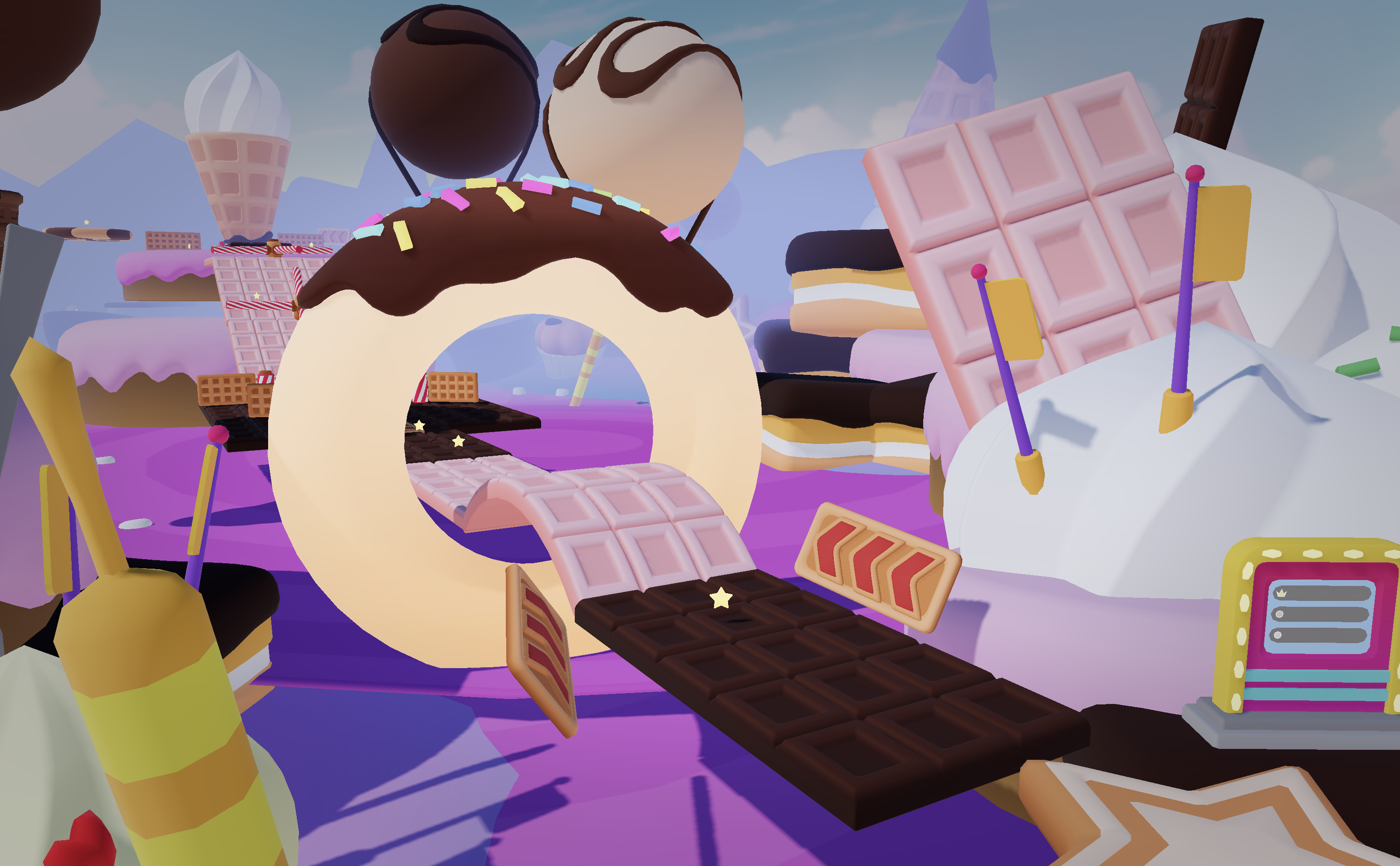
You might say “create platforms that tilt when players step on them, with a timer that makes everything move faster every 30 seconds.” The AI generates working physics, collision detection, and progressive difficulty without requiring you to write scripts.
2. Minecraft-Style Procedural Worlds
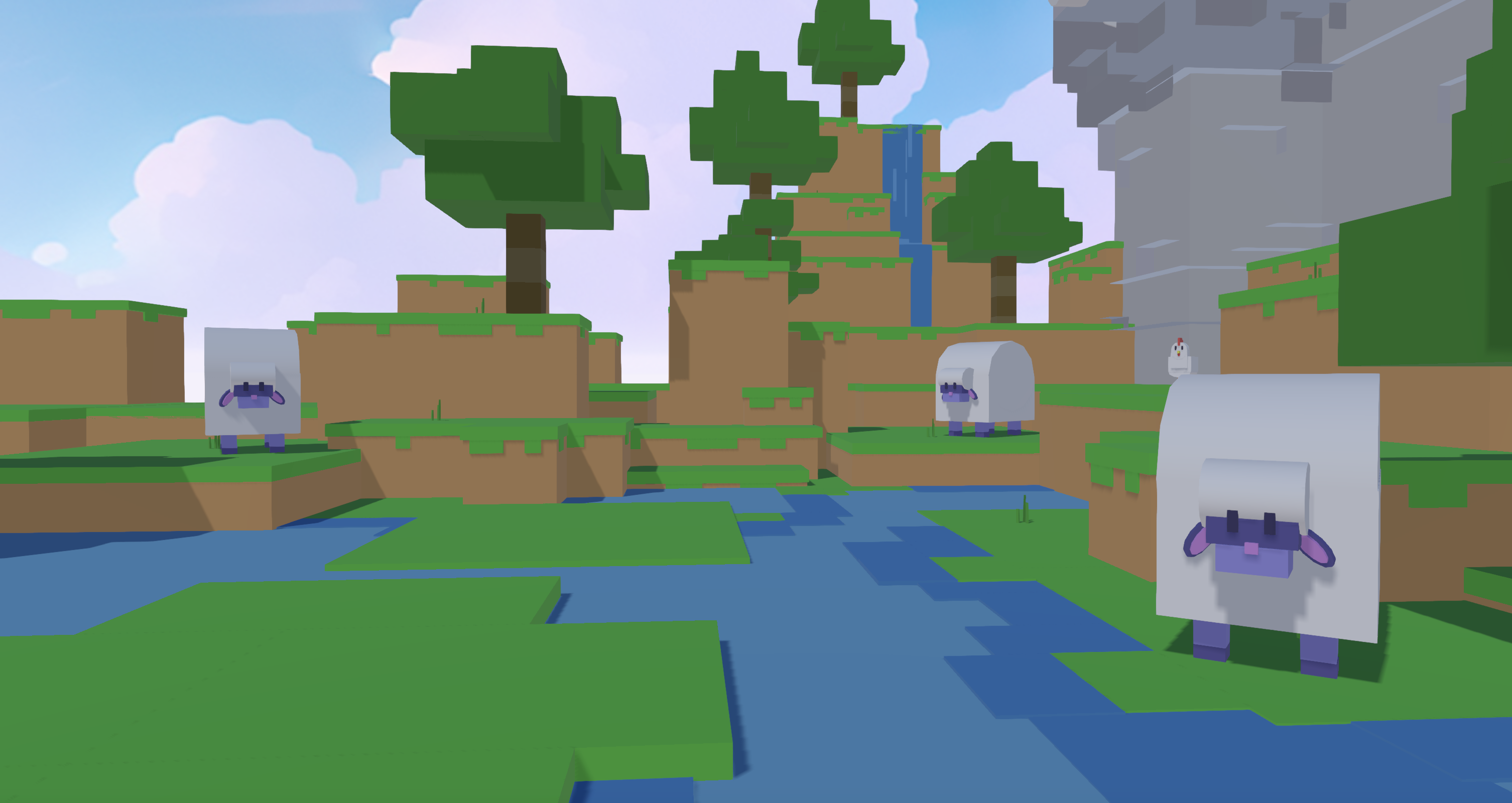
You can ask “generate a floating island world with different biomes connected by bridges.” The AI creates terrain generation, biome transitions, and exploration mechanics that feel close to professional game design.
3. Multiplayer Social Hangouts
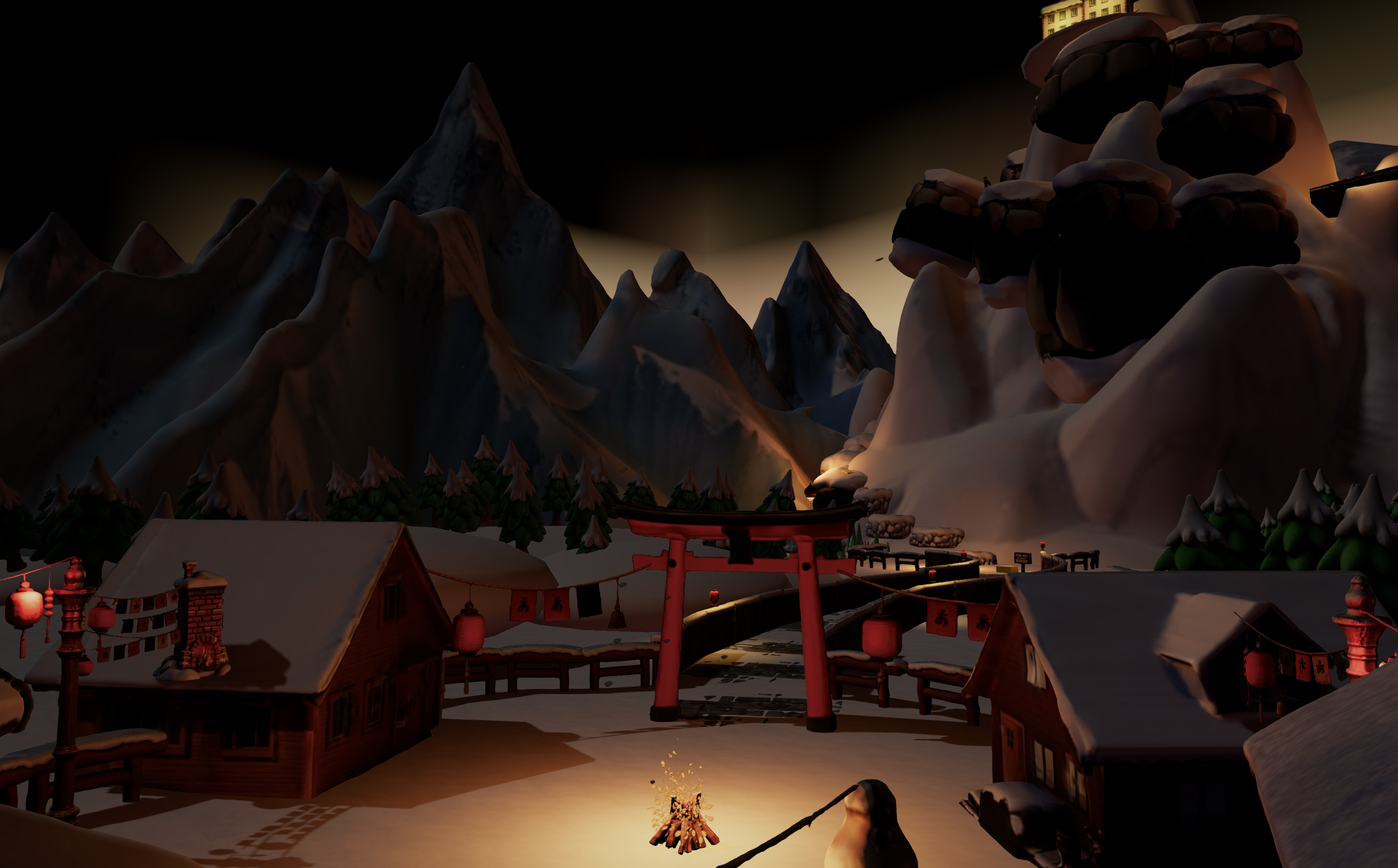
You might request “build a cozy café world where friends can sit, chat, and customize their avatars together.” The AI handles multiplayer networking, avatar systems, and interactive objects from that simple description.
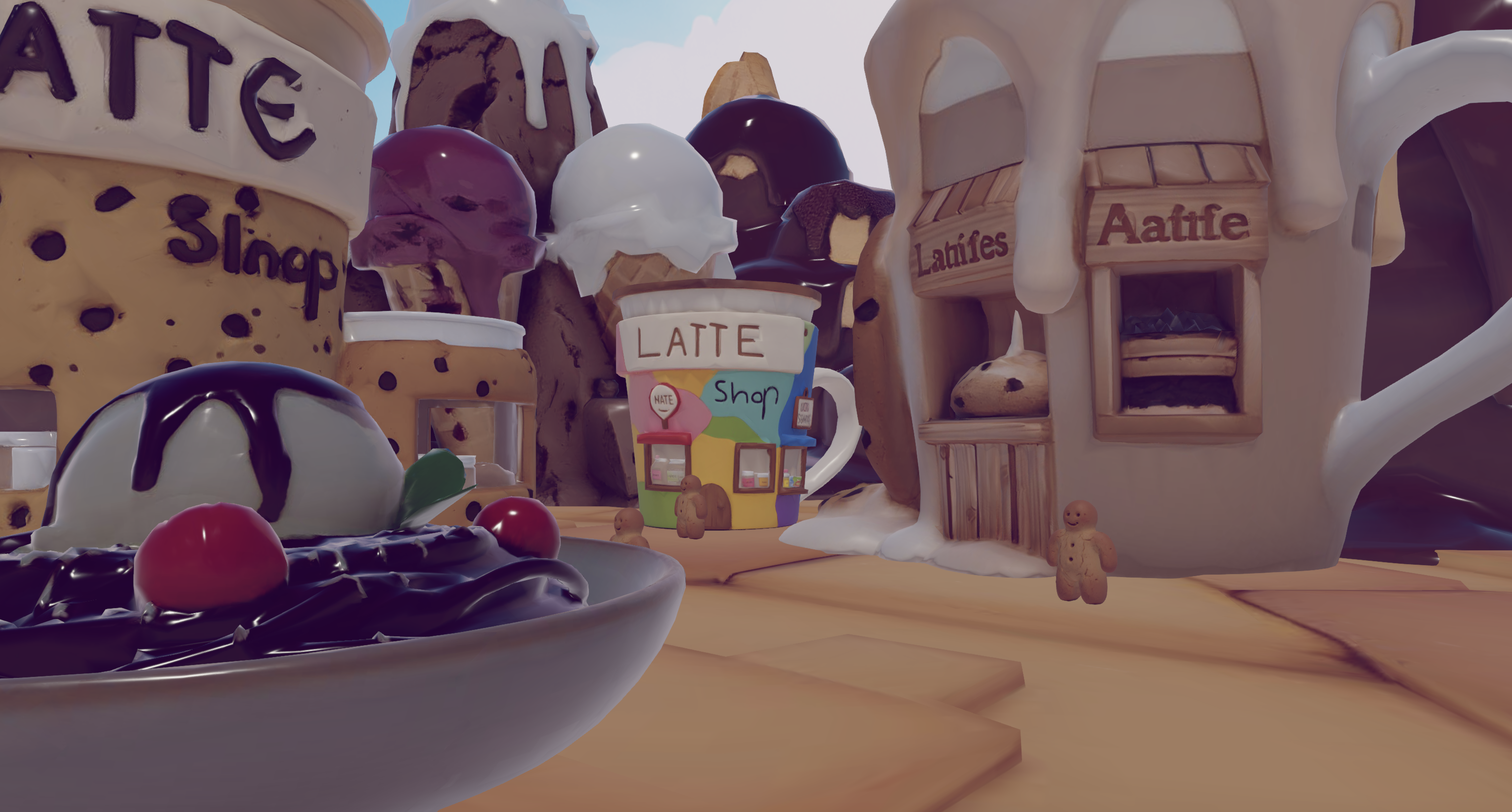
Builders in Nilo’s February 2026 Survey describe this experience clearly: “You made me enjoy vibe-coding” and “There are no limits on what you can create—just type, draw or add in an image and you can generate, rig, customise and place a fully 3D model within minutes.”
You stay focused on building what lives in your head instead of wrestling with technical limitations.
Comparing Top Vibe Coding Tools for Games
When you compare vibe coding tools for game development, look at game engine depth, 3D support, export options, and community size. The table below shows how leading platforms stack up.
| Tool | Game Engine Depth | 3D Support | Roblox Export | Community |
|---|---|---|---|---|
| Nilo | High (custom C++ physics/WebGPU) | Full (real-time worlds) | Optimized (LOD/FBX) | 9K+ Discord |
| Rosebud AI | Low (prompt gen) | Limited | No | Small |
| Cursor | Medium (general code) | None | real-time syncing via Rojo | Large (general) |
| Replit | Medium (code-first) | Basic | Limited | Medium |
Nilo stands out with its browser-based game engine built specifically for 3D world creation. Unlike prompt-only tools like Rosebud AI, Nilo gives you a full game engine with custom C++ physics compiled to WebAssembly and accelerated with WebGPU. You build directly inside a 3D environment instead of only generating code snippets.
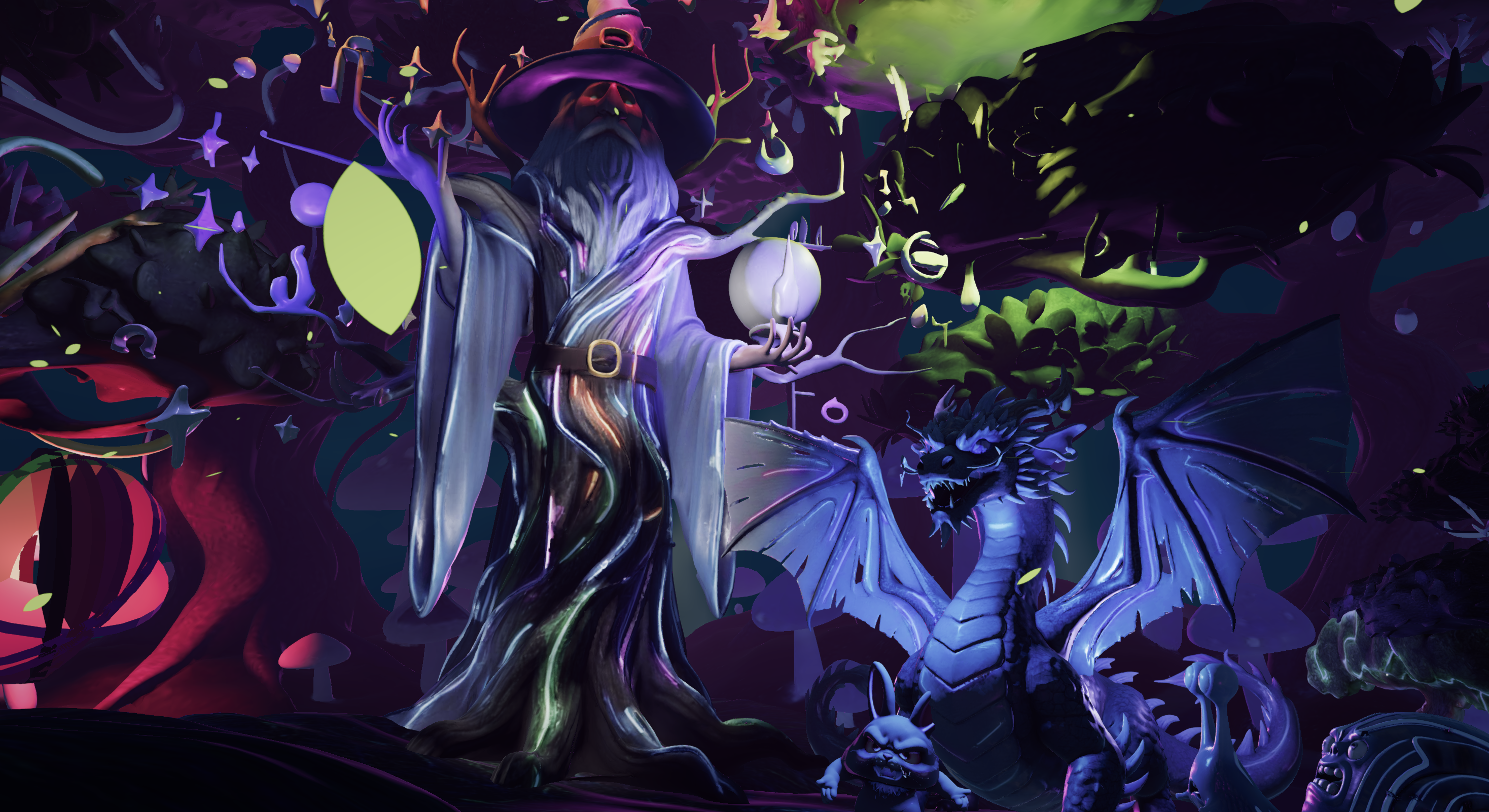
The platform’s model-agnostic AI layer connects to multiple providers such as Meshy, Tripo, Nano Banana, Cartwheel, and Uthana. As these AI models improve, Nilo improves with them. 93% of builders recommend Nilo to friends according to Nilo’s February 2026 Survey, and many highlight its LOD optimization that helps your models respect Roblox’s strict polygon caps.
Cursor and Replit work well for general coding tasks but do not offer the 3D game engine depth you need for full world building. They focus on code-first workflows instead of game-first creation.
Build a Roblox Obby with Nilo: Step-by-Step
You can build your first vibe-coded Roblox game in Nilo by following these steps.
Step 1: Open Nilo
Go to play.nilo.io in any browser. You do not need downloads or installations because the platform runs fully in your browser with full 3D performance.
Step 2: Create Your Obby
In the chat interface, type “create jumping platform obby with moving obstacles and a finish line.” The AI generates platforms, physics, and interactive elements in a real-time 3D scene.
Step 3: Iterate and Refine
When you see something you want to change, talk to the AI. You can say “make platforms move faster” or “add more challenging jumps near the end.” The world updates instantly.
Step 4: Invite Friends
Click the share button to get a link. Send it to friends so they can join your world immediately without creating an account. You can build and playtest together in real time.
Step 5: Export to Roblox
When you feel happy with your creation, export as FBX with automatic LOD optimization. Import the file into Roblox Studio and your game is ready for final polish and publishing.
The entire process feels fast and direct. As one builder noted: “I do not have to spend hours on 3D modeling the simplest things, now I can use Nilo and do it in 15 seconds.”
You got this, builder. The mix of speed, creative control, and a single-tool workflow helps you finally ship the worlds you imagine.
Vibe Coding Pros, Limits, and Real Risks
Advantages of Vibe Coding for Game Development:
- Accessible to Non-Coders: Build playable games without learning programming languages.
- Rapid Prototyping: Test game ideas in a short time instead of waiting weeks.
- Social and Collaborative: Share links and build with friends in real time.
- Educational: Learn programming concepts by tweaking generated code variables.
How to Think About Vibe Coding Risks:
Some common misconceptions claim AI-generated code is always unreliable, yet for game prototyping and learning, the risks stay low. You own the editable code, can inspect what the AI generates, and can export to any platform for further development.
The bigger risk often comes from never trying it and missing chances to turn your game ideas into reality because traditional tools feel too complex. Vibe coding removes many barriers that stop aspiring builders and already builders like you from finishing projects.
For production games, you still want human review and testing. For learning, prototyping, and building the games you have always imagined, vibe coding AI opens doors that once sat behind years of programming study.
FAQ
What are vibe coding examples for games?
Popular vibe coding examples include Roblox obbies with dynamic physics (“create platforms that tilt when stepped on”), Minecraft-style procedural worlds (“generate floating islands with different biomes”), multiplayer hangout spaces (“build a cozy café where friends can customize avatars”), and interactive story games (“create a mystery adventure with dialogue choices”). In Nilo, you can create all of these by describing your vision to the AI, which generates working 3D worlds with physics, interactions, and multiplayer support.
Is vibe coding good for Roblox development?
Vibe coding works well for Roblox development because it removes the scripting barrier that stops many builders. Instead of learning Lua, you describe your game ideas in plain language and get working code with real-time 3D feedback. Nilo specifically prepares exports for Roblox with automatic LOD (level of detail) systems that help your models meet Roblox’s polygon caps, plus direct FBX export to Roblox Studio. You can prototype, playtest with friends, and export high-quality assets without touching code.
How does Nilo compare to Rosebud AI for game creation?
Nilo and Rosebud AI support vibe coding in different ways. Nilo provides a full game engine where you build inside 3D environments with real-time physics, multiplayer collaboration, and hands-on editing tools. Rosebud AI focuses on prompt-to-game generation without the same interactive building environment. Nilo follows a “game engine first” approach with custom C++ physics and WebGPU graphics, while Rosebud AI focuses on “prompt-only” generation. If you want to learn while creating, Nilo’s hands-on style helps you pick up real game development concepts through play.
Is vibe coding risky for game development?
For game prototyping and learning, vibe coding risks stay minimal. You own the generated code, can see exactly what the AI creates, and can export to any platform for further development. Bugs or unexpected behavior can appear, yet you can catch them through playtesting and iteration. More serious risks apply to production software with strict security needs. For building games, learning programming concepts, and rapid prototyping, vibe coding stays safe and educational. The bigger risk comes from not trying it and missing chances to ship your ideas.
Can I use vibe coding tools for free?
Yes, Nilo offers 1000 free Nilo Bits per month for AI generation, export, and creation features. This gives you access to 3D asset generation, world building, real-time collaboration, and exports to Roblox and other platforms. Many core building features do not require Bits at all. Other vibe coding tools use different pricing models. Some offer free tiers with limits, while others use subscriptions for full access. Join Nilo’s open beta and try building and playing for free.
